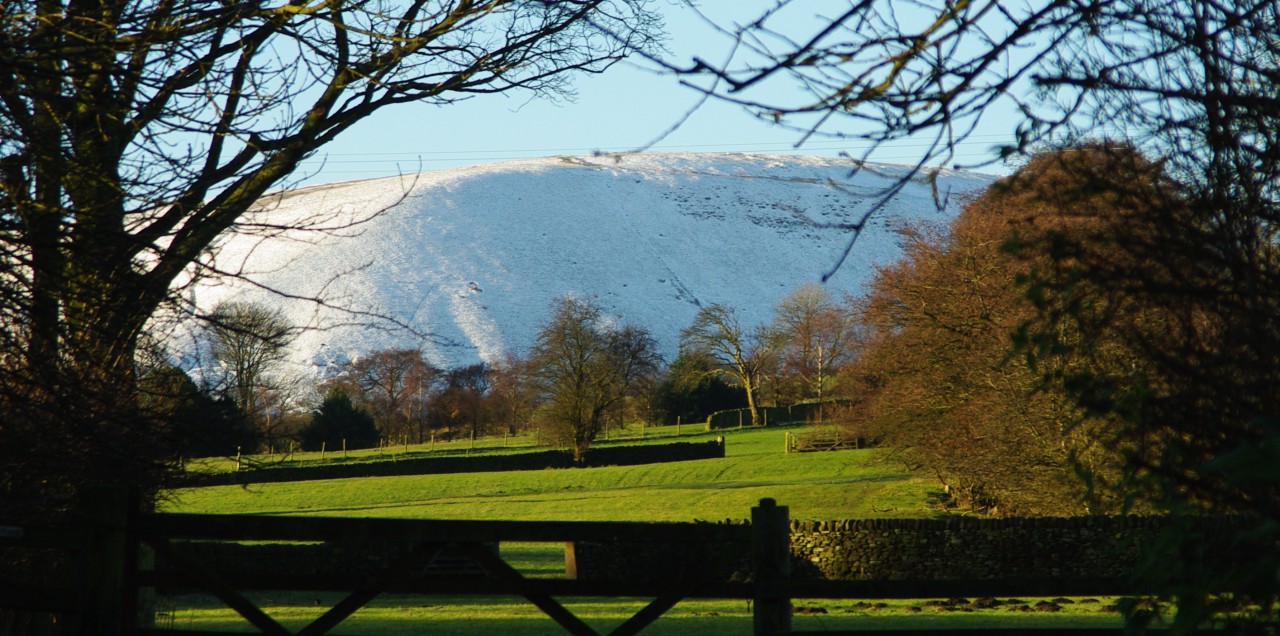
It’s a fight to the death!
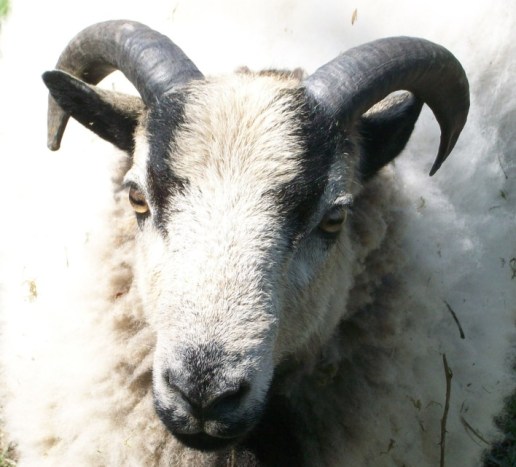
Well, okay, not quite that, but bear with me for a bit longer.
The other week I gave a short talk to my writing group on reasons a writer should be on social media and, more importantly, why they needed a blog. I’m not going to go into this in any detail now, but I promised I’d summarise what I said in bullet points, and then thought it might be worth putting up here to see if anyone felt like adding anything to it.
So…
Why?
- As a writer, you need to have a social media presence to sell books, to get known. Even if you are a published author.
- On a social media platform, you are aiming to get shares for your posts. The more shares, the more people will see them.
- It’s all about engaging with customers, fans and critics.
- There are a huge number of platforms, but just a few examples that I have experience of:
- Facebook is the biggest, and the most active, with a high rate of engagement. Having an Author Page is a good way to engage through backstories, questions, surveys and daily updates (yours or your work), ‘Behind the scenes’ articles.
- Linkedin has many users, but a low rate of engagement. A business page can be useful.
- Twitter is short and succinct. A sort of ‘Marketing Lite’. Posts appear fleetingly and then are essentially gone, though, unless they generate lots of likes and retweets.
- Goodreads is like ‘background’ media – people need to seek you out to find you.
- But the number one way to be found is through blog posts.
- Like all good social media, blogs encourage visitors to return. Unlike ordinary websites, they are updated regularly and the reader can be alerted to each new post.
- There are many other reasons to blog, viz:
- Teaches you to write more professionally – you have an audience
- Discipline
- Practice
- Feedback from people outside your usual circle
- Networking with others
- You can upload links to other social media
- There is space to write more in-depth than on other social media
- To review work for other writers
- To explore ideas and get feedback on these
- A blog is simply a website with posts being regularly replaced, although the old ones are still on the website to read.
- There are many blogging platforms, but I use WordPress.
- One advantage of WP is the ease by which readers can see you have a new post.
- Whichever platform you choose, it should have clear instructions and / or tutorials to help you set up.
- It should also allow you to block spammers, remove adverts (by upgrading), monetise your site, and change the layout. In other words, have as much control as possible over its appearance.
- It can be really helpful if the platform provides diagnostics on data such as page views, visitors, likes, comments, and links to and from your site. This helps you plan and refine how you run it.
How?
- Purchase your own address! It is not very expensive, but it makes your blog more personal, more professional, and the address more memorable. And the host cannot arbitrarily close it down, which might happen with a free site.
- Start by going and looking at other blogs, to find what you like and might work for you. then use your Site Builder Tool to create your site.
- Once you begin writing your first post make sure you are using a clear font that stands out.
- Keep the post around 500 words, certainly under 1000. When you have a decent following, you may get away with more, but new readers will be put off by longer ones. (As a guide, this post has 945 words).
- Add a picture or two to help it stand out and look less daunting, but not too many. And not just dozens of selfies, unless you are an established celebrity. It’s a real turn off.
- Make the post interesting! Put some good stuff in first, to get the readers’ attention. And don’t save all the good stuff until the end, as readers might not otherwise get there.
- Use categories and tabs on each post to help new readers find them.
Issues
- Don’t feel under pressure to post to a fixed schedule.
- Don’t be afraid to change the subjects you post about – it’s all under your control and there are no rules on it. Let it develop organically.
- Don’t be afraid to take a break if you need to. It’s very easy to get into a mindset where you think you need to do all these things to a rigid schedule.
- Don’t obsess about the number of followers you have or likes / comments you get. Chasing them is counter-productive.
- Find some blogs YOU like, and follow them, commenting when you have something to say. That way you will begin to get visits in return and then, hopefully, follows back. It is pointless following a blog that doesn’t interest you, just hoping to get a follow back. You want followers who will be interested in what you have to offer.
- And on that subject, if a new follower has a site that doesn’t interest you, there is no obligation for you to follow them back.
- And don’t feel obliged to comment on / like / or even read every post on blogs you follow.
- Do remember that copyright law applies exactly the same on the internet as it does in the real world. If you copy a photo or article from the internet without permission and post it on your blog be prepared for possible legal unpleasantness. I always use my own, just to be safe. I think it looks better, too.

 Mick Canning