6th November 2025

When I began this blog, some ten years ago, it was for the express purpose of both promoting my writing and discussing writing in general. Since then, although I have certainly used it for that purpose, promoting my books and zines, posting the occasional poem, writing the occasional review of other books, and posting discussion topics on the subject, the blog has almost inevitably drifted into other waters. Since I enjoy travel so much, I began to post photographs and memories of those travels. I put up pictures of my artwork, since this seemed an obvious (and free!) place to promote them. Articles on the British countryside, mythology and folklore, and customs. Like most people, I have wide interests and this is a good format to record them in.
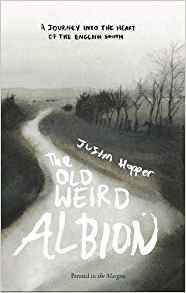
The Old Weird Albion, by Justin Hopper. Reviewed in 2019

One of my great pleasures has been the meeting of minds. We follow each other, read posts and comment, foment discussions. And it is a safe place! Unlike social media, it is very rare for strangers to barge in and attack other users. And on the very rare occasions this happens, it is easy to just block them. This makes it a much more enjoyable place to spend time. And there are no algorithms pushing contentious posts at the reader.

Mount Everest, photographed from Tengboche in Nepal from a post in 2021

But for the last couple of years I have been rather tardy in both posting and reading other’s blogs. Part of the reason for this is that since being retired, for some reason I seem to have less free time than I did before. I’m not really sure why that is. But I’m still here. And to get myself back into the swing of things, as well as writing some new posts, I’ll probably re-post a few of the posts I put up a long while back, which many of my current followers won’t have seen.

Recycling is good, after all.

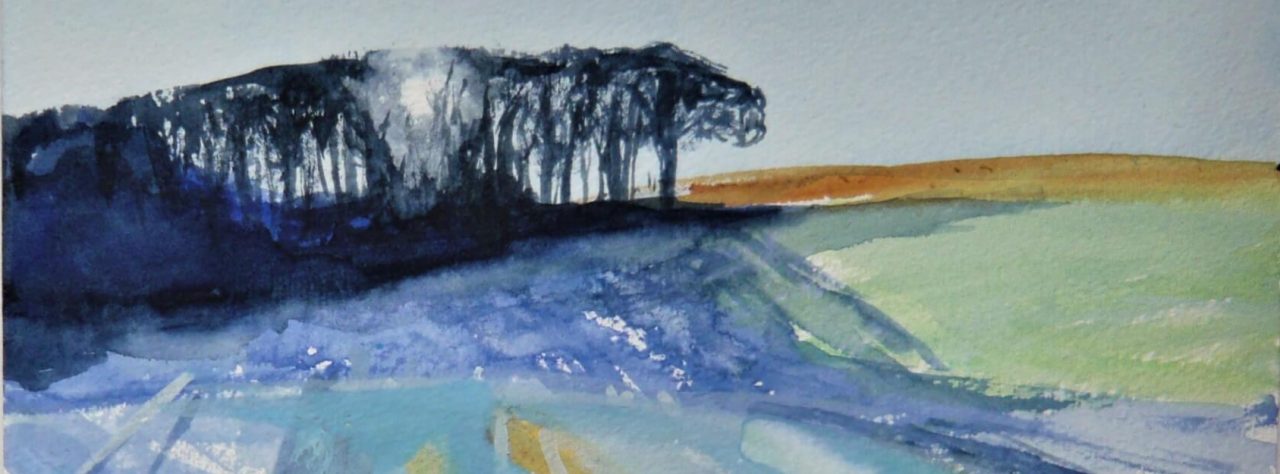
A piece of my artwork.

The Hooden Horse

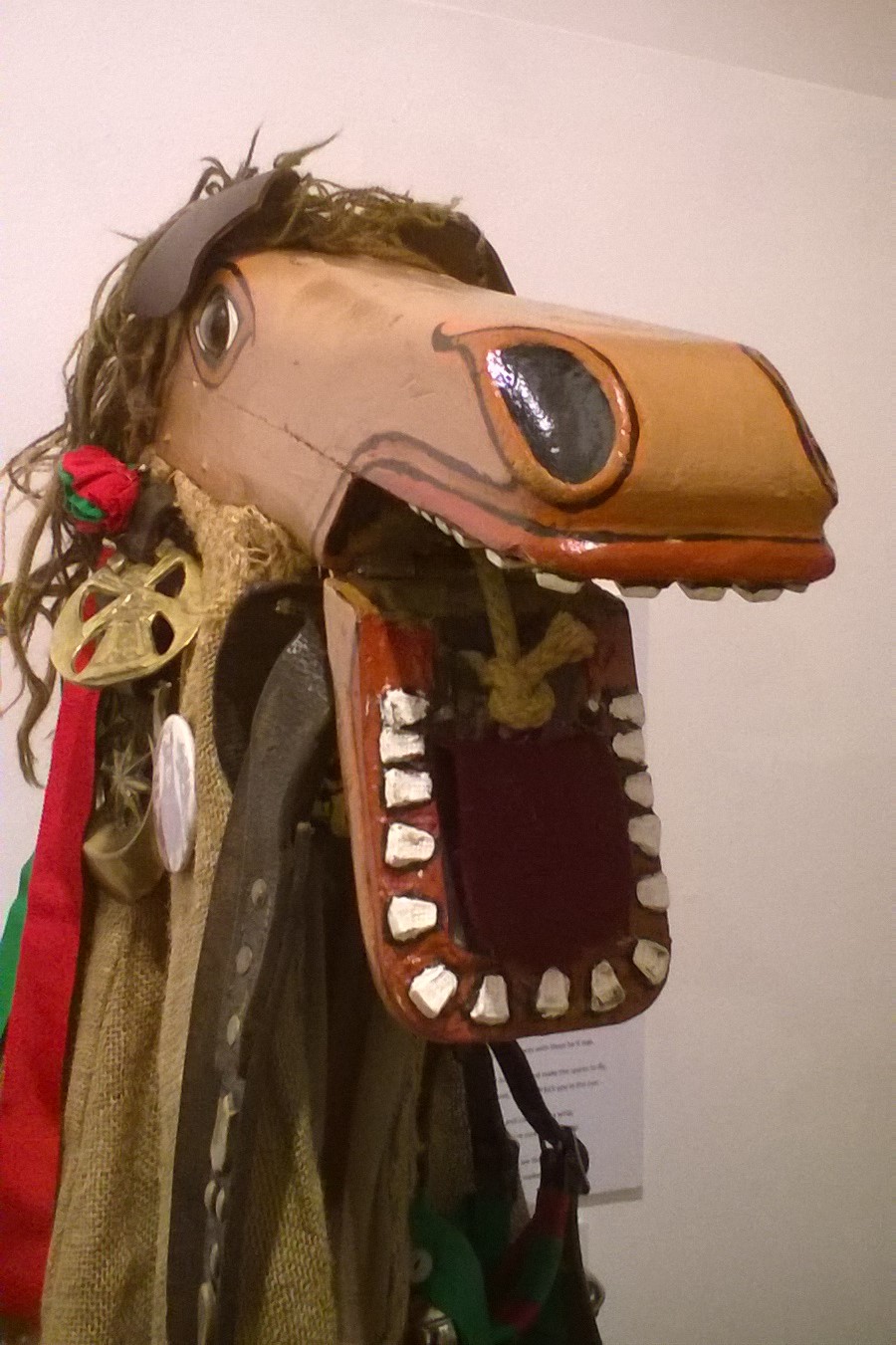
In the town I used to live in, there was once a pub called the Hooden Horse, sadly now renamed to something much less interesting. I was reminded of this at an exhibition at Maidstone museum on Hooden Horses. Hooden Horses? Well, briefly…

Hoodening is a rural folk tradition unique to East Kent, England. Going back a few hundred years, in the week or so running up to Christmas, groups of farm labourers would dress up as various characters and go from door to door requesting money, cake and beer. One of the characters would be the Hooden Horse, which was an artificial horse’s head made of wood, with a jaw operated by string, on a wooden pole, held by one of the performers with his body covered in cloth – usually sacking. A sort of play was then performed in rhyme, a mixture of plot and satire, usually featuring a few local characters who would be well known to the watchers and might be the butt of jokes and scorn, as well as stock characters such as Molly, a waggoner, and the Mayor. And of course the horse (him)self, invariably called Dobbin. There would also be music performed on whatever might be available – accordions, fiddles, drums or whistles.

The relationship to Morris dancing and Mummers is hard to avoid and, like these traditions, has been revived in modern times by enthusiastic traditionalists.

A photo from the early twentieth century

A modern Hooden Horse

Another early twentieth century photo.

There are many other traditions in Britain involving what is known as ‘animal guising’, where men or women take the guise of an animal, the Padstow ‘obby ‘oss being perhaps the best known of these. The performance on May Day in Padstow, Cornwall, invariably draws large crowds.

On the left, a Hooden horse, and on the right a Mari Lwyd, the ‘skull horse’ of Welsh tradition. Although unconnected (as far as I know) the Welsh had a similar tradition, also taking place around Christmas and New Year. Skull horses are to be found in other parts of England, however, including Yorkshire.

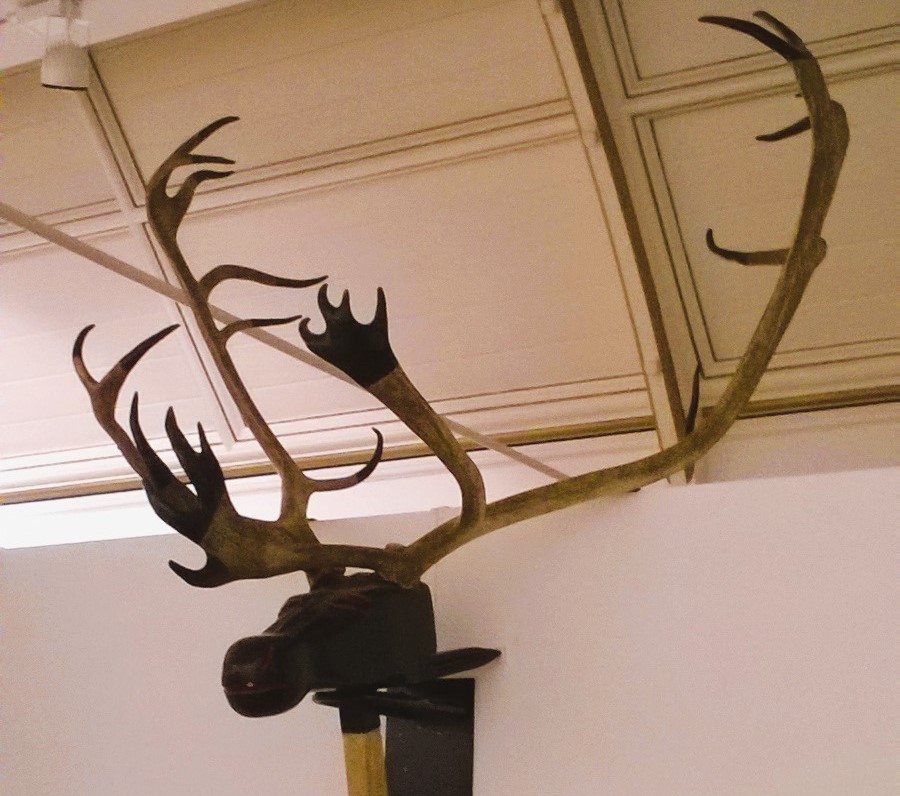
Stag guising is another old tradition – possibly older than horse guising. It was certainly in existence during medieval times and survives today in the form of the Abbots Bromley Horn dancers, Staffordshire, who perform carrying reindeer antlers on poles on the Monday following ‘Wakes Sunday’ in September. Wakes Week became a tradition in industrial Northern England when factories and mills closed down for a week for maintenance giving the workers a holiday. This began in the early nineteenth century, but before this the ritual presumably took place at a different time of year.

The exhibition is on until 17th July 2023 and there is a link to their site here.