New ‘zine – Issue 1

I’ve completed my first new year’s project.

Ladies and gentlemen, I’d like to present Echoes and Imaginings, issue one.

Quite pleased with the title, actually. My aim is to produce at least four issues, although whether I do or not depends largely on how quickly I can put each issue together. I want them to roughly reflect the seasons of the year, without being too dogmatic about it. There is a slant towards folklore, psychogeography and a bit of speculation, as well as photography and poetry. Future issues may well have some of my artwork included.

I’m already writing articles for issue 2…

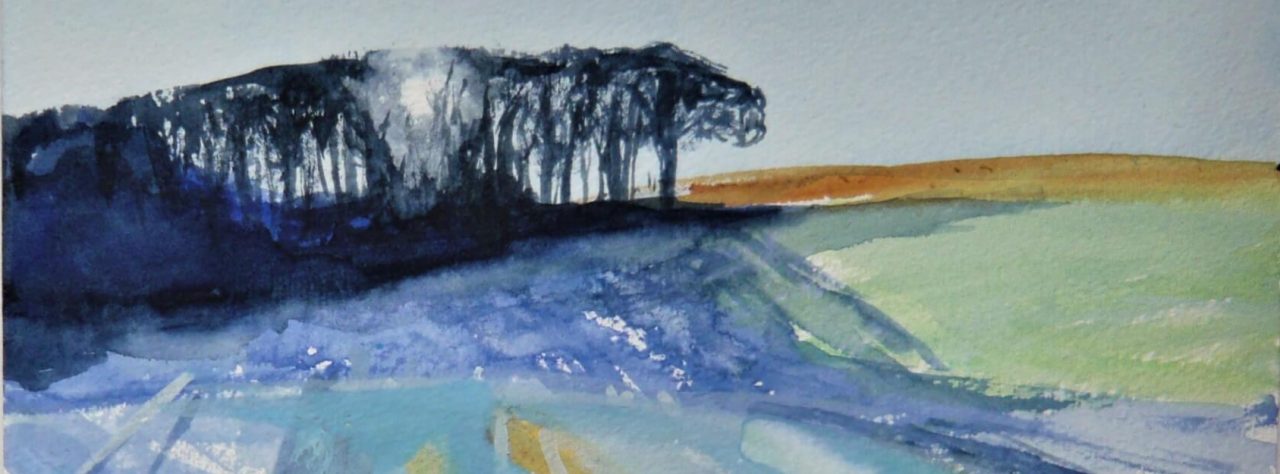
In this issue you can find Hoodening, Wassailing, a meditation on time, photographs, poetry, and more. There are lots of trees. Some of the articles have appeared here as posts, although there is some re-writing, but most of the poetry and the pictures are new. It is available through my Etsy shop, or just message me directly (I use PayPal).

Personally, I reckon it’s a thing of beauty.

And as well as these four issues, I have ideas for some others, which I expect to bring out at random times.

At the moment, I feel this is the way for me to go. I don’t see myself finishing a novel any time soon, although I do have an almost finished one sitting there. I don’t currently feel inclined to get it published, though. And equally, I don’t feel inclined to go through all the hassle of submitting poems or short stories to different publications or into competitions.

And on another note, you have probably seen on other blogs the ongoing issues of pirated e-books (especially on Amazon, I hear). I think we have AI to thank for a lot of this, and it seems so many authors are having their books ripped or plagiarised it’s becoming ridiculous. For that reason, I have simply decided my books will no longer be available as e-books, and have deleted them.

The Hooden Horse

In the town I used to live in, there was once a pub called the Hooden Horse, sadly now renamed to something much less interesting. I was reminded of this at an exhibition at Maidstone museum on Hooden Horses. Hooden Horses? Well, briefly…

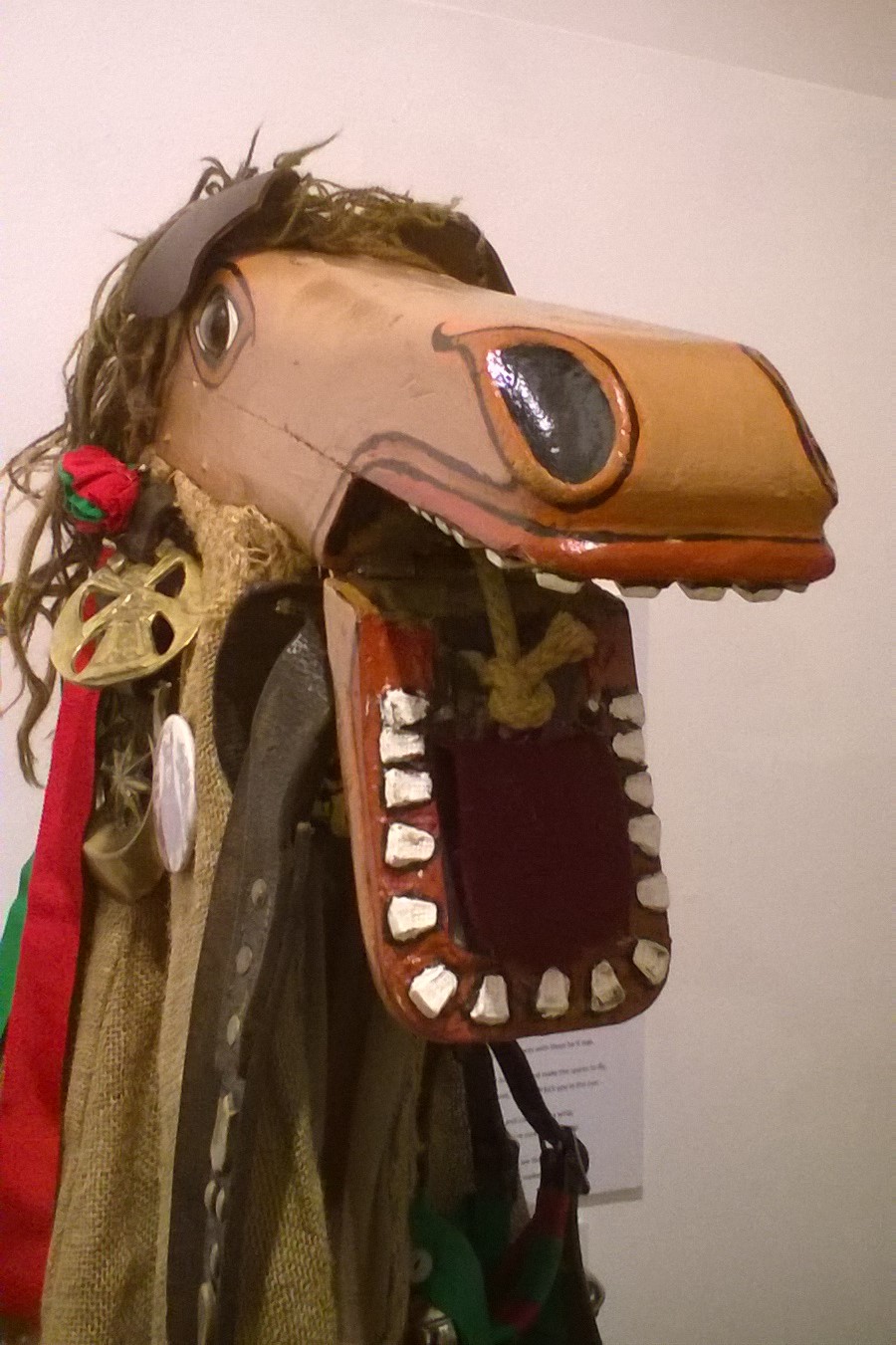
Hoodening is a rural folk tradition unique to East Kent, England. Going back a few hundred years, in the week or so running up to Christmas, groups of farm labourers would dress up as various characters and go from door to door requesting money, cake and beer. One of the characters would be the Hooden Horse, which was an artificial horse’s head made of wood, with a jaw operated by string, on a wooden pole, held by one of the performers with his body covered in cloth – usually sacking. A sort of play was then performed in rhyme, a mixture of plot and satire, usually featuring a few local characters who would be well known to the watchers and might be the butt of jokes and scorn, as well as stock characters such as Molly, a waggoner, and the Mayor. And of course the horse (him)self, invariably called Dobbin. There would also be music performed on whatever might be available – accordions, fiddles, drums or whistles.

The relationship to Morris dancing and Mummers is hard to avoid and, like these traditions, has been revived in modern times by enthusiastic traditionalists.

A photo from the early twentieth century

A modern Hooden Horse

Another early twentieth century photo.

There are many other traditions in Britain involving what is known as ‘animal guising’, where men or women take the guise of an animal, the Padstow ‘obby ‘oss being perhaps the best known of these. The performance on May Day in Padstow, Cornwall, invariably draws large crowds.

On the left, a Hooden horse, and on the right a Mari Lwyd, the ‘skull horse’ of Welsh tradition. Although unconnected (as far as I know) the Welsh had a similar tradition, also taking place around Christmas and New Year. Skull horses are to be found in other parts of England, however, including Yorkshire.

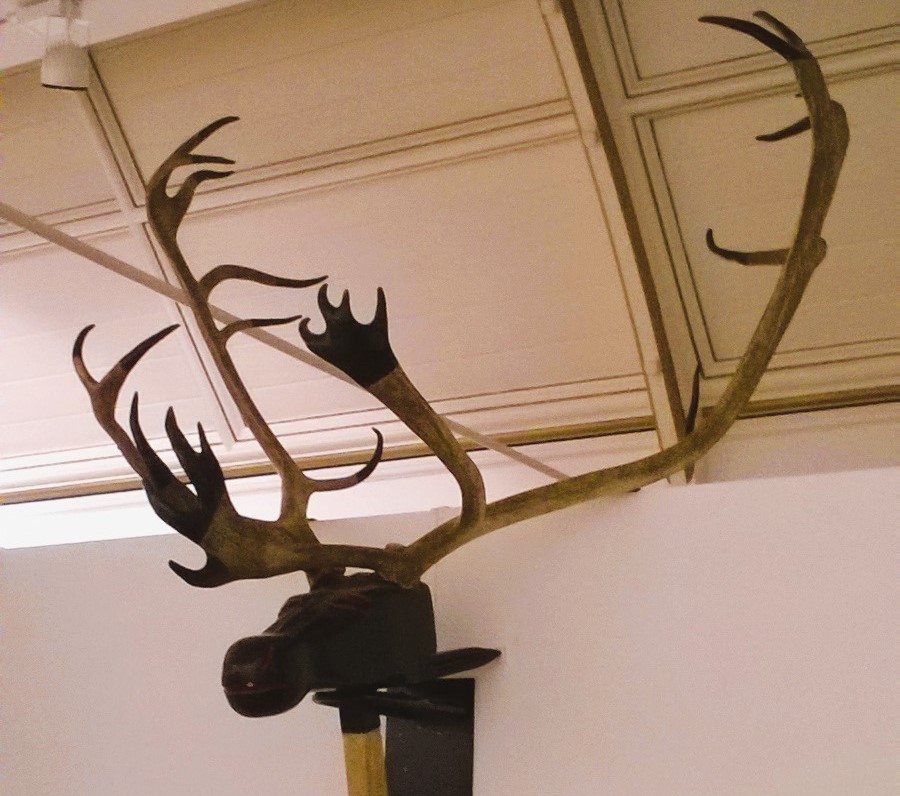
Stag guising is another old tradition – possibly older than horse guising. It was certainly in existence during medieval times and survives today in the form of the Abbots Bromley Horn dancers, Staffordshire, who perform carrying reindeer antlers on poles on the Monday following ‘Wakes Sunday’ in September. Wakes Week became a tradition in industrial Northern England when factories and mills closed down for a week for maintenance giving the workers a holiday. This began in the early nineteenth century, but before this the ritual presumably took place at a different time of year.

The exhibition is on until 17th July 2023 and there is a link to their site here.