
June is the Thick Month. Trees and bushes and stands of wildflowers have acquired a lush density by now, branches and stems encased in full-sized leaves, rich and vividly green. Leaves massed and packed in swaying light-blocking swathes. Nothing has yet faded, although there is a gradual falling away of birdsong now mating is over and broods are being raised, although this is compensated for by what seems to be an increase in insect noise, especially bee hum – certainly in our garden. The flowers are beset by mason, carder and bumblebees, and large numbers of solitary bees which provide a delightful oxymoron for this recorder, at least.

Going out and about through the woods a mile from my home, I feel I could almost be walking indoors, such is the density of the tree canopy above me, and when it begins to rain I do indeed remain dry, other than from the occasional drip finding its way through. But it is muddy underfoot in places, the sheltering swathes also keeping the sun from drying out the ground. The thick wet dark humus-rich soil smells sweet and clean, reminding me of a ‘plum-pudding smell,’ as Kenneth Grahame described the river-bank in The Wind in the Willows.
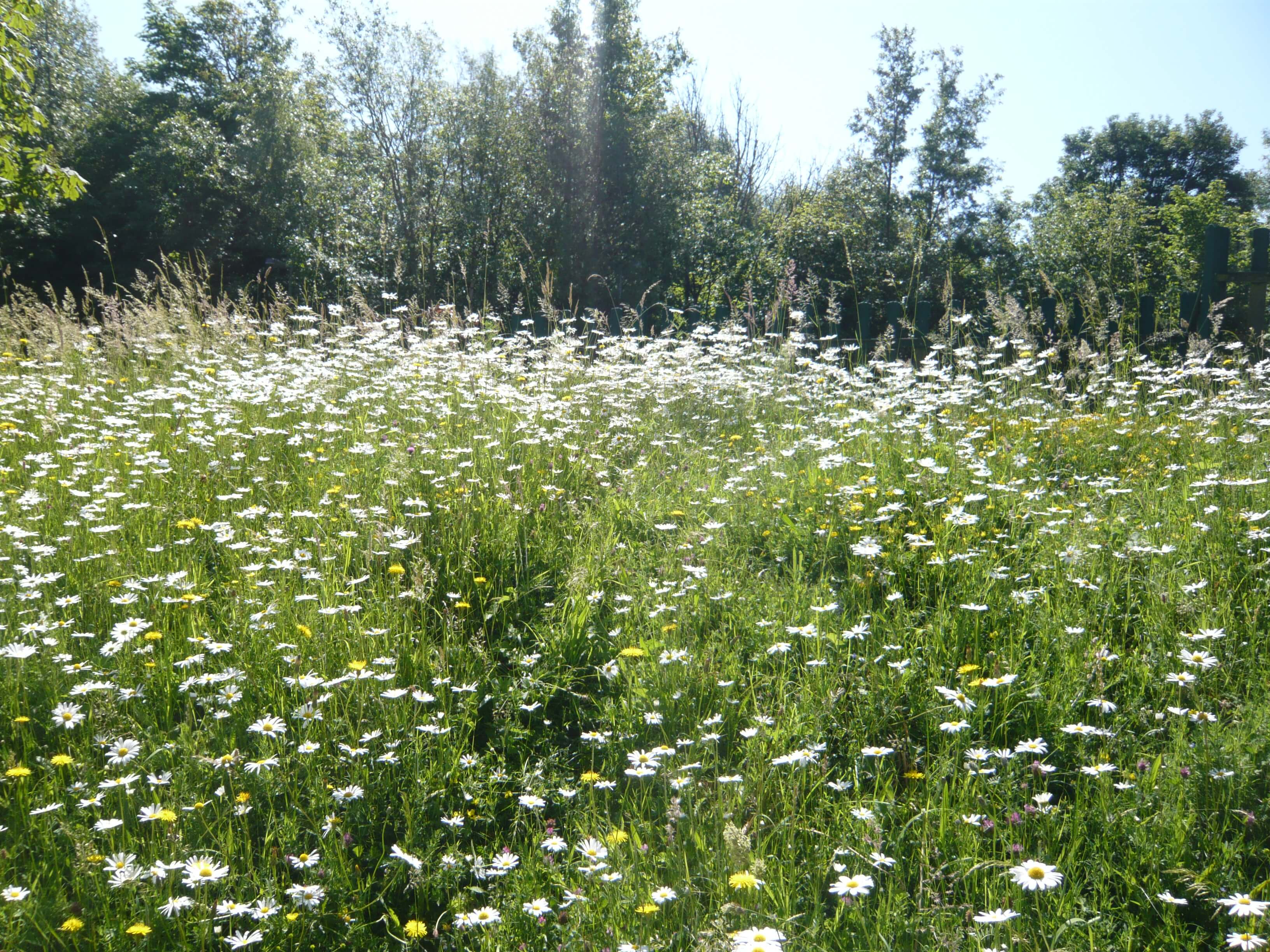
The fields, too, are thick with wildflowers and grass, as are roadside borders where councils have refrained from scalping them. As much as I rejoice to find the occasional rarer species amongst them, I think my greatest pleasure is just to see masses of the commoner species; buttercups or ox eye daisies, vetches or speedwells.
I generally see nothing rare when I am walking my patch, but I could never think of any of this as ‘ordinary’.
 Mick Canning