Photographs

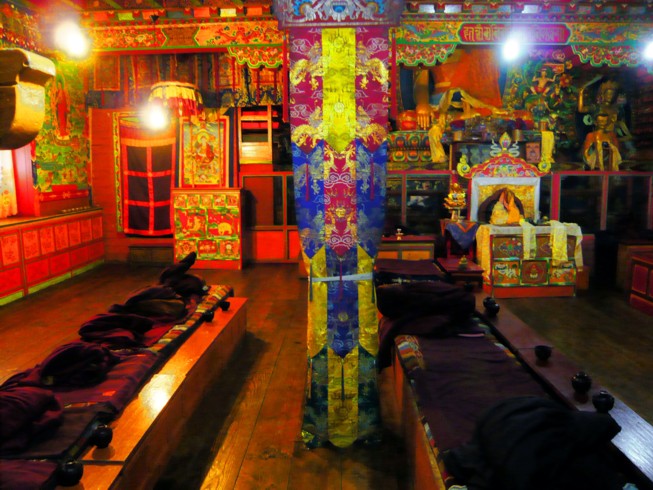
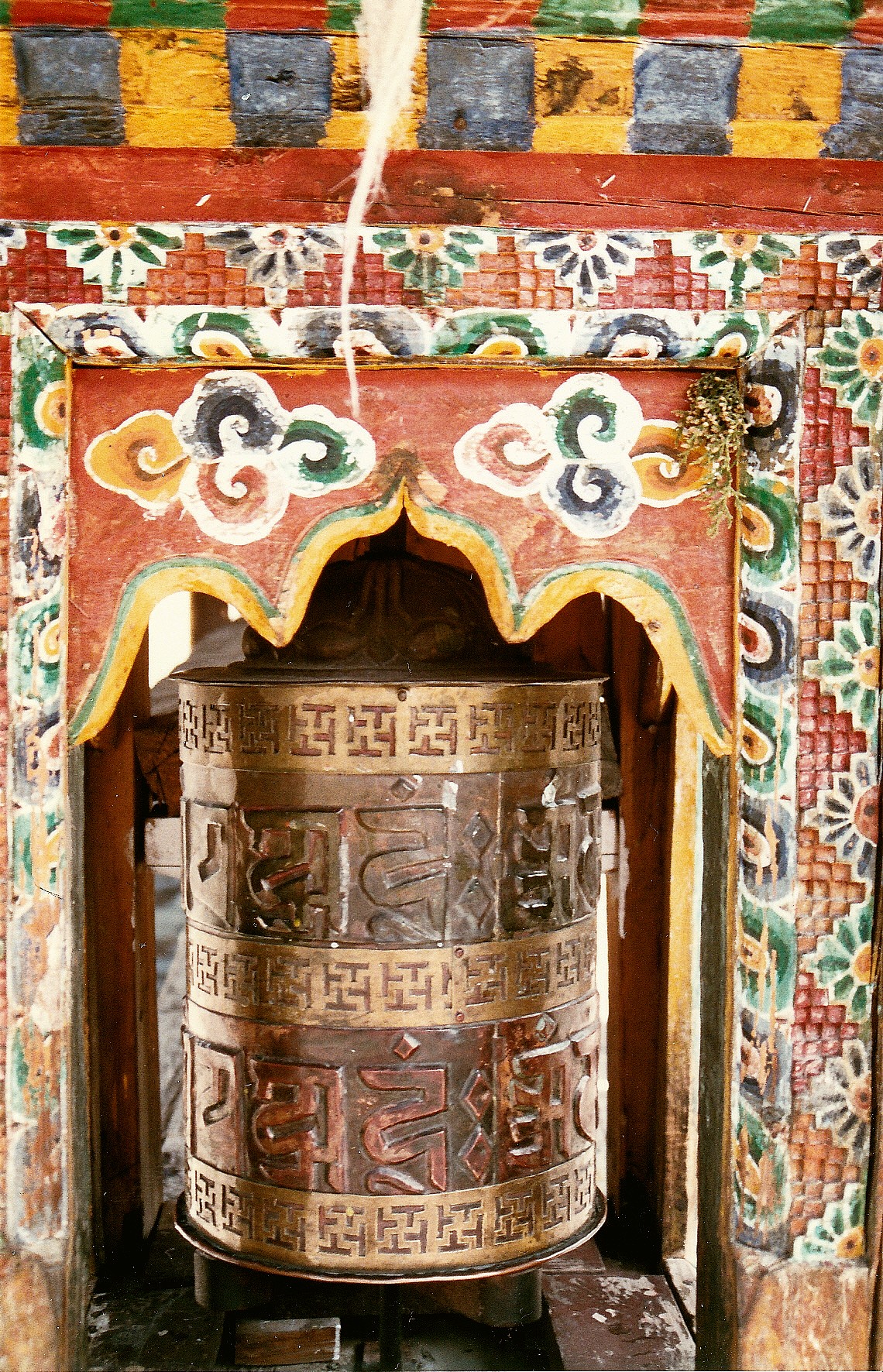
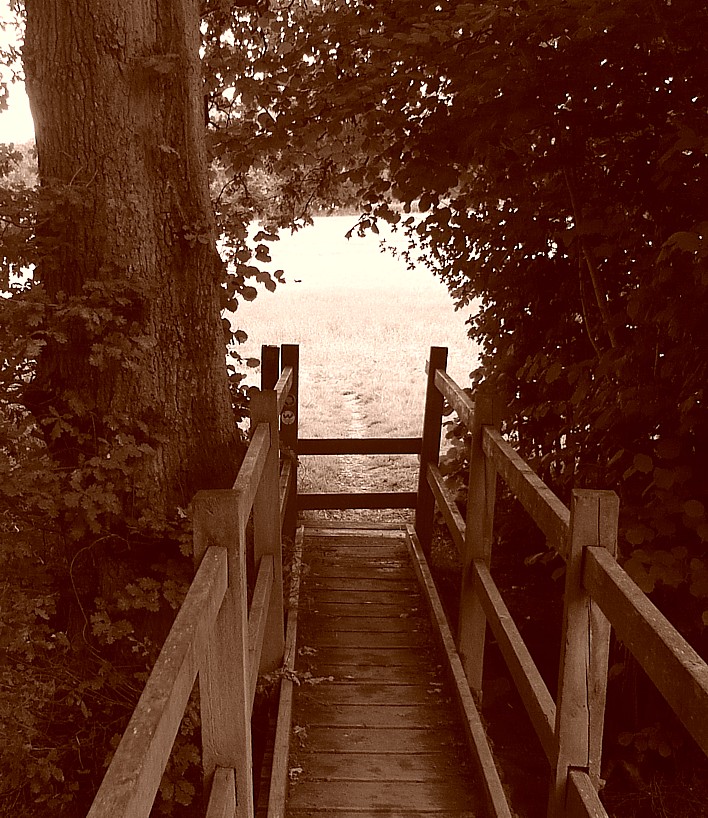
I’ve become very bad at taking photographs. Not exactly lazy, it’s more that my focus is on the world around me. More and more now I find that when I’m out for a walk all my senses are tuned into the world around me – sounds, sights, smells – and I feel I just want to take them all in, rather than try to record them. I just want to be in the moment.

And, incidentally, a photograph is a poor substitute. It can never capture a complete experience – the colour is frequently leached out by bright sunshine, I cannot hear the wind in the trees, or smell the scents of autumn. I cannot feel the nip of the sharp early morning air. The sounds surrounding me would all be lost. The leaves suddenly whirling all around me in the breeze. I would lose the deceptive simplicity and is-ness of all this.

And yet, I enjoy photographs. I use them a lot in my writing. How to square the circle? Must I only take photographs on days I set out to focus on photography? They are good memory joggers. You may not get the sounds or scents (or sharp nips), but a photo may well remind you of them. And they can be things of beauty on their own, of course.

I think I need to find a way of taking photographs without disturbing whatever is my current train of thought at the time. A sort of Zen-like process.

In Another Lifetime I could Have Been…(2)

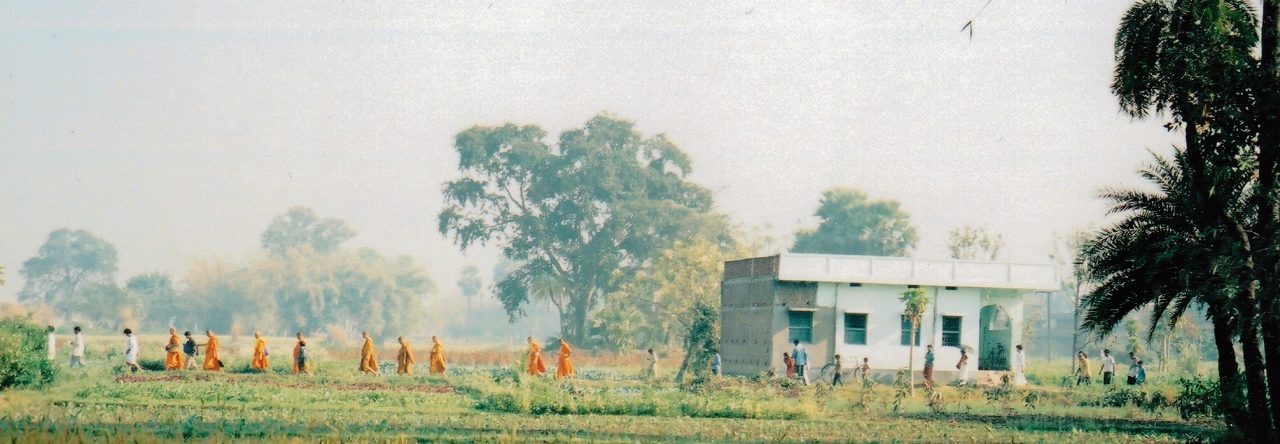
…a monk.

Yes, you heard me correctly. a monk. Regular readers of this indulgence will know I pour scorn on organised religion, but also that I have a hankering for the simple life and for solitude. I would love to be disciplined enough to do without fripperies, but I never quite seem to get there. Obviously social media would also have to go if I was a monk. In fact, even if I didn’t become a monk, I think perhaps social media should go. That would be good for me.

But not books, of course. They’re Important.

In another time, a time when belief in the predominant religion was a given, I would have had no problem in becoming a monk. But since I don’t have that belief, it sounds like a contradiction to say that to me the spiritual side of life is extremely important, but the spiritual is, to me, separate from religion. I view the spiritual side of me as being that part that yearns for simplicity, for art, for the minimum possessions required for life, and to be surrounded by nature. Incidentally, I also understand that monks are given a daily ration of beer or wine.

That also sounds good.

And because I was fortunate to have been born in an age of scientific enquiry when most people no longer blindly accept religious dogma, but are generally prepared to question it, I am free to make choices based on my own conscience and on what I consider important.

But I could almost, under certain circumstances, become a Buddhist monk, even in this life. I have said before how I am attracted to Buddhism, although as a philosophy rather than as a religion. I like the way the emphasis is on yourself to make your best life. Gods don’t have to be involved.

I have twice spent a week in that sort of environment – one time a week of Zen meditation, which was very hard work but left me with a great feeling of clear-headed calm, and once on a retreat at a Benedictine monastery where I made a point of attending a simple morning service each day and spending the rest of the day in thought and writing and painting and gently wandering around the extensive grounds. As a panacea for the stresses of modern life it was difficult to beat. I could, as I said, see myself in another life settling into the routine there on a permanent basis. But not in this life.

Of Caterpillars And Philosophy

The life cycles of butterflies and moths really are an example of how utterly bizarre life can be.

As a child, I was always outdoors playing in the woods and fields and keenly interested in wildlife. I had an especial interest in butterflies for a long while, and I’m quite confident that as a ten year old I could have named every single British species, and told you a reasonable amount about their life cycles. I knew, for example, that every butterfly or moth started out as an egg, hatched into a caterpillar which ate like there was no tomorrow, and then turned into a chrysalis.

And as that child, I assumed that inside this chrysalis the caterpillar just grew a pair of wings, lengthened its legs, and made a couple of other adjustments too minor for me to worry about and then hatched out into whatever butterfly or moth it happened to be.

It is not quite like that, of course.

When it turns into that chrysalis, the caterpillar essentially ingests itself, so that its insides turn into a kind of organic soup (which makes me think of the so-called ‘Primeval Soup’ of amino acids out of which life supposedly first arose on Earth about two billion years ago, which is actually not a bad analogy). From this soup a completely new creature forms.

So, let me now introduce you all to Trevor.

016a

Trevor has been living in our back garden for the last few weeks. He is the caterpillar stage of an Elephant Hawk Moth (probably – some of the hawk moth caterpillars not only resemble each other fairly closely, but may also have variations within the species). In that time he has been doing his best to eat a small tree.

You’ll excuse him if he doesn’t say hello, I’m sure, as he is much too busy eating at the moment. It’s what he does. It’s pretty well all he does.

Eventually, he will reach a stage when he stops eating, finds a handy spot to attach himself, and then turn into a chrysalis (or pupa) and will eventually hatch out into a moth – an Elephant hawk Moth, if I’ve identified him correctly, although I’m sure he won’t care in the slightest what I think.

You may be familiar with the Zen koan (essential a riddle that cannot be solved by pure logic) that asks ‘if you light one candle from the flame of another candle, is the new flame the same as the old one, or an entirely new one?’

Which brings me, rather neatly if I might say so, to today’s riddle. Bearing in mind all of the above, is the newly hatched butterfly or moth the same creature as the caterpillar that preceded it, or a new being entirely?

I think we should be told.