In Another Lifetime I Could Have Been…(4)

…not anything I wanted to be, because that’s not true. Like everyone else, I have my limitations. Plenty of them. I’m sure we all play this game sometimes, even if it’s only in the form of ‘I wish I’d done so-and-so instead of the boring / hateful / planet-destroying job I’m doing now’, but it’s rather pointless wishing one had trained as an astrophysicist when one is aware one left school at sixteen after barely scraping through their GCSE’s. Or wishing one had become a Premier League footballer when one knows perfectly well they have no real aptitude for the game and aren’t particularly agile. I’m not sure whether I’m guilty of over-thinking this, but I get annoyed by the plethora of adverts nowadays aimed at both children and adults proclaiming ‘You can be whatever you want to be!’ or ‘There are no limits to your ambition!’ or the like, and I think a lot of people are just being set up for failure, or to think they are failures, which is frequently worse.
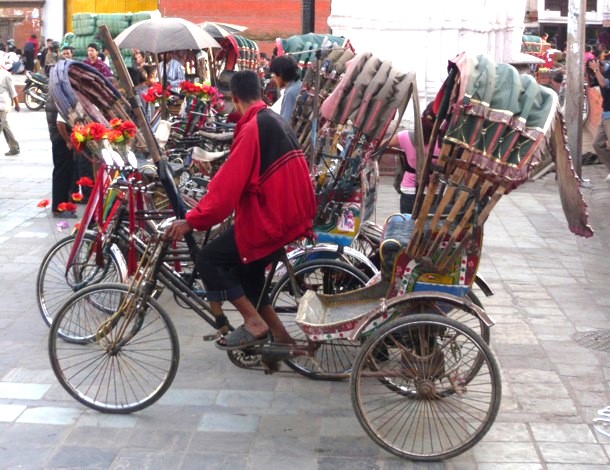
Yeah, I guess I might have been a bicycle rickshaw driver. Who can say?

But let’s change tack a little, here. While a tiny part of me does wish I’d knuckled down and made an attempt to become an established folk musician (post 1), I’m not sure I’d ever have really wanted to be a tramp or a monk in this lifetime. Although I can certainly see the attraction of being a hermit! But I am relatively happy with the various jobs I’ve ended up doing, and looking back if I could have picked another career path, I’m not sure what would have been my chosen one (from my perspective of now). I reckon I’d have been happy as an archaeologist, a stone- or wood-carver, or some other sort of artist. But these choices obviously reflect my current interests. Ask me again in ten years time, and I might well give a different answer.

And you knew it was coming, didn’t you? What would be your ideal career if you could go back and do it all again?
In Another Lifetime I Could Have Been…(3)

…a tramp.

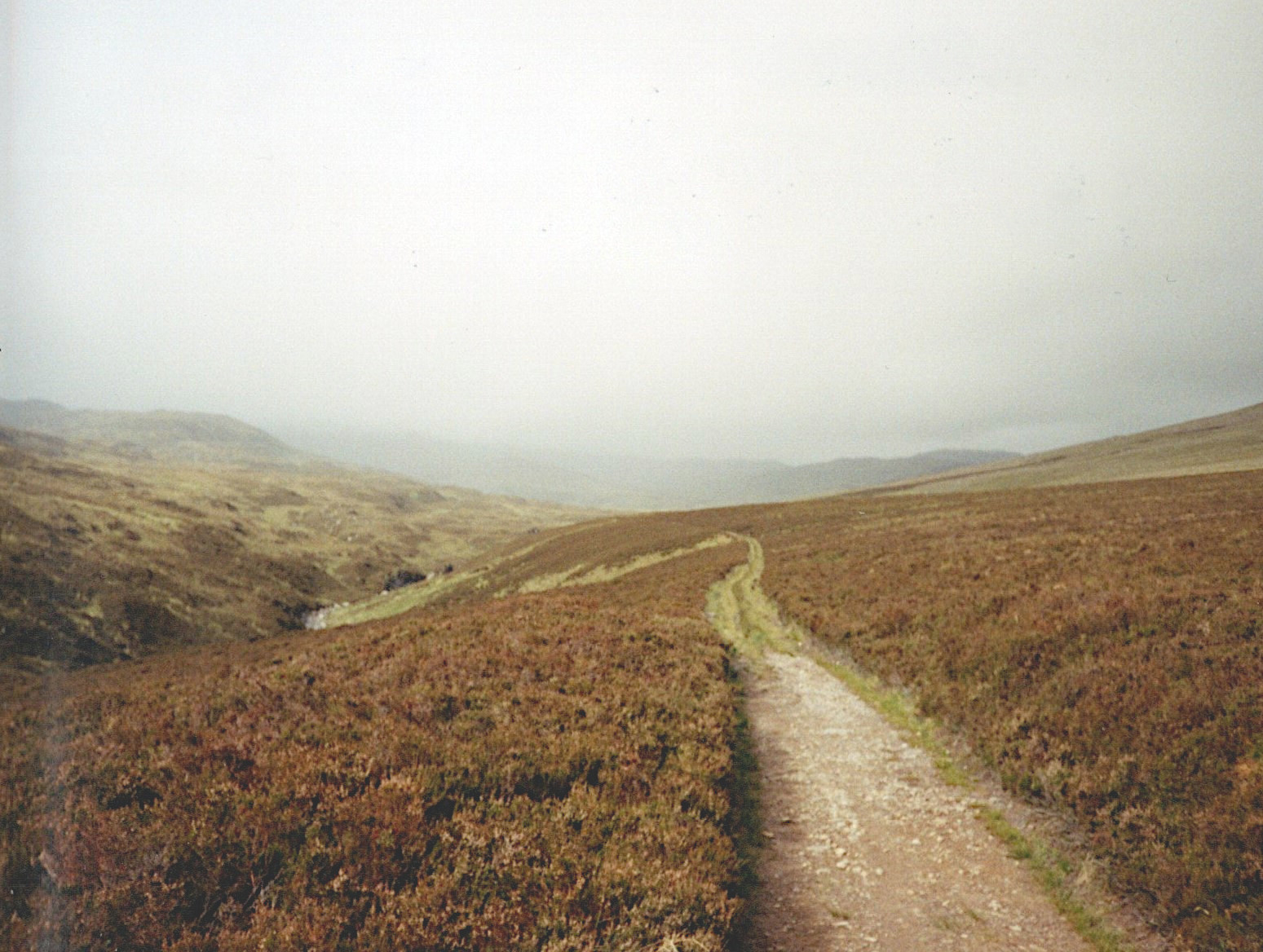
My wife often says I’m in touch with my inner vagabond. I’m taking that to mean that I enjoy walking, unless she’s referring to something else. My dress sense, for example. But yes, I love walking, especially long distance walking, but most of all I like to simply wander. There is a tremendous pleasure to be had by just setting off for a long walk without any particular destination in mind. Taking the more interesting-looking path as we go.

Of course, it’s not always possible to travel this way. We need to have some sort of destination in mind unless we’re prepared to just settle down to sleep wherever we find ourselves at nightfall. Usually we don’t have the time and the freedom to travel like this. Some people may also find it unnerving not to have board and lodging all planned in advance.

I’ve only done it occasionally, I must admit, but found it remarkably liberating when I did. There was no pressure to reach a particular destination by nightfall, I just had the freedom to wander along at my own pace until I felt I’d had enough for the day.

Even then, of course, some planning had to be done. Would I carry food or rely on reaching somewhere I could get a meal of some sorts? Would I carry shelter? Extra clothes?

But that is not exactly tramping, of course. It is just an exercise to be enjoyed (or otherwise) for a short period. It’s not a permanent lifestyle.

I’m sure that very few folk have deliberately chosen tramping as a lifestyle, but I’m aware there are some who have. This leads to the obvious question – why? I suppose all of us, at some time, wonder what is really important in life? Riches and property are, indeed, a burden in many ways, as well as conferring the obvious advantages in life. Some people just didn’t want that lifestyle. Some didn’t want the responsibilities of a settled life, with or without a family. There were always some folk who could just never settle anywhere for long. Most, though, would have ended up tramping through loss of employment and / or home.

Certainly I understand the difficulties of the tramping life, especially when one is no longer young. And I certainly wouldn’t want to be trying to survive as a homeless person in a city – rightly or wrongly, I think of tramping as a rural phenomenon. The whole point of it was to be on the move, rather than staying in one place. I doubt it would be possible today, with so many laws against that kind of lifestyle. There were, of course, laws against it in the past, too, but almost certainly much harder to enforce. I think, too, society is just ordered differently today. We think differently to how we did fifty or a hundred years ago. A tramp turning up at a farm today looking for a couple of hours work in return for a meal would get short shrift, and I can’t imagine any householder regarding one with anything other than hostility.

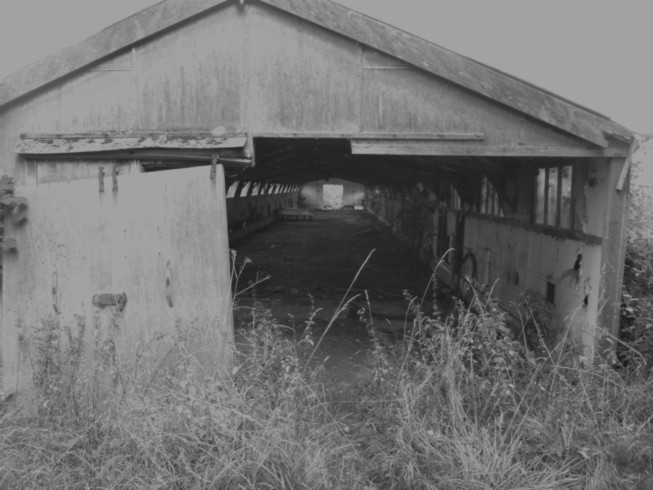
Again, I can’t imagine anyone choosing that lifestyle through the winter. But tramps used to learn of places they could settle for the winter, often carrying out odd jobs in return for permission to sleep in a shed or a barn and the odd meal. In this post I’m talking specifically about Britain, but I suspect it applies equally to hobos in America, swagmen in Australia, and possibly others I’m not aware of elsewhere.

And it would be unlikely to be a long life. But there were always some who chose it as a way of life rather than being forced into it by circumstances, and in another time I might possibly have been one of those.

In Praise of Idleness

Sometimes it’s good to speak of trivial things, to leave the grim and urgent decisions to languish for a while. It’s good to discuss the relative merits of one particular brand of baking powder over another, or whether that particular goal shouldn’t have been ruled offside. While these concerns may be dismissed as distractions, as though there were something inherently bad about that, I think I would prefer to praise them as distractions, a way of finding valuable breathing space amidst the crushing pressures of those important decisions we know we have to face. And although those decisions will still have to be made, and perhaps will become that little more pressing for our inaction, we can return to them refreshed, having found that tiny bit of extra strength and resolve through our inactivity.

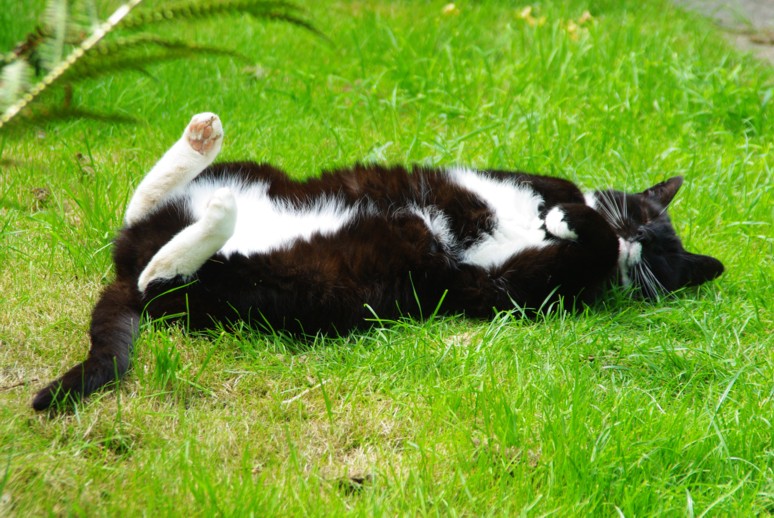
Sometimes it’s good, too, to pass some time in lethargy and sloth. To turn one’s back upon the umpteenth task that should be done, to join the Mole in The Wind in the Willows and throw one’s brush down upon the floor and exclaim ‘Bother!’ and ‘O blow!’ and ‘Hang spring-cleaning!’ and bolt outdoors and find the sun and end up lying in the grass listening to the birdsong.

Sometimes it’s good to refuse to enter into competition with the world, to refuse to join the race to become ‘The Best’ at everything we choose or are compelled to do. For what does it matter if we are not the best?

Sometimes it’s good to just say ‘No’.

I sometimes wonder whether it would be good to do this all the time.

Do It Tomorrow

IMGP2317

We have all been encouraged to think

That our time is so important.

Yet it is only when we become old,

And we have so much less of it left,

That we realise this is not the case.


We’ve been told we must save time,

Instead of using it and moving on.

How precious time is,

As if it were a commodity we might hoard

And use when we need it most.


Instead of squandering it on what makes us happy,

And filling it with unimportant things.


But I say, let what you’re doing fill your time.

If you’re washing up,

Then let your plates be the cleanest.

And if you’re looking at the winter sun on frosty leaves,

Well, let that be the best experience you have ever had.


Sometimes I have these flashes,

When I think I’ve understood something deep and profound.

And usually it means an evening drinking wine,

Or half an hour sitting on a sunlit hillside.

But I do wonder what we’re all so busy chasing.


And if you think this lesson worth remembering,

There’s no better time than now.


The (Shy And) Retiring Type…

A few days ago, I made the decision to retire from my present job.

It is something I have been brooding over for some while, and having a little time and space to think while I walked on Dartmoor last week enabled me to finally accept a decision I had really come to some time before.

013a

For a long time I have instructed groups in an outdoor environment, in activities such as climbing, canoeing, navigation and team building. As I have got older, though, I have naturally found these activities both physically and mentally more demanding. After all, when you are responsible for people’s safety as well as teaching them skills, there is an added pressure on everything you do.

A number of other stresses in my life over the last year or so have not helped, especially as they are still ongoing.

004a

So as well as a sense of regret, there is certainly a great feeling of relief. Regret, because I have had a huge amount of both pleasure and satisfaction from this work, which has carried me through those times when I felt it was becoming all too much, but relief that now it is time to call it a day, as I have reached the point where I know I cannot carry on for much longer.

I love being in an outdoor environment. It is why I choose to go to hills and woods and mountains rather than towns and cities, and this was instrumental in my deciding to teach these activities in the first place. But the obverse of that coin is that so often I am unable to really enjoy being there, since I am entirely focused on my group and the activities – which is how it should be, of course.

029a

One thing I shall look forward to, then, is being able to enjoy that environment every time I am there, without constantly having to check everyone is safe, or ensuring the activities are taking place as they should be.

While I intend to bring a greater focus to my writing, and also to my painting, I will also have to find something to bring in a little money for the next couple of years until I reach the state retirement age. I’ve no idea what that will be, yet.

126a

Essentially, I just feel burnt out. It is a very intensive job, in the way that care work, for example, can be, and I know it is the right time to go. Otherwise, there is the risk I will begin to run sessions that no one will want to take part in.

And that’s not the way I want it to finish. Far better that people should ask why I am going, than they should ask why I have not gone before now.