A Day in Ladakh (2)

I’ve posted (and re-posted) a few times over the years about my trip to Ladakh in 2005. So here’s another extract from my journal for one of the days I spent there.

For those not in the know, Ladakh is high in the Indian Himalaya to the west of Tibet, with which it shares many characteristics, not only of geography but also the ethnic makeup of its people. In fact, since the Chinese invasion of Tibet, it is frequently said that Ladakh is more Tibetan than Tibet. The climate is not dissimilar, either, and although I visited in April that is still well before the main tourist season, and I don’t recall seeing any other tourists during my stay there.

Sunday 10th April 2005

I slept well. No alarms during the night! (I had had a very bad headache the previous night which I put down to altitude sickness) Then up at 6.30 to a fresh snowfall – just a sprinkling of powder on the ground. The skies are clear, though, and the Stok Mountains look wonderful in the sunshine. In fact, they’re going to get photographed right now.
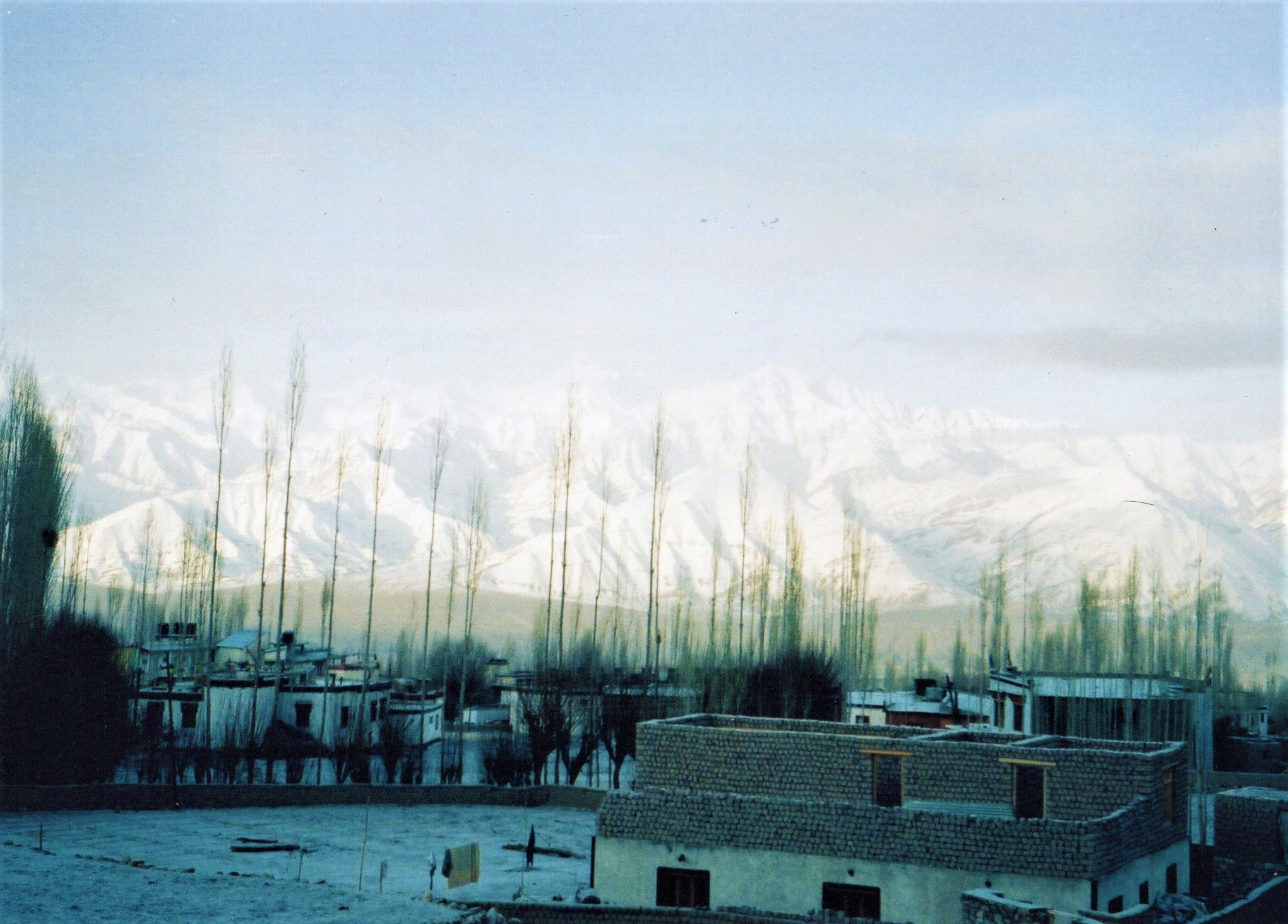
I go out for breakfast and it’s quite mild. Soon last night’s snow has already gone. A few shops are slowly opening – no internet as yet, but I’ll mooch this morning. I’m sure that I can find something.

To use the internet, I need to find a place that is both open and with a generator. This looks as though it might take some time! Never mind, I’ve got a woollen scarf from the Ladakhi Women’s co-op, so a good start to the day.

As well as the scarf I also bought a bag of the dried apricots (organic, ‘solar-dried‘) Ladakh is famous for, and at last a singing bowl. I’m sure I paid more than necessary, but he came down RS 200/-, so what the heck. I think we were both happy with the deal. And it’s a nicer one than any I saw in Bodhgaya.

After a Ladakhi lunch of apricots, apple juice and water, – not that I suppose for one moment that is what a Ladakhi might have for lunch, only that it is all locally produced – I headed north past the Shanti Stupa towards the first line of hills. Reached there at 1.15pm and stopped there for a breather. Silence, apart from the pounding of the blood in my head. Absolute silence. After a few minutes the call of the muezzin drifts up from Leh, from the Jama Masjid. Then a few bird calls from the crags. Perfect peace. A perfect desert landscape, with pockets of snow. I’m sitting on a boulder, warmed by the sun, my feet in patches of fresh snow.

1.50 and I am at the col. A lot higher than the fort at Namgyal Tsemo Gompa, with a fantastic view north up the valley towards the Kardang-la.

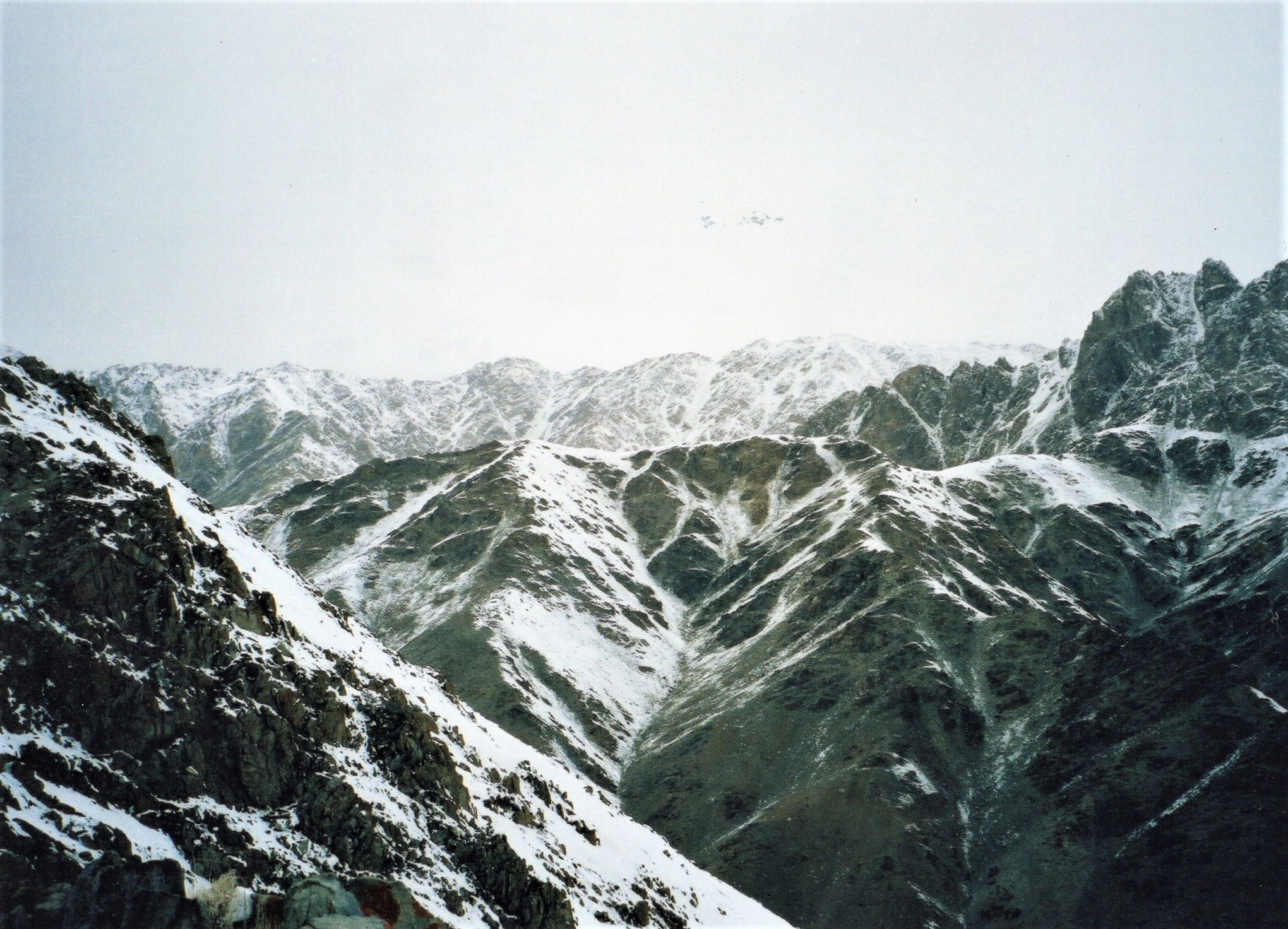
2.45 and I am at what appears to be the highest point. There is another peak some way to the west, but this one has a cairn, walls and prayer flags, so I’m taking it to be the highest. At a rough guess, I’ve climbed about seven to eight hundred metres. The views are out of this world. More side valleys to the north and I’m up in the snow here. On the northern sides it is quite thick and I am feeling quite light-headed. It was worth coming to Ladakh just for this alone! Stunning!
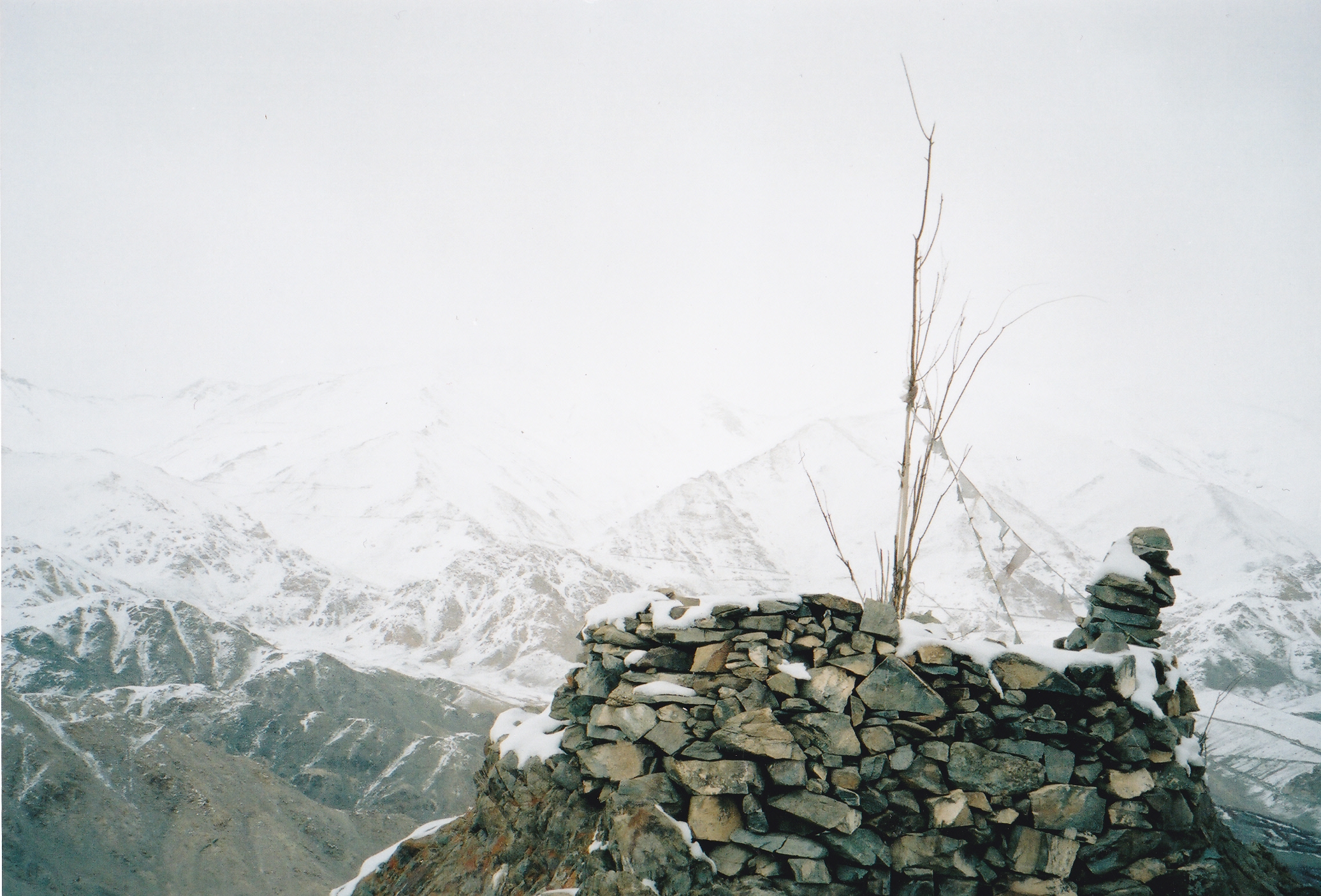
Very reluctant to start heading down, but a few flakes of snow convince me that it’s time to go.

Down to the road just before 4.00, then head up the road to have a look at what appears to be a half reconstructed fort. When I get there, there is nothing to indicate what it is, just a sign warning people that it is of historic interest, so don’t go knocking it over. I guess that it might be Tisseru Stupa, although it does not really look that much like a stupa to me.
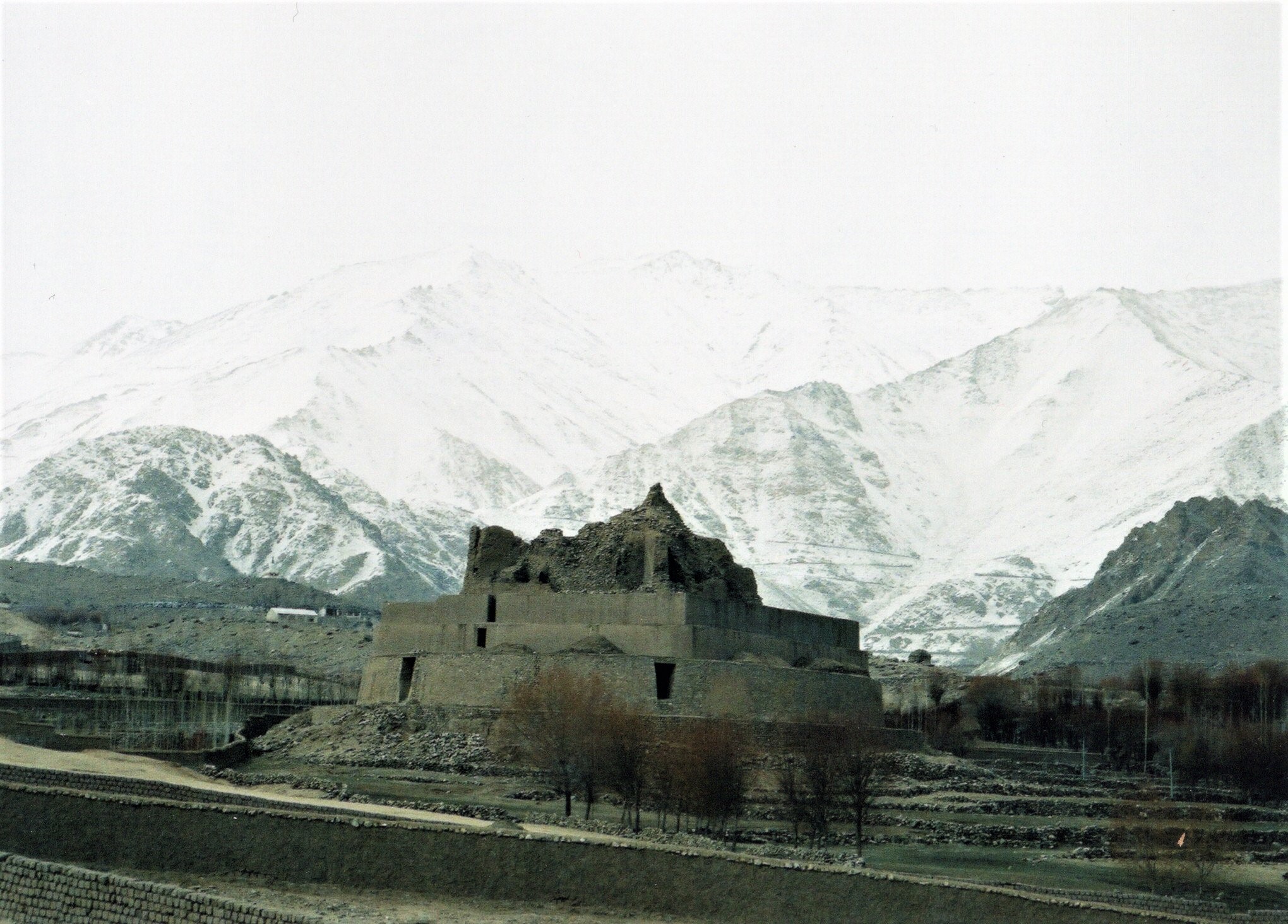
I then head back to the guesthouse, feeling a bit weary. Wander out into town and end up eating thukpa in a Tibetan restaurant.

Back again for the evening. It’s getting cold!

Looking at my map, there is a peak a couple of kilometres north of Leh, marked at 4150m. It’s in the right place and is about the right height, so I’m bagging it.
Ladakh (2)

Long ago in the misty depths of time – that’s last year, actually, I posted a piece about Ladakh (you can find it here if you’d like to read it.)

This, then, is another mixture of photographs and entries from my journal of my 2005 trip to India, which included a couple of weeks spent in Ladakh. I went comparatively early in the year, when the nights are still extremely cold and very few visitors have made their way up from the plains.

 Just the way I like it!

Ladakh is high. If you fly in from Delhi (the only way to enter Ladakh for 8 months of the year), you travel from around sea level to 3500m in no time at all. Ladakh means ‘The Land of High Passes’, and is aptly named. Leh, the capital, at 3500m, is one of the lower areas of Ladakh. It’s all uphill from there. Winters are incredibly harsh and the summer growing season brief, yet the Ladakhis traditionally are self-sufficient in everything they need – food, clothing and shelter – and have only recently collided with the western consumer society. In contrast with most of the rest of India, the religion and culture of the majority of the people there is Tibetan Buddhism.

IMG_0007

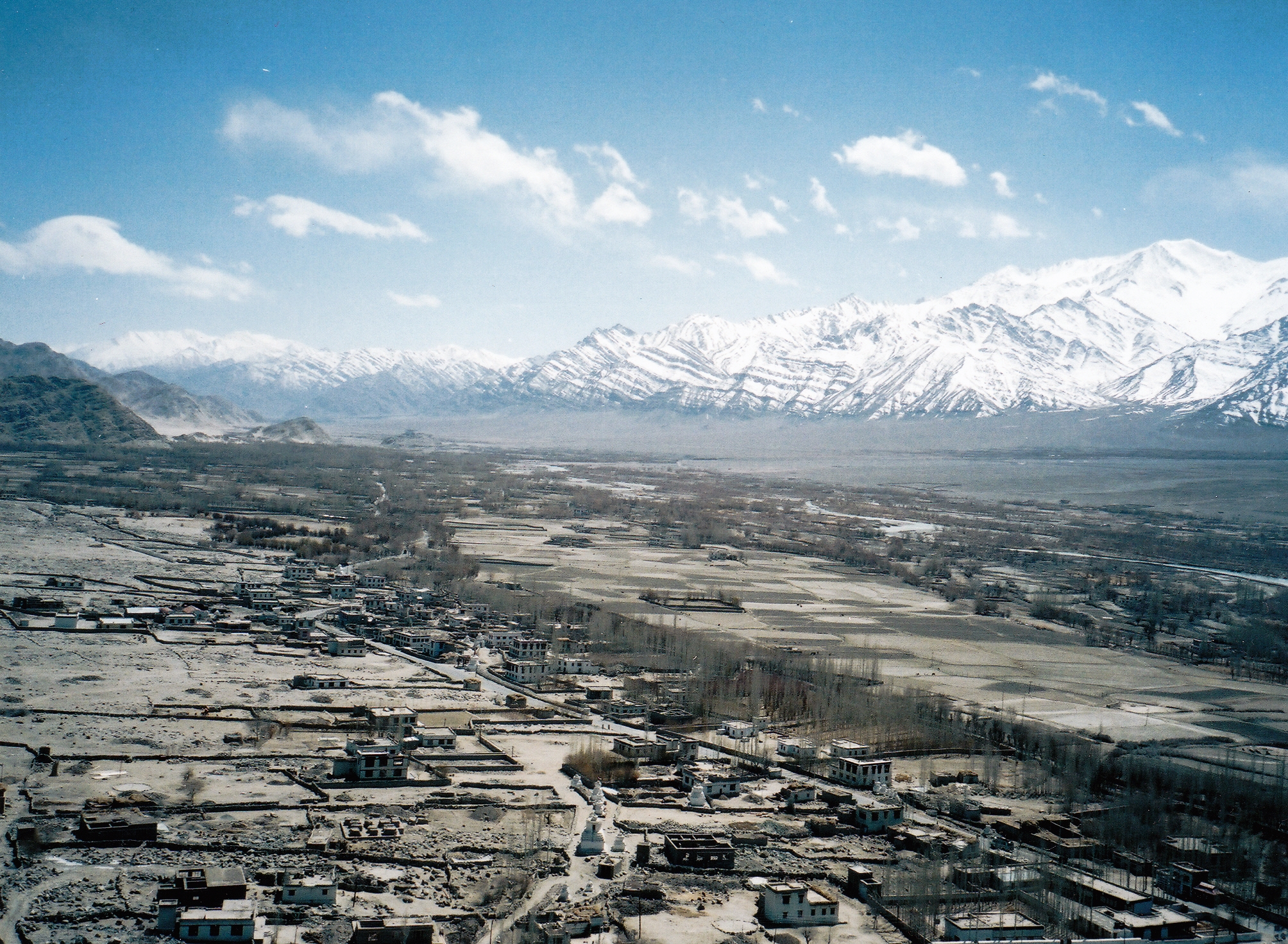
The Roof of the World – View across the Indus valley at 3500m, Thikse, Ladakh.

 Friday 8th April 2005

I’m in Ladakh and, hey, wow!

At the airport for 4.30am, to find the flight postponed until 8am, due to weather conditions. It all looked ominous, but just after 7am we were told to check in and after numerous baggage checks, body checks, baggage identifications, etc, we were away at 8.30.

I’ve heard the flight described as one of the most spectacular in the world. I’ve also heard it described as jaw-dropping. I can imagine that it could be bowel-dropping. As we approached the Himalaya, clouds steadily built up and we flew through with tantalising glimpses of great snow-covered ranges below, through the occasional gaps in the cloud. After a while the turbulence built up and we were buffeted quite considerably. Then as we began to near Leh, we slowly lost height, the turbulence increased and we got more views of peaks at under-carriage height. Once we had dropped out of the clouds and the whole valley lay spread into the distance surrounded by snow-swept mountains, it was indeed jaw-dropping.

Then into land after three slow circles around the airstrip. The outside temperature was 2C, we were told, but it certainly didn’t seem that cold.

Once we’d gone through the formalities of registration and baggage reclaim with the refreshingly friendly ground staff, I walked out into the front of the airport and found a taxi. Yousef charged me RS 100/- to go to my choice of guesthouse (The Ti-Sei) and left me his mobile number. He also gave me all the usual (sensible) advice about taking it easy for a day or so.

I’m now sitting in a splendid light and airy room, looking out across the vegetable garden (covered in this morning’s snowstorm) to lines of bare poplars, traditional houses and some splendid mountains, also covered in snow.

 IMG_0025

Cairn at top of mountain north of Leh.

After a Ladakhi lunch of apricots, apple juice and water, headed north past the Shanti Stupa towards the first line of hills. Reached there at 1.15pm and stopped there for a breather. Silence. Apart from the pounding of the blood in my head. Absolute silence. After a few minutes the call of the muezzin drifts up from Leh, from the Jama Masjid. Then a few bird calls from the crags. Perfect peace. A perfect desert landscape, with pockets of snow. I’m sitting on a boulder, warmed by the sun, my feet in patches of fresh snow.

 IMG_0004

Gompa just below Leh Palace, Leh, ladakh.

leh street

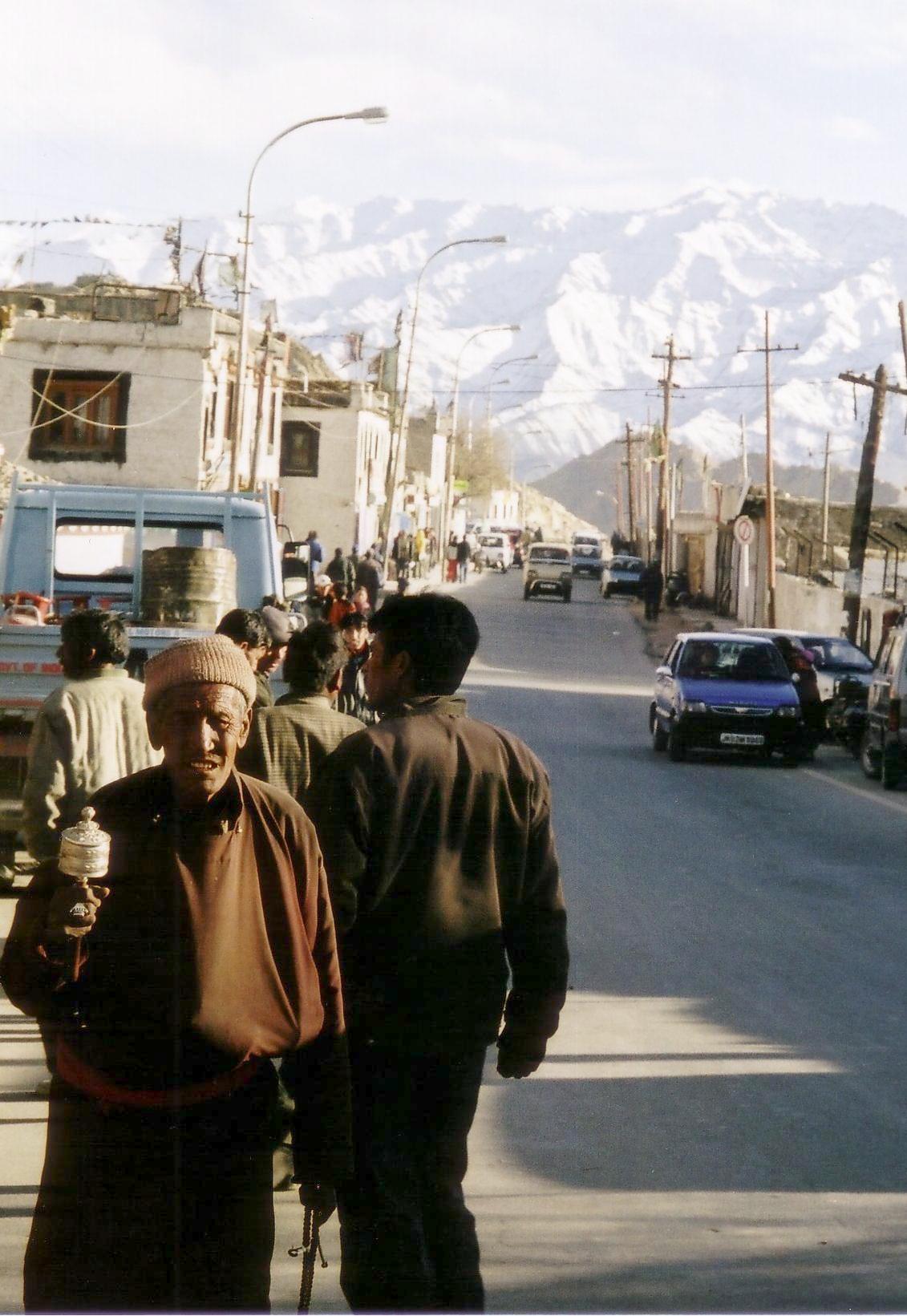
Man spinning prayer wheel, Leh. To Ladakhis, their religion is not somehow separate from their daily life, but an essential part of it.

 IMG_0001

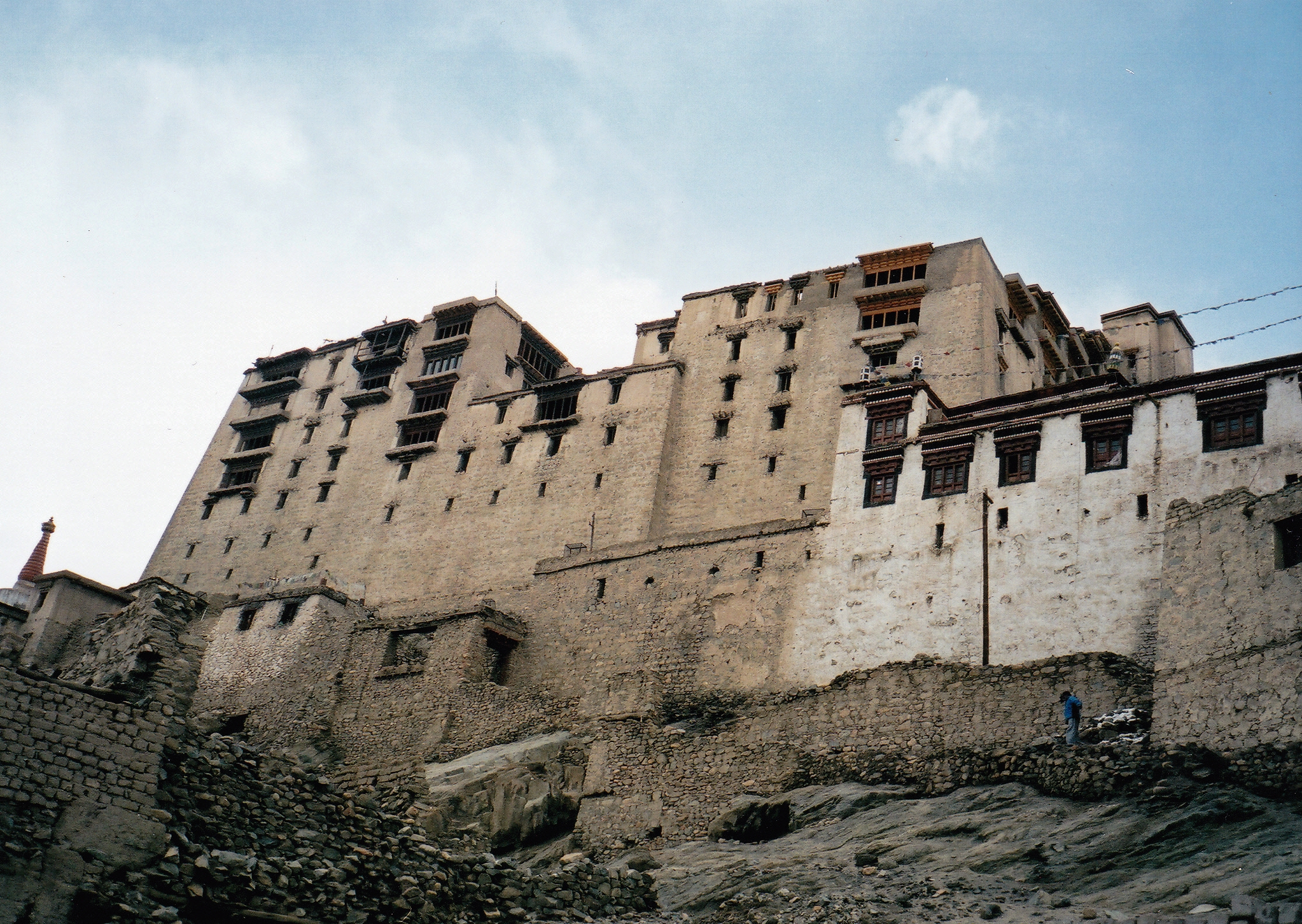
Leh Palace. Very similar to the Potala in Lhasa, although smaller, this was the home of Ladakh’s royal family from the 17th century, when it was built, until the mid 19th century when they moved to the palace at Stok, on the other side of the Indus Valley, as a result of an invasion by Kashmiri forces.

IMG_0005

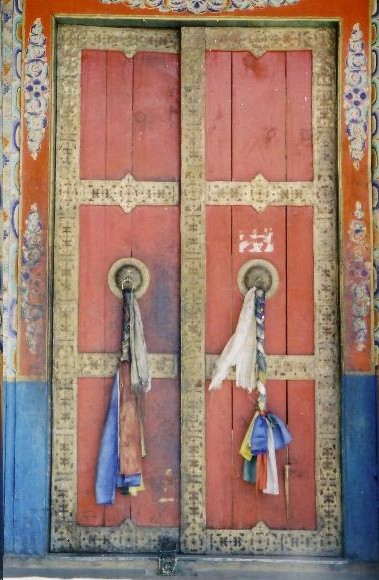
Gateway to Gompa at Leh Palace.

IMG_0024a

Old buildings on the outskirts of Leh, ladakh. Traditional Ladakhi buildings closely resemble those of Tibet. In fact, there are so many similarities between the two areas, that Ladakh is often referred to as ‘Little Tibet’.

                                                              Untitled-TrueColor-03

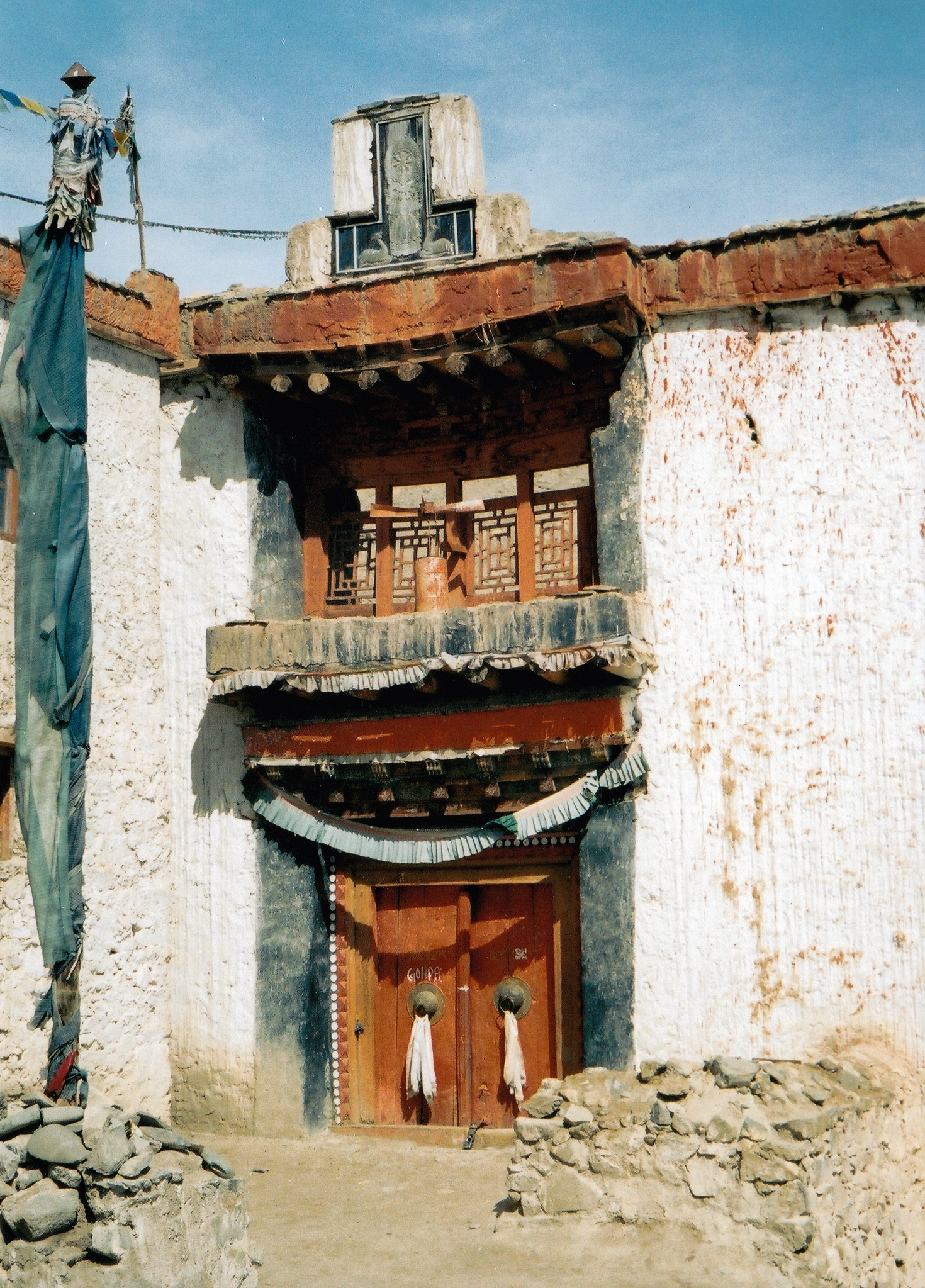
Temple Door at the Monastery at Thikse, Ladakh.


IMG_0008

Statue of Maitreya, the Future Buddha, at Thikse Gompa. This statue, 2 stories high (15 metres) in it’s own temple was completed in 1981.