Yesterday’s Walk

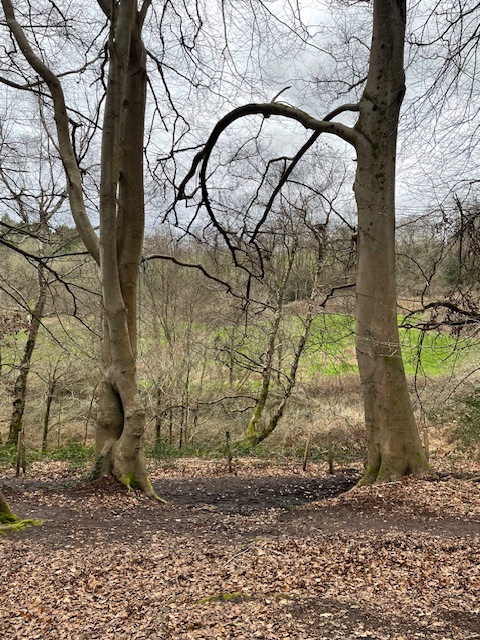
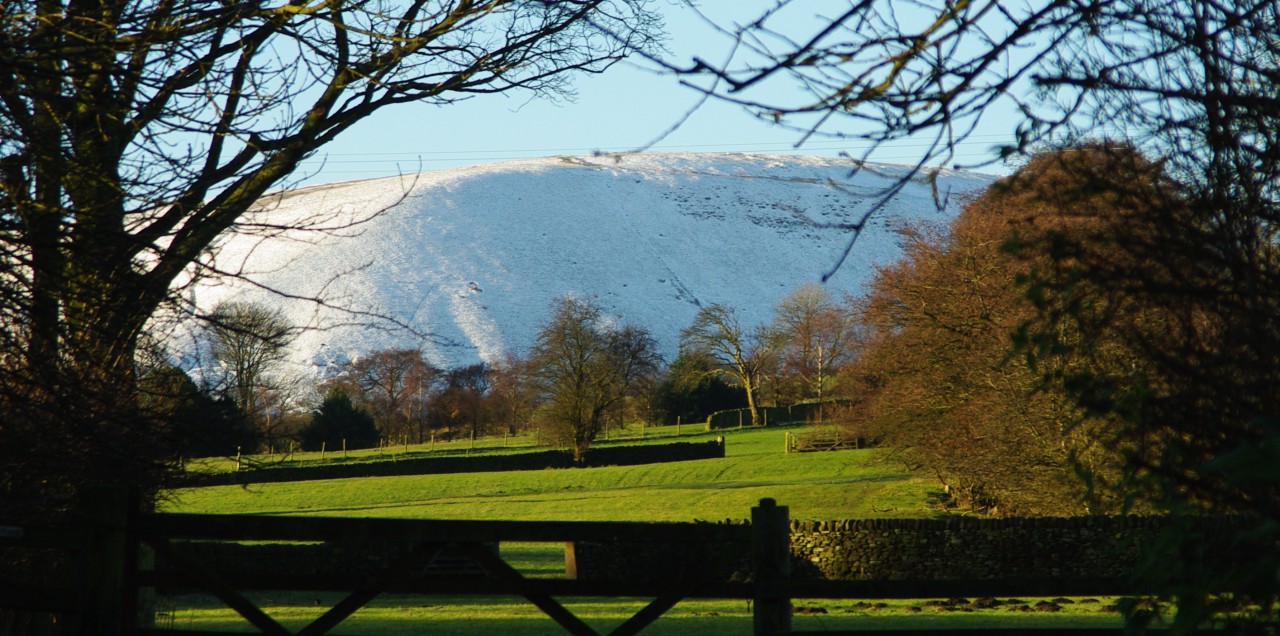
We’ve had rain recently, and everywhere was muddy again. Much more like I would expect February to be. The ground had dried out quite a lot over January, but the soil was still saturated just beneath the surface and it doesn’t take much for it to turn back to thick, claggy, mud. But the weather was better than had been forecast; and as I set out the sun was glinting on the stubble fields and in the shadows there was just the faintest blue hint of frost. It felt so Spring-like. Everything was suddenly green and growing.

Soon, I was much too warm in all my layers. Mornings like this inevitably remind me of other favourite walks; long walks on sunny, clear days. I walked through a valley which was filled with birdsong – blackbirds, robins, blue tits, the demented cackle of a green woodpecker, and the determined drumming of a greater spotted one. In the future I will probably take walks that remind me of this one.

I must sometimes be a frustrating person to walk with – I like to stop frequently and just look around me. Absorb the landscape. The air smells fresh, now, but without the over-sharp coldness that stings the nostrils. Even though it is too early to smell flowers in the air, there is something on the breeze…Something evocative, much like the scent of woodsmoke causes me to instantly think of trekking in Nepal, or campfires closer to home in Sussex.

Suddenly there is a kestrel overhead…I never seem to get those shots of foxes or buzzards and don’t know whether I’m just too slow or if everyone else just walks along with their cameras in their hands, ready to take that photo.

At least flowers and trees tend to keep still. I do find my camera can be an unwanted distraction, though. If I am walking along looking for something to photograph, I feel I’m not really seeing the landscape around me. I’m just searching for a subject. For that reason, I often don’t take a camera with me on walks.

The first peacock, in fact the first butterfly of any kind I’ve seen this year. But talking of green woodpeckers and kestrels, I think there is a case for replacing all their somewhat dull modern names with the ones they used to have in the past: the green woodpecker was the yaffle, named for its wonderful manic call, the kestrel used to be called the windhover – how wonderful is that? And in the seventeenth century it was actually commonly known as the windf*cker. Perhaps the prudish Victorians banished that name the same as they changed the perfectly named white arse to the bland (and meaningless) wheatear.

I think we should reclaim the names; they add extra interest to a long walk.

A Little Piece Of Wilderness

I went for a walk yesterday, in search of wilderness.

Although we live on the edge of a small town, surrounded by gentle countryside, I still contrive to find some wilderness. It takes me about ten minutes to leave the streets and houses behind, and then I slow my pace and feel myself relax. Tensions drop away as soon as I am surrounded by trees.

There is little wilderness to be had where I walk, yet that does not mean there is none.

Hedgerows can be corridors of wilderness. Perhaps a transient wilderness, but a wilderness all the same. Many hedgerows in the British Isles are hundreds of years old, and although each individual one may be comparatively small, places within them may have been undisturbed for most of that time and during that time many species of plants have flourished there and smaller creatures made their homes.

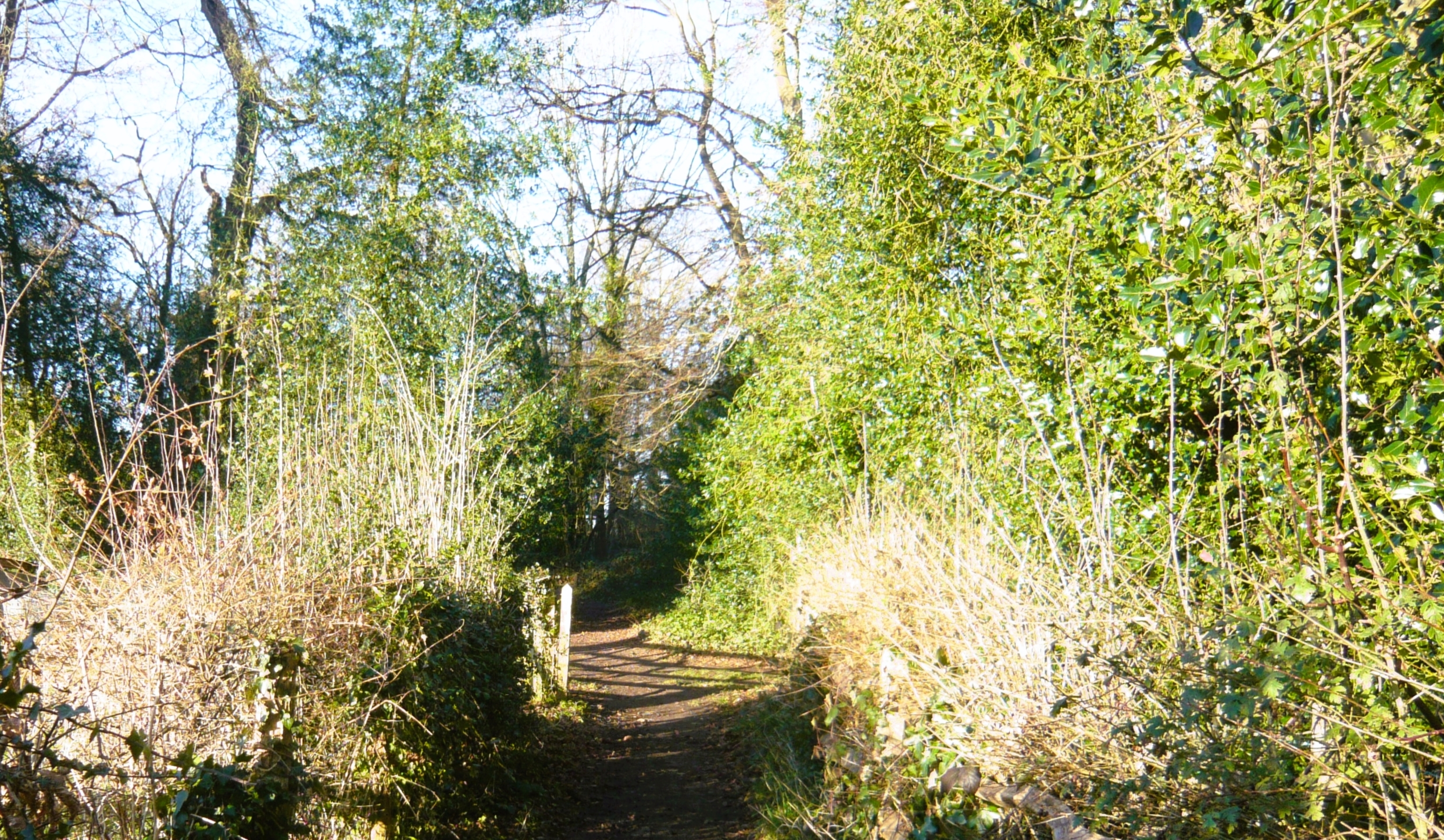
My path goes through a thin belt of woodland, too open to be classed as a hedgerow and too open to have private, wild, places, but once I emerge into the daylight again, there is a hedgerow alongside the path. And for a short distance, the hedgerow widens several feet, and becomes a true wilderness.

002

Here, a patch of elder, sycamore and ash trees are surrounded by a dense undergrowth of brambles, interspersed with patches of nettles, a couple of holly bushes, and a few smaller plants squeezing into the daylight where they can.

It is the home of flies and spiders and beetles, visited while I am there by blue tits, magpies and some smaller birds I cannot identify.

Deep within it, there will be mice and shrews, and very likely larger mammals making their homes.

It is impenetrable by anyone without hacking their way in, and fortunately there is no incentive for anyone to do that.

It is wild, and I love that it is there.