Where Do The Dead Go?

I know. It’s been a while.

I’ve been thinking about how I publish my poetry and stories, and concluded that the simple way is the best way. I don’t wish to spend a lot of time and money submitting them to competitions and magazines, putting them to one side where they may end up forgotten or just unpublished while I decide to submit them ‘just one more time.’ I’m not interested in putting a lot of time and energy into chasing the best deal or the most prestigious publications.

The whole purpose of writing is firstly for myself, and secondly because (naturally) I’d like to be read. It doesn’t have to be a large audience, I’m quite chuffed when anyone let’s me know they’ve read something of mine and enjoyed it. In which case I might as well just write some more zines and publish work on this blog. It feels like far less pressure. And the novel I’ve finished (Long Shadows) and which is still being edited I might submit to an agent or two, but I’ve no intention of spending months and years trying. If I’ve no luck I will quite quickly just self-publish it.

Anyway, putting my writing where my mouth is, here’s a poem.

Just Look at Ghat!

Ouch! Probably my worst title yet!

I can’t help it…I’ve not been well…

…well, only a cold, but you know what we men are like.

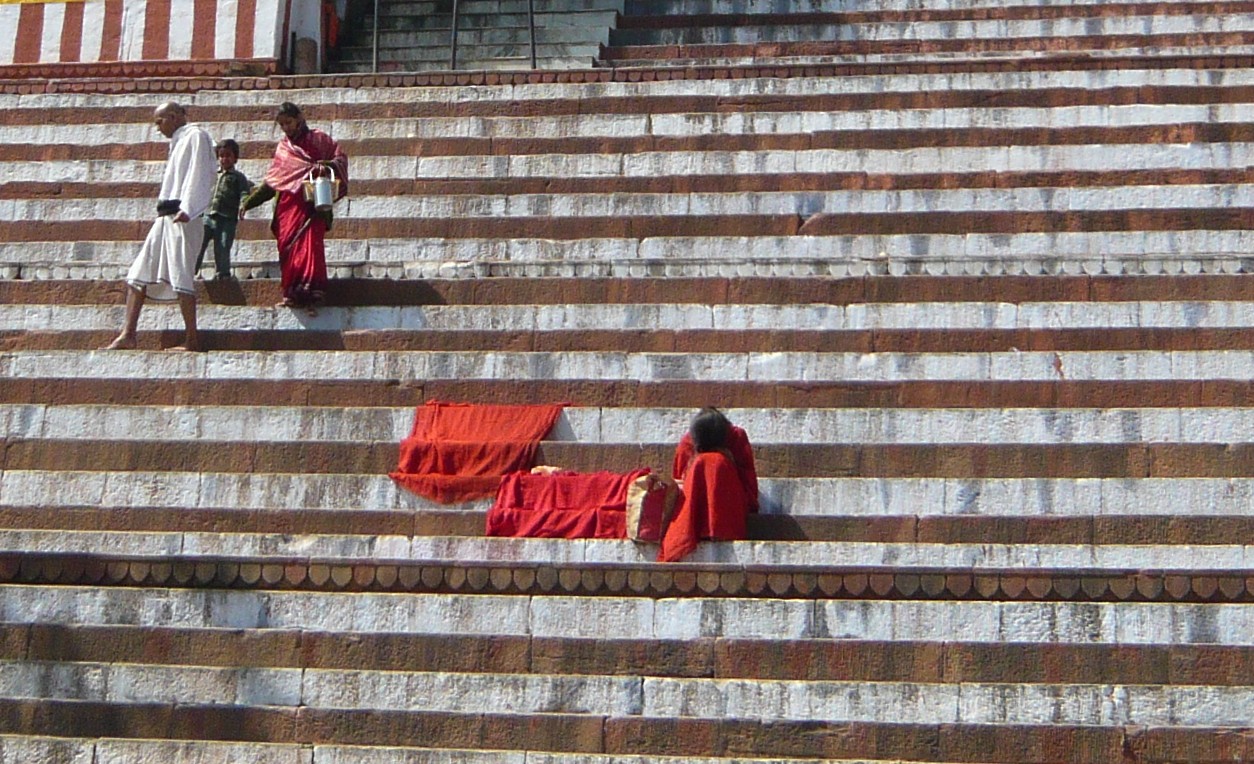
In another attempt to feel instantly better, I’ve nipped across to North India (only in my imagination, unfortunately), to picture Kedar Ghat, on the banks of the Ganges, in Varanasi.

056a

Ghats, a Hindi word, are sets of steps leading down to a river (and also mountain ranges or passes – The eastern and Western Ghats in Central India). It has also come to mean a level place at the edge of a river where Hindus cremate their dead.

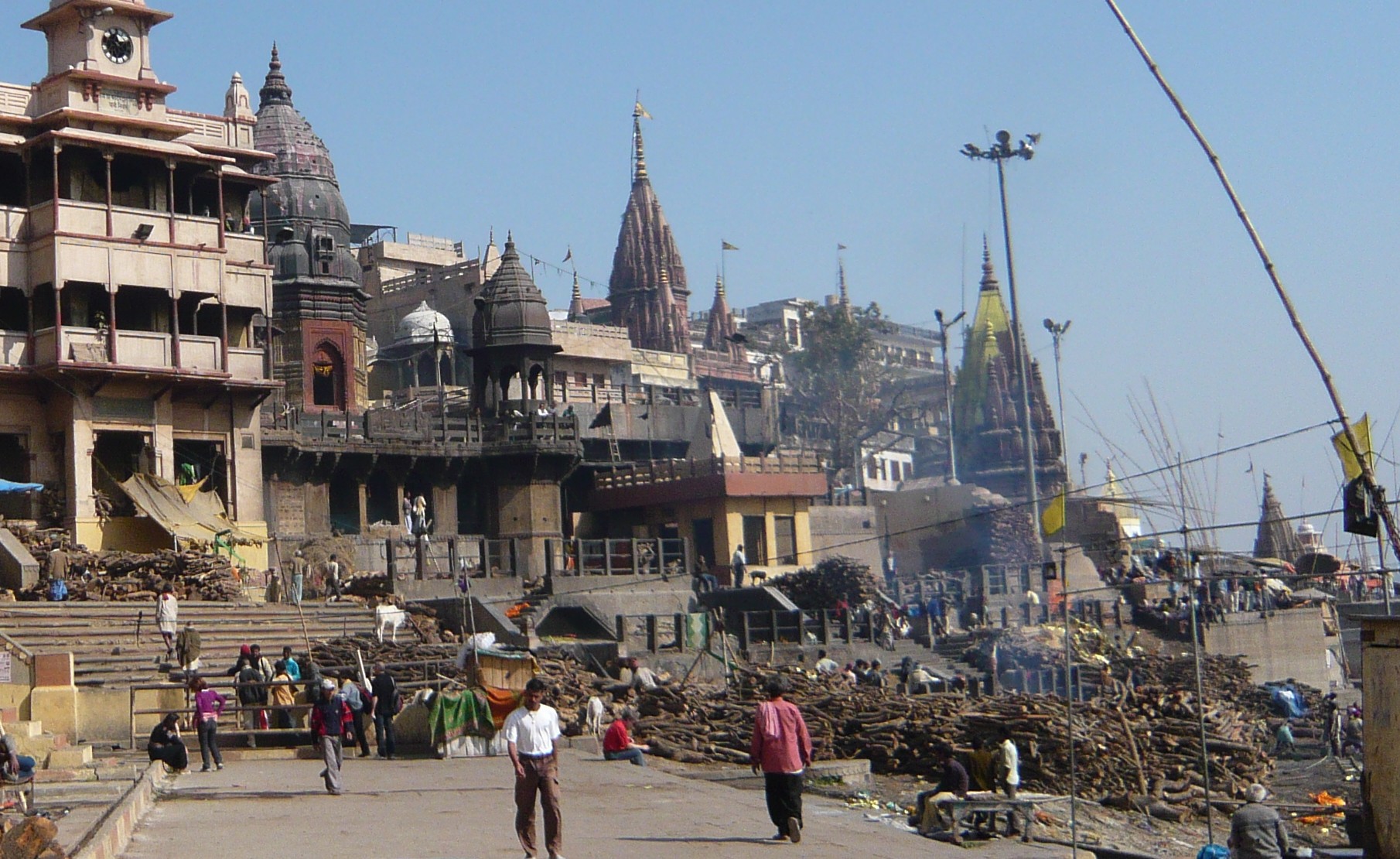
In Varanasi, there are between 84 and 87 ghats, depending upon who you get this information from,. The Manikarnika Ghat, or Ghats (possibly this is the origin of the confusion over the number) is the ‘burning ghat’, where cremations are carried out 24 hours a day, all through the year. The source fire there has supposedly been burning for thousands of years, but photography is actively discouraged, hence my only shot is one taken from a distance.

046a

Of course, the ghats are also used for bathing. Hindus bathe en masse there, as a dip in the Ganges is meant to wash away sins. Important pujas (ceremonies) take place at sunrise and sunset. Boat trips to view the ghats are very popular, and finally much of the city’s laundry gets done at the dhobi ghats (dhobi meaning laundry).

040a

Namaste!