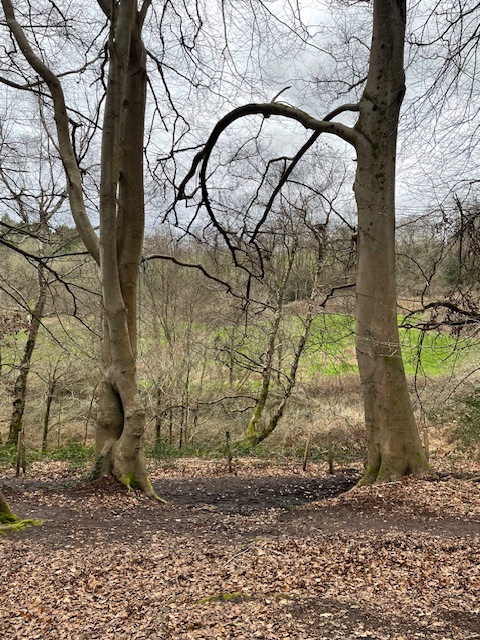
I’ve not done any writing, recently. Partly, it’s family issues keeping me busy, and partly a, well, disinclination to do any writing at the moment. But I’ve been walking and reading, when I’ve had the time, and had the occasional beer with friends. This afternoon I took a walk through the woods nearby. They’re nothing special, in the sense that there are many other patches of woodland like them, although they’re all special, really. I just enjoyed being there.
But having said I’ve been disinclined to write, I’m looking forward to getting stuck into writing a new novel shortly. Don’t get too excited, though, if the last one is anything to go by it’ll be ten years before it’s finished. But there will be trees and darkness, a bit of the occult, and who knows what else. A hero, I suppose. I guess there has to be one of those. Or maybe a heroine instead.
We’ll see. I’m hoping the walking and reading and beer will inspire me.
Nothing special…
At certain times of the day the woods are quiet, the dog walkers back home, and that’s when I prefer to go out.
There was plenty of birdsong, lots of birds out. Nothing special, but again they’re all special. Blackbirds, robins, blue tits, a raven…I walk past the portal to a nether world – I always speed up a bit here – then head towards the stream. I have no aim other than to eventually return home.
And as the German poet Novalis said, we are always going home.
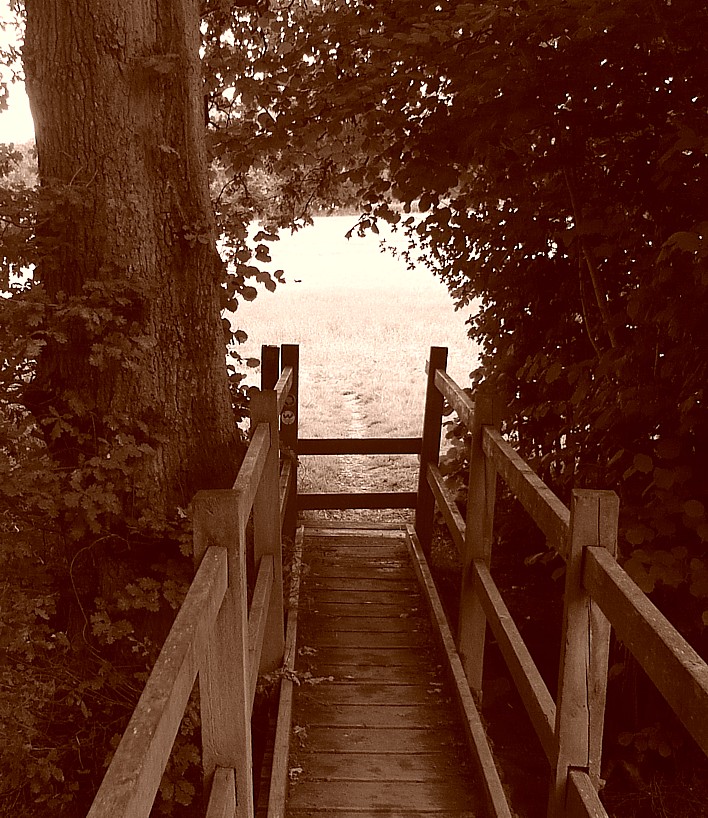
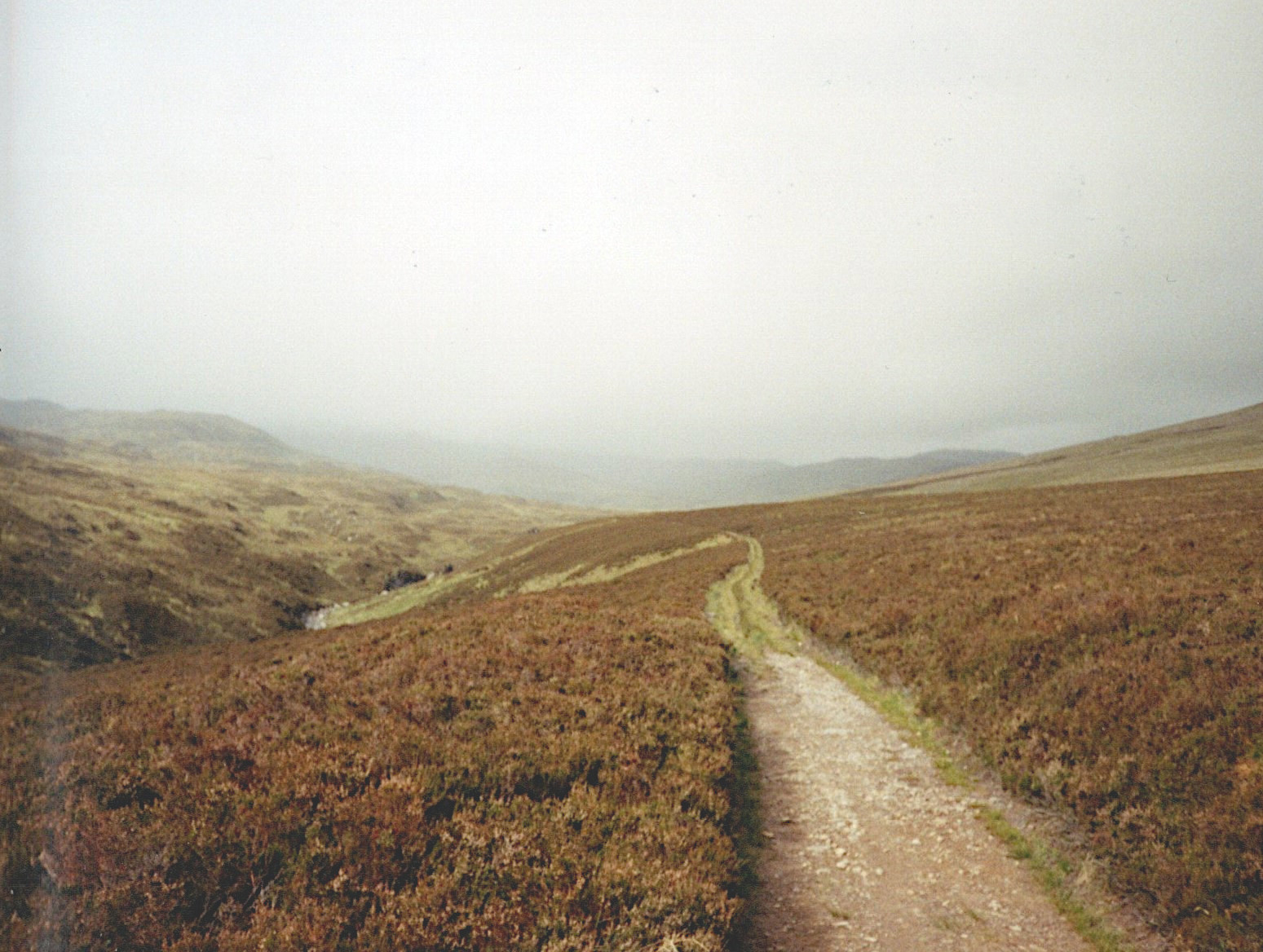
My wife often says I’m in touch with my inner vagabond. I’m taking that to mean that I enjoy walking, unless she’s referring to something else. My dress sense, for example. But yes, I love walking, especially long distance walking, but most of all I like to simply wander. There is a tremendous pleasure to be had by just setting off for a long walk without any particular destination in mind. Taking the more interesting-looking path as we go.
Of course, it’s not always possible to travel this way. We need to have some sort of destination in mind unless we’re prepared to just settle down to sleep wherever we find ourselves at nightfall. Usually we don’t have the time and the freedom to travel like this. Some people may also find it unnerving not to have board and lodging all planned in advance.
I’ve only done it occasionally, I must admit, but found it remarkably liberating when I did. There was no pressure to reach a particular destination by nightfall, I just had the freedom to wander along at my own pace until I felt I’d had enough for the day.
Even then, of course, some planning had to be done. Would I carry food or rely on reaching somewhere I could get a meal of some sorts? Would I carry shelter? Extra clothes?
But that is not exactly tramping, of course. It is just an exercise to be enjoyed (or otherwise) for a short period. It’s not a permanent lifestyle.
I’m sure that very few folk have deliberately chosen tramping as a lifestyle, but I’m aware there are some who have. This leads to the obvious question – why? I suppose all of us, at some time, wonder what is really important in life? Riches and property are, indeed, a burden in many ways, as well as conferring the obvious advantages in life. Some people just didn’t want that lifestyle. Some didn’t want the responsibilities of a settled life, with or without a family. There were always some folk who could just never settle anywhere for long. Most, though, would have ended up tramping through loss of employment and / or home.
Certainly I understand the difficulties of the tramping life, especially when one is no longer young. And I certainly wouldn’t want to be trying to survive as a homeless person in a city – rightly or wrongly, I think of tramping as a rural phenomenon. The whole point of it was to be on the move, rather than staying in one place. I doubt it would be possible today, with so many laws against that kind of lifestyle. There were, of course, laws against it in the past, too, but almost certainly much harder to enforce. I think, too, society is just ordered differently today. We think differently to how we did fifty or a hundred years ago. A tramp turning up at a farm today looking for a couple of hours work in return for a meal would get short shrift, and I can’t imagine any householder regarding one with anything other than hostility.
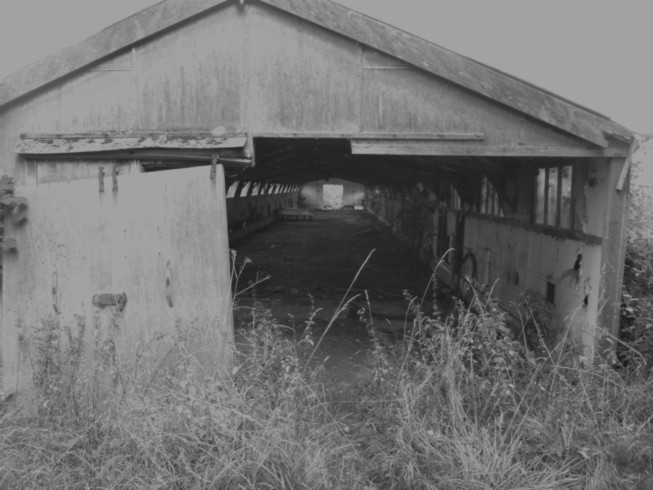
Again, I can’t imagine anyone choosing that lifestyle through the winter. But tramps used to learn of places they could settle for the winter, often carrying out odd jobs in return for permission to sleep in a shed or a barn and the odd meal. In this post I’m talking specifically about Britain, but I suspect it applies equally to hobos in America, swagmen in Australia, and possibly others I’m not aware of elsewhere.
And it would be unlikely to be a long life. But there were always some who chose it as a way of life rather than being forced into it by circumstances, and in another time I might possibly have been one of those.
I posted this poem a year or so ago, and I think it bears re-posting again now. In fact, I think I should post it repeatedly every year until everybody understands the situation most of these people find themselves in through no fault of their own.



 Mick Canning