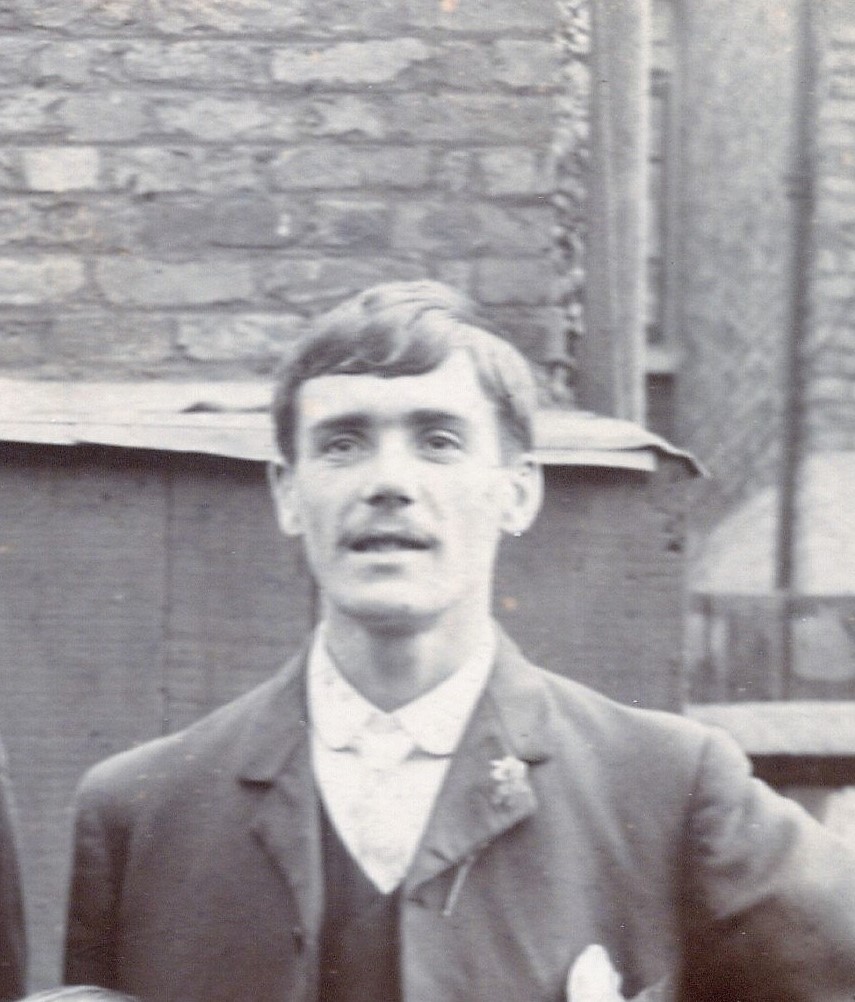
My Great Grandfather moved from rural Hampshire to London sometime in the late 1870’s, during the course of which he changed his surname first from Prater to Cannon, and then to Canning. We don’t know the reason why, but I suspect a family rift of some sort. Whatever the reason, from that point onwards our family were Cannings, rather than Praters.
Great Grandad pictured in 1904 in East Ham, London.
So really, my name should be Mick Prater.
But it isn’t.
Does it matter? In any way at all?
Of course it doesn’t.
And this, I think, illustrates the absurdity of those – primarily men – who think it is of paramount importance that the family name is continued. I know this supposedly gives a kind of spurious immortality to family members but, really, it’s a nonsense.
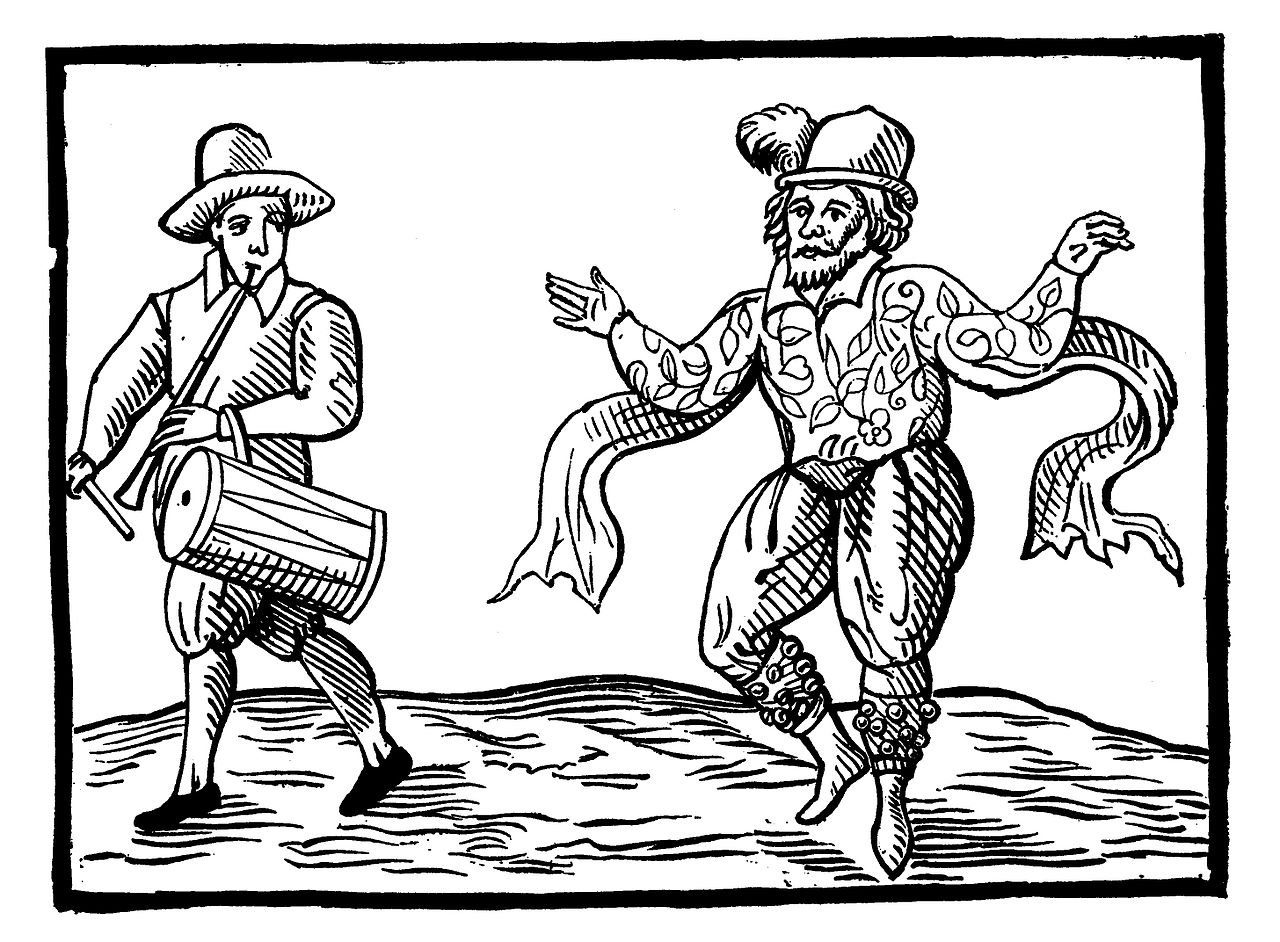
In February 1600 Will Kemp Morris-danced his way from London to Norwich, a distance of approximately a hundred miles.
Kemp (or Kempe), born around 1560 and died, probably of the plague. in 1603, was an actor, dancer and all-round clown. A member of Shakespeare’s company, Chamberlain’s Men, he regularly played the role of the clown in Shakespeare’s plays. He undertook his famous dance after some sort of disagreement within Shakespeare’s company as a result of which Kemp took his shares and left. Although we don’t know what form this disagreement took, it is widely assumed Kemp was very much a scene-stealer who was apt to improvise during a performance – possibly Shakespeare was alluding to Kemp when he has Hamlet declare ‘let those that play your clowns speak no more than is set down for them’. Kemp also had a tendency to dance jigs at the end of a performance that critics declared ruined the mood of a tragic performance.
Afterwards he described his dance as a ‘nine daies wonder’ in a booklet he published, although it actually took him twenty eight days to accomplish as he rested up for a while between each day dancing,
By the time he had joined Chamberlain’s Men, he was already famous for his acting and dancing. He had toured the Low Countries (now referred to as Benelux) and Denmark 1585-86 as a performer with the Earl of Leicester’s Men, performed frequently as a solo dancer and actor – usually performing clownish parts – and his improvised jigs were renowned for being frequently both ridiculous and lewd, which might go some way to explaining the rift with Shakespeare’s company, who by then were attempting to attract a more refined audience.
The dance from London to Norwich was performed as a publicity stunt and also as a way for Kemp to raise money by betting on himself to complete the journey. He was accompanied by a Thomas Slye, who played both the tabor (a small drum) and a fife to accompany the dance steps, and George Spratt who acted as overseer to the spectacle. Kemp wore a feathered cap, a slashed doublet with streamers attached to the shoulders, slashed breeches, and with clusters of jingle bells around his ankles and calves. A large crowd assembled to watch him set off from London at seven in the morning on February 10th 1600, and he continued to attract great crowds the length of his journey, which he completed on March 9th. He wrote the booklet later, as a riposte to those who doubted he had completed the journey.
This isn’t the origin of the phrase nine days wonder, incidentally, that goes back to at least the early thirteen hundreds.
The tune Kemp’s Jig appears in John Playford’s The English Dancing Master of 1651 and is attributed to John Dowland, but it is known that Kemp himself composed some jigs – four examples survive today. Whether Dowland (if it were he) wrote the jig to honour this journey, however, or whether it was a more generic tribute, we don’t know.
The journey, though, was quite an achievement.
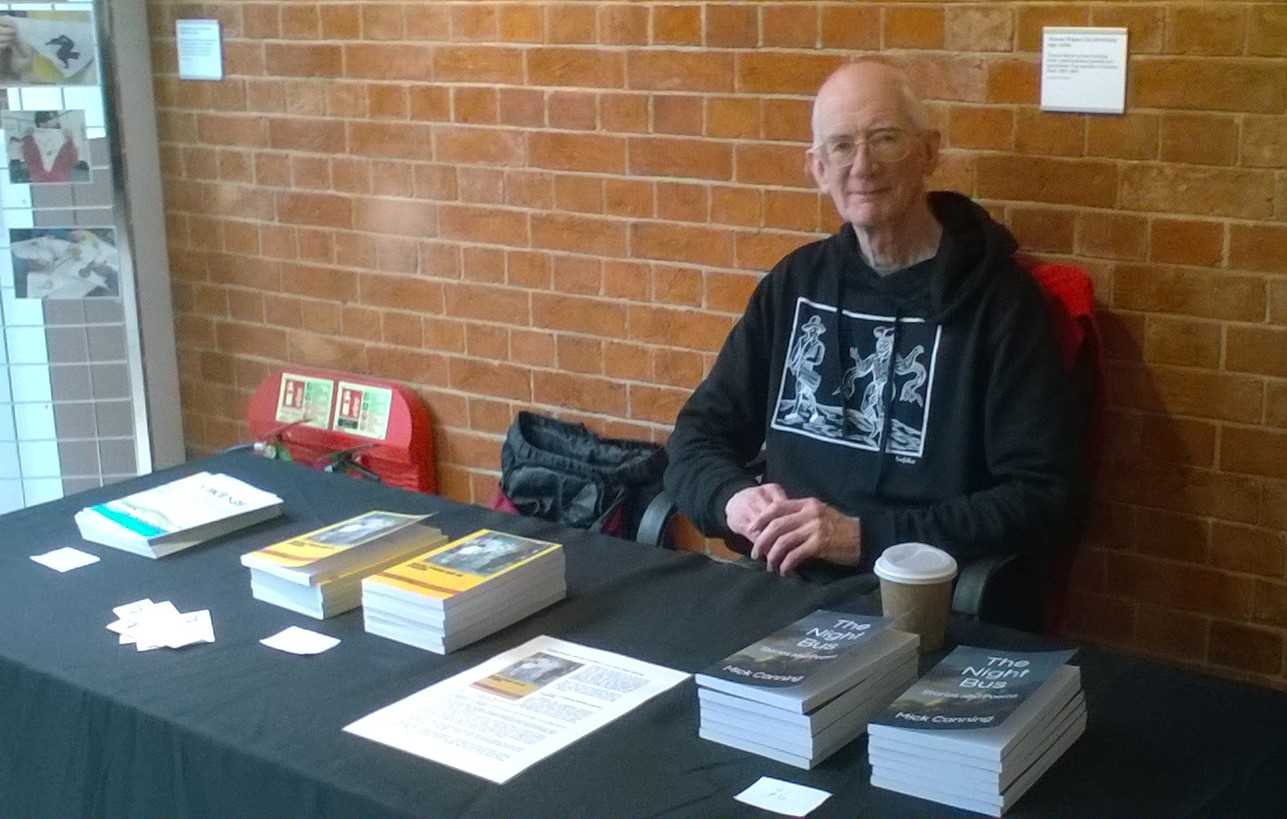
I know this is all a bit niche, but having bought myself a sweatshirt featuring the image, I decided to learn a bit more about Mr Kemp and this is the result of that. I already knew about his dancing from London to Norwich, but I knew little about him beyond that.
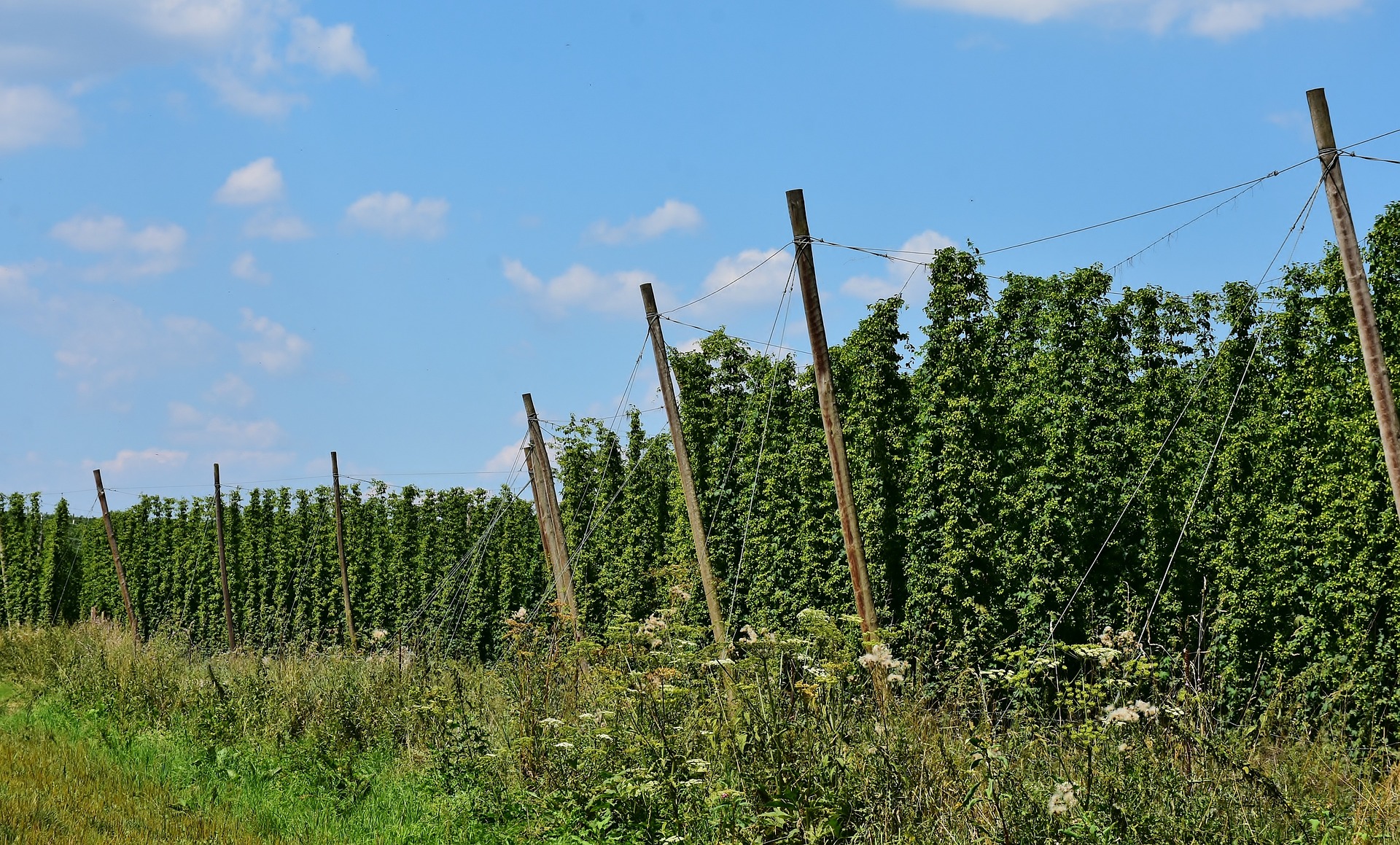
I was talking about hop pockets and pokes last week – and pigs, of course, which was how it all started, but forget the pigs for now. Let’s stick with the pokes and pockets. At the weekend we went for a walk through a part of Kent we hadn’t walked for a few years and part of the walk took us through this field:
This was a hop garden many years ago. Conveniently close to the oast houses so that as soon as the hops were picked they could be taken in and dried before there was any chance of them spoiling. Taken in bagged up in pokes, and once dried shipped out to the brewers in pockets. A word of explanation for those not familiar with these terms: hops are not grown in fields, they are grown in gardens. Not like your or my back garden, but like a field. But a field full of poles. Hop poles. With huge cable-like wires strung between them to support the hop bines as they grow.
When they are ready for harvesting, the bines are pulled down and the hops picked and put in pokes – large sacks (but you knew that, of course. You remembered it from last week). Then once dried they are shovelled into pockets – another size of sack.
And what are the hops for? Making beer, my friend. Lovely beer.
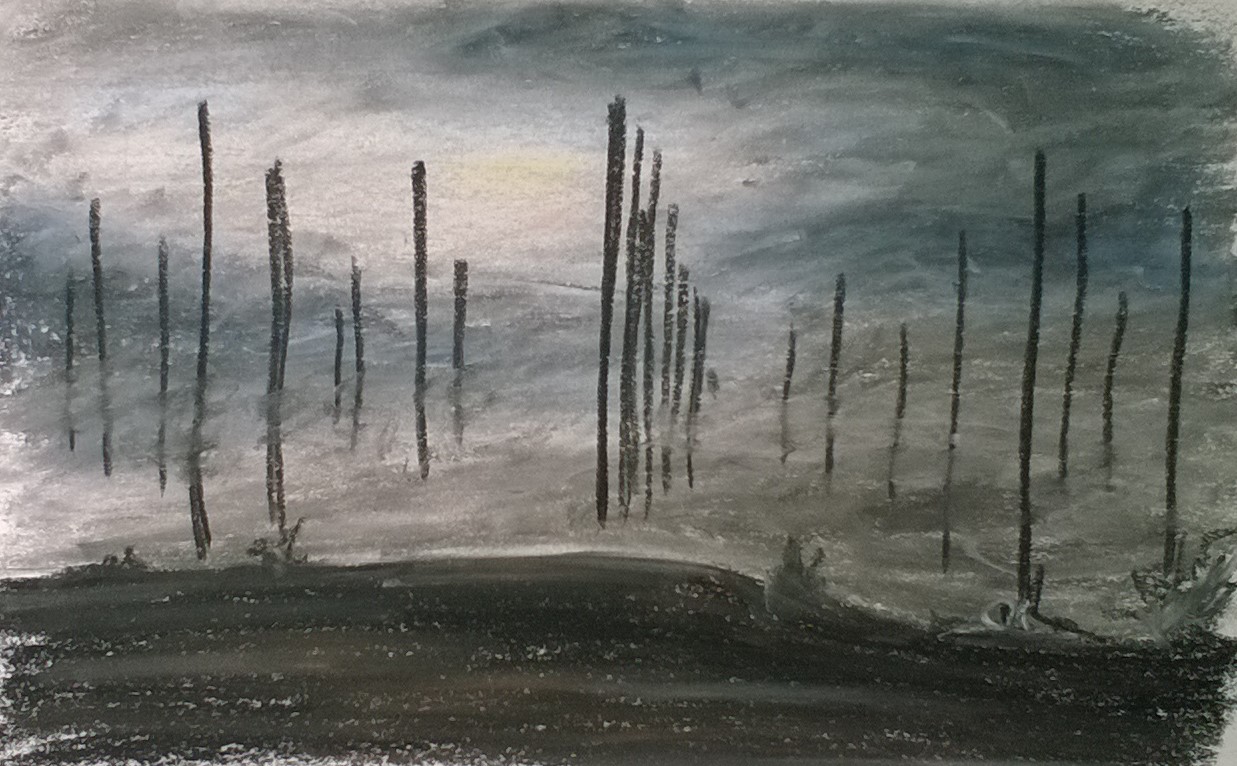
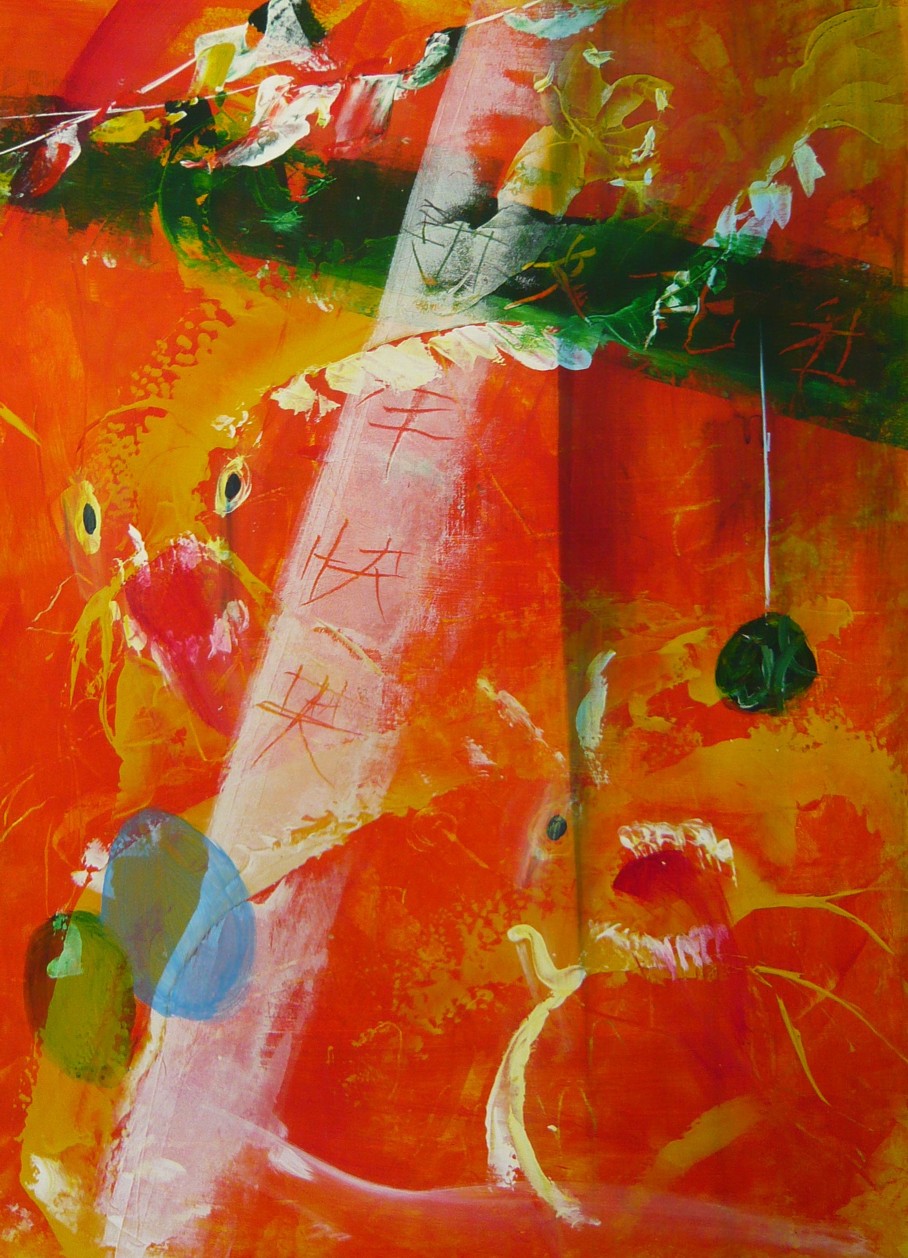
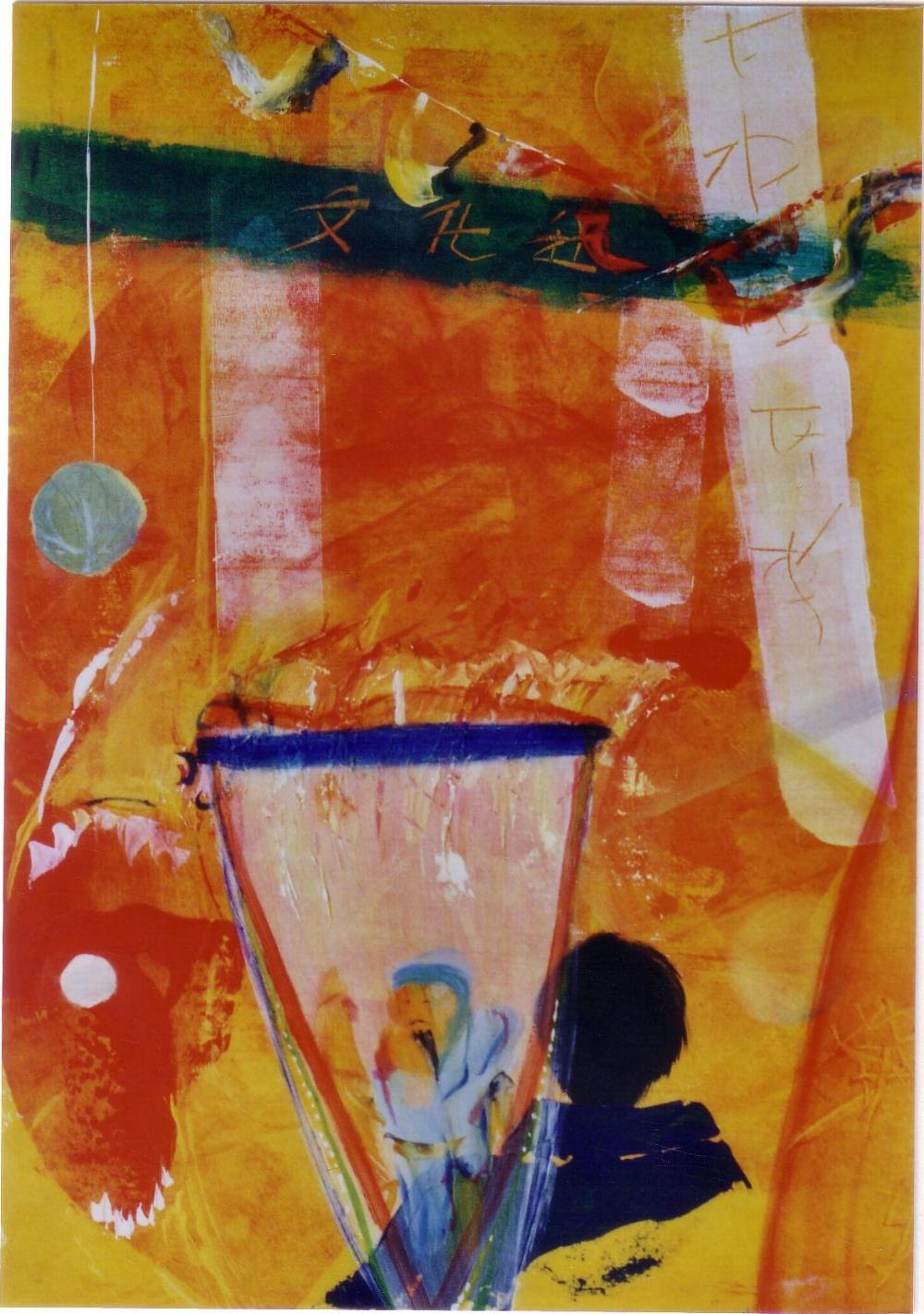
I don’t have a picture of the hop garden from back then, but late one cold, misty, autumn night about thirty years ago, I walked through it and the eeriness was instantly imprinted on me and once I was home I felt compelled to make an oil pastel painting of it (below).
Anyway, as I said I don’t have a photo of the hop garden in question, but this one from Pixabay illustrates very nicely the hop poles and wires with the growing hop bines growing up and across them:
The poles were supported by wires kept under tension, anchored into the ground around the edge of the garden. Quite a few of these are still in situ around the very edge of the field and just into the woodland and hedgerows bordering it.
In 1872, there were 72,000 acres of land in England growing hops, the majority of these being in Kent, employing over 100,000 seasonal workers at picking time. By 2003, the acreage in Kent was down to just over 1,000 and for the first time ever the county had been overtaken by Herefordshire, which now grew more, although the decline does at least appear to have halted for now. In 2011 there were a total of just over 2,500 acres under cultivation in England but it is such a small number there were fears the industry could die out. Although hops are still used in beer brewing, much of the requirement is imported, especially with a popular shift towards less bitter-tasting beers. But in much the same way that Kent has also lost a huge percentage of its apple orchards, a once rich and diverse farming landscape has become more and more homogenised, with endless huge fields of arable crops and sheep and cattle replacing the hop bines and apple trees.
I spent one autumn apple picking around thirty years ago and the farm I was working on had a large acreage of hop gardens (both apples and hops all sadly gone, now). It was an incredibly busy and bustling time, with our diverse group apple picking – a mixture of locals and Europeans come over for the work – and a traditional mix of workers in the hop gardens; as well as locals, there were a lot of gypsies and possibly still a few people down from London’s East End, which was a traditional way for those workers to make some extra money in the nineteenth and early twentieth centuries. It was busy, noisy, very hard work, and a lot of fun.
And, not surprisingly, there are a number of traditional songs about hop picking. So here is the wonderful Shirley Collins and the Albion Dance Band to perform ‘Hopping down in Kent’ especially for you.
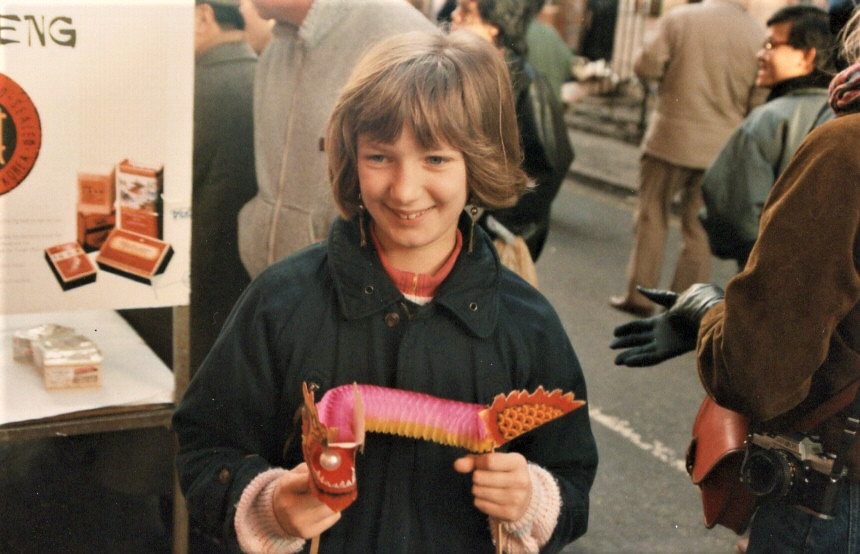
Chinese New Year, that is. The year of the Ox. Here are a few pictures I’ve taken of Chinese New Year celebrations in the past. With Lockdown, I don’t suppose there’ll be too many going on this year, at least outside of China.
First of all, some from London about thirty years ago:






 Mick Canning