I’ve posted (and re-posted) a few times over the years about my trip to Ladakh in 2005. So here’s another extract from my journal for one of the days I spent there.
For those not in the know, Ladakh is high in the Indian Himalaya to the west of Tibet, with which it shares many characteristics, not only of geography but also the ethnic makeup of its people. In fact, since the Chinese invasion of Tibet, it is frequently said that Ladakh is more Tibetan than Tibet. The climate is not dissimilar, either, and although I visited in April that is still well before the main tourist season, and I don’t recall seeing any other tourists during my stay there.
Sunday 10th April 2005
I slept well. No alarms during the night! (I had had a very bad headache the previous night which I put down to altitude sickness) Then up at 6.30 to a fresh snowfall – just a sprinkling of powder on the ground. The skies are clear, though, and the Stok Mountains look wonderful in the sunshine. In fact, they’re going to get photographed right now.
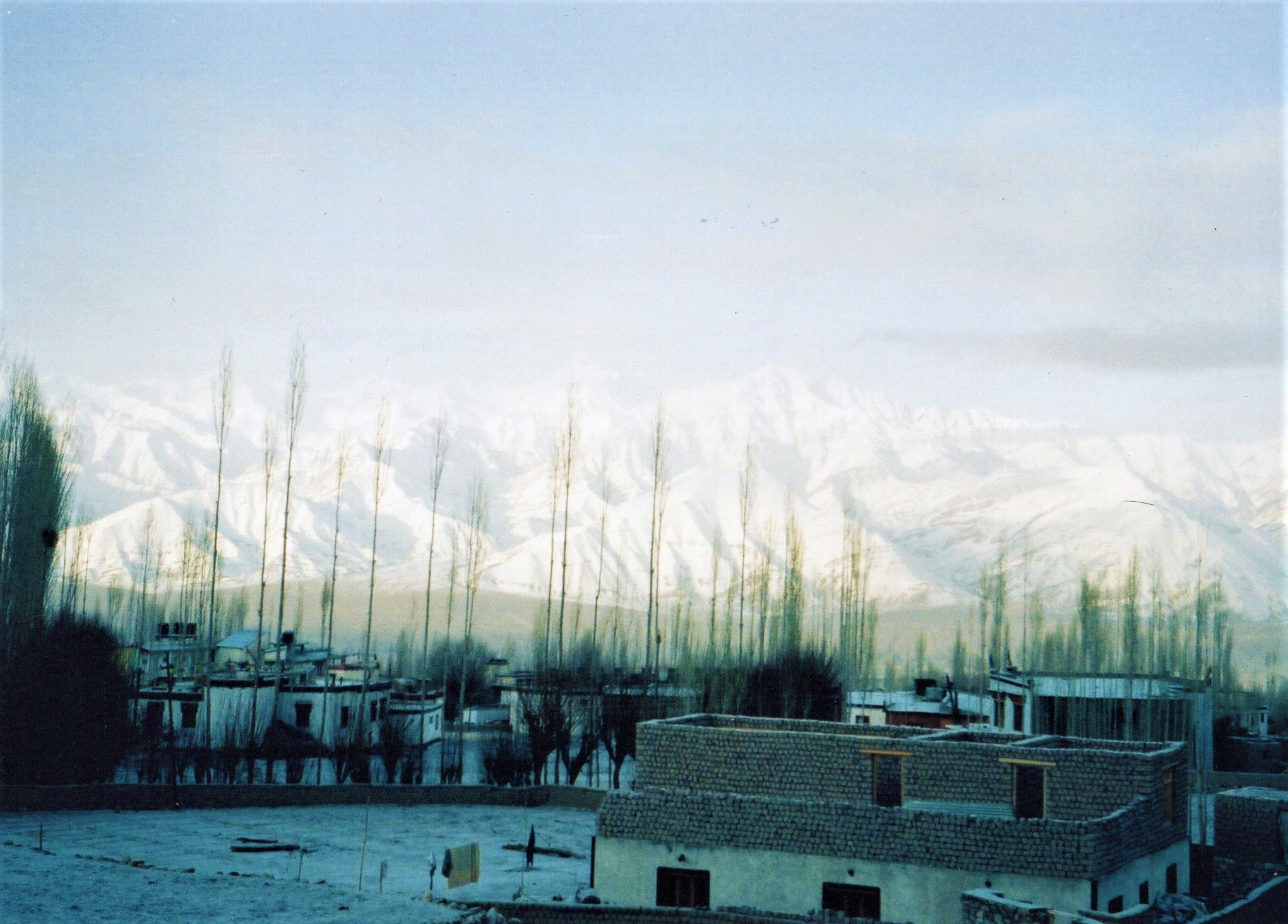
I go out for breakfast and it’s quite mild. Soon last night’s snow has already gone. A few shops are slowly opening – no internet as yet, but I’ll mooch this morning. I’m sure that I can find something.
To use the internet, I need to find a place that is both open and with a generator. This looks as though it might take some time! Never mind, I’ve got a woollen scarf from the Ladakhi Women’s co-op, so a good start to the day.
As well as the scarf I also bought a bag of the dried apricots (organic, ‘solar-dried‘) Ladakh is famous for, and at last a singing bowl. I’m sure I paid more than necessary, but he came down RS 200/-, so what the heck. I think we were both happy with the deal. And it’s a nicer one than any I saw in Bodhgaya.
After a Ladakhi lunch of apricots, apple juice and water, – not that I suppose for one moment that is what a Ladakhi might have for lunch, only that it is all locally produced – I headed north past the Shanti Stupa towards the first line of hills. Reached there at 1.15pm and stopped there for a breather. Silence, apart from the pounding of the blood in my head. Absolute silence. After a few minutes the call of the muezzin drifts up from Leh, from the Jama Masjid. Then a few bird calls from the crags. Perfect peace. A perfect desert landscape, with pockets of snow. I’m sitting on a boulder, warmed by the sun, my feet in patches of fresh snow.
1.50 and I am at the col. A lot higher than the fort at Namgyal Tsemo Gompa, with a fantastic view north up the valley towards the Kardang-la.

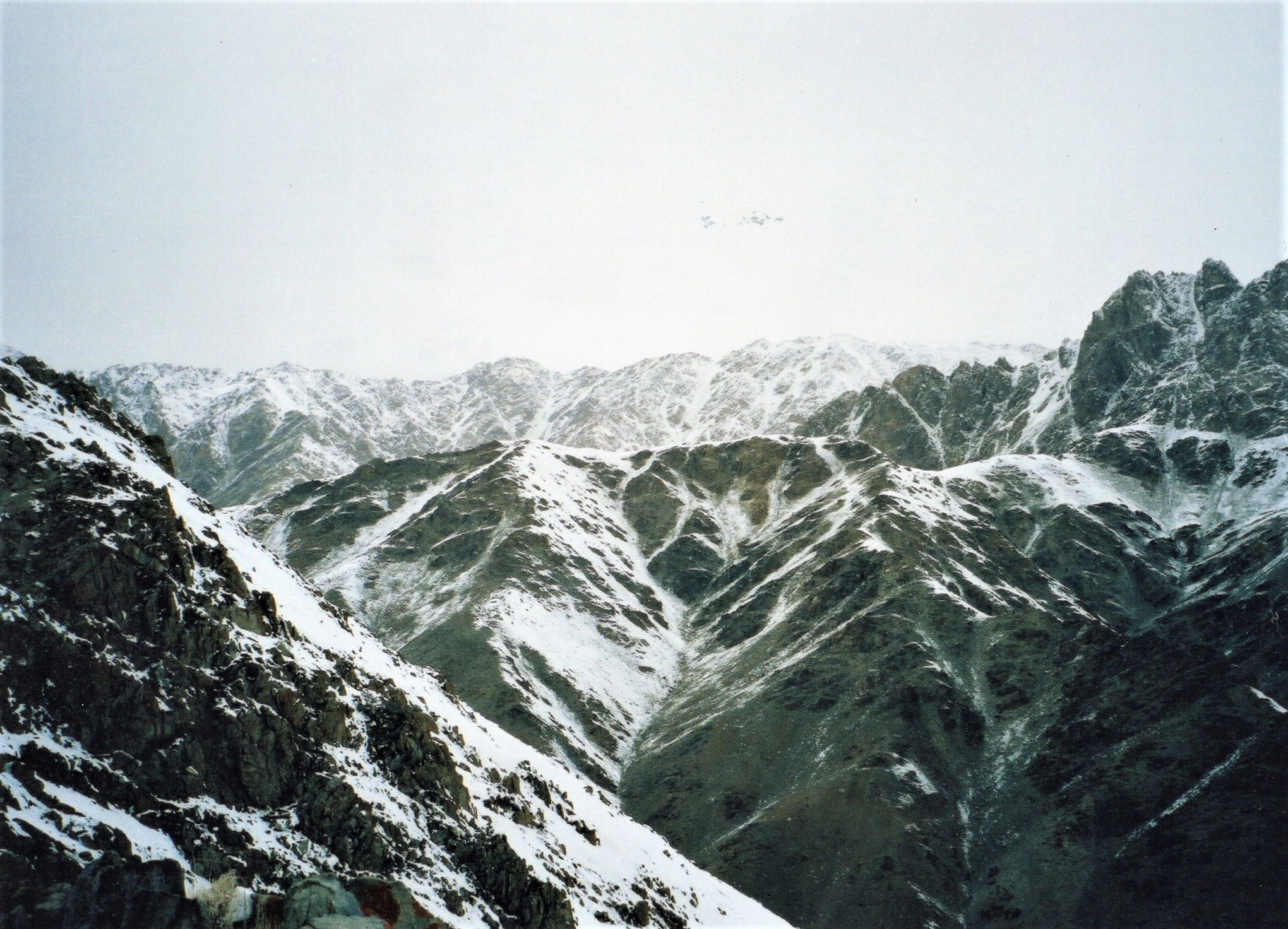
2.45 and I am at what appears to be the highest point. There is another peak some way to the west, but this one has a cairn, walls and prayer flags, so I’m taking it to be the highest. At a rough guess, I’ve climbed about seven to eight hundred metres. The views are out of this world. More side valleys to the north and I’m up in the snow here. On the northern sides it is quite thick and I am feeling quite light-headed. It was worth coming to Ladakh just for this alone! Stunning!
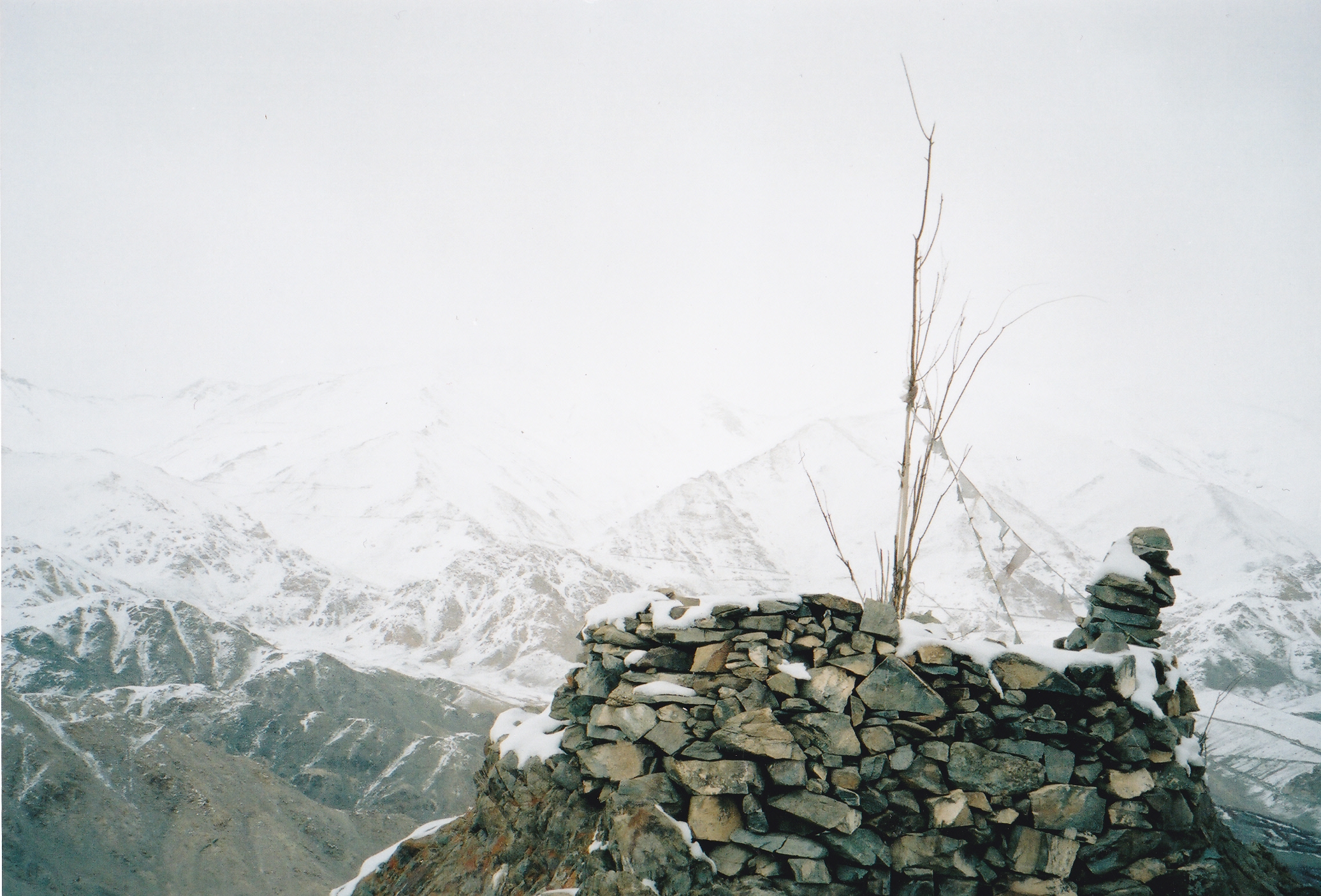
Very reluctant to start heading down, but a few flakes of snow convince me that it’s time to go.
Down to the road just before 4.00, then head up the road to have a look at what appears to be a half reconstructed fort. When I get there, there is nothing to indicate what it is, just a sign warning people that it is of historic interest, so don’t go knocking it over. I guess that it might be Tisseru Stupa, although it does not really look that much like a stupa to me.
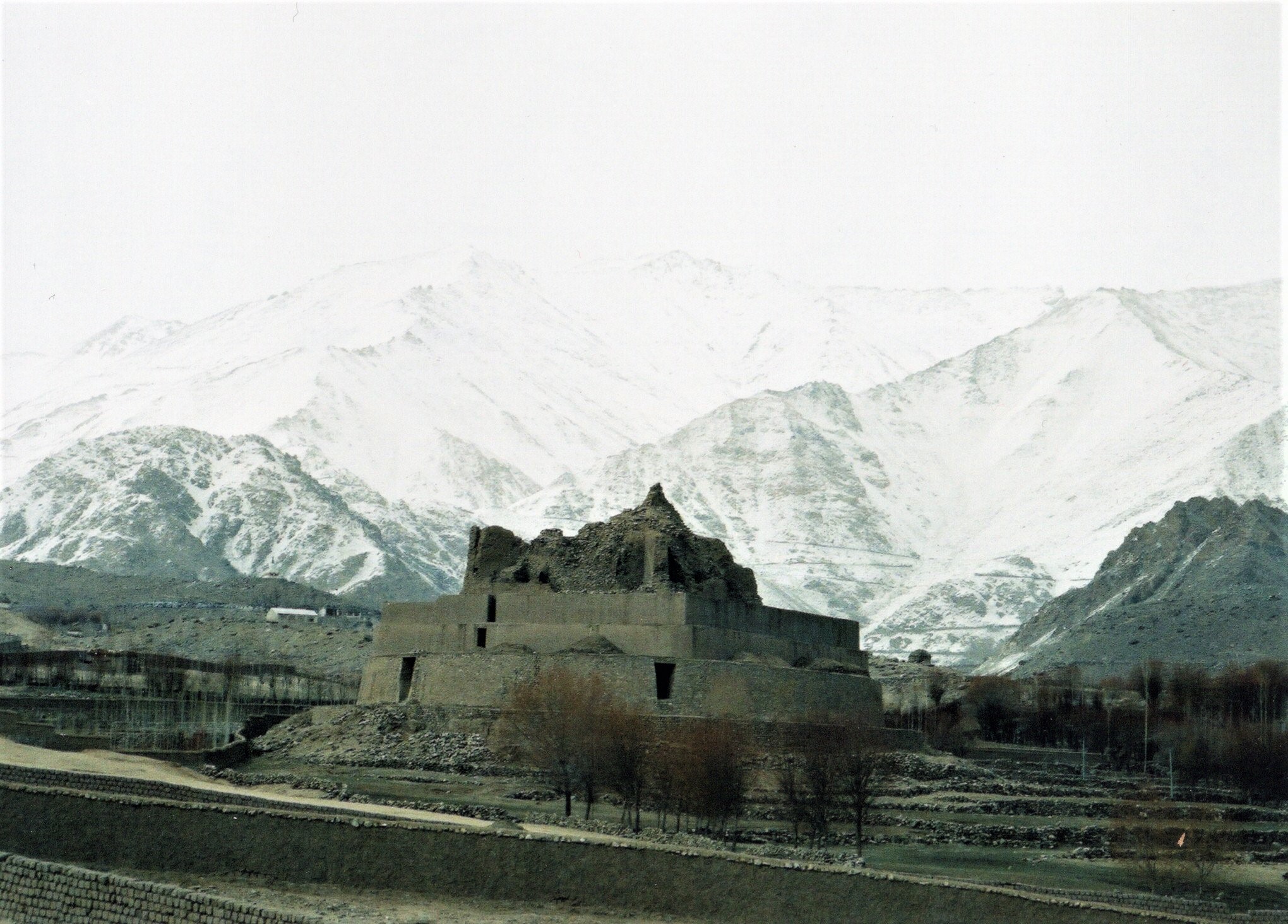
I then head back to the guesthouse, feeling a bit weary. Wander out into town and end up eating thukpa in a Tibetan restaurant.
Back again for the evening. It’s getting cold!
Looking at my map, there is a peak a couple of kilometres north of Leh, marked at 4150m. It’s in the right place and is about the right height, so I’m bagging it.




 Mick Canning