In Another Lifetime I Could Have Been…(3)

…a tramp.

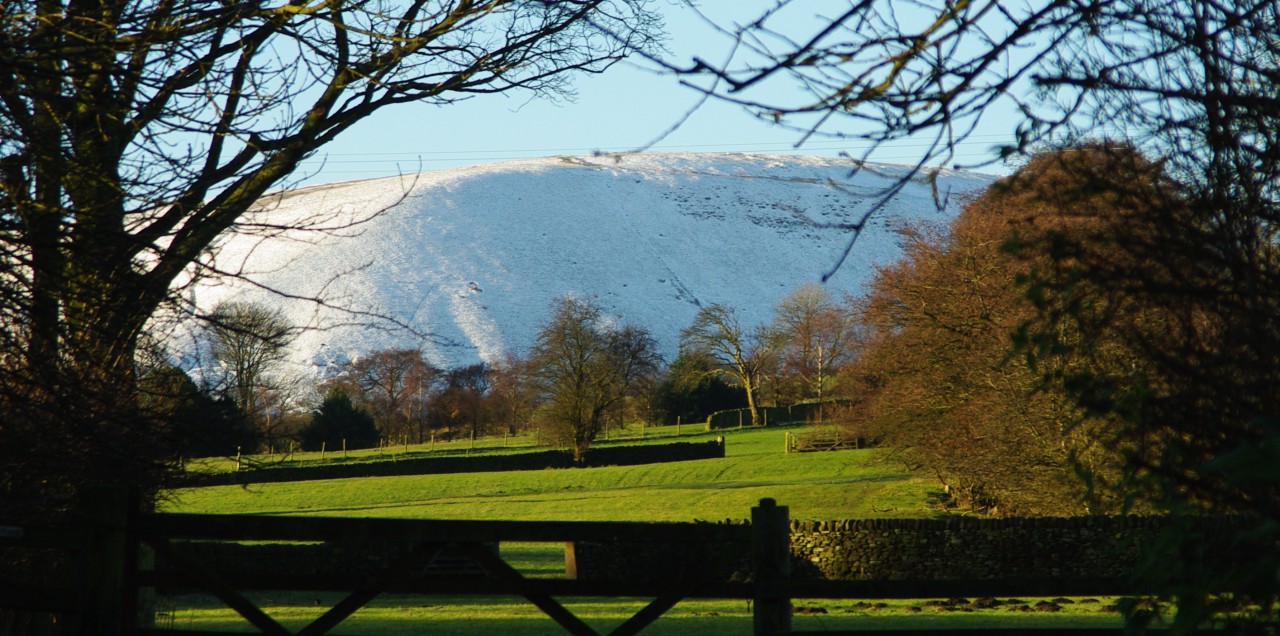
My wife often says I’m in touch with my inner vagabond. I’m taking that to mean that I enjoy walking, unless she’s referring to something else. My dress sense, for example. But yes, I love walking, especially long distance walking, but most of all I like to simply wander. There is a tremendous pleasure to be had by just setting off for a long walk without any particular destination in mind. Taking the more interesting-looking path as we go.
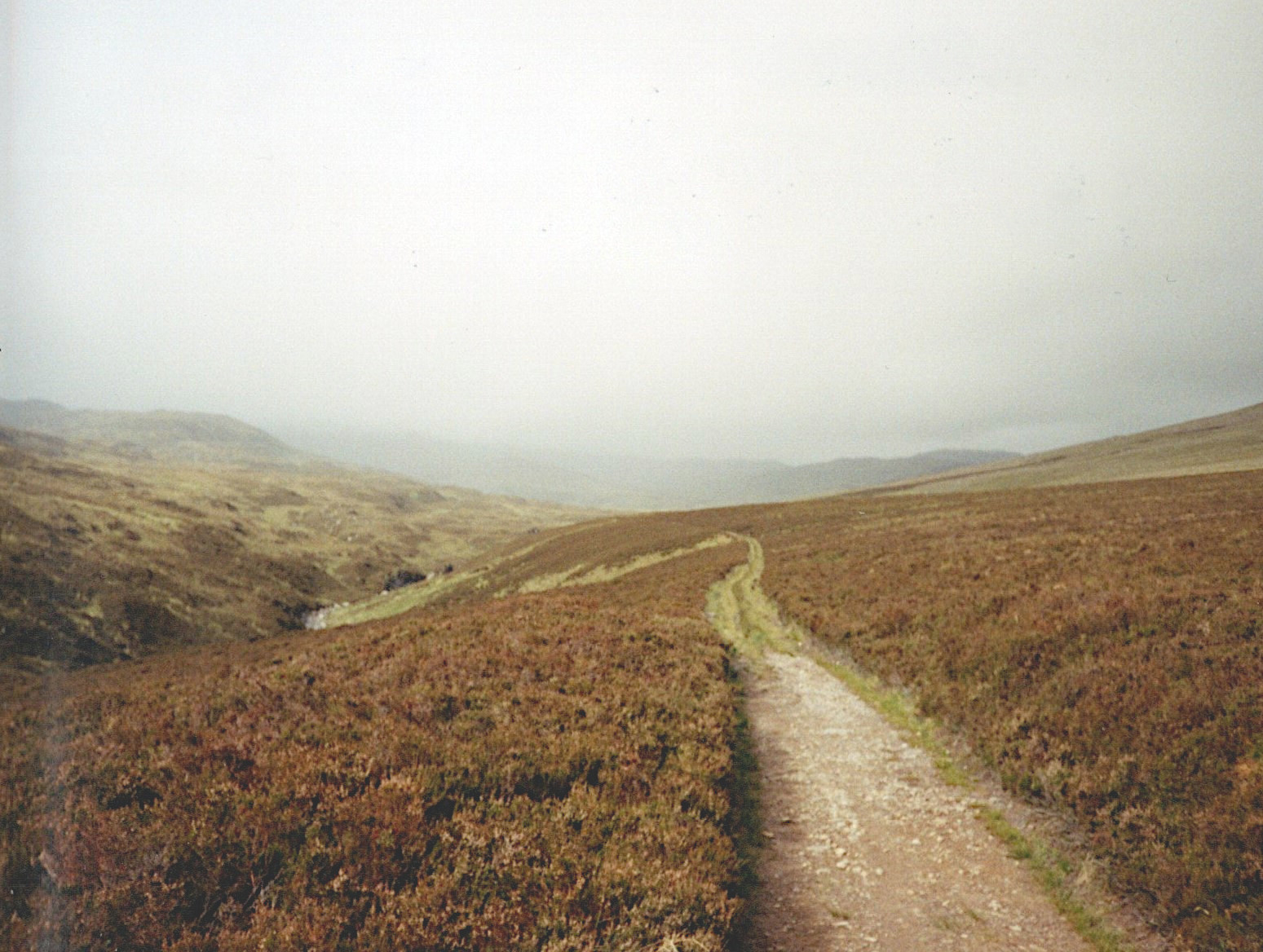
Of course, it’s not always possible to travel this way. We need to have some sort of destination in mind unless we’re prepared to just settle down to sleep wherever we find ourselves at nightfall. Usually we don’t have the time and the freedom to travel like this. Some people may also find it unnerving not to have board and lodging all planned in advance.

I’ve only done it occasionally, I must admit, but found it remarkably liberating when I did. There was no pressure to reach a particular destination by nightfall, I just had the freedom to wander along at my own pace until I felt I’d had enough for the day.

Even then, of course, some planning had to be done. Would I carry food or rely on reaching somewhere I could get a meal of some sorts? Would I carry shelter? Extra clothes?

But that is not exactly tramping, of course. It is just an exercise to be enjoyed (or otherwise) for a short period. It’s not a permanent lifestyle.

I’m sure that very few folk have deliberately chosen tramping as a lifestyle, but I’m aware there are some who have. This leads to the obvious question – why? I suppose all of us, at some time, wonder what is really important in life? Riches and property are, indeed, a burden in many ways, as well as conferring the obvious advantages in life. Some people just didn’t want that lifestyle. Some didn’t want the responsibilities of a settled life, with or without a family. There were always some folk who could just never settle anywhere for long. Most, though, would have ended up tramping through loss of employment and / or home.

Certainly I understand the difficulties of the tramping life, especially when one is no longer young. And I certainly wouldn’t want to be trying to survive as a homeless person in a city – rightly or wrongly, I think of tramping as a rural phenomenon. The whole point of it was to be on the move, rather than staying in one place. I doubt it would be possible today, with so many laws against that kind of lifestyle. There were, of course, laws against it in the past, too, but almost certainly much harder to enforce. I think, too, society is just ordered differently today. We think differently to how we did fifty or a hundred years ago. A tramp turning up at a farm today looking for a couple of hours work in return for a meal would get short shrift, and I can’t imagine any householder regarding one with anything other than hostility.

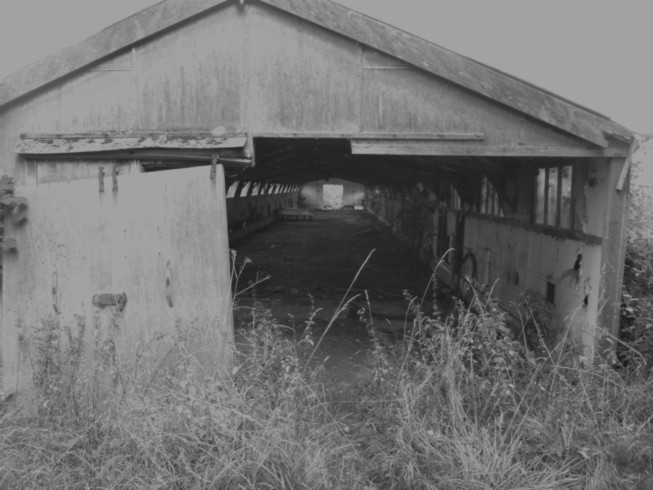
Again, I can’t imagine anyone choosing that lifestyle through the winter. But tramps used to learn of places they could settle for the winter, often carrying out odd jobs in return for permission to sleep in a shed or a barn and the odd meal. In this post I’m talking specifically about Britain, but I suspect it applies equally to hobos in America, swagmen in Australia, and possibly others I’m not aware of elsewhere.
And it would be unlikely to be a long life. But there were always some who chose it as a way of life rather than being forced into it by circumstances, and in another time I might possibly have been one of those.

Rant Inspired by The Compleat Trespasser by John Bainbridge

Ooh, I liked this book.

51pfb0Ihk8L._AC_UY218_

My intention was to review it today, but as I was writing the review it gradually turned into a polemic against grouse moors and the people who own them. So I’m going to run with that and write the review (properly) next week instead.

So, why is this about grouse moors? Well, in The Compleat Trespasser, grouse moors are one of the habitats John mentions in relation to trespassing.

There’s so much to detest about grouse moors.

Firstly, the fact that they tend to be very large areas of land owned by one rich person who wants to keep everyone else off that land; land that is, to use the hackneyed but nonetheless accurate phrase, the birthright of everyone in this country. Land that has, like much other land, been stolen from us originally by force and then passed around from one rich and powerful person to another. Land that, at one time, people would have depended upon for their livelihoods in a multitude of forms, whether it was growing food, gathering wood for shelter or for fire, fodder for their livestock, or somewhere to live.

Secondly, that same owner does everything in their power to destroy all wildlife other than the grouse they protect, so those grouse can then be killed either by their rich chums, or by others who can afford to pay for the pleasure of killing other creatures. Foxes, rats, rabbits, badgers, crows, hawks…the list is pretty well endless. Trapped, poisoned, shot…the result being a landscape as devoid of life as any desert. And I hate that arrogance that says ‘all these wild animals are my property.’

Thirdly, the drab uniformity of the landscape. Nothing but heather growing, and that burned in ten year cycles to maintain that barren uniformity. And this in turn contributes to accelerated run off and flooding in periods of heavy rainfall, affecting land lower down – often villages or small towns.

And, I daresay, the lack of cover makes it easier for the gamekeepers to watch for intruders.

But, at last opinions are beginning to slowly, but surely, turn against these dreadful habitats and their dreadful owners. I’m sure it will take a while yet, but I’m hopeful that in my lifetime we will see a ban on commercial grouse moors and the beginning of their re-wilding.

Refugees

I posted this poem a year or so ago, and I think it bears re-posting again now. In fact, I think I should post it repeatedly every year until everybody understands the situation most of these people find themselves in through no fault of their own.

Untitled-TrueColor-01

The first time she ever set eyes on the sea,

She was forty seven.


It was a long road there.

She set off with little enough,

And arrived with much less.


She had a home, once.

A house,

In a well-to-do area of the city.

Life was good.


But fear came,

In the form of bullets, shells and bombs.

Once, gas.

Then everyone lived in fear.


Her house is rubble, now.

Memories and possessions buried,

Alongside her husband.


Alongside her daughter.


Alongside her middle son.


Her hands are scarred from the digging.

For weeks,

Her palms were raw and bloody,

from blocks of masonry,

Too large to move.


Dust and tears.


It was bad enough to lose everything,

But when you’re caught in the cross-fire,

And the food runs out,

What else can you do?


Her eldest son paid for the crossing,

With borrowed money.


Somewhere,

He is ‘paying off’ the loan.

A bonded labourer.

A slave.


She fears for him.


Her youngest son was washed away.

The dinghy was too small,

The passengers too many.

Fear.

You could smell it,

Alongside the despair.

The panic.

There were fewer of them when the sun rose.


There is shelter here,

Of a sort.

But when the wind blows she shivers,

Drawing near to the oil drum blaze.


There is food,

Once a day.

Of a sort.


There was a welcome.

She soon learns what sort.


Now, she walks down to the sea.


She wonders whether she should,

Whether she should just,

Just, slip under,

The waves.


Refuge

Untitled-TrueColor-01

The first time she ever set eyes on the sea,

She was forty seven.


It was a long road there.

She set off with little enough,

And arrived with much less.


She had a home, once.

A house,

In a well-to-do area of the city.

Life was good.


But fear came,

In the form of bullets, shells and bombs.

Once, gas.


Her house is rubble, now.

Memories and possessions buried,

Alongside her husband.


Alongside her daughter.


Alongside her middle son.


Her hands are scarred from the digging.

For weeks,

Her palms were raw and bloody,

from blocks of masonry,

Too large to move.


Dust and tears.

The pain came later.


It was bad enough to lose her home,

But when you’re caught in the cross-fire,

And the food runs out,

What else can you do?


Her eldest son paid for the crossing,

With borrowed money.


Somewhere,

He is ‘paying off’ the loan.

A bonded labourer.

A slave.


Her youngest son was washed away.

The dinghy was too small,

The passengers too many.

Fear.

You could smell it,

Alongside the despair.

The panic.

There were fewer of them when the sun rose.


There is shelter here,

Of a sort.

But when the wind blows she shivers,

Drawing near the oil drum blaze.


There is food,

Once a day.

Of a sort.


There was a welcome.

She soon learns what sort.


Now, she walks down to the sea.


She wonders whether she should,

Whether she should just,

Just, slip under,

The waves.