The First Christmas Present – repackaged

I’ve posted this before, but I’m quite fond of it and it’s, well, seasonally appropriate. I’ve also taken the opportunity to tweak the details a little bit…

The old fellow with the white beard and the red jacket leaned queasily over the side of the sleigh, watching the snow-covered fields passing below. For a while, the moon was peering out between the clouds and he travelled over a scene of sparkling silver, although the sight did nothing to cheer him up.

He hated heights.

He hated elves, now, too. He’d never met one before today, but he knew now that he hated them. The smug little tossers sat right at the back of the sleigh, eating the mince pies that had been left out for him, and tittering whenever he took a wrong turning.

And he hated children. He especially hated children.

But with his pension stretched to breaking point just to cover his rent and what might be described as a minimal diet, the constant threat of having his electricity cut off, and a particularly cold spell of weather forecast, he felt he had no option but to find some work. Not that he was looking forward to long nights at the sorting office, or lugging a bloody great bag of Christmas cards from door to door. But it seemed he’d left it rather late, and there was nothing left. At least, nothing for someone of his age. Eventually, he found himself in a tiny little room on the second floor of a run-down office building in a backstreet, the home of an agency that he’d never heard of and with a staff, it appeared, consisting of one gentleman who he initially took to be a caretaker and who introduced himself as Victor.

‘You’ll do nicely.’ He said. With time-shift, it meant that there was no need to cram all of the deliveries into a single night; they could be spread out over the whole year. In fact, they tended to use two of them, these days.

‘Two of what?’ His mind reeled.

‘Why, Santas, of course. But even then,’ Victor went on, ‘it’s difficult when one goes sick for two weeks. And so this is where you come in. What is a problem,’ he explained, ‘is E.U. Working Time Directive no.735 sub 21 clause 18 tum. This rules out night work for anyone over the age of fifty employed as a mythical being. So you’ll have to do the deliveries during the day. Still, time-shift takes care of that.’

‘But, Brexit…’

‘It makes no difference.’

He still didn’t entirely understand, but he took the job.

The SatNav was crap. It took twice as long. The first time he tried it, he was terrified to find the sleigh suddenly hurtling between buildings that seemed to be no more than a couple of feet apart, at what must have been close on three hundred miles an hour. It then banked and turned in a tiny back garden, subjecting him to a force of about a hundred g, and then shot back down the same terrible alleyway. It then parked itself on the rooftop next to the one that he had just left.

The elves tittered into their hands.

He quickly found it better to just leave it to the reindeer to sort out. They obviously knew what they were doing.

And then it was impossible to tell how much time had gone past. If he noticed the time in any of the houses they visited, it never made any sense. One clock said ten fifteen. Some while later, he noticed one that said nine forty two. The next said four thirty. For a while be began to check the time at each house, but quickly gave up when the times appeared to be completely random. He shrugged. More of this time-shift stuff, he supposed. It made it very hard to decide when he should be on lunch break, and he made a mental note to speak to a union rep. at some point.

Another house. Impossible to know how many he had visited. After the thing with the clocks, he was even wondering whether he still had to visit some of the ones he’d already visited.

No, that was too confusing. He shrugged again, and stepped out of the sleigh. The elves followed him with their sacks, and then they all stepped forward, and next thing they were standing in a hallway, just inside the closed front door. Yes, that was weird, too. The elves obviously knew where they were going; he followed them into a darkened front room where a little glass of liquid stood on the table beside a plate with two mince pies. There was a little note that said ‘For Santa, love Benjy’.

He dropped the mince pies into the bag that he wore around his waist for the purpose, and poured the sherry into the flask. He hated sherry, anyway, so the little tossers were welcome to that. With luck, they’d fall out of the sleigh at some point.

The elves stomped noisily out of the room and up the stairs, reached the landing and opened the first door on the right. Inside, a child was asleep in the bed, a large pillow case draped across the duvet.

‘Greedy little bastard.’ He thought. He picked up the pillow case and held it open, whilst one of the elves seemingly poured in presents randomly from his sack. And then he froze. There was someone coming up the stairs; that wasn’t supposed to happen! All this time-shift stuff was meant to mean that everyone would be asleep from the moment he entered the house until he left again. It all happened in less than a fraction of a nanosecond, in any case.

The footsteps came nearer, and then stopped. A small child appeared at the doorway, but all that he noticed were her sad eyes. She did not seem surprised to see him, nor did she appear overjoyed.

‘You never come to me.’ She said in a quiet, flat voice.

‘I visit all the children!’ He replied, struggling to stay in character. ‘Ho, er, ho ho’.

‘No. You never come to me. You never have.’ He felt himself squirming under her steady gaze.

‘What’s your name?’ He said at last.

‘Mary. I live with my mother. In one of those flats over there.’ She pointed out of the window towards a few yellow lights that seemed to randomly puncture the darkness.

He glanced at the elves, who shrugged unconcernedly, then sighed and pulled a list from his back pocket and put his reading glasses on.

‘I’m sure we, I mean I, do. What’s the address?’ She stepped towards him and gently took the list from his hand, looked at it for a minute and then pointed.

‘There. But you don’t go to our flat; number three.’

He ran his eyes down the list, clicked his tongue irritably, and then looked a second time, certain he must have missed her name. But no, it definitely wasn’t there. He looked up, to meet her gaze again. Oh, hell. He could take one present from, say, three or four others. They would never miss them, and no one would know.

‘We’d know!’ The first elf glowered at him.

‘You can’t do that!’ The other one pouted. He looked from one to the other, and then back to the little girl, and came to a decision. He reached into Benjy’s pillowcase, picked out a couple of presents and held them out to her. She did not move for a moment, but then she gently smiled, reached out, and took the nearest one. Then she turned and left the room, and he heard her footsteps going down the stairs. He darted out to the landing, but already she had vanished.

‘You’ll be in big trouble.’ A spiteful little voice behind him said happily. He said nothing but did the thing with his fingers he had been taught, and they were back in the sleigh again.

It had been their last call. Now he was watching the elves smirking and whispering to each other, as the reindeer ran smoothly through the clouds. Casually, his hand strayed towards the SatNav, and he pressed the ‘over-ride’ button. The sleigh stopped immediately, and spun round a hundred and eighty degrees, catching the elves completely by surprise and throwing them out of the sleigh and into the night sky.

He hated elves.

Seville 1 – A Bit Random

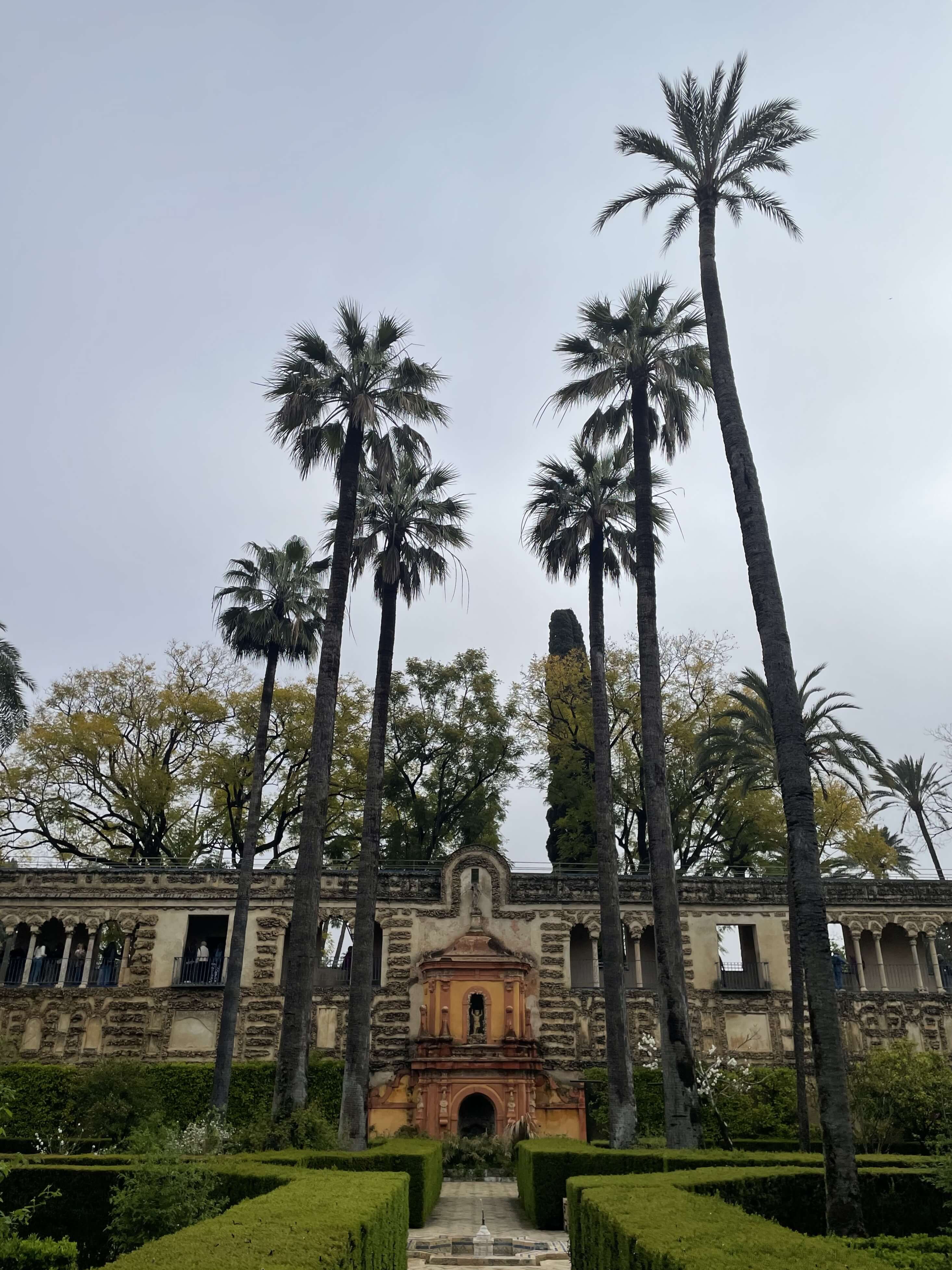
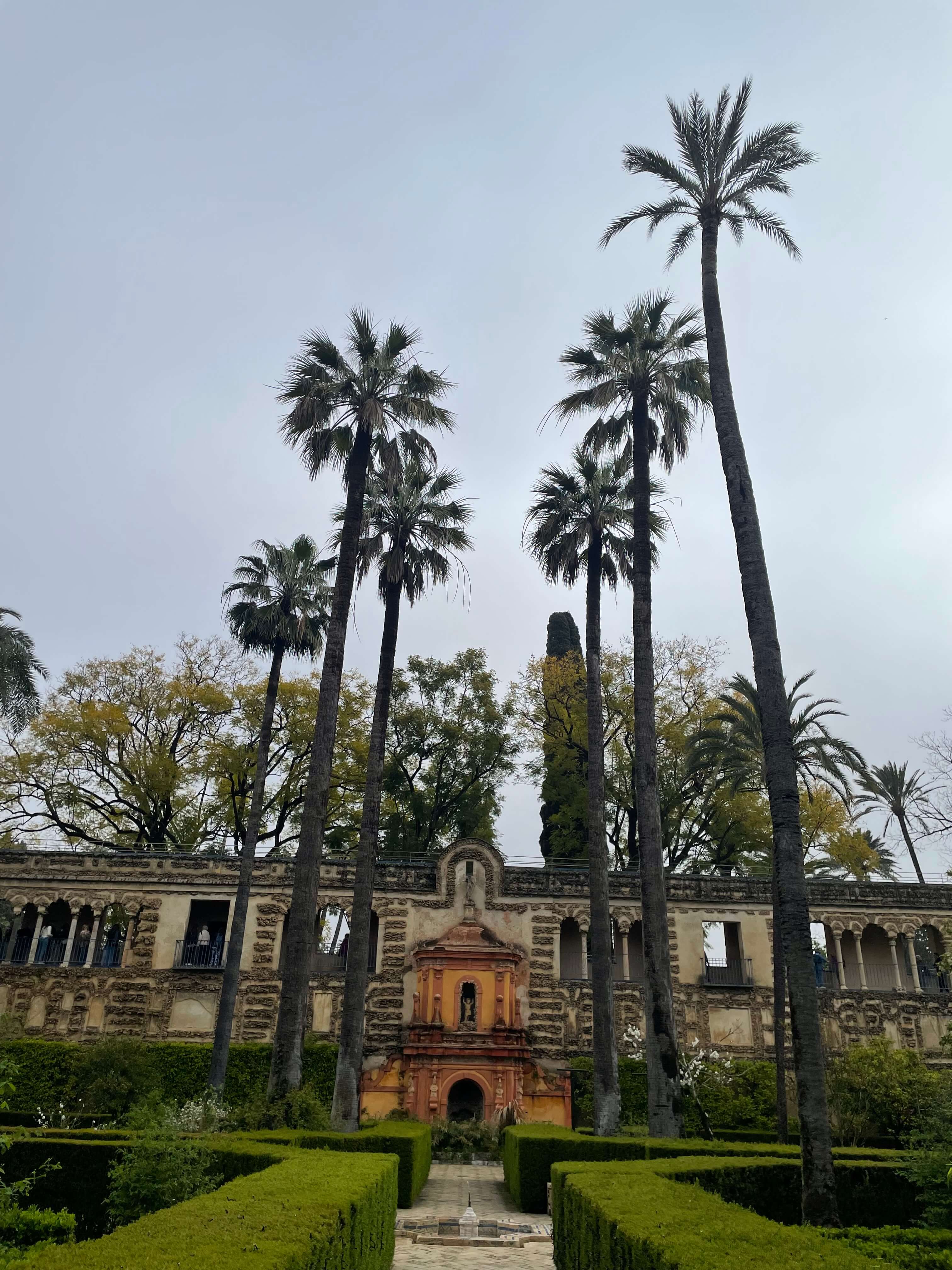
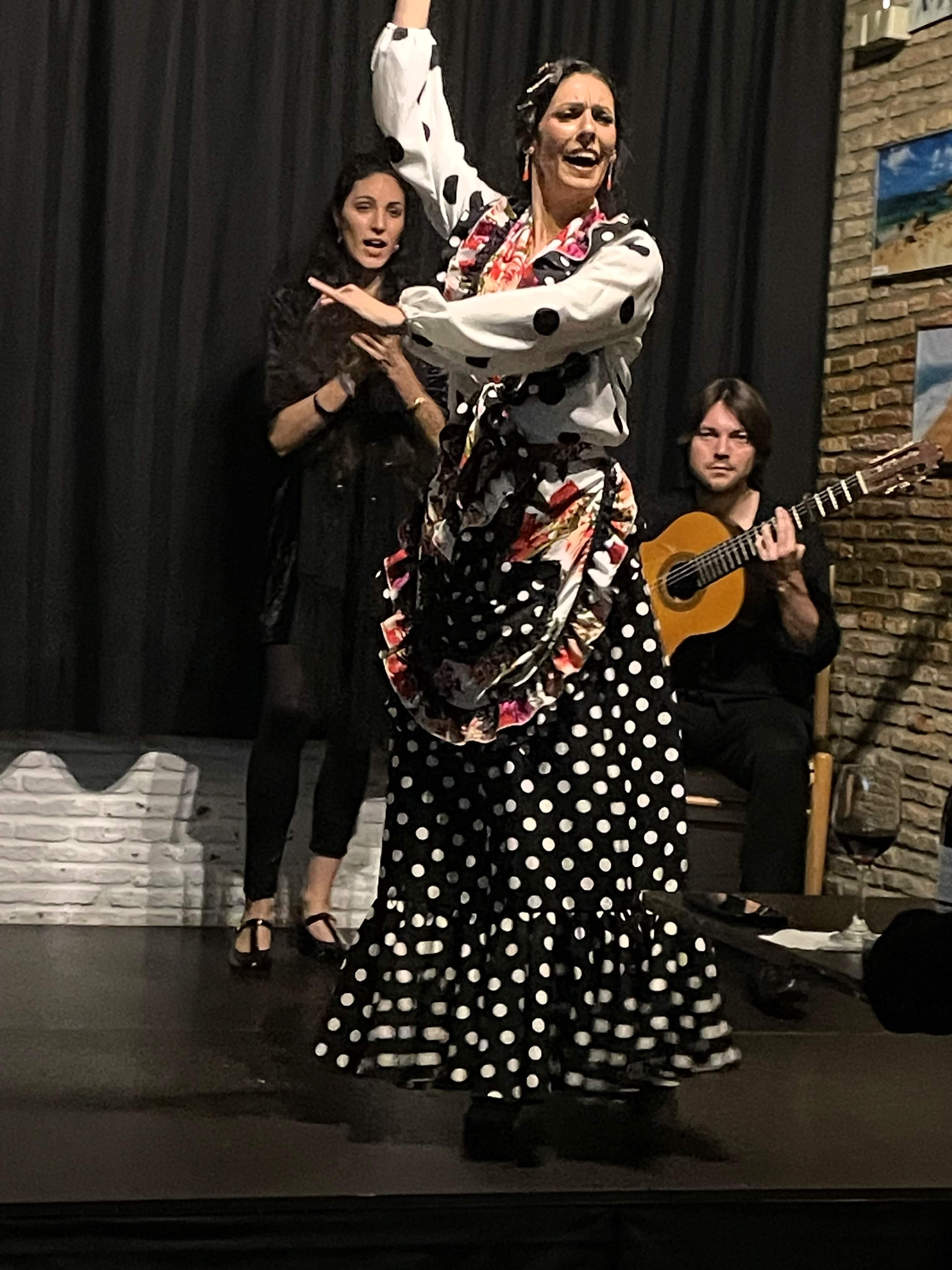
We loved Seville. In every respect, it is Andalucia at its finest. For this first post I’m going to put up rather a mixture of photos. I will post some more later, in a rather more ordered way. But this is just a flavour. This year’s trip was the first time I’d been to Spain for some while, and I’d forgotten just how much I love it. And we visited a number of places I hadn’t been to before. I had been to Seville, but just an afternoon’s visit not far short of forty years ago, so this was as good as the first time.

The Giralda – the bell tower of Seville Cathedral

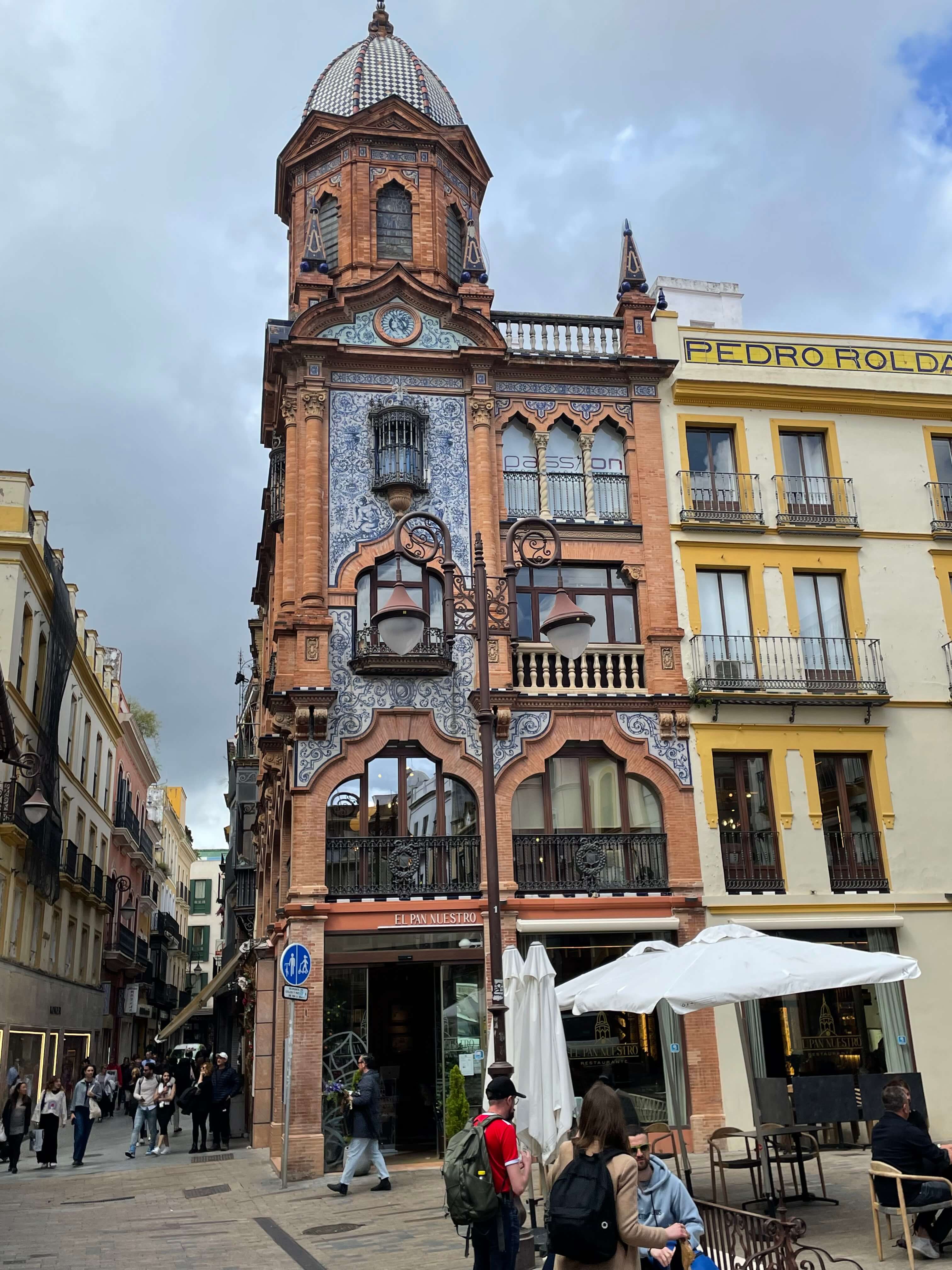
The Pedro Roldan building in the Plaza del Pan

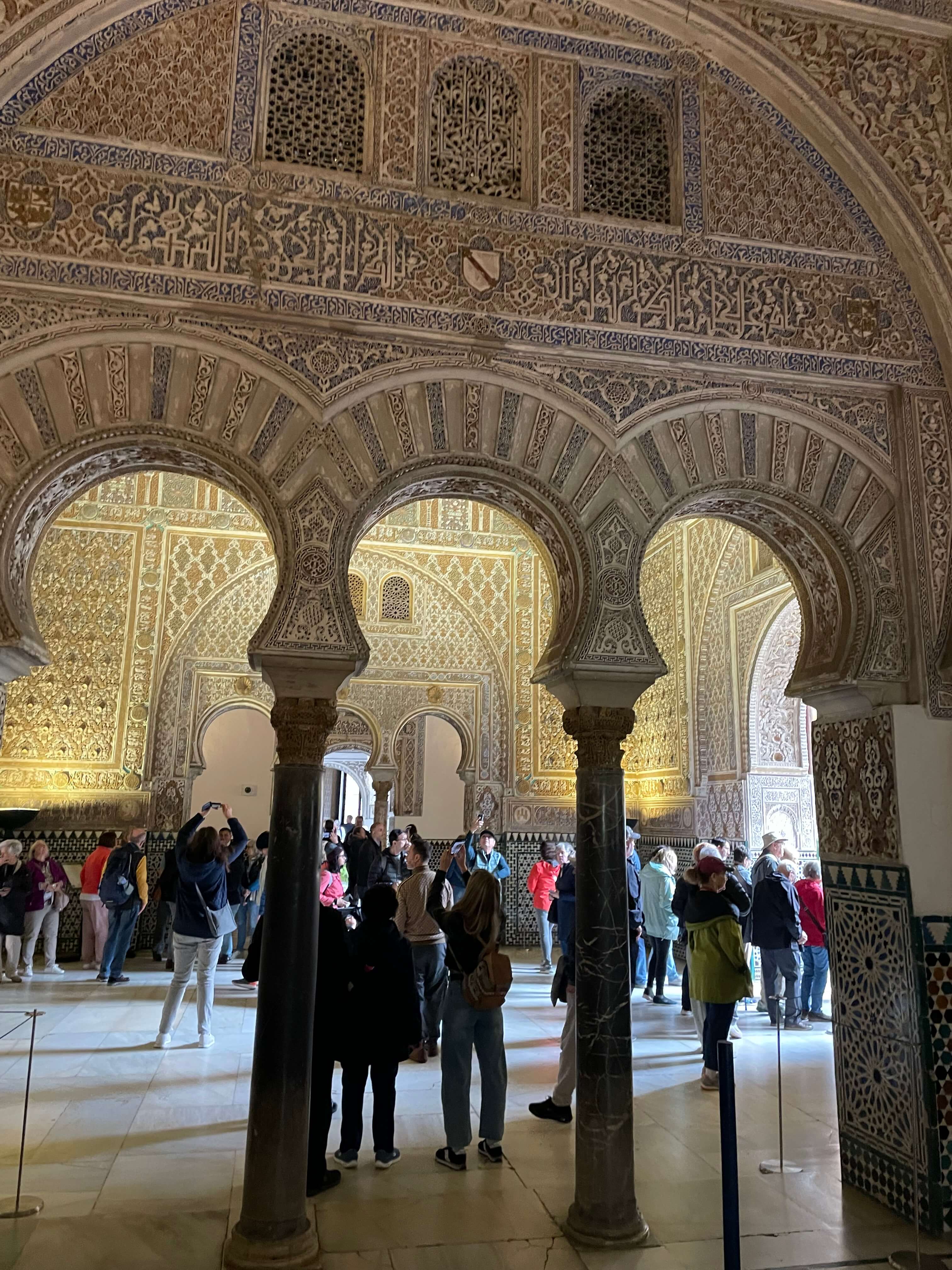
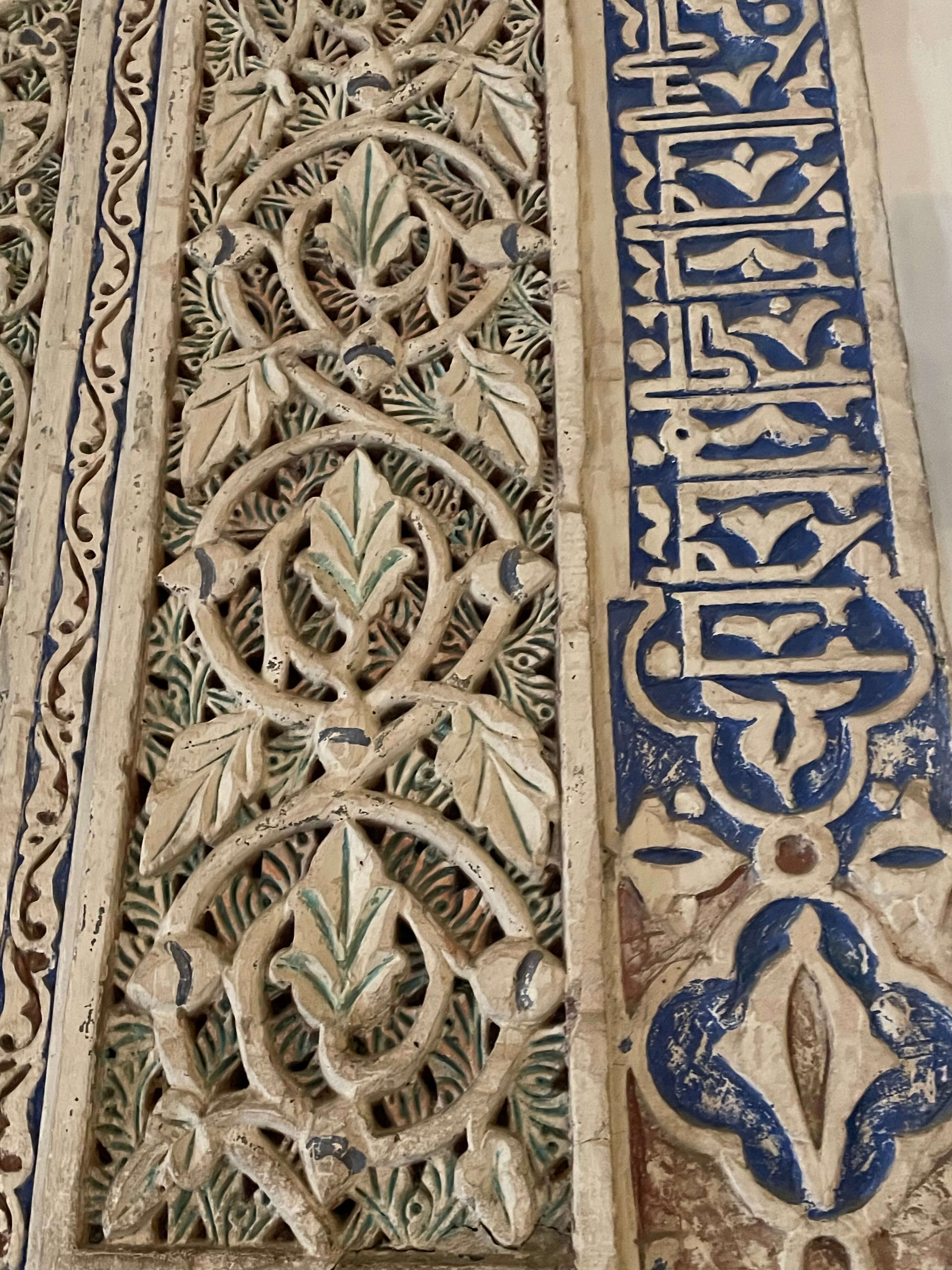
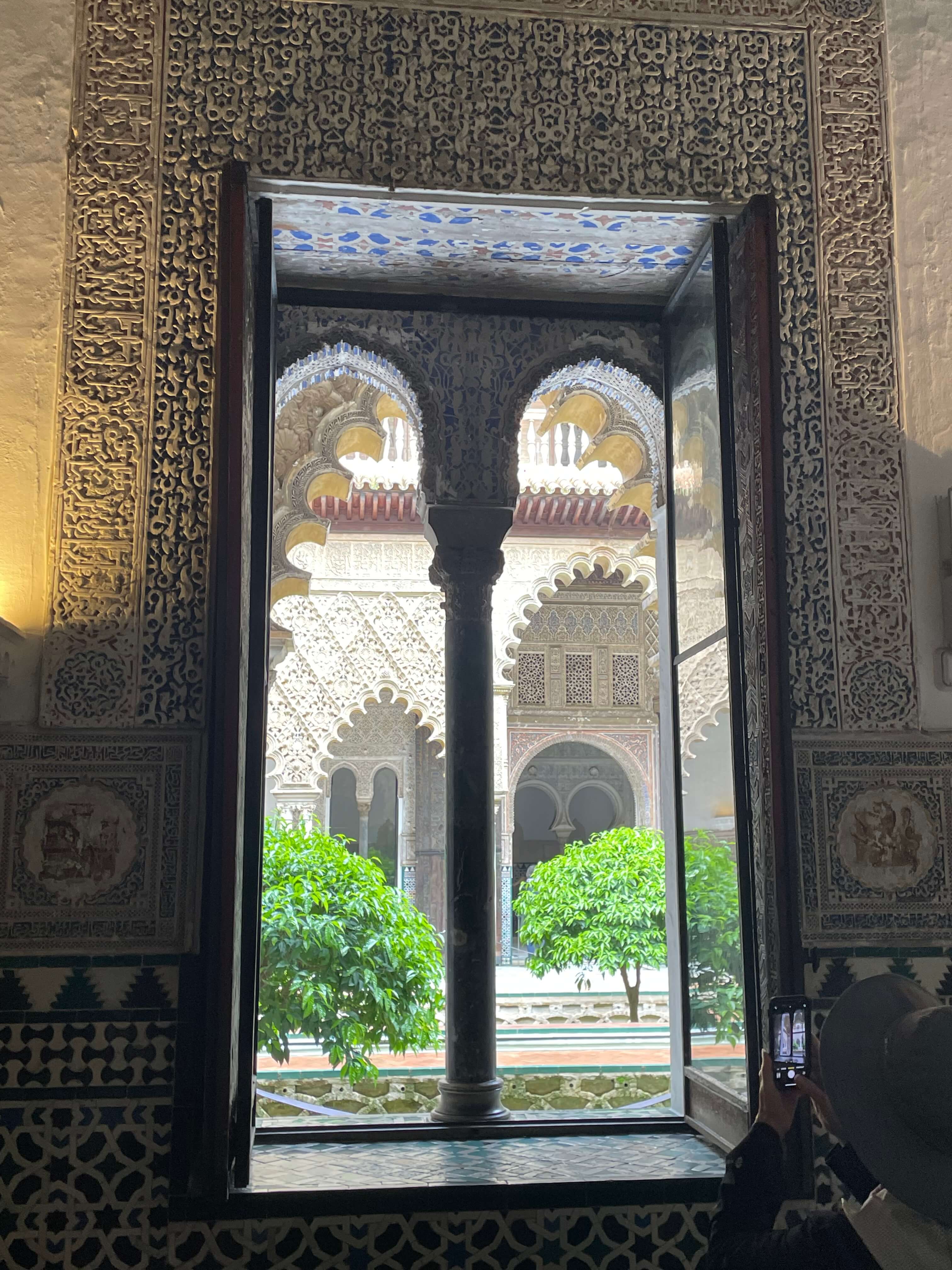
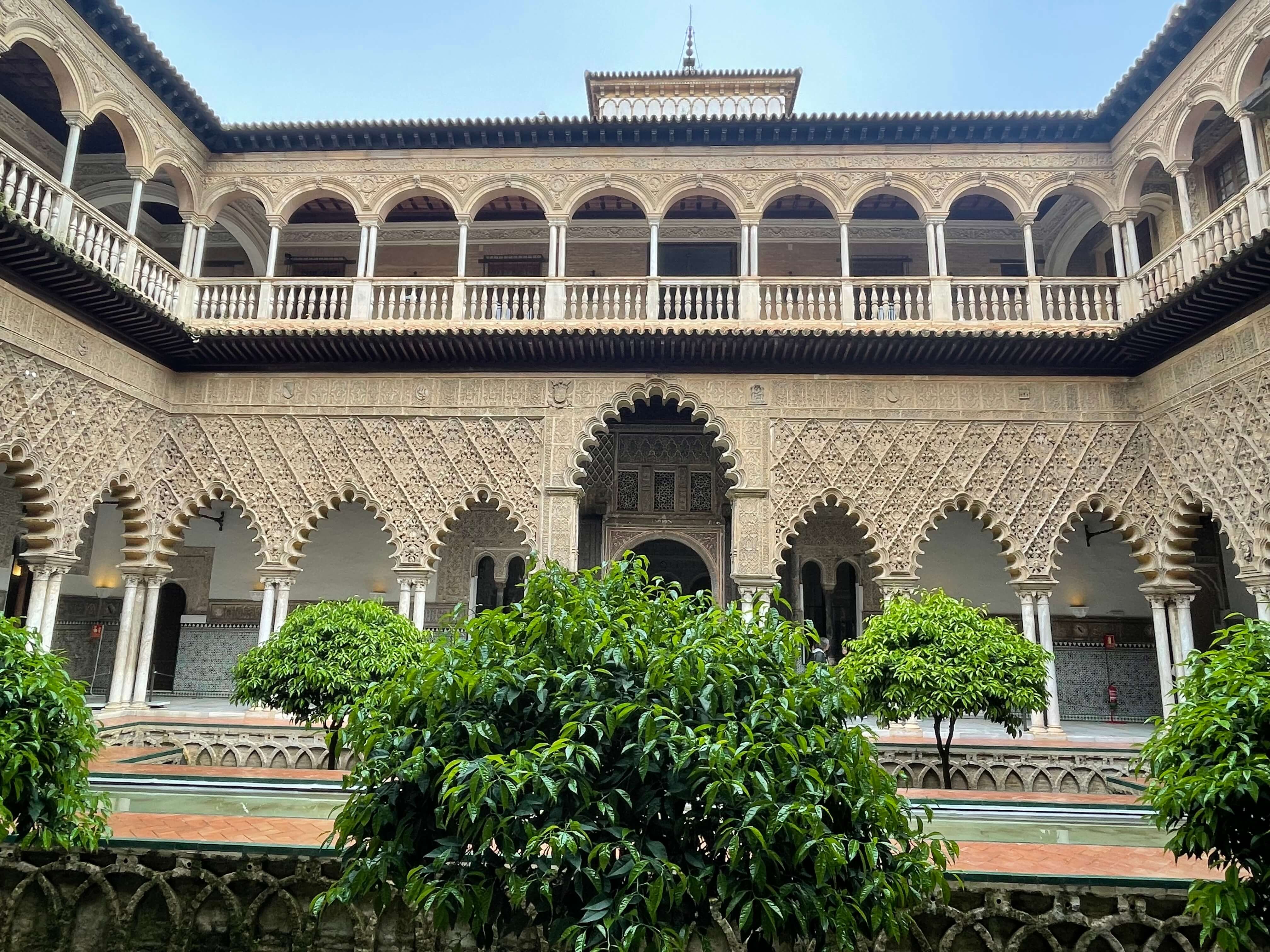
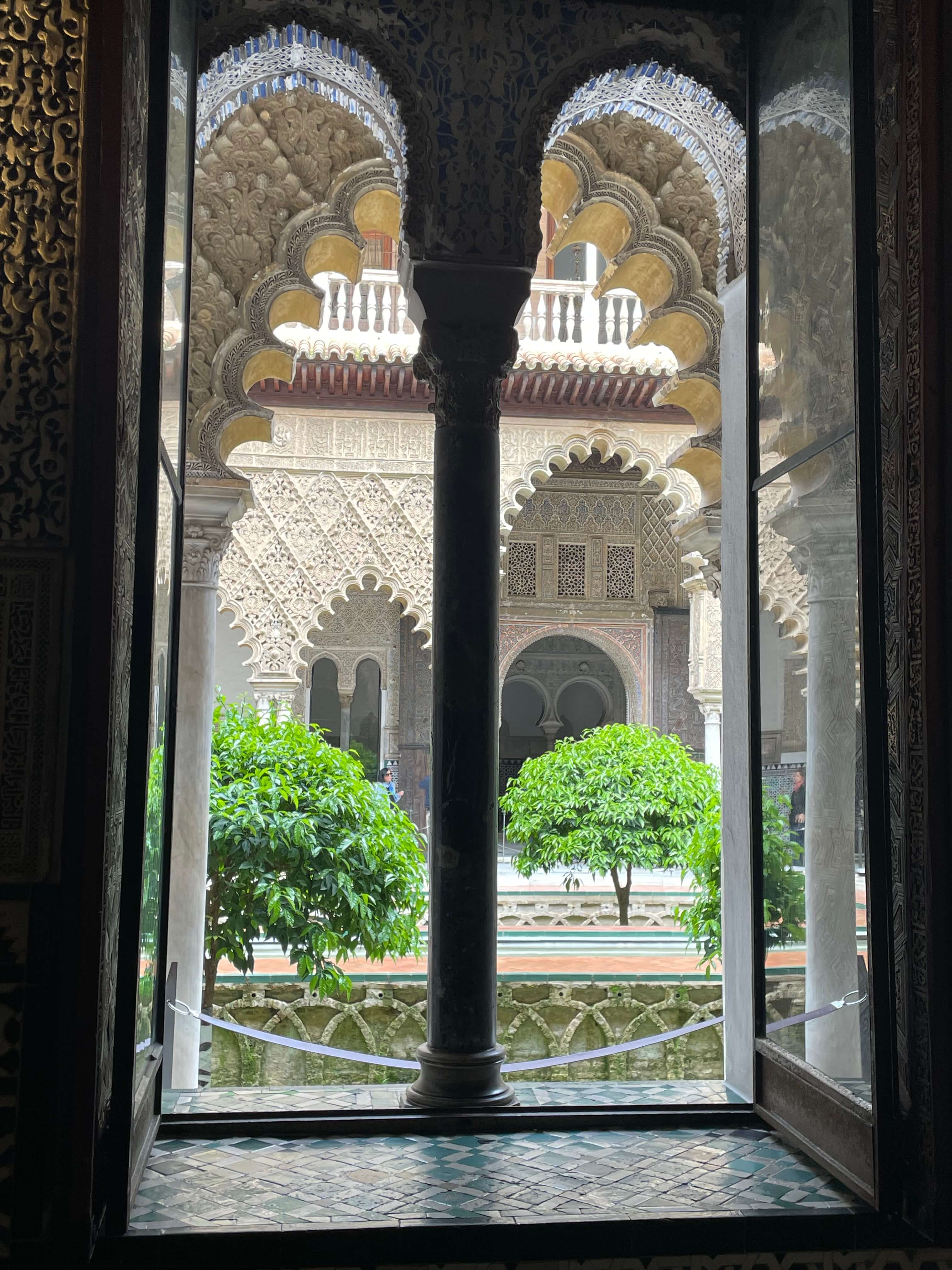
Just a taste of the Islamic architecture. Both of these shots are in the Real Alcázar.

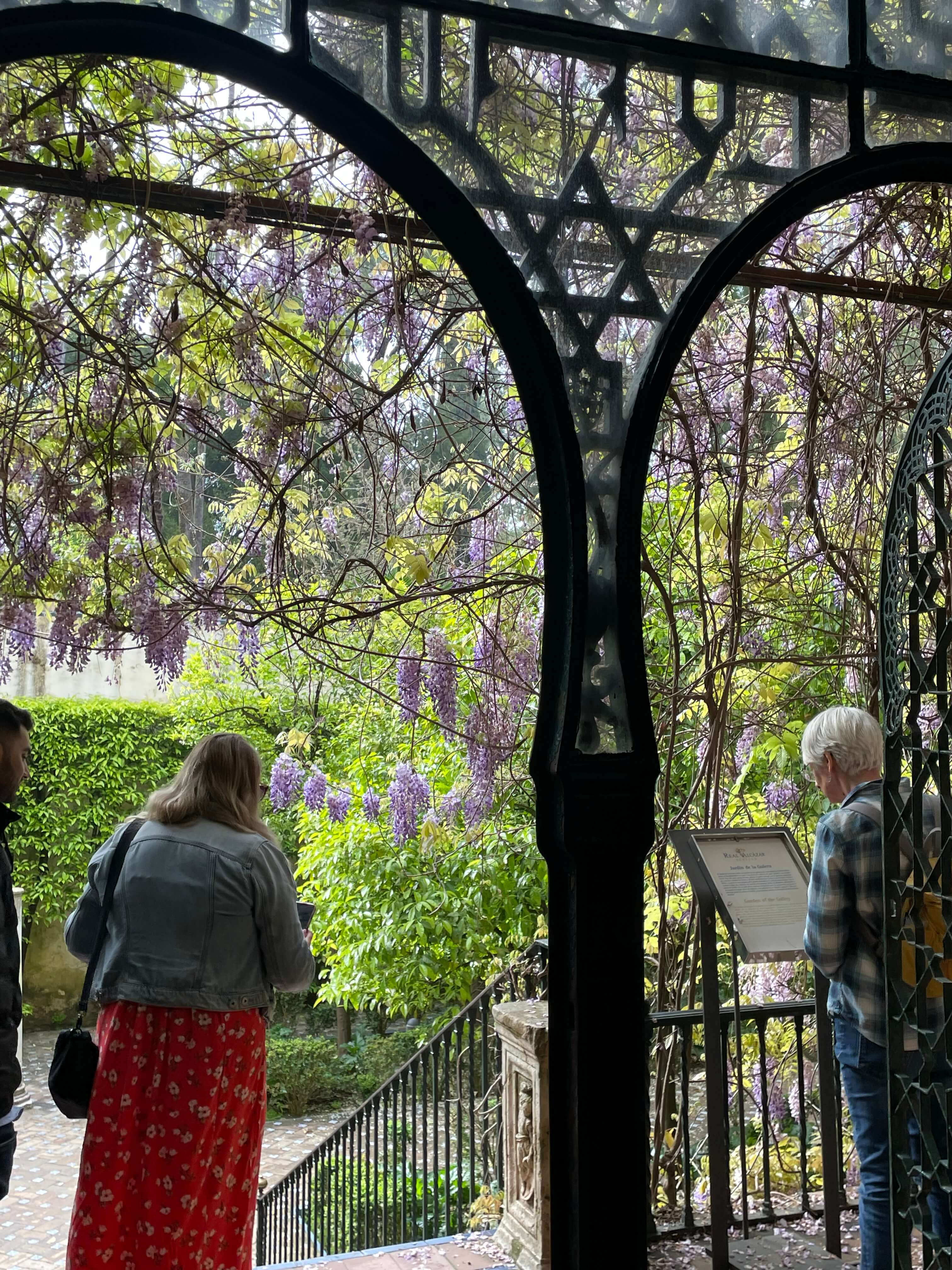
Outside in the grounds of the Real Alcázar.

Flamenco. The real thing is very impressive!

Orange trees. Of course.

The grounds of the Casa de Pilates.

The Metropol Parasol (Las Setas de la Encarnación). Possibly the largest wooden building in the world. From a distance it looks rather as though it were built by giant wasps.

‘Information’ Overload

I’ve had this post in mind for a while without actually getting around to writing any of it. But I felt it would fit in well here, following on from my last post.

We are supposedly better informed today than we were twenty, fifty, a hundred years ago. I’m not sure I agree, though. Certainly, there is no lack of information available, and access to it couldn’t be any easier. In fact whatever you want to know, you can find it online. Anything. Whether it be true or false, it’s there online. And because all this information is easily available, and because billions of people have access to the internet, it can be spread incredibly far and wide in a tiny amount of time. It is certainly not just AI that has led to this. The internet was full of misinformation long before AI was an issue.

I heard a few years ago that university students were forbidden to use Wikipedia as a source for essays and research. The people who add information to Wikipedia do not have to be any kind of expert. There is a certain amount of checking, but I don’t know how rigorous it is. Certainly, it is not unknown for mistakes and deliberate falsehoods to be added. This is why I have never used it as an information source. At best I have found what I might be looking for on there, but then gone to a reliable site to check it. For medical information, for example, I would use the UK’s NHS site. For historical information, I might use a top university website, or a large museum’s. A site where the information will have been uploaded by experts and specialists.

YouTube seems to be ridiculously popular with huge numbers of people as an information source. There are, of course, YouTube channels by very reputable people and institutions, but also a huge number of ones which exist solely to spread misinformation and total lies. And while it may be easy to tell some of the bad ones from the good, that still leaves large numbers that might or might not be reputable.

The same is true of social media. Countless sites run by Holocaust deniers, Nazi sympathisers, and every sort of conspiracy theorist from Flat Earthers to those who believe the world is run by paedophile alien lizard people. Again, while most of these are obviously what they are, many are less so.

Why so many sites spreading disinformation? The first reason is that there are many people who believe the crazy conspiracy theories. I’m not getting into the hows and whys of this, but the psychology is interesting. But the second reason is money. Many of these sites are monetised, so that the more clicks they get, the more views, the more money the site owner ‘earns’. Probably a feeling of power, too.

And to return to AI briefly, if anyone is in any doubt that it will make things up or provide misinformation, should you ask an AI program for examples of misinformation from an AI program, it will provide them. Whichever way you look at that, it is proof.

The advent of physical self-publishing, too, has contributed to this, albeit less seriously. The vast majority of self-published books are fiction, but who is there to check the accuracy of the supposedly factual ones?

As difficult as it is to separate fact from fiction now, how will it be in five, ten, or twenty years down the line? Or a hundred? We already treat historical records with a certain amount of suspicion, aware that many of them will be biased or fabricated. I suspect that generations to come will decide it is impossible to be certain of anything that happened in these times.

In a way, they will be the new Dark Ages.

A Justification of Theft

Clickbait? Perhaps, but I have a point to make.

There is a blog I follow which regularly posts about good people. People who make a difference to their world. Kindness. They change lives. And it makes for a refreshing read in a world which often appears to be so full of shit we could be drowning in the stuff. I also see now on social media – at least on Facebook, which is the only one I follow other than Instagram – AI generated posts on good people. I know they’re AI generated, because the signs are all there. I don’t intend to list the signs, as most people are aware of them already. These AI generated posts seem to fall into the same few categories. There is the rough biker with the heart of gold adopting a defenceless little girl. The retiree who’s lost his wife and finds meaning in life through spreading love through his community. There’re one or two others, but they all seem to fall into a few predictable categories. And you read these long tear-jerkers and reach the end and you go ‘Ah, isn’t that lovely.’ Or you’re meant to, anyway. But they are AI generated, the people don’t exist (although the original ones may have been based on real people), and these things did not really happen. But does this matter?

I think it does, for several reasons. AI invents stuff. If this is not the intention of the user, these are known as ‘AI Hallucinations’. If it can’t find what it’s been asked to find, it will sometimes make something up instead. Equally, it may draw data from untrustworthy sources. Then there are AI programs which are designed to make up stuff. If we understand that, then when we read something we understand is AI generated, we don’t necessarily believe it. And since we don’t believe the characters or the narrative, then the message it is designed to deliver is rejected. We all know that kindness is a good thing, but being told that by a computer program that has clearly fabricated the vehicle of delivery diminishes the message.

It is the exact opposite of ‘Don’t shoot the messenger’, because in this case the message is rejected because the messenger is flawed.

And the more we read these posts, knowing they are AI generated but if we’re still happy to take them completely at face value, the more we help to normalise the things. The more we accept AI into our lives and accept these fabrications.

So there are more than one type of AI program. Many of those that are really good at inventing stuff, and there are quite a few, are designed specifically to write books. They advertise themselves as producing books ‘in minutes, not months’. A few clicks on the button and hey presto! I’ve written a book! I’ll get back to this at some point, but are these people authors? No. They’re not. They’re frauds. But this brings me back to those original posts, which someone has created using an AI program similar to the book writer programs to deliberately invent the contents.

And to the more important point, the point where both the hallucinations, but even more importantly the deliberately fabricated material, really matter.

AI is, as we’ve seen, designed to invent stuff. Okay, that’s a simplification, but the point is that it’s designed to give the user exactly what they ask for. If someone requests it to write a piece justifying theft, or infanticide, for example, (not to ask it if it can be justified, but telling it to actually do so) it will do that, citing either nasty stuff it’s dug up from some remote hole on the internet, or, more likely, completely inventing stuff because the real justifications don’t exist. And it will look reasonably believable, perhaps writing something along the lines of ‘the Cornel University experiments of 1983 – 1984 by Taylor and Whickham et al demonstrate that…’ etc etc. And the casual reader will think ‘oh, I never realised that. So perhaps there’s something in it after all.’ But these citations will be made up.

And to go slightly off topic for a moment, there are the illustrations. AI generated photos are still usually recognisable as such, but they’re getting much better. Ones that have been subtly manipulated are now very hard to detect. The implications there should be obvious, can we now believe anything we see or are told?

This is not to suggest AI is an unmitigated evil. Its champions will point out advances in, for example, medicine and material sciences, which are very real and extremely important. But the issues of misinformation and, as frequently cited, intellectual property theft, to say nothing of the potential to completely destroy careers in the literary and artistic worlds, are also very real.

So how do we fight this? I’m afraid I’ve no idea. The genie is out of the bottle and I see no way it’s going back in again. Other than burning down the internet we are stuck with it and over the next year or so (or less – who knows?) it’s going to get harder and harder to tell truth from complete (and possibly dangerous) crap. While the programs are becoming better at presenting the genuine data they are requested to present, the ones inventing stuff are getting better at making this appear real. All we can do is be aware of this, be cautious and critical. And perhaps we could go back to getting our facts from books which, although not infallible, are far more likely to be accurate. Publishers are still the gatekeepers there, and they tend to do a pretty good job. Research stuff properly. Rather than accepting important medical information, for example, from Joe Bloggs on Facebook, look it up on a respectable site, like the NHS (in UK).

Maybe just stay off the internet more.

Which is probably a good idea anyway.

An Andalusian Adventure (2) – reblog

It was a long way to Colmenar. I was walking up into the Malaga Mountains, with no map and no directions other than a road sign at the edge of Malaga suggesting that by following this road I would eventually reach my destination.

I suspect I have undertaken other journeys where I have been better prepared.

But the day was perfect for walking, with high drifting clouds and a light breeze to keep me cool, and having done little for several days other than eat, drink and wander around Malaga, I was feeling fit, fresh, and eager to get going.

As the hours went by and I slowly gained height, the clouds began to build up, and the temperature gradually dropped. About an hour from my destination, it finally began to rain. Immediately the temperature plummeted, and I rapidly went from merely chilled to decidedly cold.

Usually, we approach rain all wrong. Buddhists would say unskilfully. If it begins to rain, we hunch ourselves up, both physically and mentally. We fear becoming cold and wet. We need to let go of this fear. It’s a good lesson to learn. Stop. Take several long, slow, deep, breaths, and let go of this feeling. Let go of this need. We act as though hunching ourselves up will keep us dry and make us warmer. It doesn’t. Unless one can find shelter, it is better to accept the rain and finish the journey.

It is a cliché to speak of heightened awareness, yet that is also a by-product of this letting go. We remove our focus from the rain and instead allow it to go elsewhere, where it is really needed. We should throw back our heads and embrace the rain, enjoy the freshness of the rain on our faces. Listen to the sound of the rain on the ground and the leaves around us.

Back then, I hadn’t learned that lesson. I hurried towards the town as fast as I could.

One of the first buildings I came to was an inn. I went into the bar and asked for a room. The room I was given was reached by leaving the bar again and walking around the side of the building. The door to my room had a gap at the bottom of an inch or two, but otherwise fitted the door frame well enough. It was locked and unlocked by the type of huge key frequently described as a jailor’s key. The room was furnished only with a bed, a chair, and a small chest of drawers. There was a mirror above the chest of drawers and a crucifix above the head of the bed, but other than those the whitewashed walls were bare. There was a small window which was shuttered. The floor was of flagstones, with no carpet or mat. To use toilet or bathroom it was necessary to leave the room again and continue still further around the building to reach a very basic room. But again, it was clean. And there was a toilet that worked, and a sink with a cold tap. There was also a shower set into the ceiling I could have braved, but it felt much too cold for that.

Later, I would occupy rooms like this in many other places, in many other countries. Simple, perfectly clean, and usually very cheap. I am not sure whether it is because they appeal to the minimalist in me, but in many ways I prefer them to more comfortable accommodation.

Whenever I have stayed in one, I have always felt I was carrying too much baggage with me. I have been beset with the feeling I should be throwing out some of the items I have in my bag – do I need all those clothes? All those other items? It has been a recurring regret of mine that I have never managed to live a simpler lifestyle than I have. I have never enjoyed the frenetic hurry and clamour of modern urban life, and I hate how easily my life can become complex and filled with what feels like unnecessary fuss.

Here, even the spartan contents of my rucksack seemed too much. Perhaps I had too many books with me…

But now I was here, I changed out of my wet clothes and opened the shutters so I could look out at the low cloud and misty horizon. The rain drummed comfortingly on the roof and I settled down to read a book for an hour or so. I was content, and that’s a good place to be.

I cannot remember what I had for supper that night, but I do remember I drank a bottle of cheap red wine with it. Perhaps that is the reason.

I rather think I slept well, too.

And as in all good stories, the morning dawned bright and clear, the sun shining low in a clear blue sky. Before I left the town, I passed a couple of shops and bought a few items for my lunch: bread, a huge tomato, a hunk of cheese, a couple of apples, a bottle of cheap wine.

img20190318_12103098

With the improved weather, and the fact I had more downhill stretches that day than uphill ones, I allowed myself the luxury of returning to Malaga slowly, including a stop for lunch of about an hour. Compared to the UK, Spain is a large country and the rural population is comparatively small. Although I was not far from the city, I saw almost no one else on my walk and I meandered along slowly through a mixture of low trees and bushes, many of them in flower – the distinctive Mediterranean maquis vegetation – rocky outcrops and clumps of flowers, and the occasional lone farmhouse. The ground was dry and dusty, as though the rain of the previous day had never happened, and the sun was hot. With my lunch consisting of about half a bottle of wine as well as the food, I was feeling extremely weary and footsore when I reached Malaga again. I found the hotel I’d stayed in before and got a room on the same floor. After showering, I finished the bread and cheese and decided all I wanted to do was read my book for a while and then have an early night.

There was a knock at the door and when I opened it Matthias was standing there grinning.

‘I saw you arrive earlier. We go for beer, now!’

An Andalusian Adventure (1) – Re-blog

It is certainly much harder to learn a foreign language when you get older. Since we’d like to do some more European travel (in my case, especially Spain) I’ve been trying to polish up my Spanish, but seem to be making very slow progress.

But I said I would re-blog the occasional post so here’s one from 2020 about a walk I took in Spain back when I was young and a hell of a lot fitter than I am now:

img20190318_12075705

It wasn’t my first trip to Spain, although it was a long time ago now. I walked into Malaga with a rucksack on my back and followed the signs for ‘Centro’ until I found myself in the crowded central district of older narrow streets with three- and four-story shops and cafes, guest houses and cheap hotels. The second hotel I tried offered me a perfectly adequate room on the third floor at a very good price.

The hotel was old. The wooden floors of the corridors were worn and polished by the passage of countless feet, and everywhere seemed gloomy. It gave the impression of having more nooks and corners where light never penetrated than it should. But the only light came from the occasional bulbs hanging from the ceilings, and other than by returning to the street, the visitor would only encounter daylight once they had reached their room and opened the curtains.

The bed was old, and sagged a good deal more than it should, and the furniture was so dark with age it was difficult to make out the grain. As a base for a few days, I decided it would suit me fine. As I unpacked and settled in, I suddenly heard a violin being played. It sounded quite close, and I opened my bedroom door to investigate. I had just decided the sound was coming from a neighbouring room when it stopped, and then a door opened. A man about ten years older than myself emerged and stopped when he saw me.

‘I’m sorry,’ he said. ‘Did I disturb you?’

He introduced himself as a German who I shall call Matthias, although I am no longer certain that was his name, and who immediately invited me to go for a beer.

It would have been rude of me to refuse.

Matthias was meandering around Europe, he told me, and supporting himself largely by busking. Later that week I was to see him playing in the street and be surprised at just how many passers-by threw coins into his hat. It seemed a particularly enjoyable way to travel. Over those beers and then over a few more later in the week, we talked travel and philosophy, music and religion. When I meet someone while travelling, I find it interesting how I often have less constraint than I would when I meet someone for the first time in more familiar surroundings. Frequently, I will reveal things about myself I would never dream of doing to someone I meet perhaps for the first time at a friend’s house, or at my writing group. I presume it is the unspoken knowledge we will never meet again.

Beside the entrance to the hotel was a little café where I made it my habit to take a breakfast consisting of strong coffee, sometimes with slices of thick white bread dipped in olive oil, sometimes with fried eggs. It was a good place to sit and watch Malaga waking up. Its clientele were a broad mixture of workers all grabbing a quick breakfast on their way to office, shop or building site. Mostly they sat in silence, reading the morning paper and smoking, other than to give their orders to the waiter. On the bar a tiny transistor radio chattered away in speech too indistinct for me to make out more than the occasional word. In a way, though, that only added to the atmosphere. Despite it being a familiar situation, there was enough of the unfamiliar and the foreign to make it feel a little exotic.

I wanted adventure, I wanted to explore. I’ve wanted to do that for as long as I can remember. I travelled in those days with a few changes of clothes in a rucksack and a minimum of half a dozen paperbacks, which invariably included something by Hermann Hesse and at least one poetry book.

That, at least, hasn’t changed much.

I liked to travel light (other than the books, of course), so I had no camera with me and probably very few of the essentials most people would think to take on a Spanish holiday. No swimwear, for example. I don’t do beaches, at least not in that way.

But I had come to Malaga because I had a peripatetic nature, and my itchy feet were troubling me. After a few days I decided to take a walk out to the little town of Colmenar, to the north of the city. I would take a room there for one night and return to Malaga the following day. Any other destination would have done just as well; the purpose was the journey, and the journey was the purpose. I chose this route simply because while wandering around the outskirts of Malaga I saw a narrow road winding up into the hills with almost no traffic on it, signposted to Colmenar. The morning after I had made the decision, I packed my rucksack and checked out of my hotel immediately after breakfast.

Part 2 to follow

6th November 2025

When I began this blog, some ten years ago, it was for the express purpose of both promoting my writing and discussing writing in general. Since then, although I have certainly used it for that purpose, promoting my books and zines, posting the occasional poem, writing the occasional review of other books, and posting discussion topics on the subject, the blog has almost inevitably drifted into other waters. Since I enjoy travel so much, I began to post photographs and memories of those travels. I put up pictures of my artwork, since this seemed an obvious (and free!) place to promote them. Articles on the British countryside, mythology and folklore, and customs. Like most people, I have wide interests and this is a good format to record them in.

The Old Weird Albion, by Justin Hopper. Reviewed in 2019

One of my great pleasures has been the meeting of minds. We follow each other, read posts and comment, foment discussions. And it is a safe place! Unlike social media, it is very rare for strangers to barge in and attack other users. And on the very rare occasions this happens, it is easy to just block them. This makes it a much more enjoyable place to spend time. And there are no algorithms pushing contentious posts at the reader.

Mount Everest, photographed from Tengboche in Nepal from a post in 2021

But for the last couple of years I have been rather tardy in both posting and reading other’s blogs. Part of the reason for this is that since being retired, for some reason I seem to have less free time than I did before. I’m not really sure why that is. But I’m still here. And to get myself back into the swing of things, as well as writing some new posts, I’ll probably re-post a few of the posts I put up a long while back, which many of my current followers won’t have seen.

Recycling is good, after all.

A piece of my artwork.

Writing Update

I haven’t done one of these for a long time. For anyone wondering what has happened to my novel in progress, it’s finished. Hurrah! I know there were two earlier versions which got discarded as soon as I had finished them, but I’m really pleased with this one – it’s the book I had visualised when I began it nine years ago. Only better. When I had finished the earlier versions, I felt relief they were finished, but no joy. This time, I’m really happy with what I’ve written. I know it’s what I want to say.

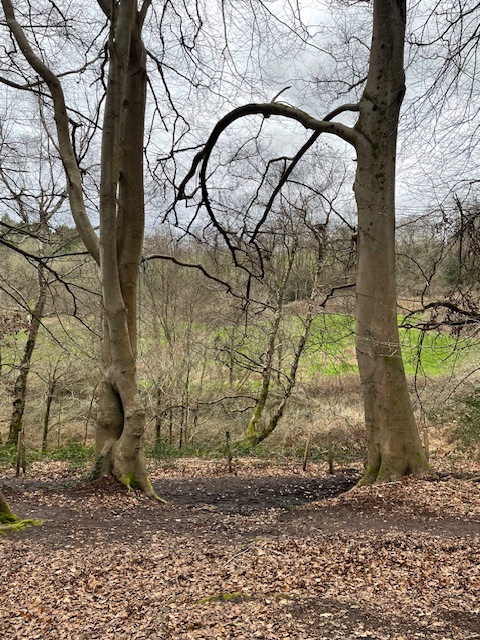
Irrelevant photo. Because.

It has had the attention of several beta readers and is now all the better for their suggestions. It has also had what I hope will be the final edit, and I am beginning the process of looking for a publisher or an agent. This means a lot of research and writing both long and short synopses. And then, I suppose, months of waiting to see whether I have any luck.

There is also poetry and zine-making going on sporadically, plus some currently vague ideas for another novel.

It’s all go, I tell you.

Cordoba

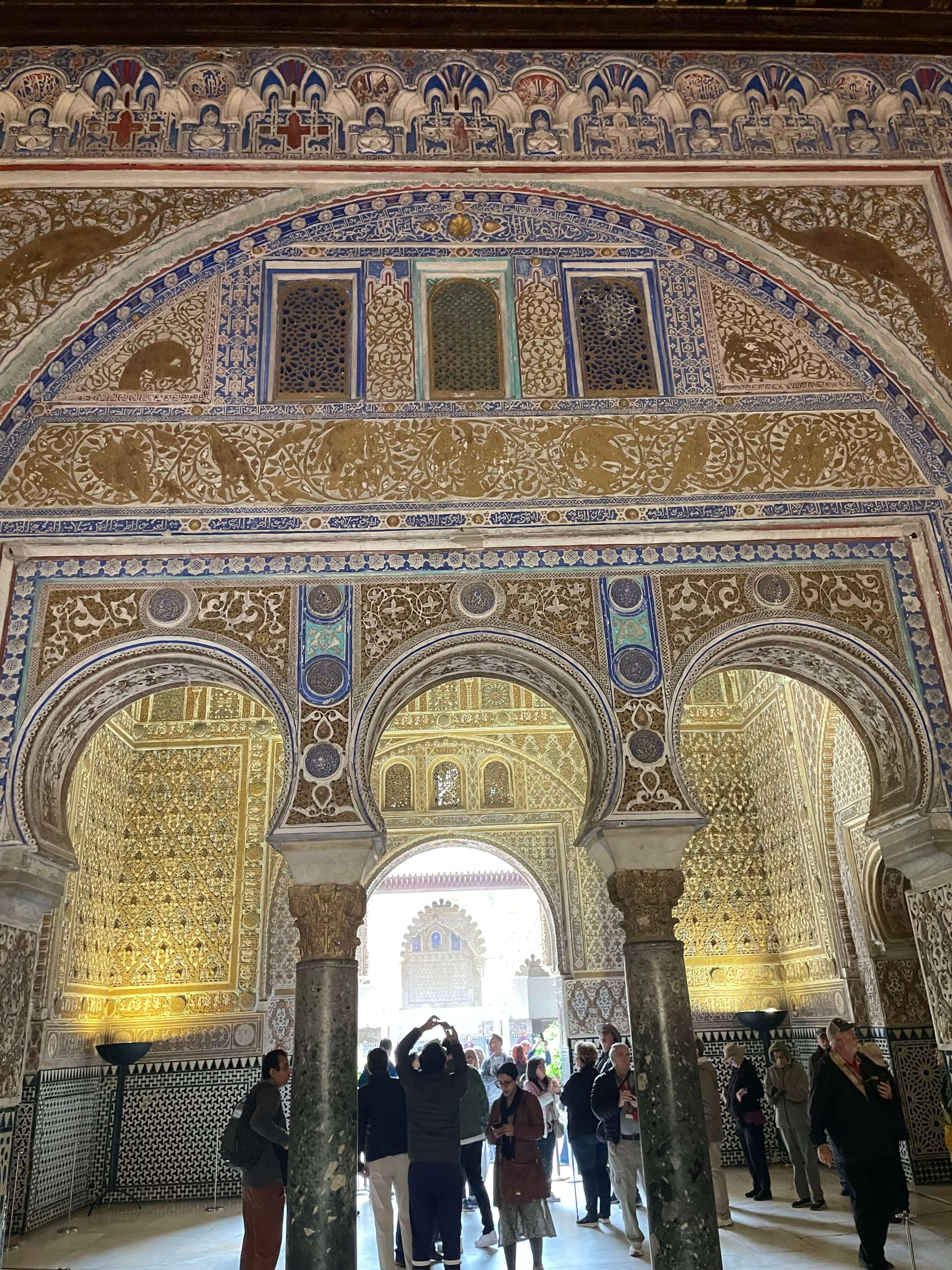
We were in Cordoba in April. And we naturally visited the Mezquita (Spanish for mosque), a mosque repurposed as a cathedral in the sixteenth century. In this post, I’m focussing on the Islamic architecture – the parts that really interested me.

Regrettably, we had both been ill since before we left The UK and I was still feeling pretty grim throughout this part of our journey. This definitely impacted upon our enjoyment of the trip and I certainly fancy a revisit at some point. (It’s also worth mentioning we did the entire journey by train, which was comfortable, efficient, and more environmentally friendly than flying. That’s not relevant to this post, though.)

The forests of columns and archways are probably what the Mezquita is best known for.

I think the light almost gives this the quality of a Renaissance painting.

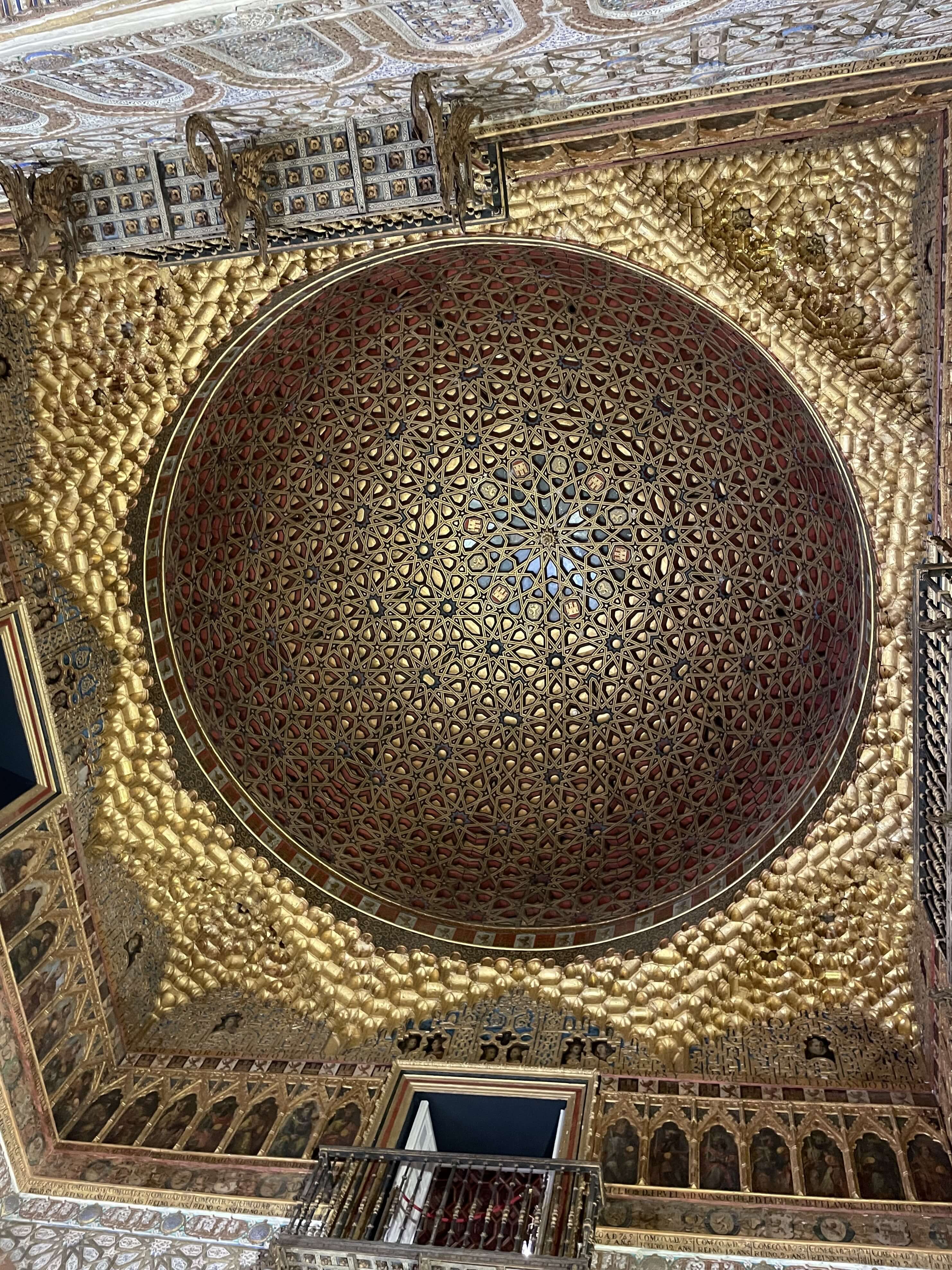
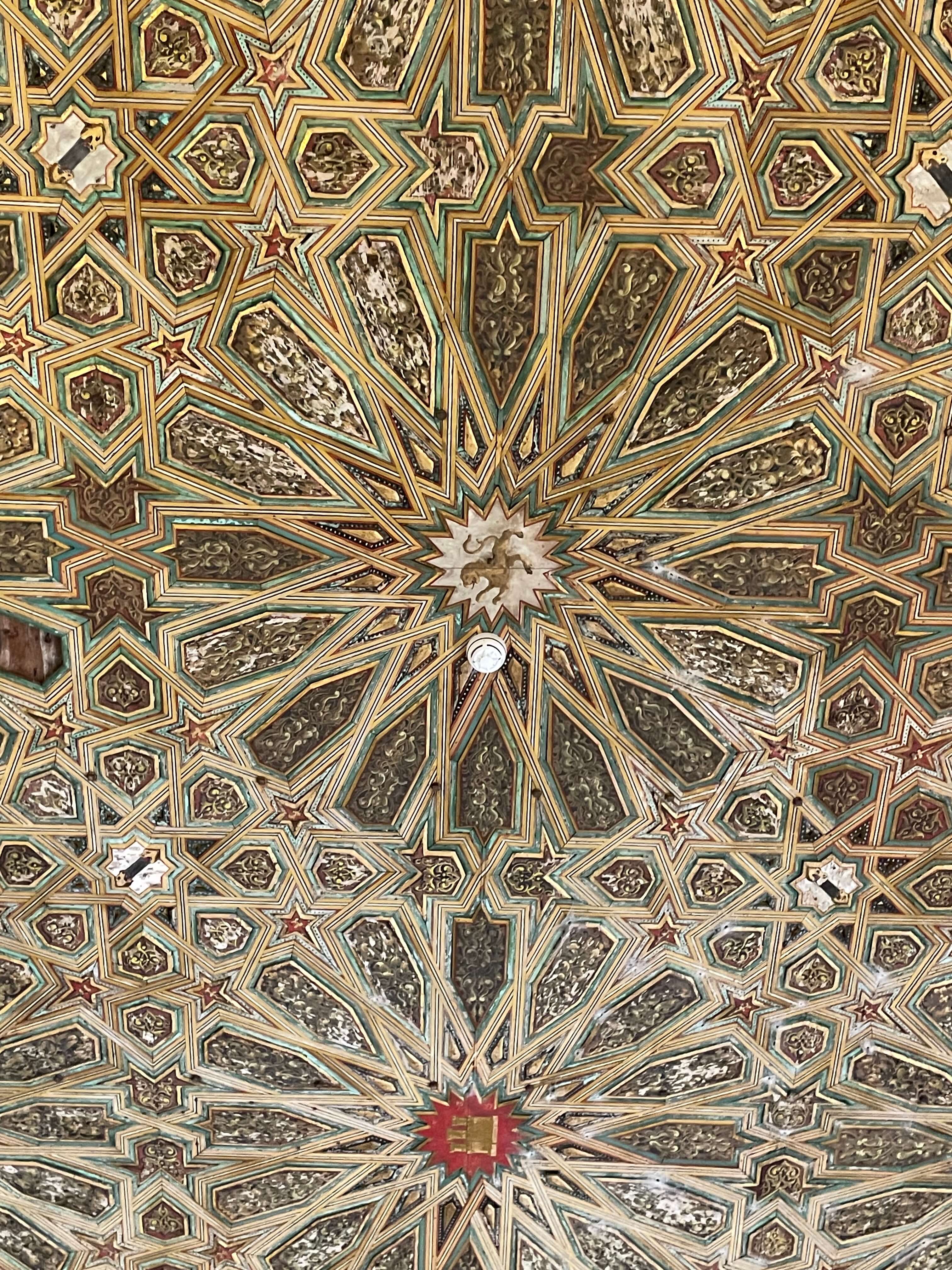
The Islamic world does amazing architecture. Arches, columns, and domes are the mainstay of their construction, but the decoration is also remarkable. The prohibition on depicting anything in the natural world means that paintings and carvings are invariably geometrical, intricate and inventive.

These type of decorated ceilings are common in the Islamic world.

This part of the roof is a whole other thing, though. The dome sits on top of a series of squinches, an architectural development allowing the transition from a square space to one where a circular dome can be supported (I’ve come across squinches before, in India. If you’re curious, the post is here). The decoration is glorious!

We had some rain, but sometimes buildings look even better in the rain. Well, that’s what I think, anyway.

A Change Is As Good As A Rest

The last couple of weeks have seen a real mix of weather – typically autumnal. At times it’s been absolutely hammering it down here. After what feels like an impossibly long spell of parched heat, in the last week we’ve had some marvellous rainstorms.

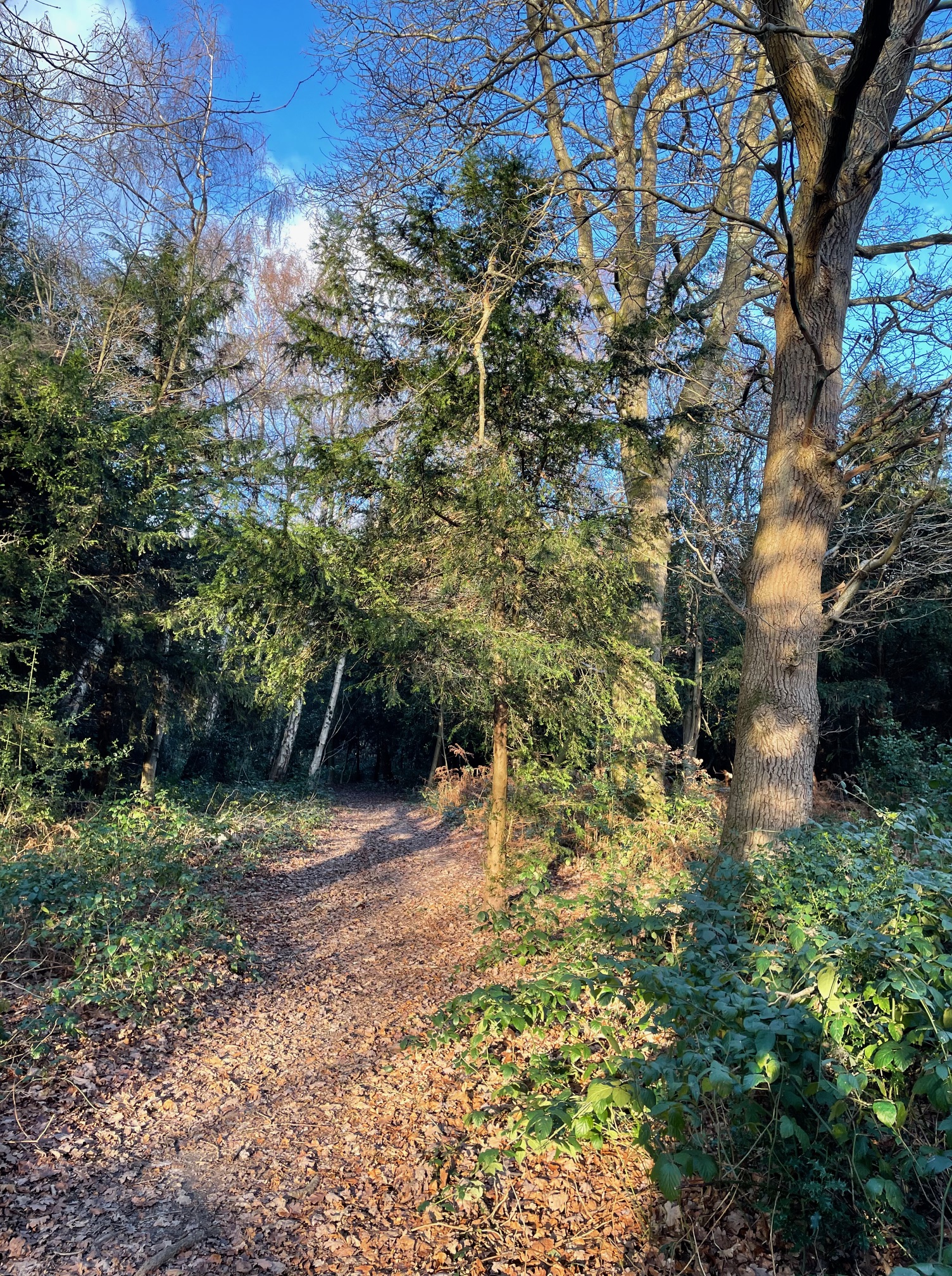
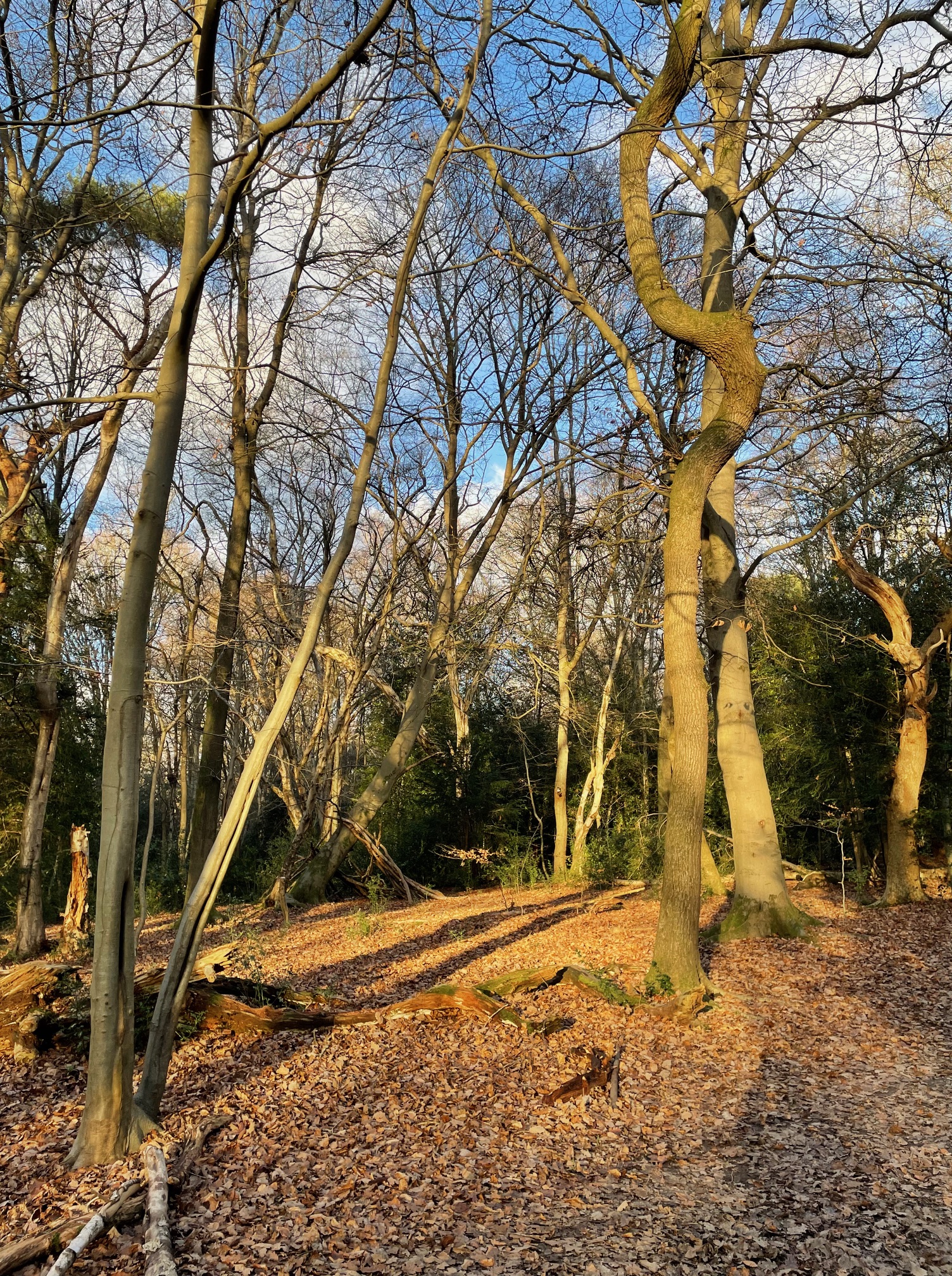
These rains have freshened the tired summer greens as though they’ve suddenly been woken up and sparked into life again. As summer drifts into autumn, we’re suddenly presented with the lusciousness of spring.

The heat had left me both mentally and physically exhausted, but I’m finally reviving a little. Autumn, like spring, is a season of change and I’m feeling the effects.

I’m also celebrating the return of mud. No doubt in the depths of Winter I’ll be sick of the stuff, but right now it appears like a magical substance. To walk upon ground that gives, ground that reacts other than by producing a puff of dust, is magical.

Even the birds seem more chipper.