Yesterday, I went for a bit of a walk. The oppressive humidity of the previous day had lessened, fortunately, and it was an overcast morning with a cool breeze.
Just the way I like it.
I decided to take the train a few stops down the line, where I could get out at one of those stations that bears the name of a village a mile or so away but stands on its own in the middle of the countryside. The nearest building (other than the station itself) is a farm. Hopefully I could have a day’s gentle walking with nothing more demanding around me than birds, insects, trees and wildflowers.
I really, really, needed to do that.
It seemed a good start at the station. A good omen. While waiting for my train to draw in, my eye was drawn to a single large, white, bindweed flower in the tangle of brambles and vines and bushes, trees and garden plants escaped and gone native that serves as a barrier behind the platform.
Most gardeners hate bindweed. I suppose we do, really. Once it gets into the garden it grows at a ridiculously rapid rate and strangles any other plants in its way. And even pulling it up doesn’t get rid of it. It just regenerates. I tell you, come the end of days it will just be scorpions, cockroaches and bindweed left.
But this flower looked lovely. The largest, pure white, bindweed flowers often remind me of the calla lily, only a calla lily that is not so…let’s say…excited. One of my favourite artists is Georgia O’Keeffe. I’ve probably told you that before. But O’Keeffe was particularly known for painting large flower paintings, many of them more than a little ‘suggestive’. And the calla lily was one of her favourites. I’d show you one of hers but, you know, copyright and all that. I’ll leave you to look it up if you wish to.

So, here’s the bindweed flower.
Anyway, I got on my train and later I got off at the correct station and began walking along the footpath and got shouted at by some sheep.
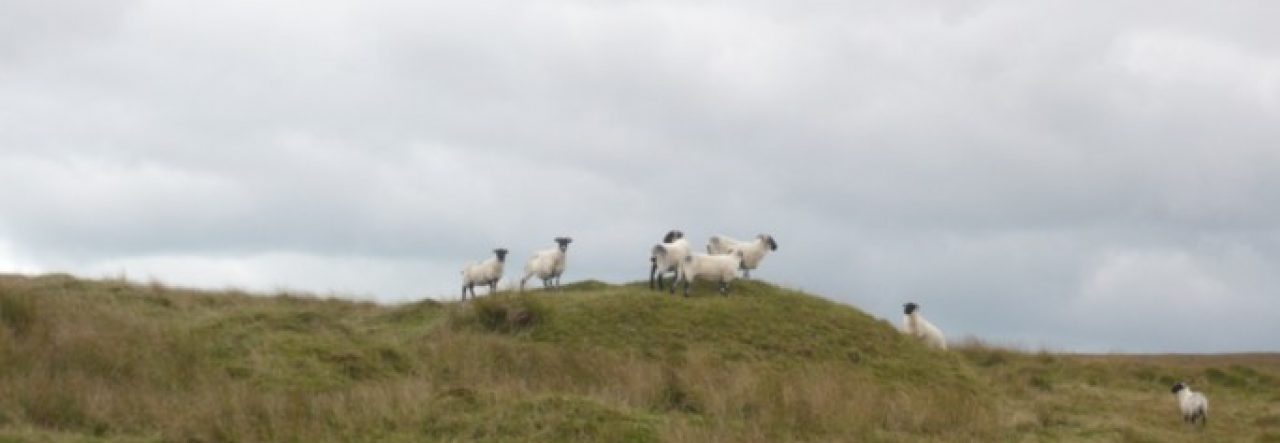
Really, there’s no other way to describe it. On one side of the footpath were a couple of dozen sheep in a field where the grass had been cropped very short and there seemed to be very little left for them to eat. As soon as they saw me, they came rushing over to the fence bleating loudly. Obviously demanding to be re-housed in the field on the other side of the footpath.
In that field, thick lush grass was being munched by a couple of dozen quite contented sheep. I didn’t hear a (Bo) peep out of them.
‘Really sorry,’ I told them. ‘I can’t help you.’ I walked on feeling oddly guilty.
But I got over it.

For the rest of the morning I walked slowly through fields and along lanes, stopping frequently to look at flowers and insects and, really, just enjoying being where I was.
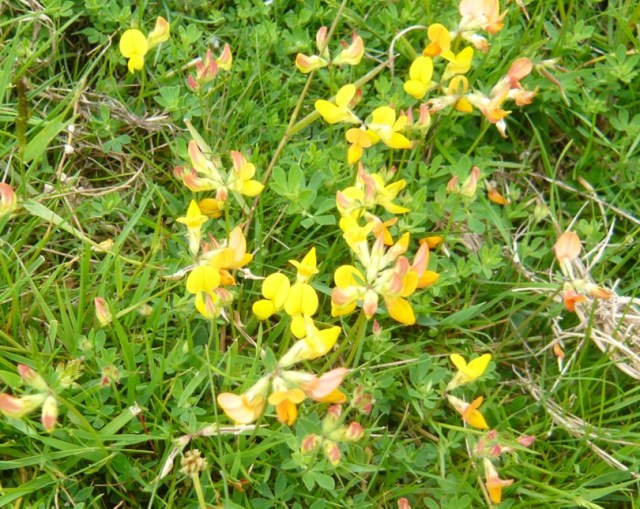
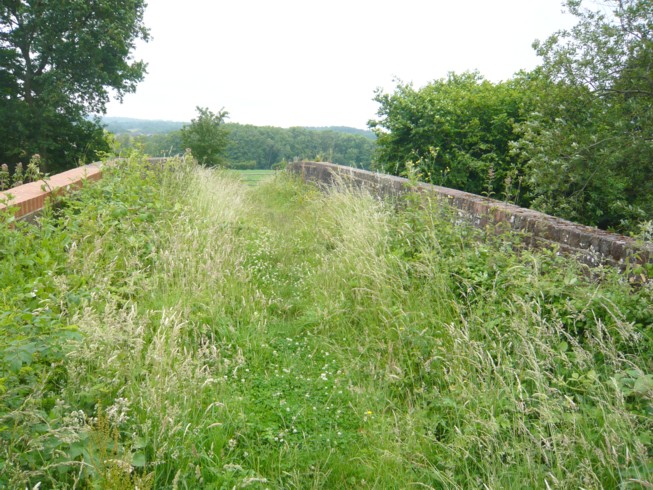
Bridge over the railway

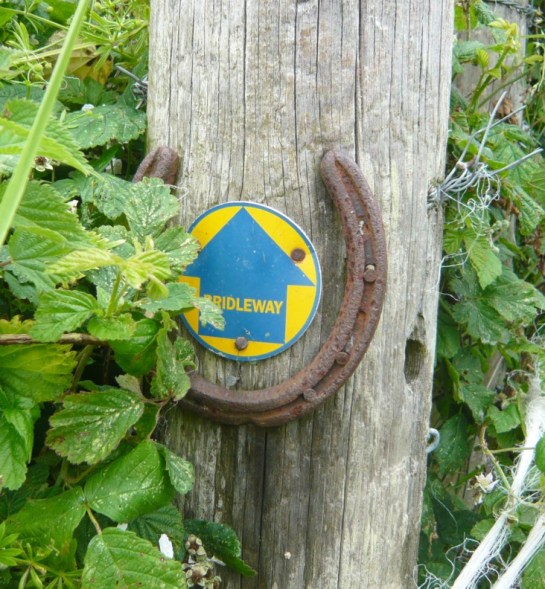

I was just beginning to think it must be lunchtime when my path took me through a field of long grass.
This field lay between a stream I had just crossed, and a wood where I was heading. The wood stood a little higher than the surrounding fields, and the long grass of the field I was to cross was thick and green. The breeze caught the top of the grass, so it waved like the sea or a large lake and as I began to wade through it, it really did feel as though I waded through water.
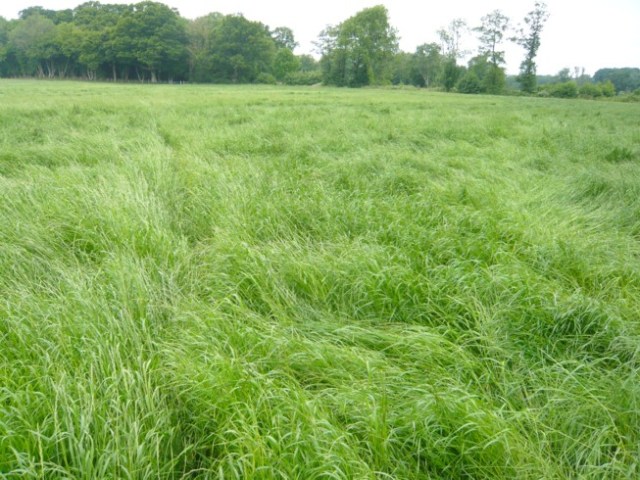
And there was the drag of the grass against my legs, and the top of the grass sparkled a little in the breeze, just as wavelets would. And there was also the sense that I was not quite sure what I might suddenly step upon. Just to complete the illusion, there were also some lovely blue damselflies darting around.
Then I finally stepped ashore at the edge of the wood, walked up a slight sandy slope that might have been a beach, and sat down to eat my sandwich.
Now, I have to tell you that this was the best sandwich in the world, and I won’t brook any disagreement. Thick wholemeal bread, cheese, several large slices of raw onion, and several thick slices of tomato. Perhaps it was my mood, and the setting, but it was damned good.
And then it was time to explore the wood.
 Mick Canning