In All Weathers

We’ve been on the South Downs again.

That’s why you haven’t heard from me for a while. Here’re a few pictures.

We began walking from Amberley this time, and on the first day the weather was pretty meh. It was either raining or starting to rain or just deciding when to rain. But, as always, the Downs looked fantastic. This view reminded me of a Roland Hilder painting:

But it got steadily wetter throughout the day. We took a very welcome break in the Frankland Arms in Washington and if I was writing a pub review it would get five stars – especially as it served Harvey’s Old Ale. But I only allowed myself one of those, as we still had some serious mileage to do. And it was, as noted, getting wetter. We approached Chanctonbury Ring:

And as we began the descent from the top, the saddest part of the journey. We walked among a large number of ash trees, all of which were dead or dying from Ash Dieback disease. It looked like a picture of the Somme.
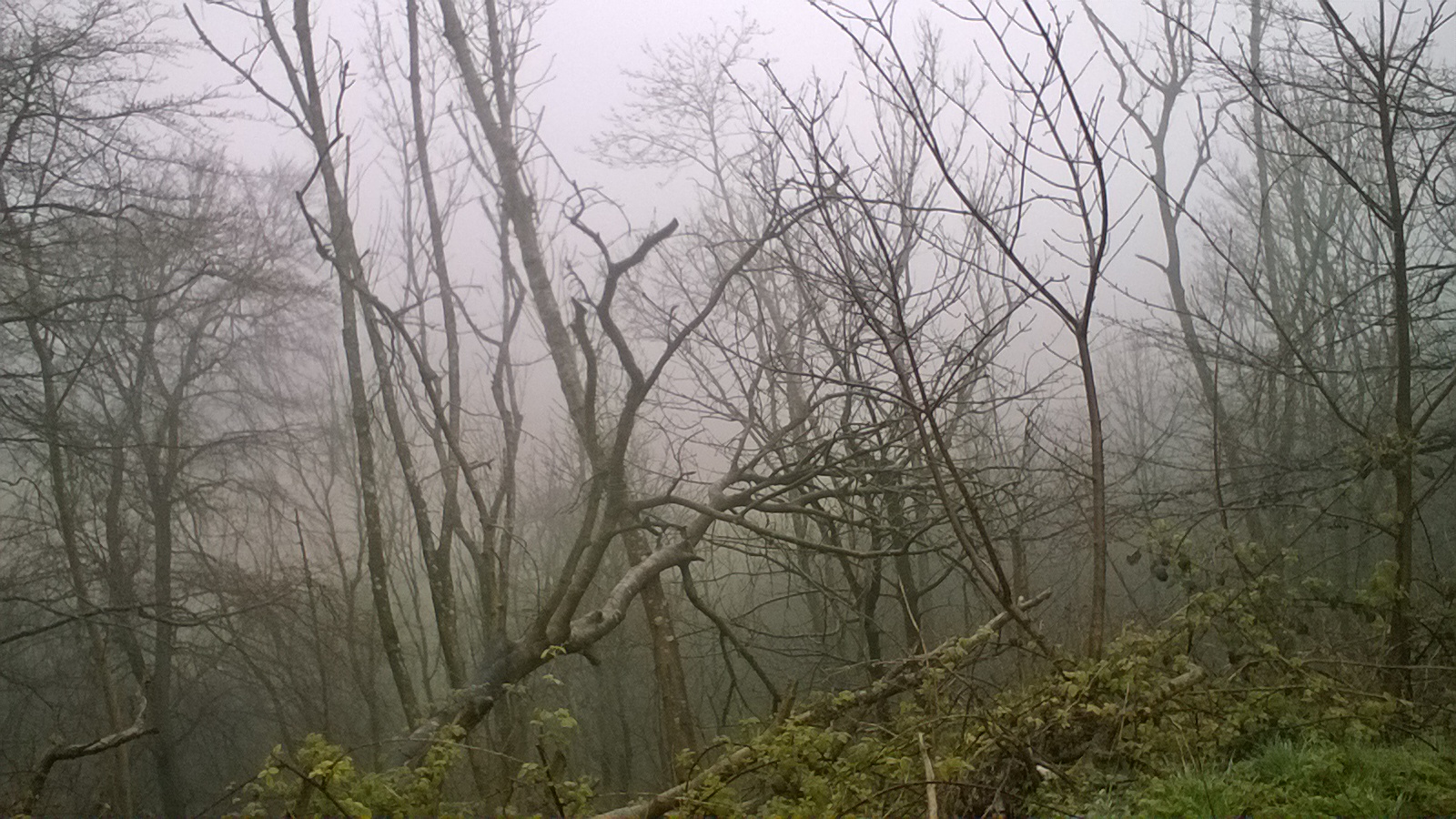
The next day was dull, but at least it was dry. We walked past the Devil’s Dyke which I never seem to be able to get a good picture of, no matter which angle I take it at. The Devil’s Dyke is so-called because for some reason the Devil wanted to destroy Sussex, and got talking to Saint Dunstan and asked him the best way to do it. Why he did that I can’t imagine. Never ask a saint for advice if you’re the Devil. It won’t end well. Anyway, Saint D suggested he dig a channel through the South Downs and flood it. Right, thought Old Nick, and set to work. Saint D let him toil away for a few hours and then caused all the cocks in Sussex to crow. Thinking it was morning, Old Nick threw down his shovel, twirled his moustaches and hissed ‘Curses, foiled again!’

Alternatively, it might have been caused by melt-water during the ice age, but why spoil a good legend?

And the best weather? During our rest day in Lewes. And, oh look! There’s the Harvey’s Brewery! What a good rest day.
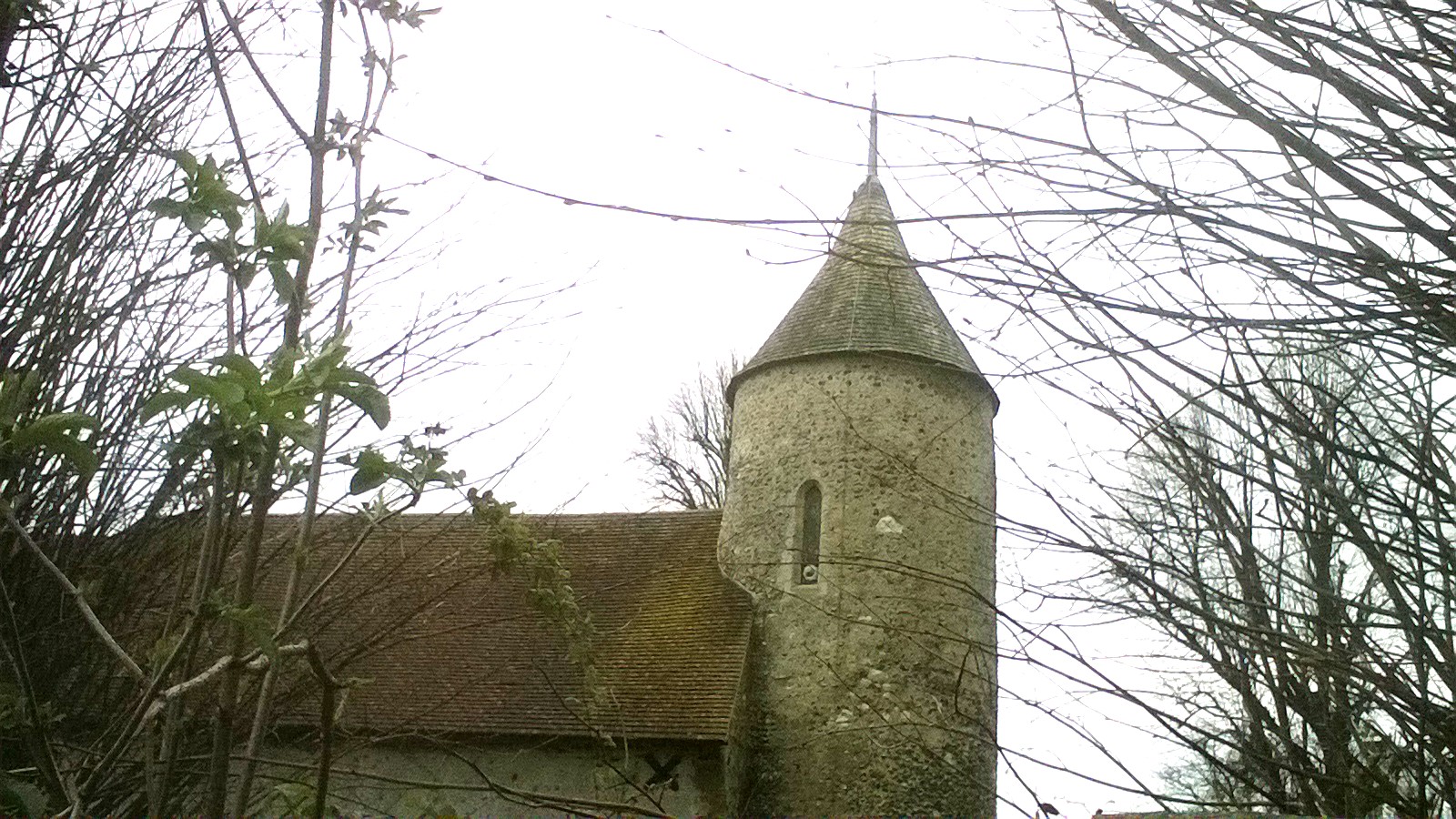
The following day was dull again as we left Lewes, and by now quite a sharp wind was blowing – into our faces too, unfortunately. But we had a pretty decent day and passed this church in Southease, one of only two (I think) in England with a round tower outside of Norfolk. The other is in nearby Lewes.

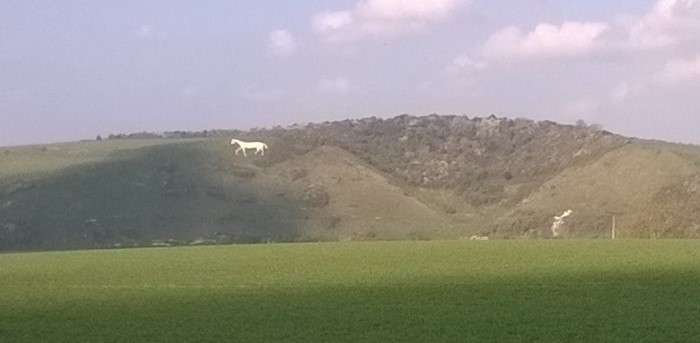
The final day began sunny but again with a sharp and unkind wind. We left Alfriston with its church on the edge of the village by the river and headed towards the coast. On the South Downs away to our right we passed a white horse carved into the chalk.
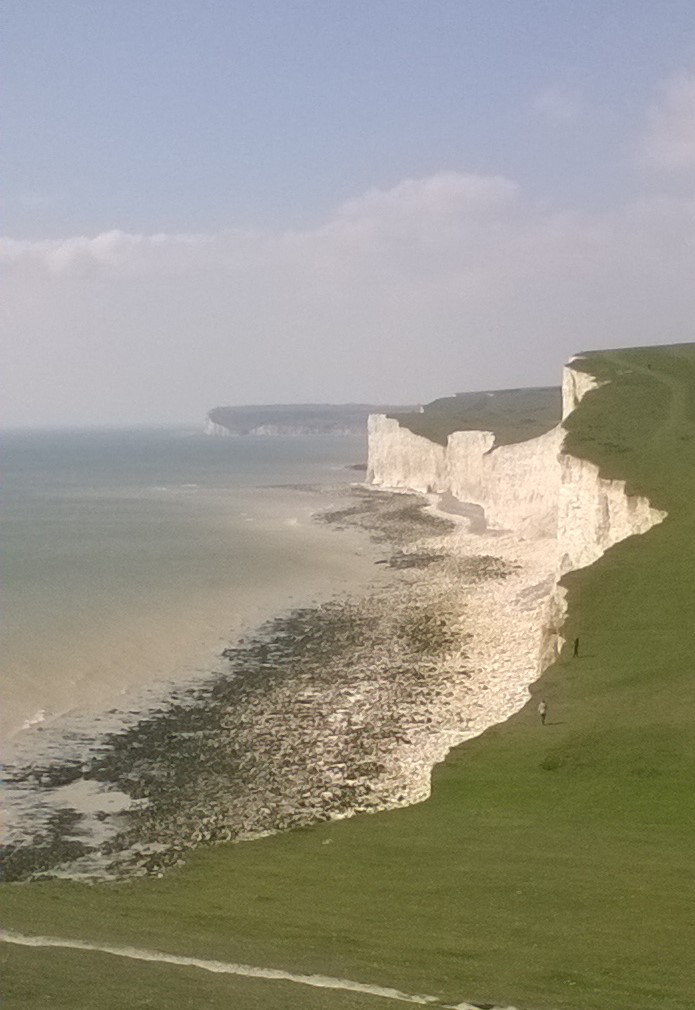
Soon we were up onto the Downs again, for the final walk into Eastbourne over the Seven Sisters and Beachy Head. I tend to forget how tiring this leg can be, going continually uphill then downhill for the best part of six miles. For some reason, although we could see the Belle Tout lighthouse in the distance, it never seemed to get any nearer. Once I could do this leg of the walk easily, but…getting a little older…

An always fantastic view, though. Here we’re looking back across the Seven Sisters towards Seaford Head.
After all that, we could do with a holiday.
Chanctonbury Rings

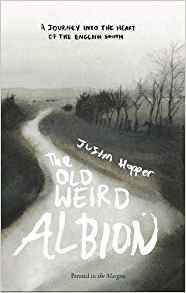
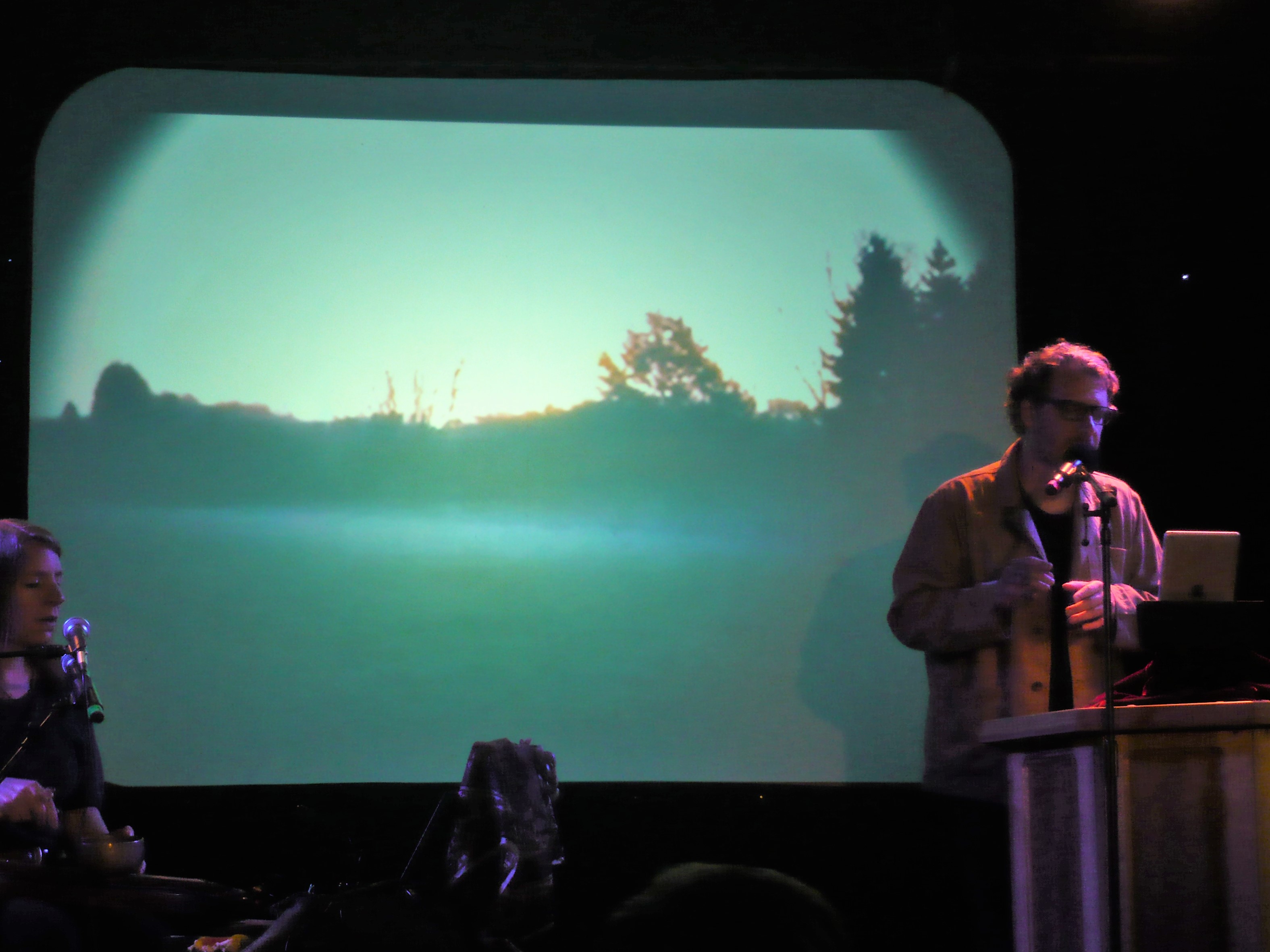
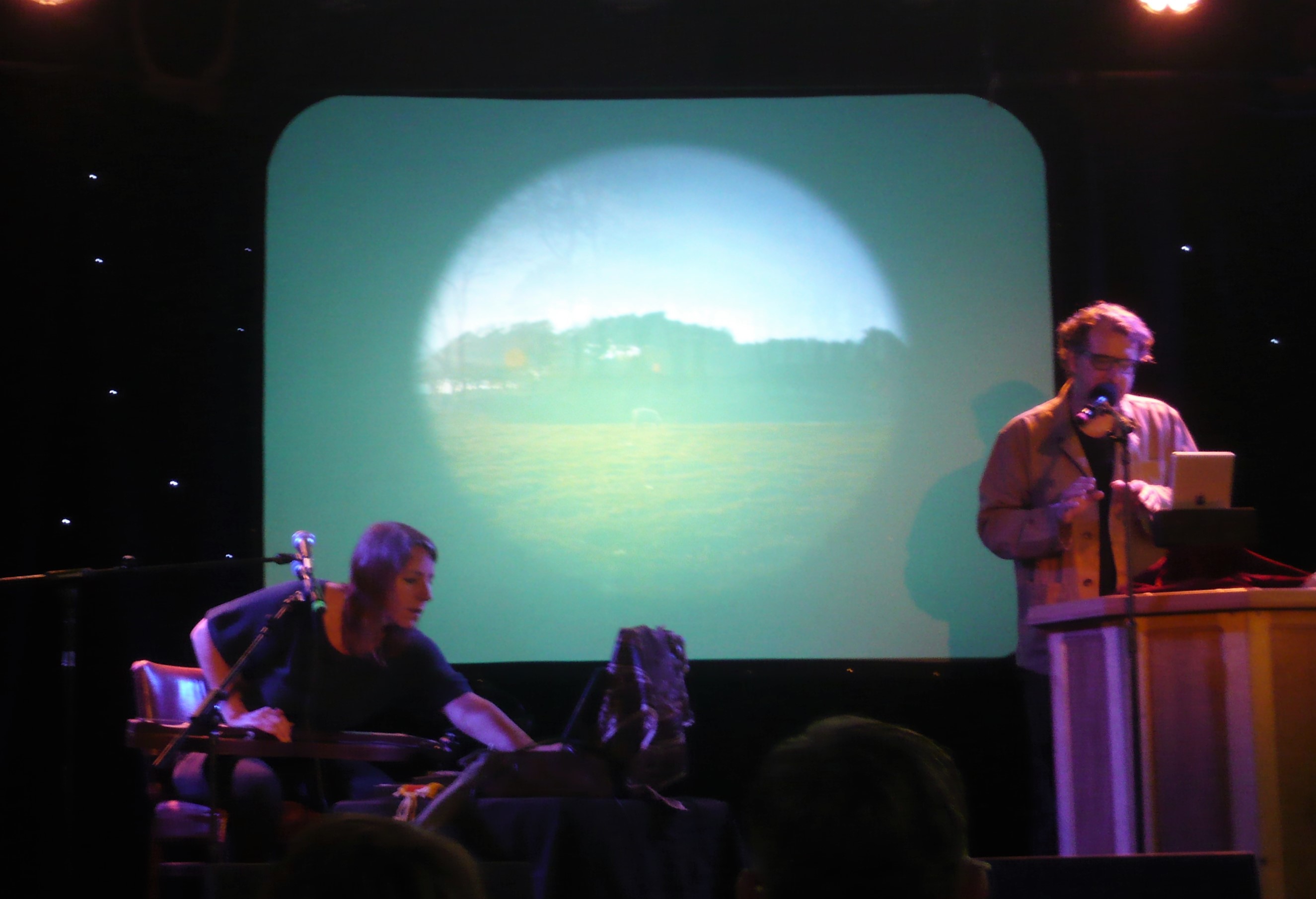
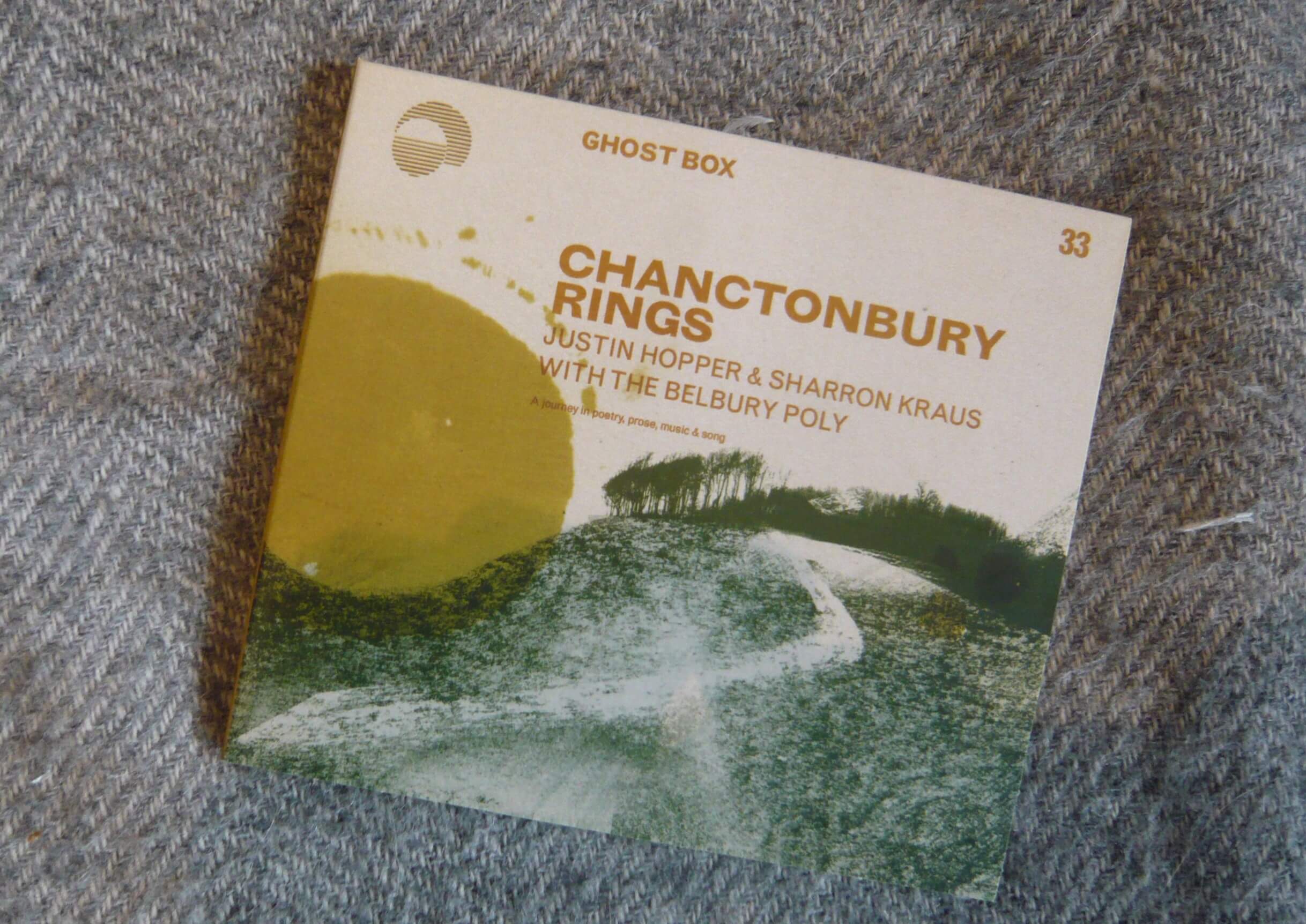
This Tuesday evening just gone. Brighton. 7.30pm. I’m here with my friend Mark to see a gig for the first time since the Pandemic began, a gig I had planned to see last year for my birthday, but which was cancelled – due to the Pandemic, of course. Chanctonbury Rings is a collaboration between writer Justin Hopper, musician Sharron Kraus, and visual artist Wendy Pye, based on extracts from Justin’s 2017 book The Old Weird Albion.

Chanctonbury Rings was released (on CD, vinyl and download) by Ghost Box in 2019, and is described on their website as ‘A spoken word and music project by writer Justin Hopper and folk musician Sharron Kraus. It also features Ghost Box’s own Belbury Poly. Based on live performances of Hopper’s 2017 book The Old Weird Albion, it’s a poetical, autobiographical and psychogeographical account of his experiences at Chanctonbury Ring…‘ It goes on to state: ‘The album is a blend of folk, electronic music, poetry, prose and environmental sound. Kraus’s electro-acoustic soundscapes and songs interweave with Hopper’s rich, intimate narration.’

I first learned of The Old Weird Albion a couple of years ago when I was emailed by a reporter writing a review of the book for the Caught By The River website (which I must post about sometime), who had come across one of my blog posts on Chanctonbury Ring, a prehistoric hill fort on Chanctonbury Hill, part of the Sussex South Downs. In conversation, he told me of both the book and the music project. Naturally, I ended up buying both. (My review of The Old Weird Albion is here if you wish to learn more about it. Of course you do.)

When I heard it was being performed live, I decided I would have to go to see it. Then the Pandemic intervened and it would be over a year before I had another chance.

So on Tuesday we are in the Brighton Spiegeltent, part of the Brighton Fringe, awaiting the show. Outside, pouring rain and a lot of rather drunken football-related chanting. (I believe there was a game on somewhere.)

Inside, though, Chanctonbury Rings. The piece is built around the section of the book where Justin visits Chanctonbury Ring one May Day, to watch both the sunrise and the Morris dancers celebrating Beltane, the ancient name for the festival held that day. It combines personal experience with myth and legend, Sharron’s music both punctuating and supporting the narrative, and Wendy’s visuals projected on a screen behind the performers.

Incidentally, Sharron is a musician I had not come across before hearing the album, but I have since been captivated by her own stunning albums. If you have any interest in folk, I’d recommend you give them a listen.

Wendy’s visuals were well-judged photographs and film of Chanctonbury Ring and the surrounding area, at times deliberately grainy and vague and at others lusher, although there was perhaps something ghostly about all of them, each choice inevitably suiting the mood of the narrative at that point.

The spoken words, the music and song, and those visuals weaved around each other and blended happily together, elegantly constructing the world as it appeared to one viewer that May Day morning and projecting the audience, for the duration of the performance, into that world too.

It was magical.

On Windover Hill – The Premier

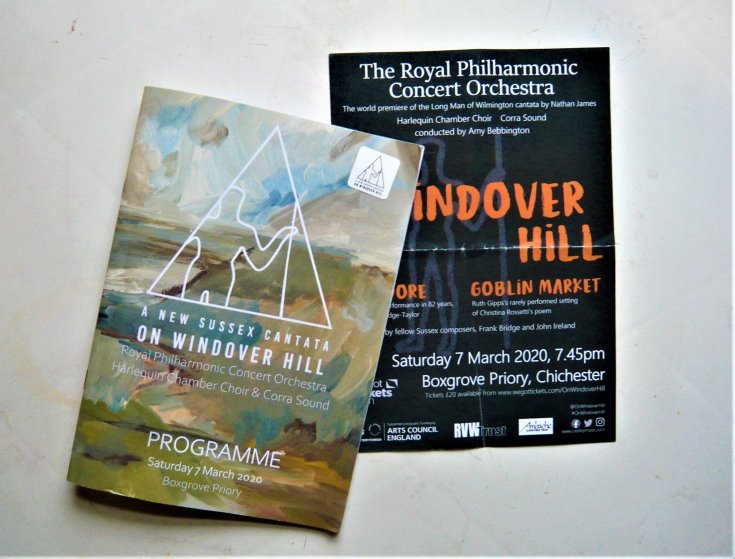
It was Saturday 7th March, and we were in Chichester, Sussex, for the much-anticipated premier of Nathan James’ On Windover Hill cantata.

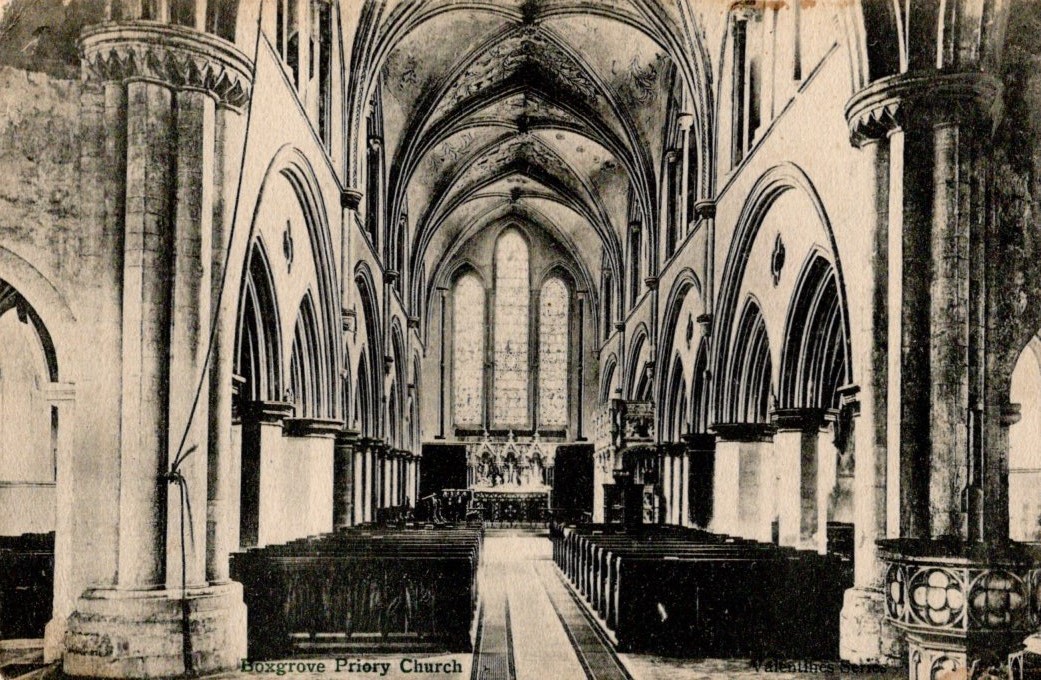
It took place in the church at Boxgrove Priory, in the village of the same name a few miles outside Chichester. Just over a month ago I posted here about a walk we joined at Windover Hill, viewing and discussing the Long Man of Wilmington – the subject of the cantata, which gives some of the background to this work.

Nathan describes this piece as ‘a result of 3 years of writing and research into the ancient figure and how it has inspired writers, poets, artists, and musicians’.

P1060414 (2)

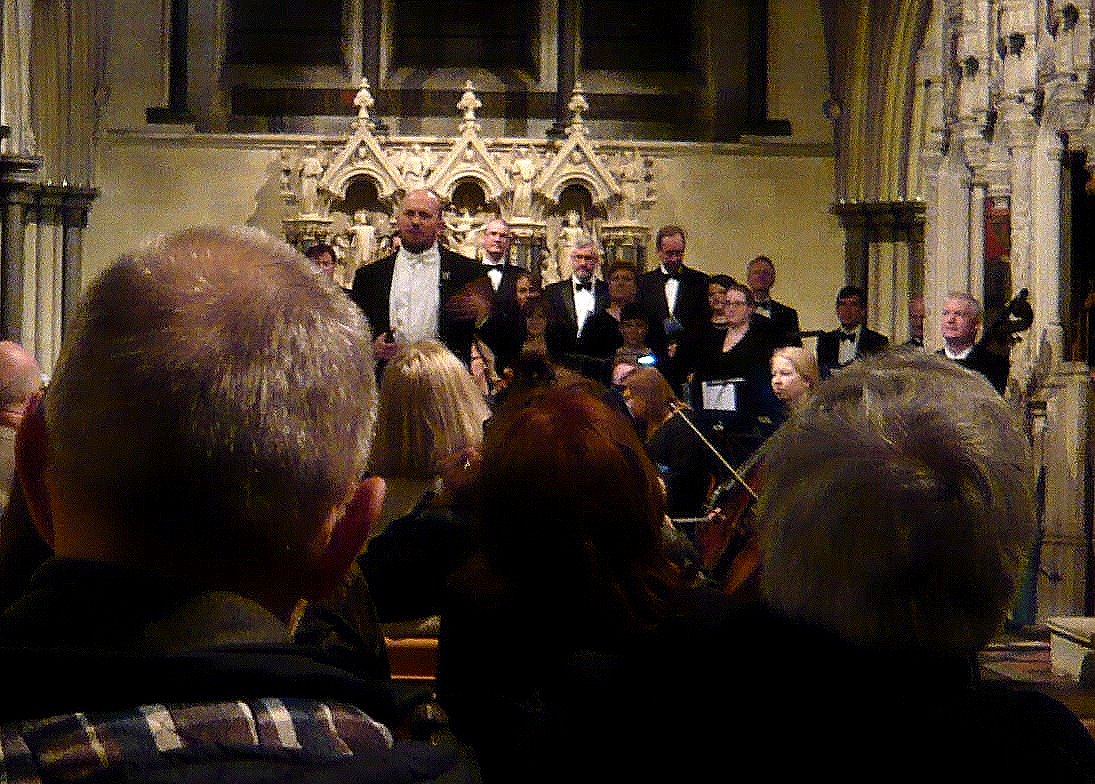
Nathan introducing the cantata

It was performed by the Royal Philharmonic Concert Orchestra, Harlequin Chamber Choir, and Corra Sound, conducted by Amy Bebbington.

P1060417

The cantata is in nine movements, with each movement scored around a piece from various times ranging from c 1340 BC to 1996. These diverse sources include English folk song, poetry, extracts from plays, literature, and even a piece from 14th century BC Egypt, used here because there is a carving on a chair found in the tomb of Tutankhamun which strongly resembles the Long Man.

The music has a very English feel to it, reminding me strongly at times of Vaughan Williams or Holst, another element that contributes to the sense of it being grounded in Sussex.

Much more about the music, and the story of the project, can be found on the On Windover Hill website, here.

Between several of the movements, there were readings chosen to help illustrate aspects of the mythology of the Long Man – poems, excerpts from books and an extract from an article arguing that the Long Man may have been, in fact, a Long Woman. All pieces by writers challenged by the meaning and significance of the figure. At the back of the church, too, there were a range of artworks inspired by the Long Man. And several times during the performance, a couple of dancers took the floor, their actions visually interpreting the subject of that particular movement.

This, what I might term holistic approach to staging the work, contributed strongly to the listeners total immersion in the work without, I think, distracting from it.

As well as the cantata, the program also consisted of several other pieces, all with a Sussex connection. It began with a beautiful piece by Thomas Weelkes (c 1576-1623) Hosanna to the Son of David. Weelkes, the program notes informed us, was frequently in trouble with the ecclesiastical authorities and was ‘noted and famed for a common drunkard and notorious swearer and blasphemer’. Strangely, I immediately felt an affinity to the fellow.

There were pieces, too, by Frank Bridge, John Ireland, an extract from Goblin Market by Ruth Gipps, and a piece largely unknown today: Wyndore (Windover) by Avril Coleridge-Taylor which was its first performance in this country for 82 years.

The acoustics in the church were wonderful, an especially appropriate setting for a choir. It was a hugely pleasurable and satisfying evening.

P1060405a

The Long Man, photographed on the pre-concert walk

img20200310_16283440

During the afternoon before the concert we wandered around Chichester for a while and I bought a few old postcards of Sussex from the indoor market including, by chance, this one of the Priory church, where the concert was held, about a hundred years ago.

It seemed to fit comfortably into the feeling of history, myth and tradition I felt that day.

An Abundance of Greyness

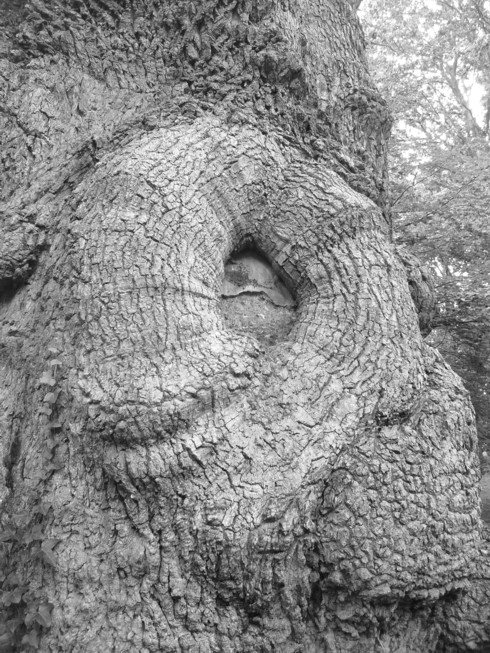
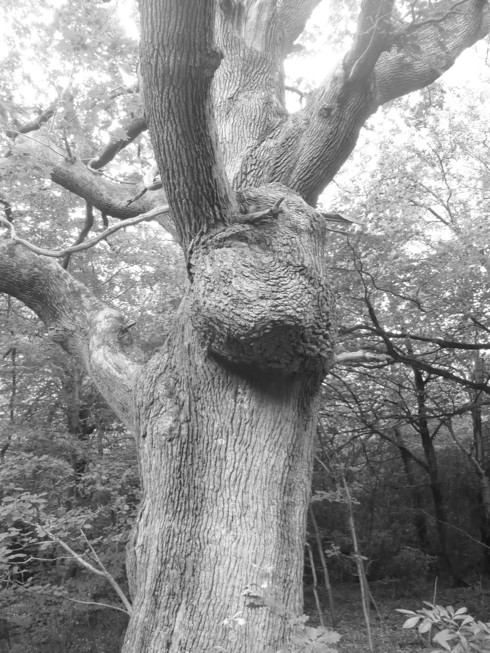
It is a grey, overcast, cool and drizzly August day, and I am feeling particularly flat and uninspired, and disinclined to human company. So in the absence of mountains, what else would I rather do than go for a walk in the woods?

046a

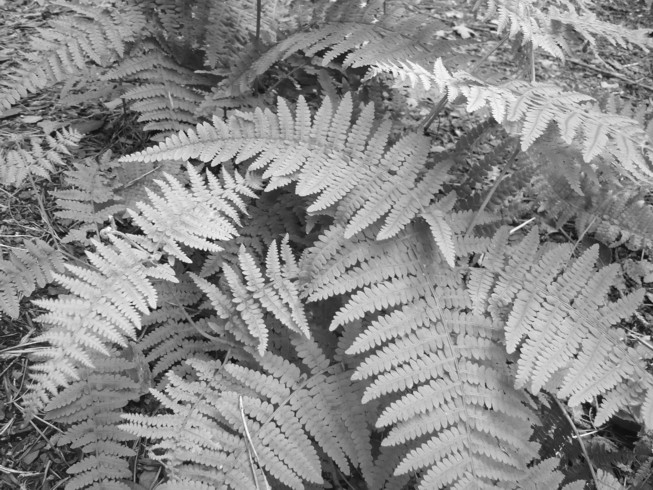
Taking black and white photographs to reflect my mood, naturally…

015a

Loving the Oak trees that seem to somehow look as awkward and as out of sorts as I feel…

010a


018a


027a


036a

Relishing the lushness of the plants that still seem comparatively fresh…

040a

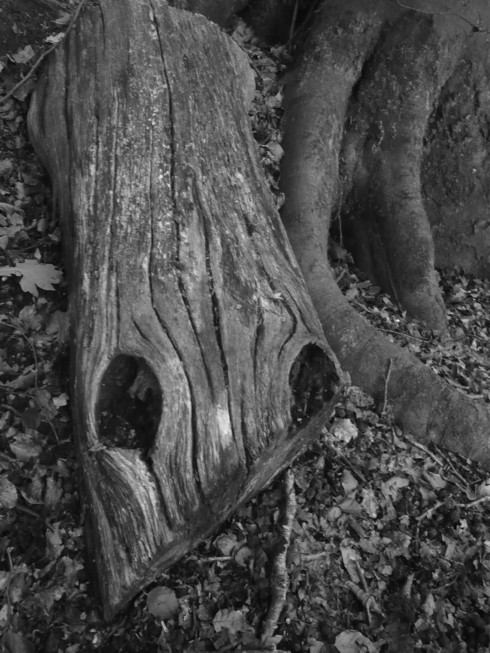
The fantastic shapes of old wood…

050a

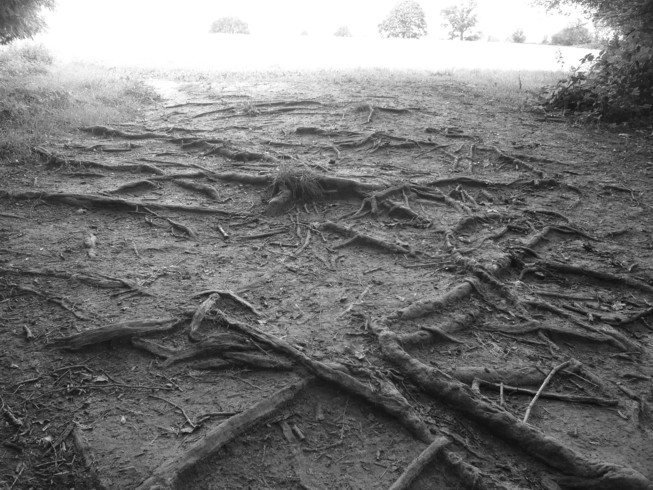
The roots that look as though they might attempt to encircle the earth like Yggdrasil, the mighty tree of Norse legend…

061

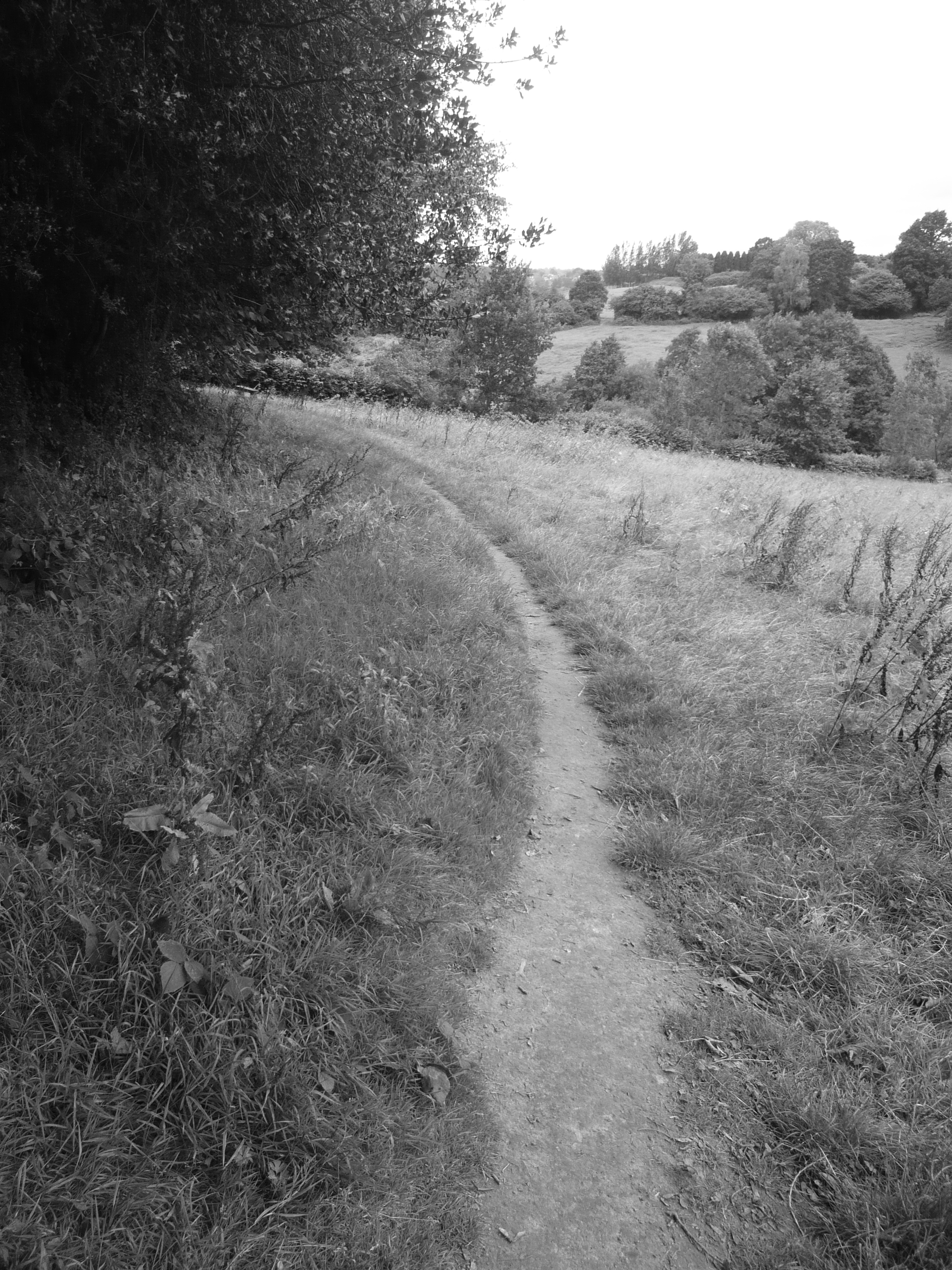
The paths…

044a

And the umbels.