Some Nepalese Photos

It seems unbelievable (to me, that is), but it’s now fifteen years since I last visited Nepal. This is just a selection of some of my favourite photos from my trips there. Some you’ve already seen, some you haven’t.

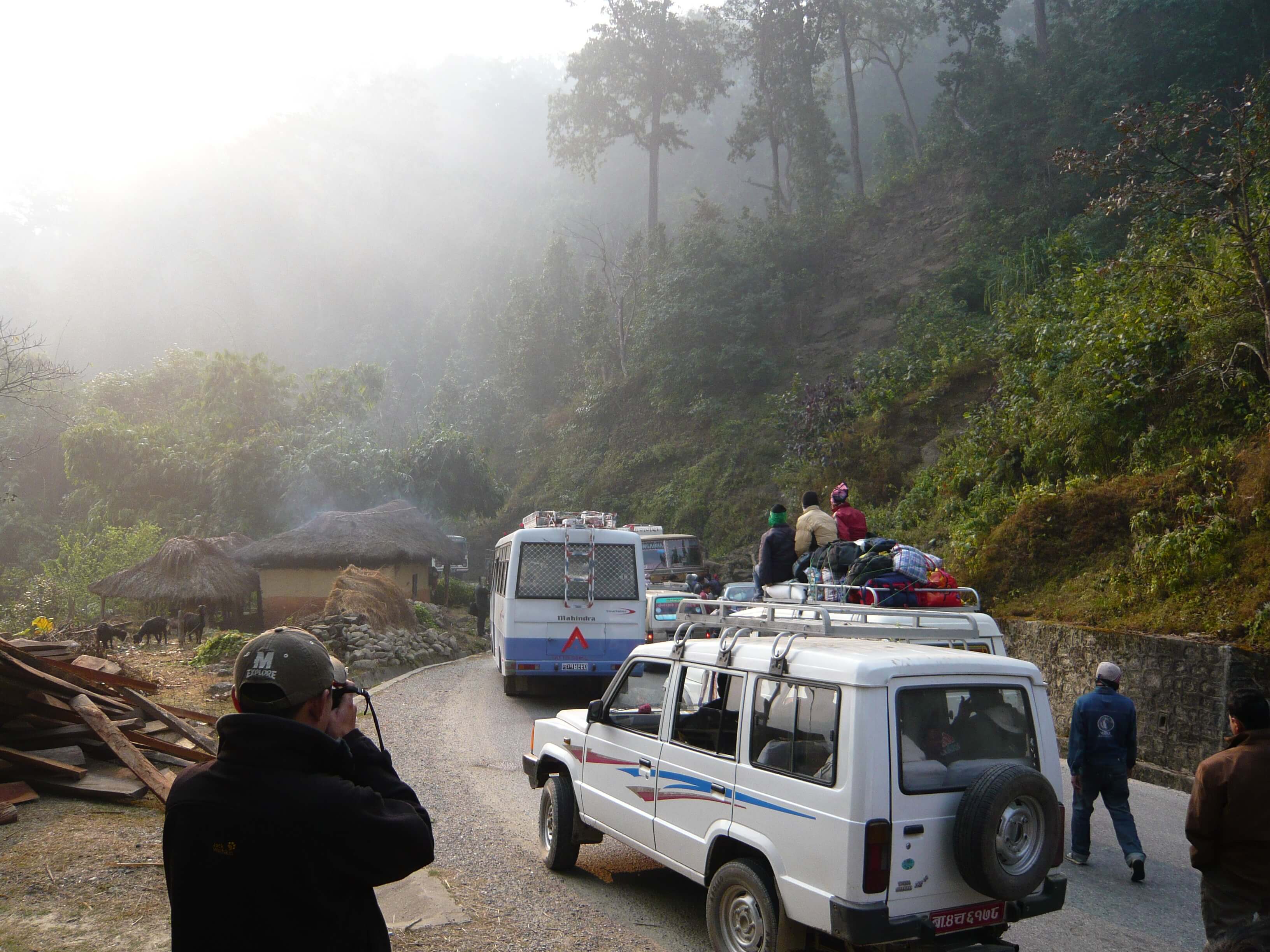
Travelling from India to Nepal

Temple in Swayambunath, Kathmandu Valley

Carved wooden window, Kathmandu

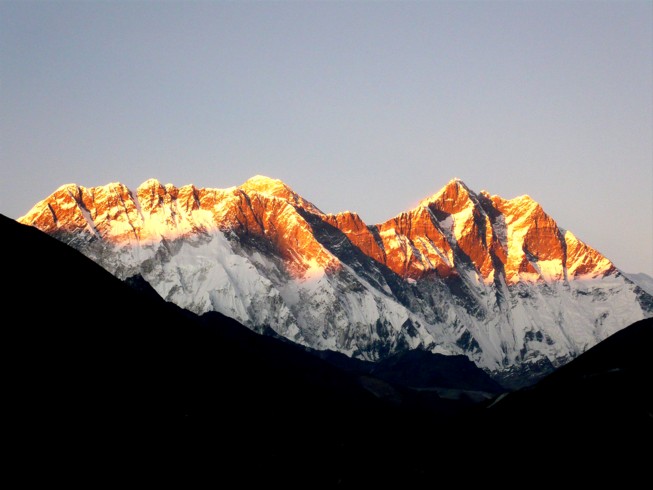
Sunset light on Everest.

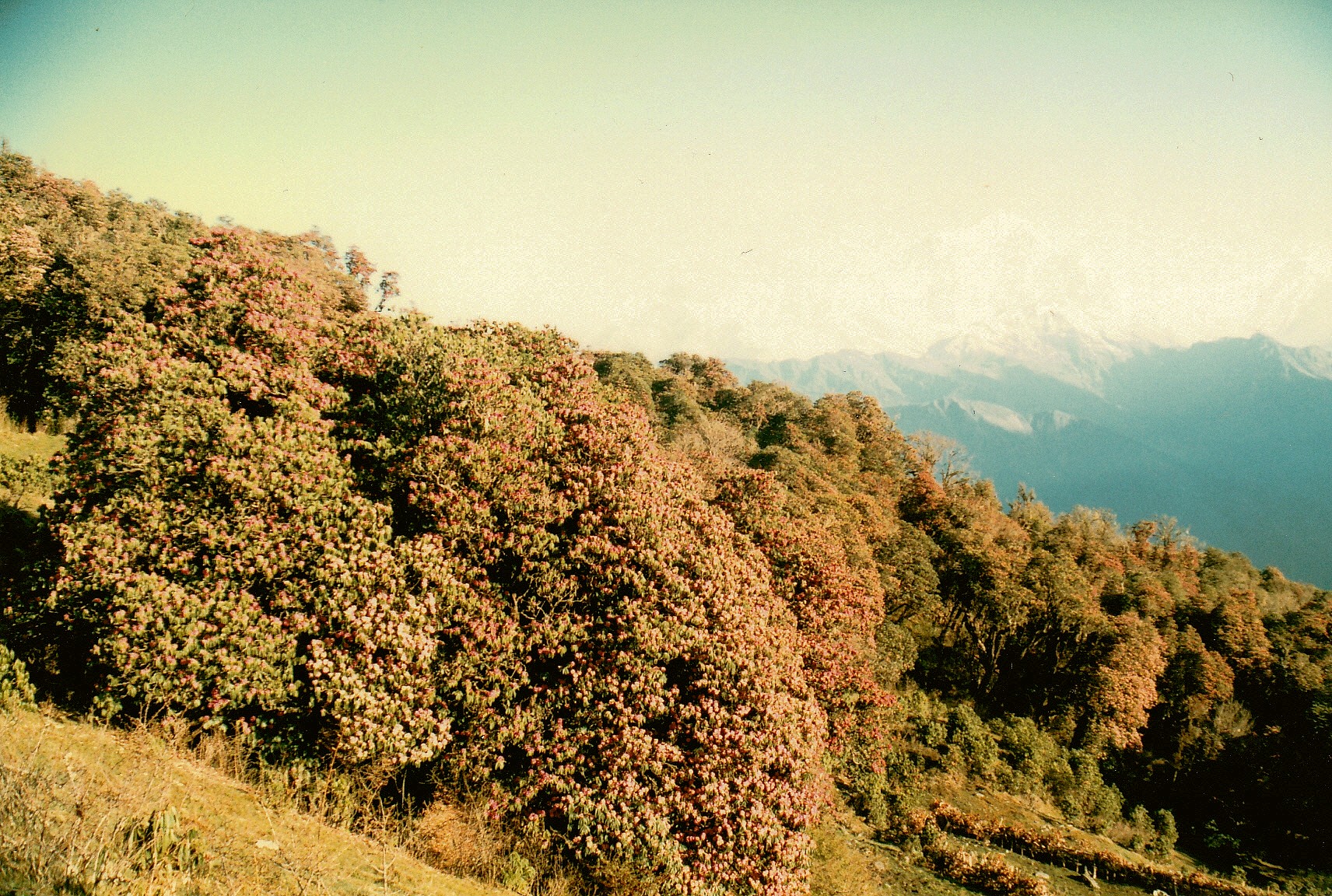
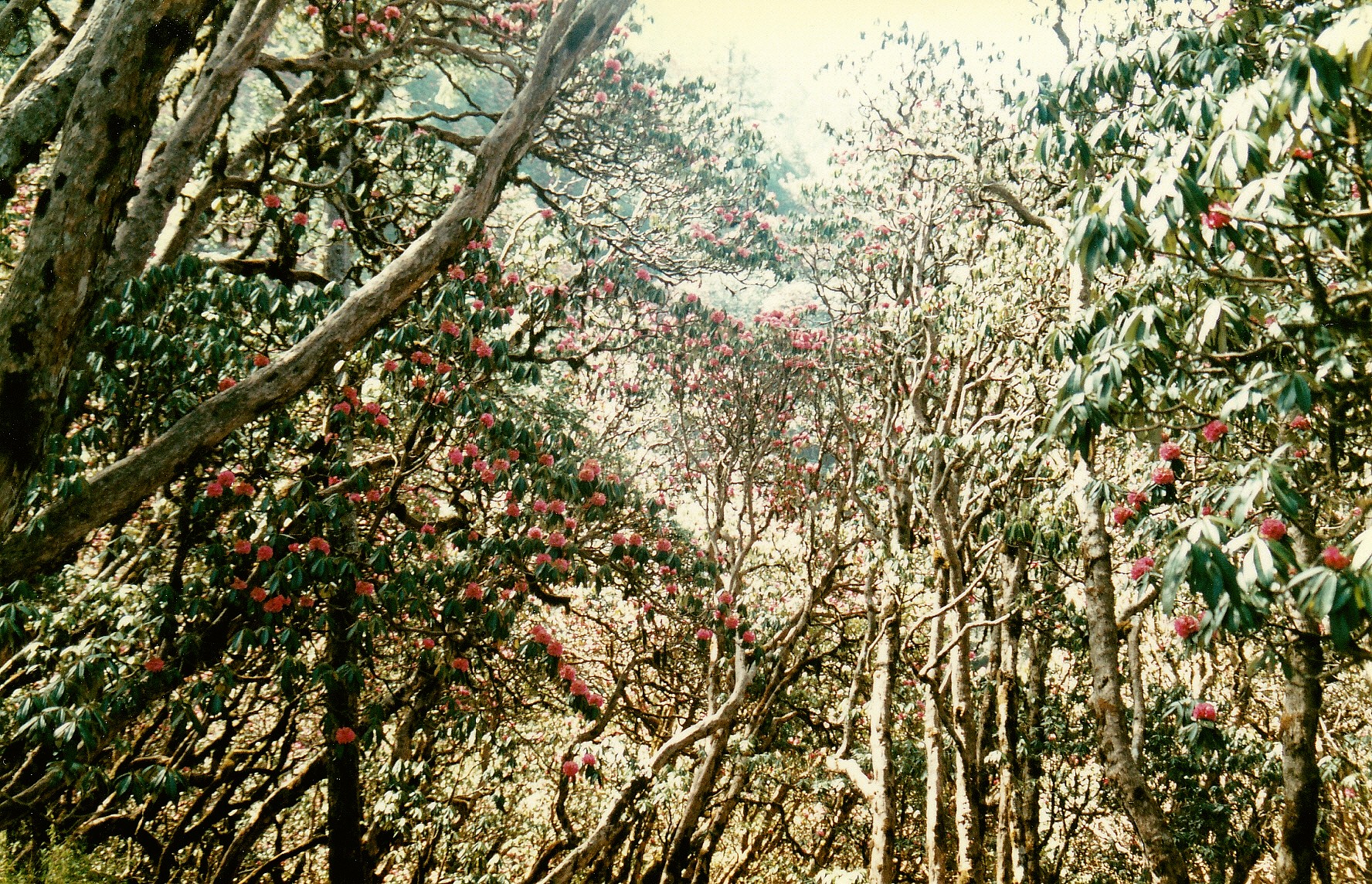
Rhododendron forest, Poon Hill

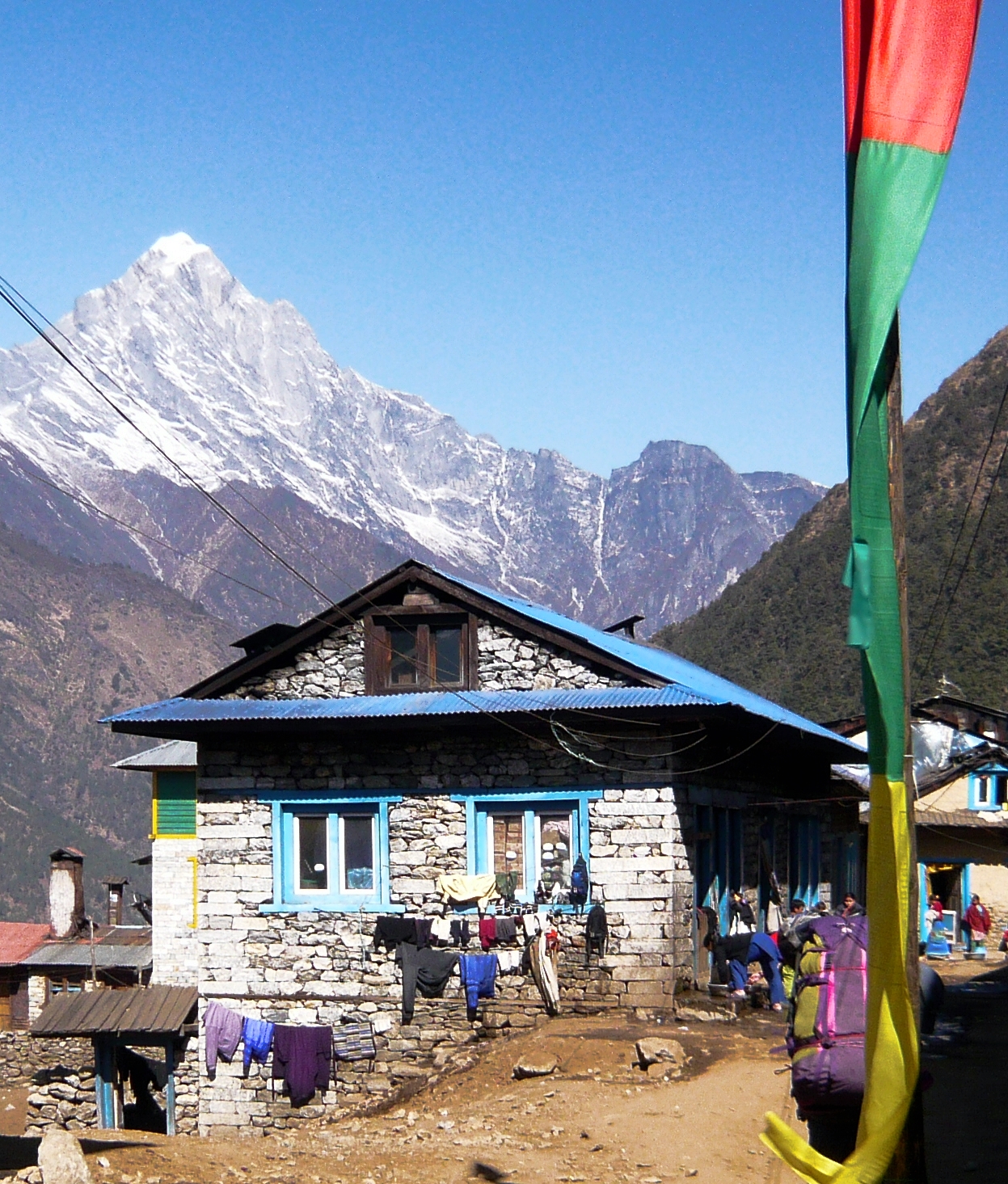
Carrying a load…

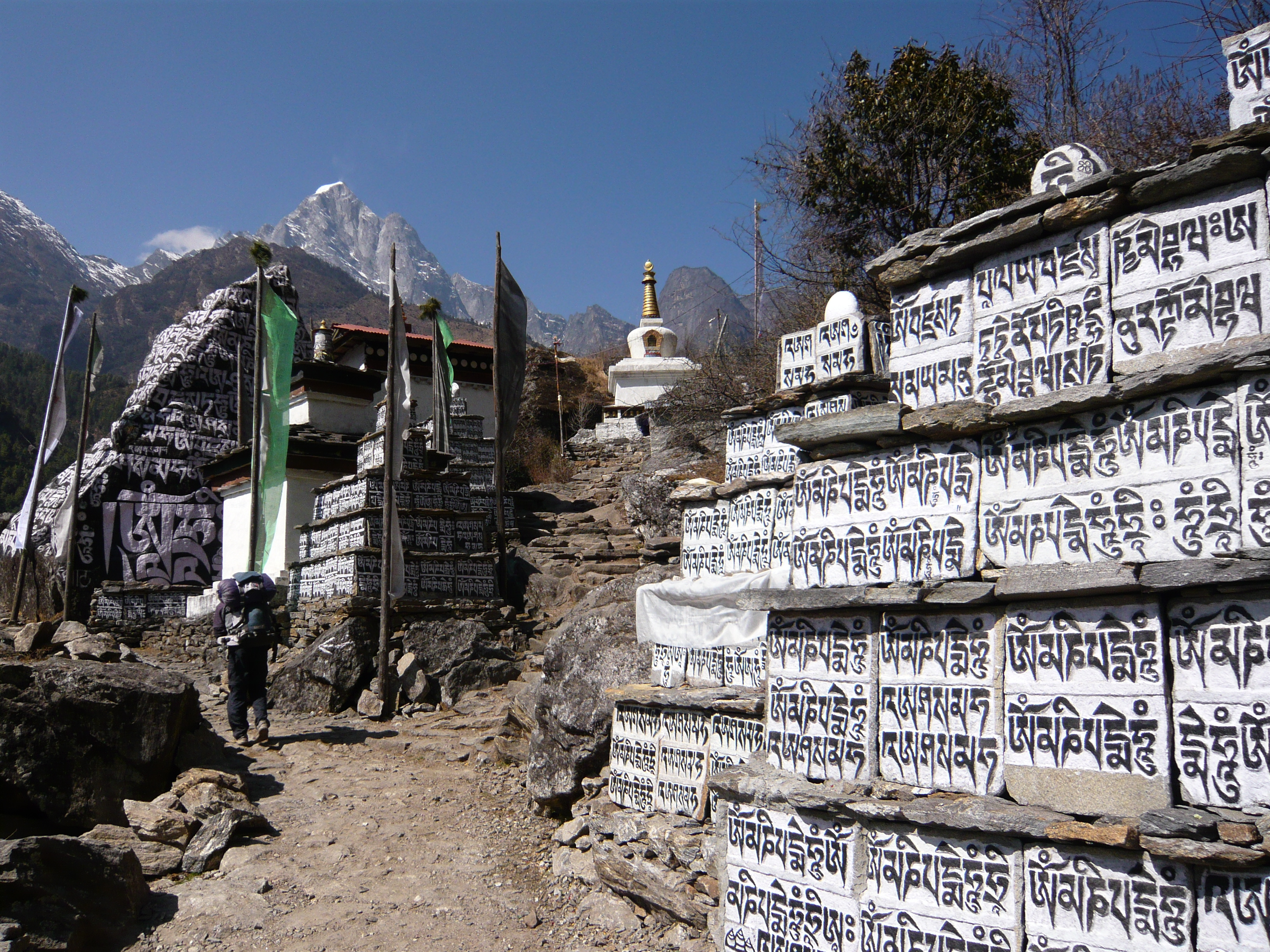
Wall of carved mani stones

Nepal – Annapurna Region (Reblog)

In 1988 I went to Nepal for the first time, travelling by bus from Delhi to Kathmandu. Although the trip took almost 2 days, and the bus was particularly uncomfortable, it was one of the most spectacular journeys I have ever taken, and a most remarkable experience.

And then I trekked the Annapurna circuit, still considered by many to be one of the 10 classic treks of the world. It took 24 days to complete, and from the time we left Ghorka, until the day we walked down into Pokhara, we were travelling entirely on footpaths and saw no vehicles of any description.

Part of the walk is now over a new road, and whilst this is surely welcome to the inhabitants of the region, I suspect that it takes away a little of the magic of the trek.

village_1.jpg

Village near Manang (posibly Mungji), on the Marsyandi River, close to the Annapurnas. In many ways, a typical Nepalese mountain village, it is built on man-made terraces, up steeply sloping mountainside, to avoid using any of the precious farmland available in the valley.

IMG_0001.jpg

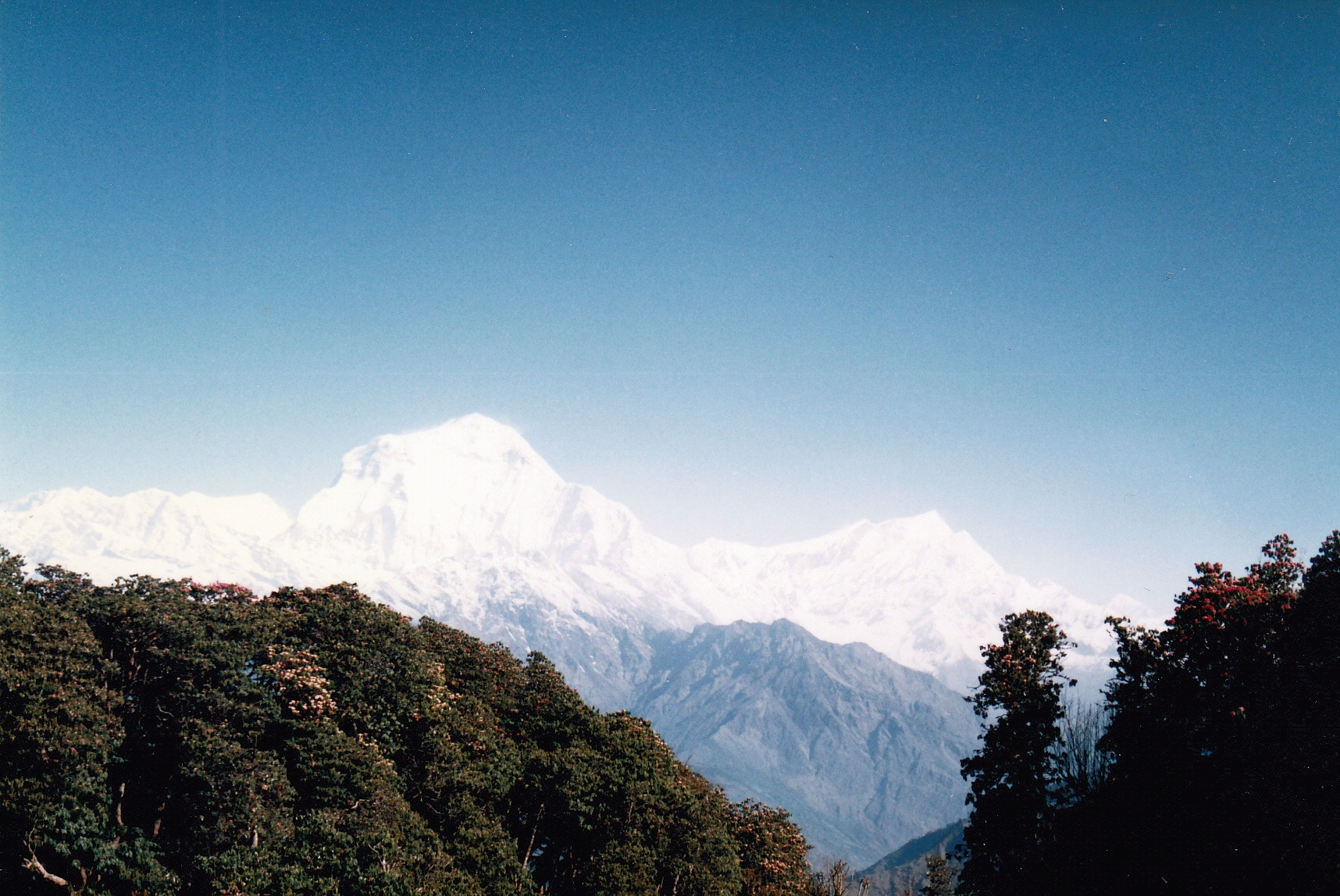
View from Poon Hill. Poon Hill lies a little to the west of Ghorapani on the river Ghora (pani being water), west of the Annapurnas. Sunrise there consequently occurs behind the Annapurna peaks, including the spectacular Machhapuchhare, or ‘fishtail’ peaks. That said, this shot was taken towards the west, looking across the Kali Gandaki valley.

IMG_0002.jpg

This is dawn, though. Machhapuchhare and its double peak are shown clearly on the left.

IMG_0003.jpg

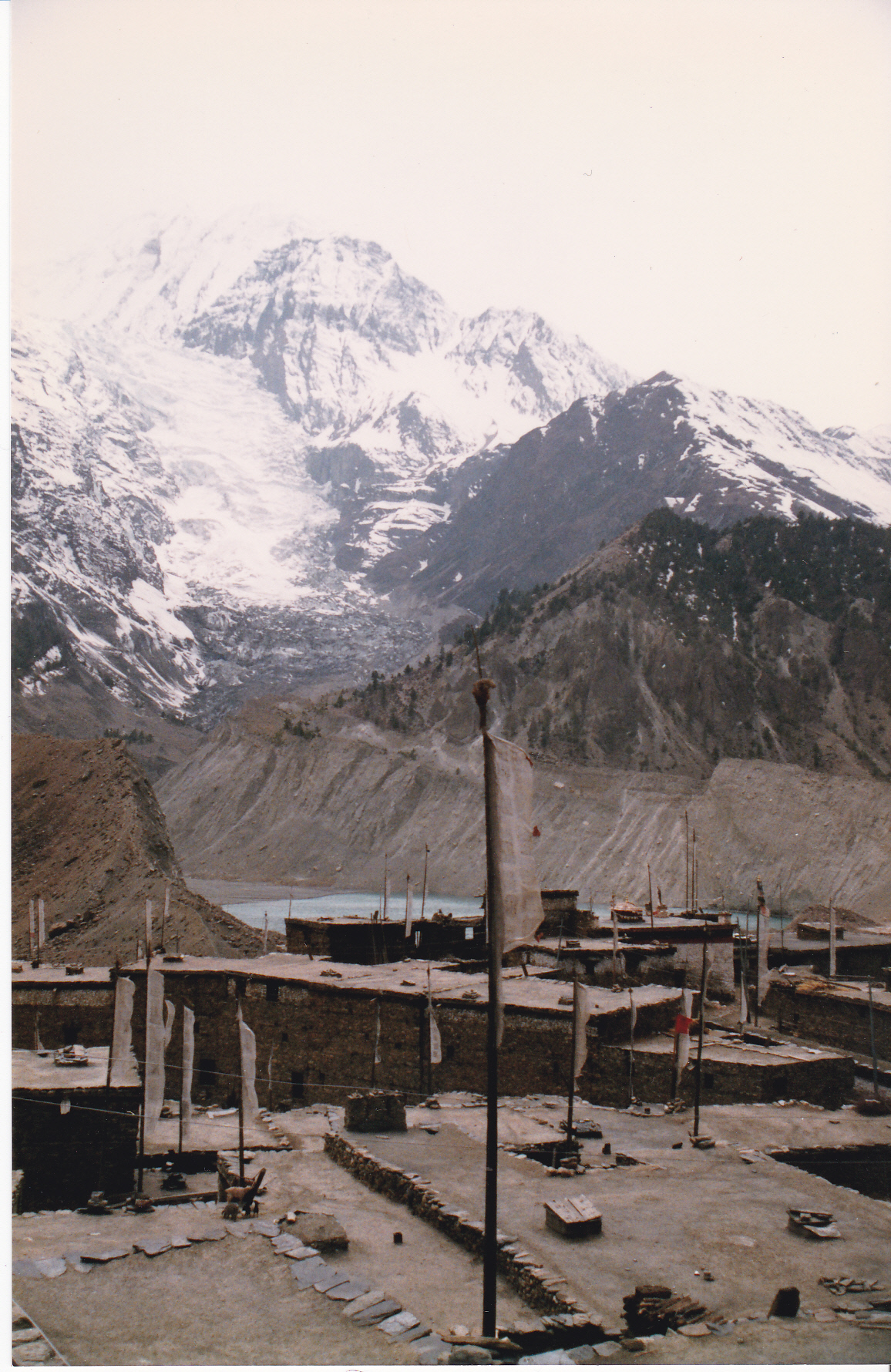
Mountains and glacial lake from the village of Manang.

img_0004

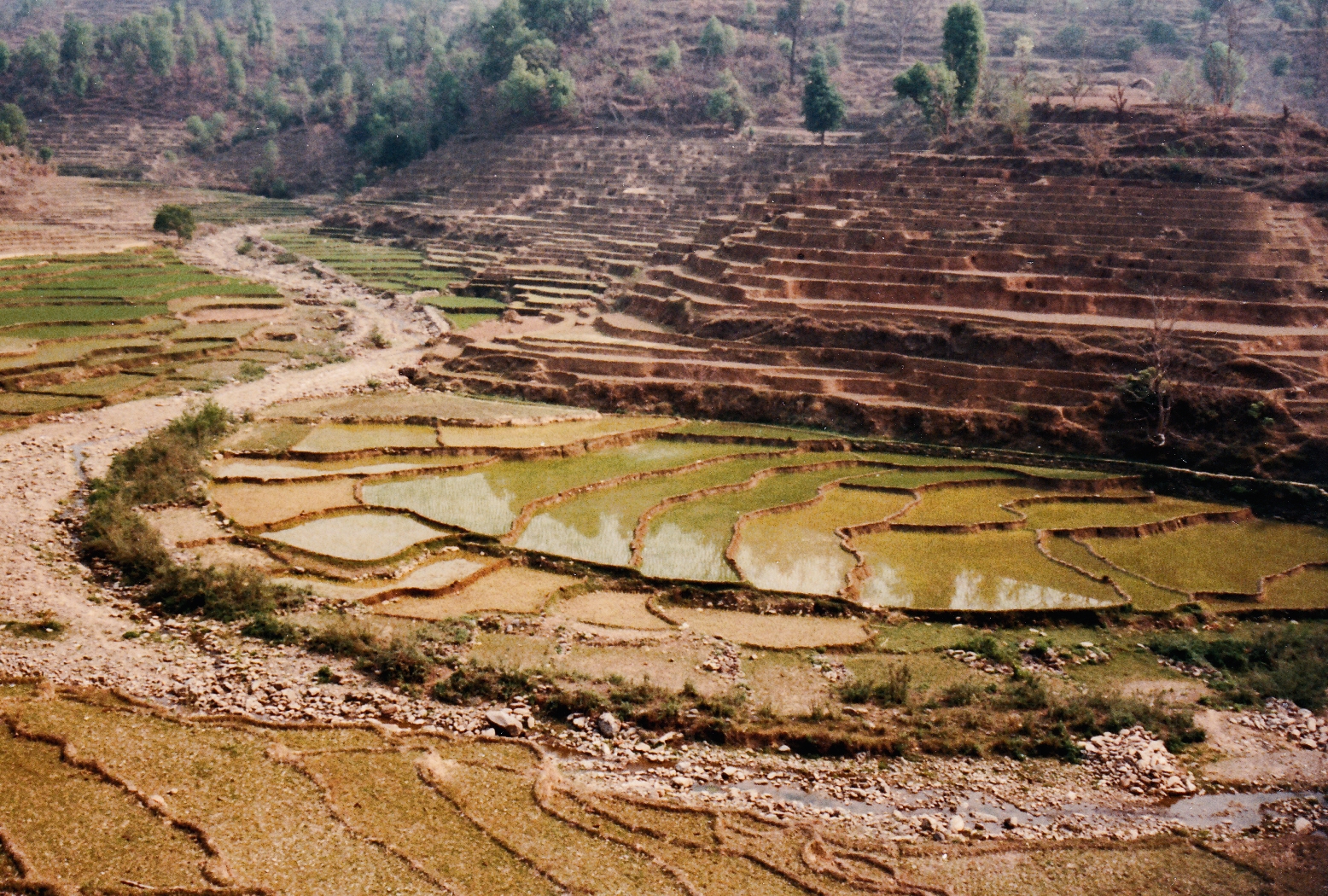
Lower down, the land is heavily terraced, fertile land being at such a premium that every available bit is used. These rice paddies are near the village of Chepe Ghat, on the Marsayandi River.

chorten_2.jpg

Chorten. Chortens, or stupas as they are also commonly known, usually contain relics of saints or priests. The original stupas held relics of the Buddha, such as at the Temple of the Tooth, at Kandy, Sri Lanka.

IMG_0005.jpg

Mountains near the village of Muktinath. In the rain-shadow, here, the landscape is that of a high altitude desert.

IMG_0006.jpg

Mani stones on the Annapurna trail. Mani stones may be carved, painted or both, and serve a similar function to prayer flags, in that they either have a prayer or mantra carved on them (typically ‘Om Mani Padme Hum’ – from which the name ‘Mani Stone’ comes from – meaning ‘Hail to the jewel in the heart of the lotus’ i.e. The Buddha) or they may have a picture of the Buddha himself. Although they may be encountered singly or in small numbers by shrines or at Gompas, at times they make up huge walls containing many hundreds of stones, some of which may have been there for hundreds of years. These walls, like shrines or any other Buddhist relics encountered here, are passed on the left.

IMG_0007.jpg

Houses at Manang.

IMG_0008.jpg

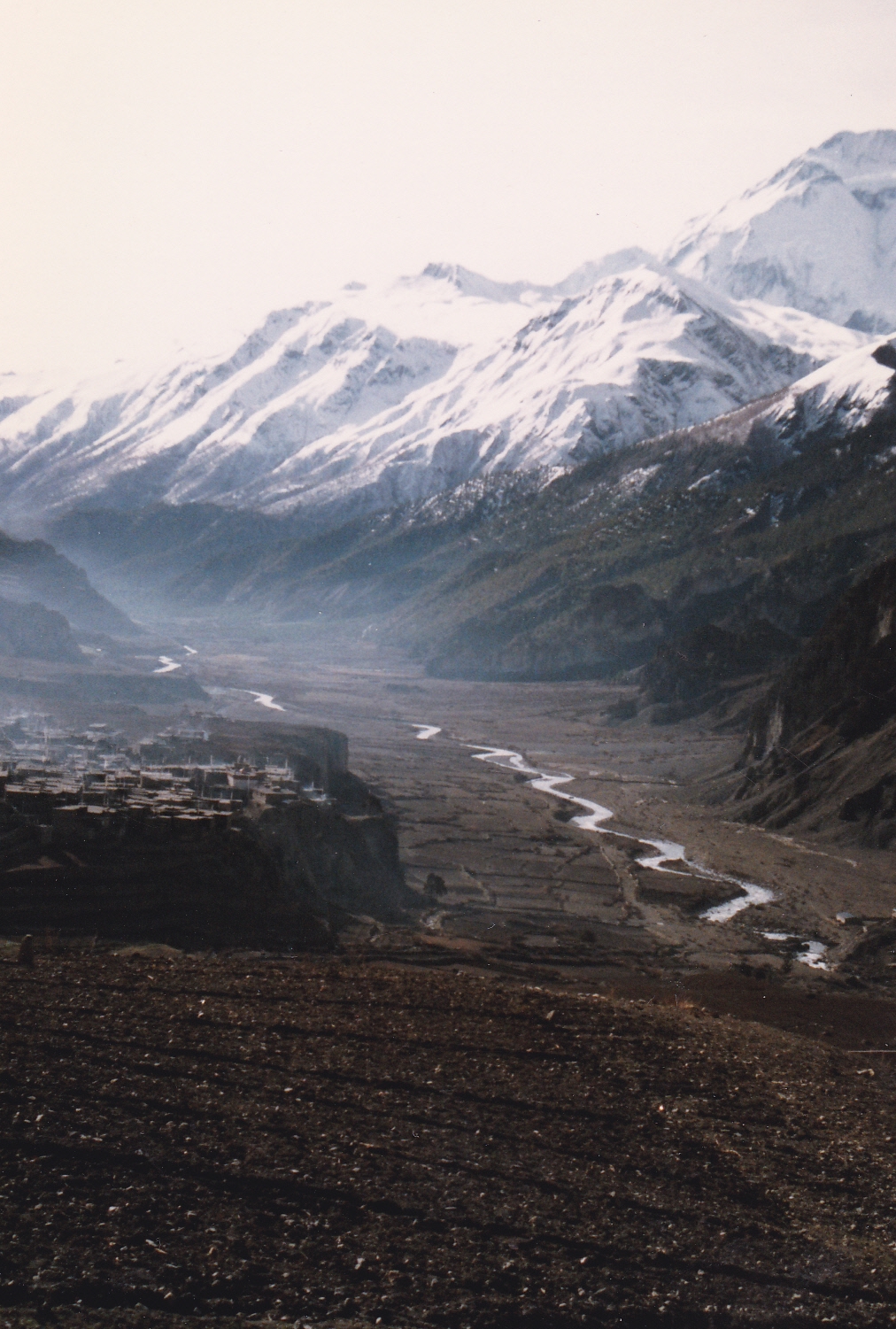
The Upper reaches of the Marsayandi, looking down to Manang.

IMG_0009.jpg

Snowed in below Thorung La. Not an unusual occurrence. Thorung La is at 5415m (17,700ft). We arrived at our campsite early afternoon with the ground clear of snow and the sun out. This was the scene a couple of hours later, delaying our crossing the pass (‘La’ is Tibetan for ‘Pass’) by 24 hours.

IMG_0010.jpg

Crossing Thorung La. On the day we crossed the pass, we left camp just after 4 in the morning, and were down the other side by late afternoon.

IMG_0011.jpg

Looking west (and down!) from Thorung La). On this side of the pass there is far less precipitation and the land is noticeably drier. This is looking towards Muktinath.

Annapurna Circuit, Nepal – 4

Part Four – from 30 years ago.

IMG_0037

On the western side of Thorung La, the climate is much drier and in places the scenery is very much that of a desert landscape.


IMG_0039

As you descend, though, you soon come across settled areas where meltwater from the snows and glaciers higher up enable vegetation to grow.


IMG_0038

Mani stones plus a fine set of argali horns on top of a wall in Kagbeni. The argali are the wild sheep of the Himalaya.


IMG_0040

In Tukuche, at 2590m – less than half the altitude of Thorung la, which we had crossed just two days before.


IMG_0041

It was in places like this, that we really felt we could be in another century. Buildings of stone and beautifully carved wood, ponies for transport, no wheeled vehicles, and the two fellows to the right of the picture are busy crushing lengths of bamboo to a fibrous pulp, ready to make into paper.

It was in places like these, actually, that I felt I could just leave the world behind and spend the rest of my life. Yes, totally impractical, I know, but…


IMG_0042

We came for the high peaks, but the mountains lower down have a breathtaking beauty of their own.


IMG_0043

Sunrise on Poon Hill is a treat most trekkers ensure they don’t miss. Unrivalled mountain views, and in the spring the massed flowers of the rhododendron forests.


IMG_0044

Ah, yes. Did I just mention the rhododendron forests?


IMG_0045

Photos just don’t seem to do them justice.


IMG_0046

And then a few days later it was over, and we were back in Kathmandu…

…and that is a different kind of wonderful…

Nepal – Annapurna Region

In 1988 I went to Nepal for the first time, travelling by bus from Delhi to Kathmandu. Although the trip took almost 2 days, and the bus was remarkably uncomfortable, it was one of the most spectacular journeys I have ever taken, and a most remarkable experience.

And then I trekked the Annapurna circuit, still considered by many to be one of the 10 classic treks of the world. It took 24 days to complete, and from the time we left Ghorka, until the day we walked down into Pokhara, we were travelling entirely on footpaths and saw no vehicles of any description.

Part of the walk is now over a new road, and whilst this is surely welcome to the inhabitants of the region, I suspect that it takes away a little of the magic of the trek.

village_1.jpg

Village near Manang (posibly Mungji), on the Marsyandi River, close to the Annapurnas. In many ways, a typical Nepalese mountain village, it is built on man-made terraces, up steeply sloping mountainside, to avoid using any of the precious farmland available in the valley.

IMG_0001.jpg

View from Poon Hill. Poon Hill lies a little to the west of Ghorapani on the river Ghora (pani being water), west of the Annapurnas. Sunrise there consequently occurs behind the Annapurna peaks, including the spectacular Machhapuchhare, or ‘fishtail’ peaks. That said, this shot was taken towards the west, looking across the Kali Gandaki valley.

IMG_0002.jpg

This is dawn, though. Machhapuchhare and its double peak are shown clearly on the left.

IMG_0003.jpg

Mountains and glacial lake from the village of Manang.

img_0004

Lower down, the land is heavily terraced, fertile land being at such a premium that every available bit is used. These rice paddies are near the village of Chepe Ghat, on the Marsayandi River.

chorten_2.jpg

Chorten. Chortens, or stupas as they are also commonly known, usually contain relics of saints or priests. The original stupas held relics of the Buddha, such as at the Temple of the Tooth, at Kandy, Sri Lanka.

IMG_0005.jpg

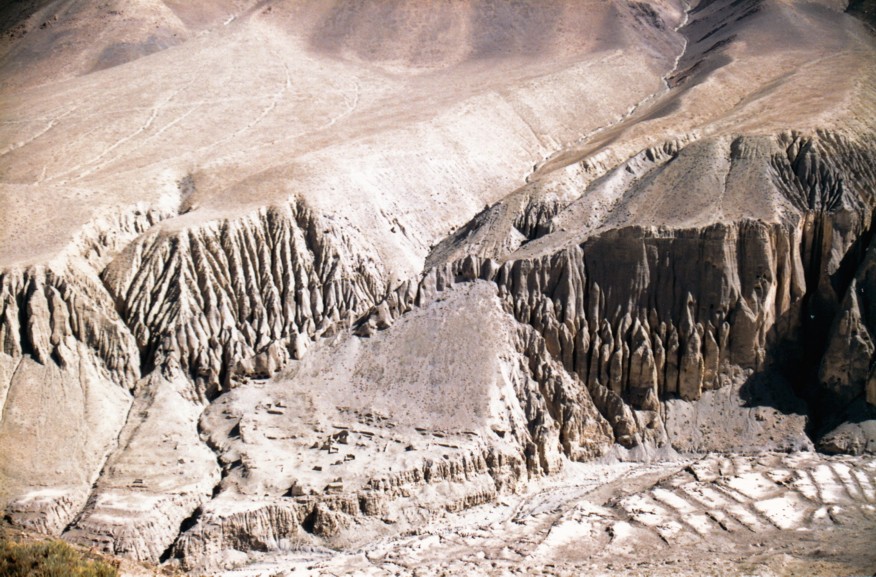
Mountains near the village of Muktinath. In the rain-shadow, here, the landscape is that of a high altitude desert.
 

IMG_0006.jpg

Mani stones on the Annapurna trail. Mani stones may be carved, painted or both, and serve a similar function to prayer flags, in that they either have a prayer or mantra carved on them (typically ‘Om Mani Padme Hum’ – from which the name ‘Mani Stone’ comes from – meaning ‘Hail to the jewel in the heart of the lotus’ i.e. The Buddha) or they may have a picture of the Buddha himself. Although they may be encountered singly or in small numbers by shrines or at Gompas, at times they make up huge walls containing many hundreds of stones, some of which may have been there for hundreds of years. These walls, like shrines or any other Buddhist relics encountered here, are passed on the left.

IMG_0007.jpg

Houses at Manang.

IMG_0008.jpg

The Upper reaches of the Marsayandi, looking down to Manang.

IMG_0009.jpg

Snowed in below Thorung La. Not an unusual occurrence. Thorung La is at 5415m (17,700ft). We arrived at our campsite early afternoon with the ground clear of snow and the sun out. This was the scene a couple of hours later, delaying our crossing the pass (‘La’ is Tibetan for ‘Pass’) by 24 hours.

IMG_0010.jpg

Crossing Thorung La. On the day we crossed the pass, we left camp just after 4 in the morning, and were down the other side by late afternoon.

IMG_0011.jpg

Looking west (and down!) from Thorung La). On this side of the pass there is far less precipitation and the land is noticeably drier. This is looking towards Muktinath.