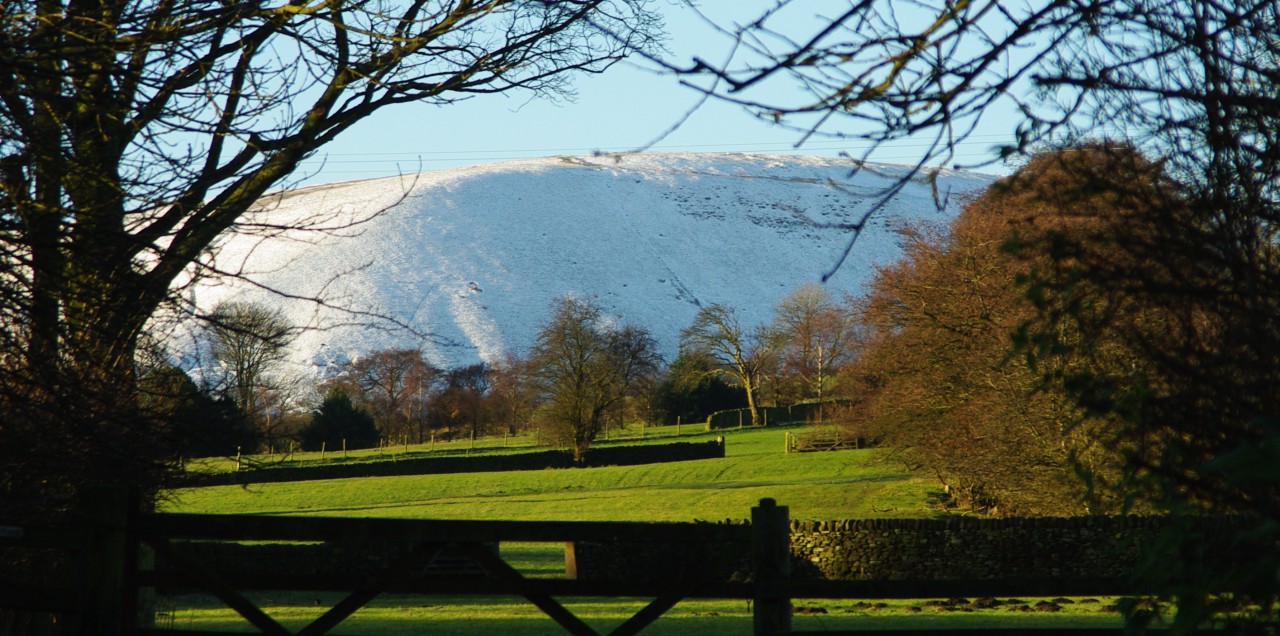

The third Monday in January – Blue Monday – is supposedly the worst day of the year for those who suffer from depression. So here we are on the 20th, Blue Monday. But there is no scientific reason for this date to be singled out, it is just a modern myth invented, apparently, by a UK travel company who presumably intended it to prompt people to take foreign holidays to cheer themselves up. However, I can see some justification for the claim, while also seeing a certain hope. Justification, because I tend to feel depressed and miserable at this time of the year. Tired. Lacking in energy or, indeed, motivation.
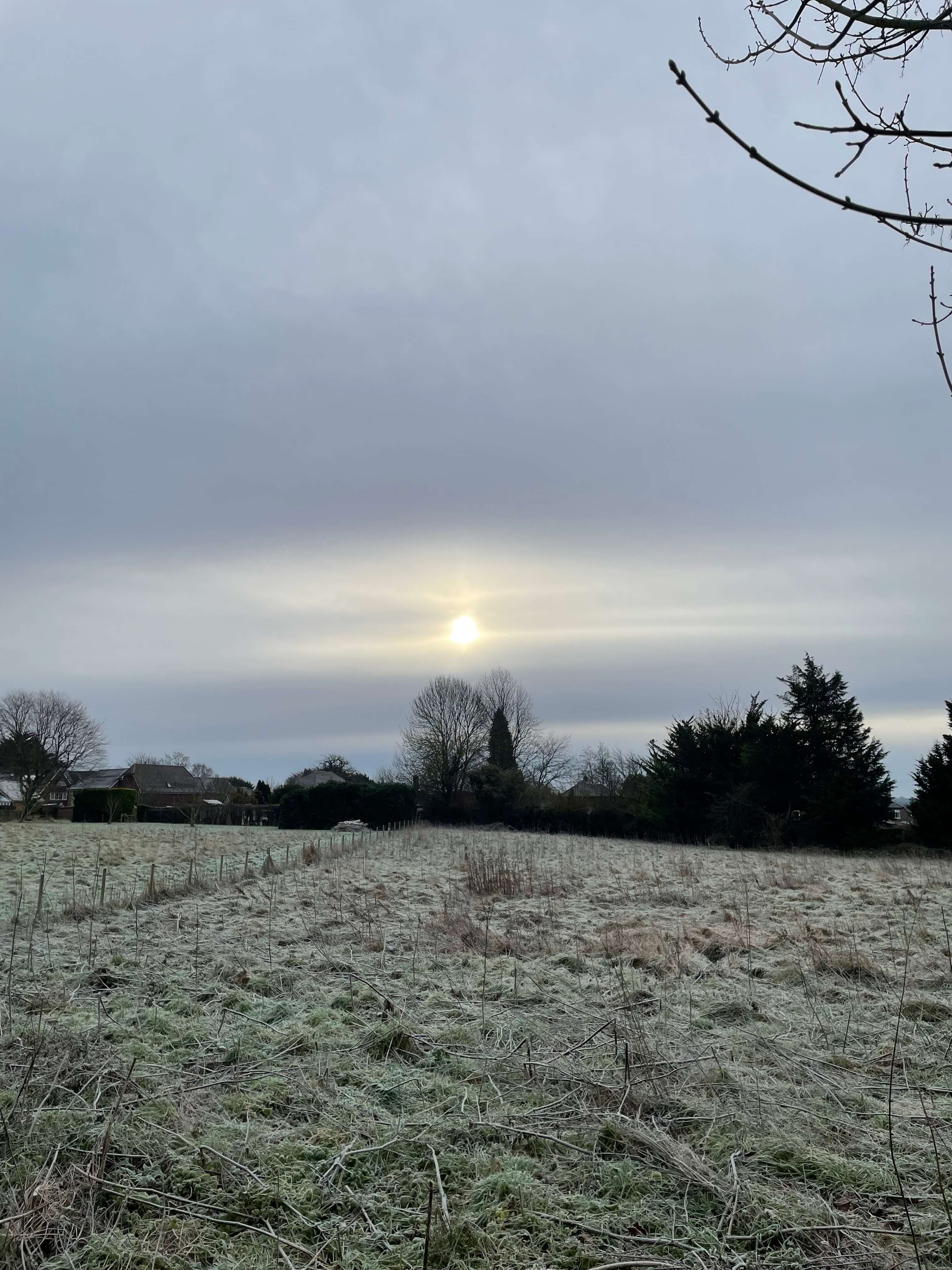
But also a certain hope; by now the daylight hours are lengthening, which becomes apparent when we are fortunate enough to have clear skies around sunrise or sunset. New growth is apparent, with new shoots finding their way up through the earth and leaf or blossom buds swelling on trees and bushes.
I feel so tired at this time of the year. I just feel I need to survive this winter, just get through it. I shall light a fire, wrap up warm, pour a beer and read a pile of books. I am in touch with my inner dormouse and intend to essentially hibernate until Spring.


 Mick Canning