
…a monk.
Yes, you heard me correctly. a monk. Regular readers of this indulgence will know I pour scorn on organised religion, but also that I have a hankering for the simple life and for solitude. I would love to be disciplined enough to do without fripperies, but I never quite seem to get there. Obviously social media would also have to go if I was a monk. In fact, even if I didn’t become a monk, I think perhaps social media should go. That would be good for me.

But not books, of course. They’re Important.
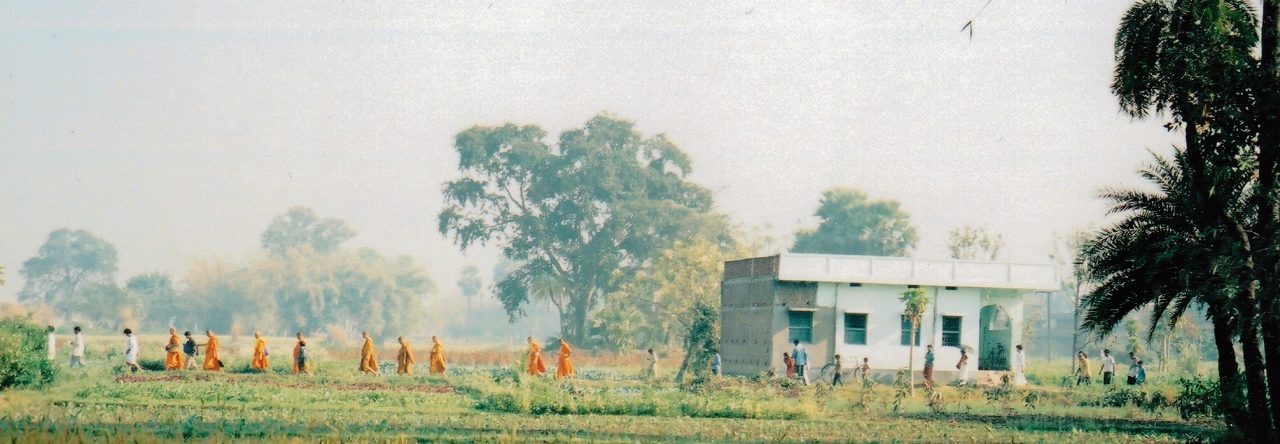
In another time, a time when belief in the predominant religion was a given, I would have had no problem in becoming a monk. But since I don’t have that belief, it sounds like a contradiction to say that to me the spiritual side of life is extremely important, but the spiritual is, to me, separate from religion. I view the spiritual side of me as being that part that yearns for simplicity, for art, for the minimum possessions required for life, and to be surrounded by nature. Incidentally, I also understand that monks are given a daily ration of beer or wine.
That also sounds good.
And because I was fortunate to have been born in an age of scientific enquiry when most people no longer blindly accept religious dogma, but are generally prepared to question it, I am free to make choices based on my own conscience and on what I consider important.
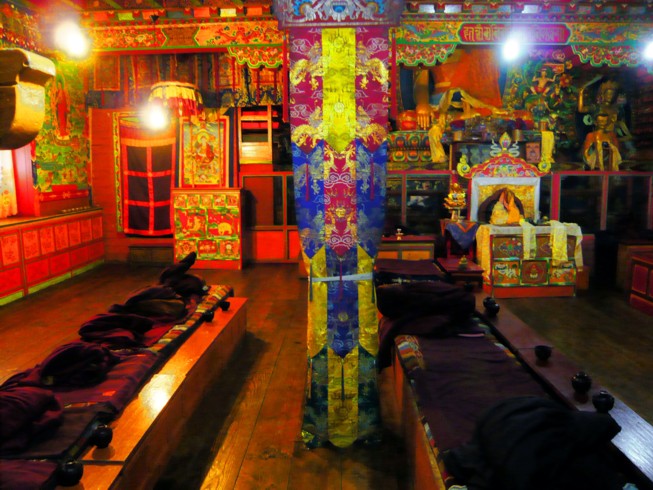
But I could almost, under certain circumstances, become a Buddhist monk, even in this life. I have said before how I am attracted to Buddhism, although as a philosophy rather than as a religion. I like the way the emphasis is on yourself to make your best life. Gods don’t have to be involved.
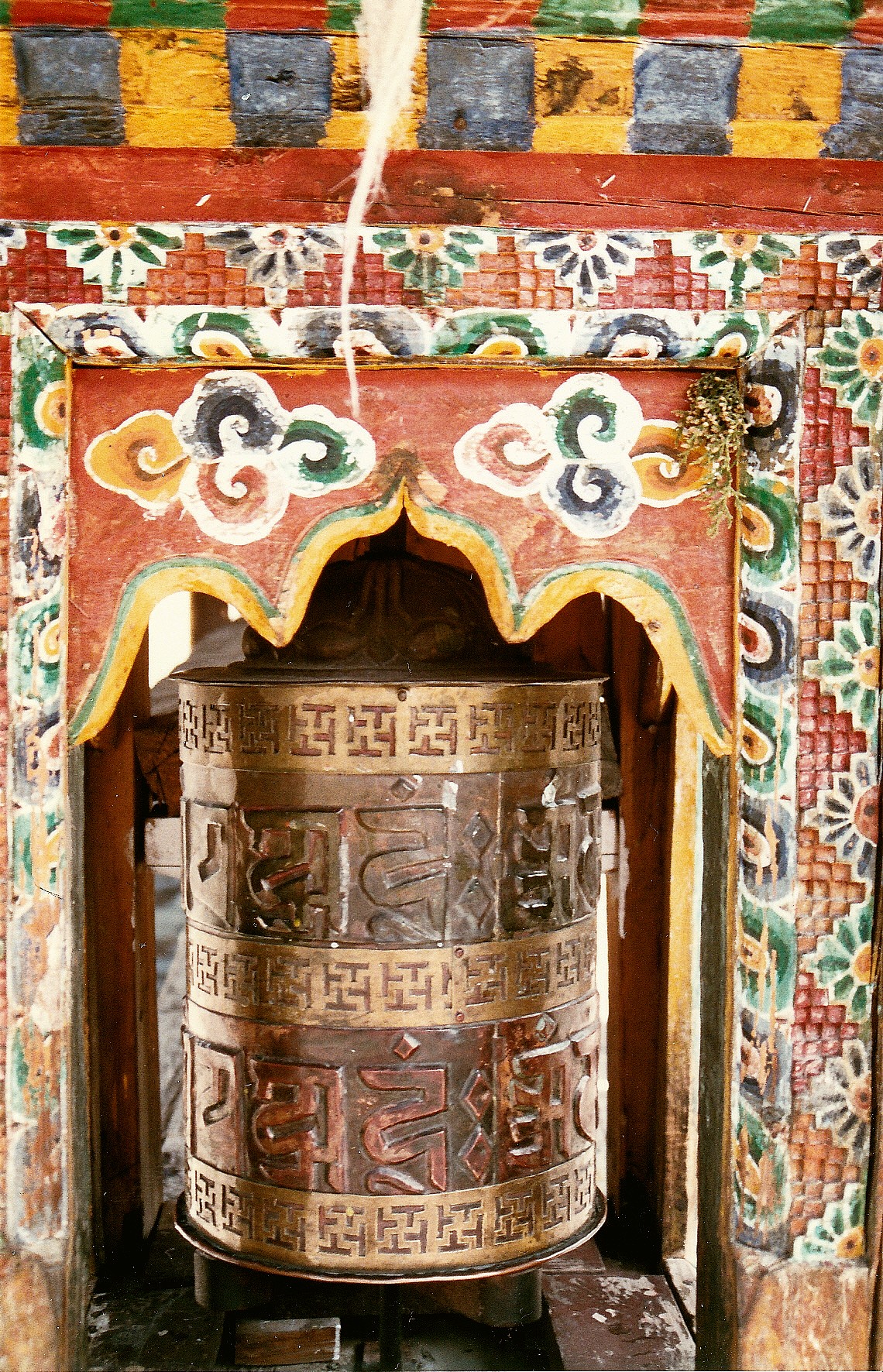
I have twice spent a week in that sort of environment – one time a week of Zen meditation, which was very hard work but left me with a great feeling of clear-headed calm, and once on a retreat at a Benedictine monastery where I made a point of attending a simple morning service each day and spending the rest of the day in thought and writing and painting and gently wandering around the extensive grounds. As a panacea for the stresses of modern life it was difficult to beat. I could, as I said, see myself in another life settling into the routine there on a permanent basis. But not in this life.


We share many ideas. Have you thought about becoming a non-religious pastoral carer?
LikeLiked by 1 person
I think I have heard of such beings, but I confess I know nothing of them. I never seem to have much time free, however.
LikeLike
I could not be a monk, or a nun, in any life. I can appreciate art and other things perfectly well without those shackles. Silence is something we have to seek out and enjoy. It needs to be a goal and then you find time for it. 😊🌹
LikeLiked by 2 people
Thanks, Robbie. I shall be a nun in my next life.
LikeLike
Nice post
LikeLiked by 1 person
Thanks.
LikeLiked by 1 person
Benedictine monastery? wow! sometimes I wonder what life would have been like in monasteries in remote mountainous regions like Greece, Armenia, Turkey, and Georgia. Just a few names… maybe more places.
The quality of life must have been great.
LikeLiked by 1 person
I think it would have varied quite a bit, Arv. In some places, other than the long hours spent praying, I expect life might have been pretty good. In some others, possibly less so. Especially in a not particularly rich area.
LikeLiked by 1 person
Thanks for sharing this perspective. I never thought that way may be because I’m yet to visit one. 🙂
LikeLiked by 1 person
Beautiful pictures! This was such an interesting post, thank you for sharing.
LikeLiked by 1 person
Thanks, Damyanti.
LikeLike
I would love to live the life of a monk but it would have to be in an artistic community/gardening oriented environment.
LikeLiked by 2 people
I think those options are available, actually!
LikeLike
Honestly, I can see the attraction of being a monk!
LikeLiked by 1 person
There is an attraction, isn’t there?
LikeLiked by 1 person
It is interesting how many religions have evolved with a culture of monks. I like the idea of Brother Cadfaels’s times, pottering around herbs, healing and being useful. Back then, widows often retreated to a nunnery, presumably for company and to avoid abject poverty, I think I would have done that.
LikeLiked by 1 person
I have to say, I believe widows frequently had no say in the matter, often sent to nunneries by relatives to avoid being a burden to those relatives.
And, incidentally, did you know that ‘nunnery’ was also slang for a brothel? I wonder how many pieces of surviving writing we have today might be, er, misunderstood?
LikeLiked by 1 person
Yes one can well imagine, I’m sure my family would think that was a good idea.
LikeLiked by 1 person
I am so doubtful if I can become a nun or any such thing. A simplistic life sounds good, but I would probably get bored so fast.
LikeLiked by 1 person
It’s difficult to tell. In most places the monks or nuns tend to jobs to do as well as all the contemplating and praying. I don’t think it’s an easy life!
LikeLiked by 1 person
I understand that in Thailand, all young men are expected to become a Buddhist monk for a period of time, preferably about three months. Most make it at least a few weeks.
Now all you have to do is figure out how to become a Thai man, under age 20, and you’ll have that different lifetime. (Or you could fake it. 😉 )
LikeLiked by 1 person
I think you’re right, Dave. I’ve certainly heard something like that. It’s possibly true in at least one other country, too.
I think I might have my work cut out to fake that, though.
LikeLiked by 1 person
Pingback: In Another Lifetime I Could Have Been…(4) – Mick Canning
I totally get the appeal of the monastic life. For many centuries, that was the main refuge for fine minds seeking a life of reading, writing, and thinking — typically in partnership with self-sustaining arts like gardening, candle making, brewing, and so on. This is especially true for women, who had no choice but servitude in marriage or (comparative freedom of) the nunnery. I’m not sure faith would preclude that choice in a time when everyone either believed or faced the peril of open disbelief.
LikeLiked by 1 person
True, In those days you believed – or you pretended you did. Frequently, there were laws that compelled you to believe or die for your (dis)beliefs. Of course, when the monarchy changed between Protestantism and Catholicism (other variations were available in some countries) you were definitely caught in a bind.
LikeLiked by 1 person