A Change Is As Good As A Rest

The last couple of weeks have seen a real mix of weather – typically autumnal. At times it’s been absolutely hammering it down here. After what feels like an impossibly long spell of parched heat, in the last week we’ve had some marvellous rainstorms.

These rains have freshened the tired summer greens as though they’ve suddenly been woken up and sparked into life again. As summer drifts into autumn, we’re suddenly presented with the lusciousness of spring.

The heat had left me both mentally and physically exhausted, but I’m finally reviving a little. Autumn, like spring, is a season of change and I’m feeling the effects.

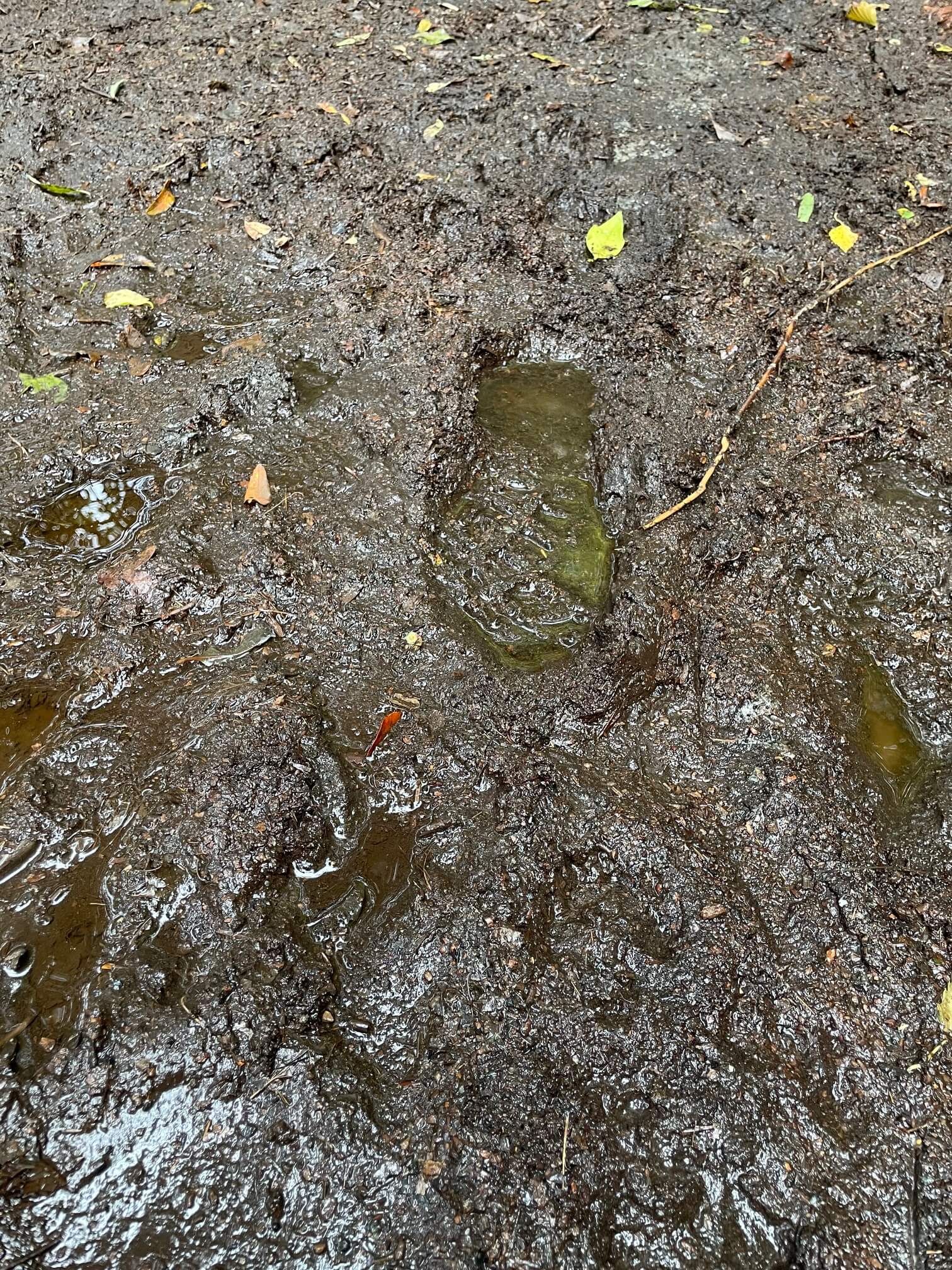
I’m also celebrating the return of mud. No doubt in the depths of Winter I’ll be sick of the stuff, but right now it appears like a magical substance. To walk upon ground that gives, ground that reacts other than by producing a puff of dust, is magical.

Even the birds seem more chipper.

Yesterday’s Walk

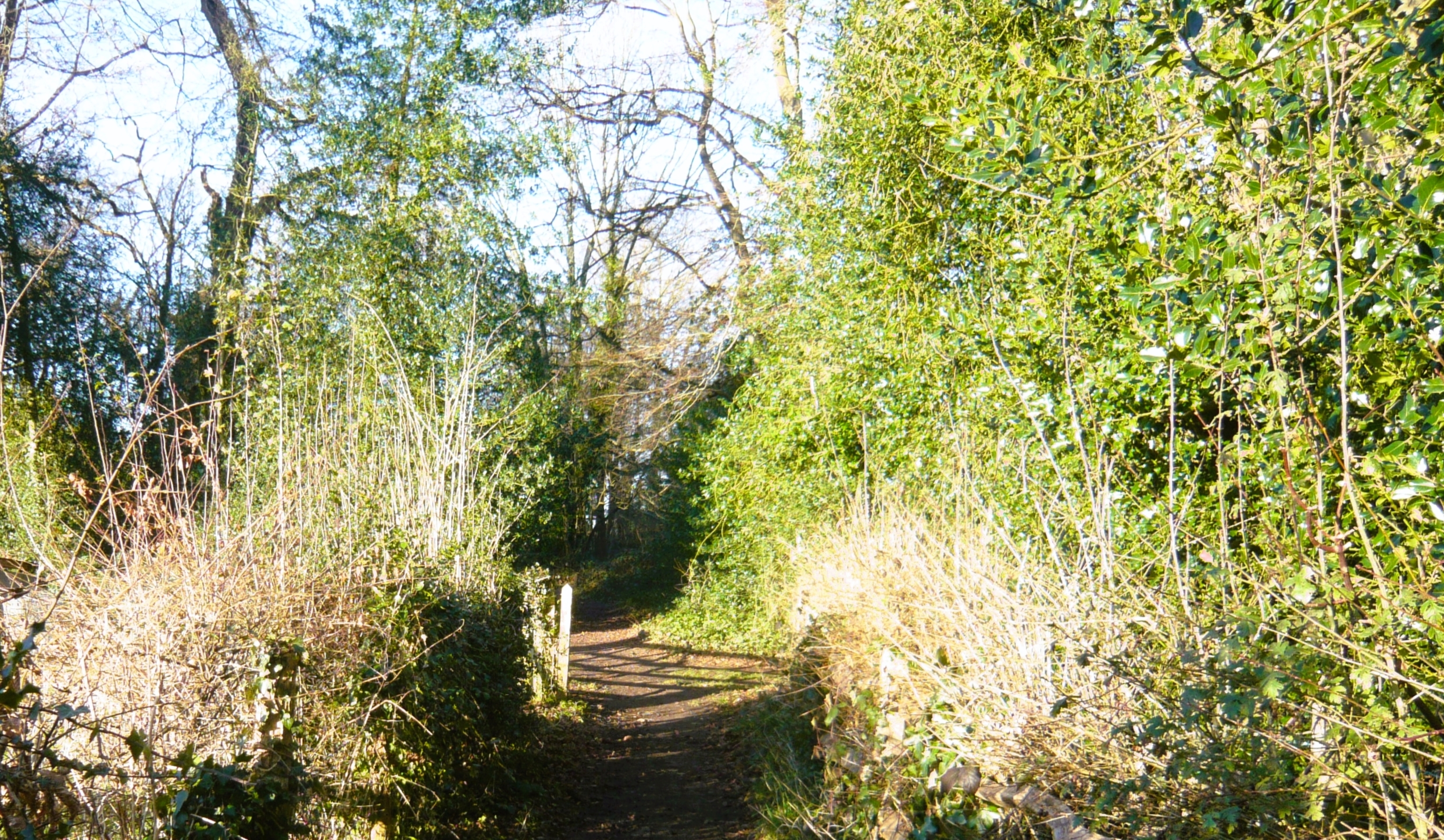
We’ve had rain recently, and everywhere was muddy again. Much more like I would expect February to be. The ground had dried out quite a lot over January, but the soil was still saturated just beneath the surface and it doesn’t take much for it to turn back to thick, claggy, mud. But the weather was better than had been forecast; and as I set out the sun was glinting on the stubble fields and in the shadows there was just the faintest blue hint of frost. It felt so Spring-like. Everything was suddenly green and growing.

Soon, I was much too warm in all my layers. Mornings like this inevitably remind me of other favourite walks; long walks on sunny, clear days. I walked through a valley which was filled with birdsong – blackbirds, robins, blue tits, the demented cackle of a green woodpecker, and the determined drumming of a greater spotted one. In the future I will probably take walks that remind me of this one.

I must sometimes be a frustrating person to walk with – I like to stop frequently and just look around me. Absorb the landscape. The air smells fresh, now, but without the over-sharp coldness that stings the nostrils. Even though it is too early to smell flowers in the air, there is something on the breeze…Something evocative, much like the scent of woodsmoke causes me to instantly think of trekking in Nepal, or campfires closer to home in Sussex.

Suddenly there is a kestrel overhead…I never seem to get those shots of foxes or buzzards and don’t know whether I’m just too slow or if everyone else just walks along with their cameras in their hands, ready to take that photo.

At least flowers and trees tend to keep still. I do find my camera can be an unwanted distraction, though. If I am walking along looking for something to photograph, I feel I’m not really seeing the landscape around me. I’m just searching for a subject. For that reason, I often don’t take a camera with me on walks.

The first peacock, in fact the first butterfly of any kind I’ve seen this year. But talking of green woodpeckers and kestrels, I think there is a case for replacing all their somewhat dull modern names with the ones they used to have in the past: the green woodpecker was the yaffle, named for its wonderful manic call, the kestrel used to be called the windhover – how wonderful is that? And in the seventeenth century it was actually commonly known as the windf*cker. Perhaps the prudish Victorians banished that name the same as they changed the perfectly named white arse to the bland (and meaningless) wheatear.

I think we should reclaim the names; they add extra interest to a long walk.

The Thick Month

June is the Thick Month. Trees and bushes and stands of wildflowers have acquired a lush density by now, branches and stems encased in full-sized leaves, rich and vividly green. Leaves massed and packed in swaying light-blocking swathes. Nothing has yet faded, although there is a gradual falling away of birdsong now mating is over and broods are being raised, although this is compensated for by what seems to be an increase in insect noise, especially bee hum – certainly in our garden. The flowers are beset by mason, carder and bumblebees, and large numbers of solitary bees which provide a delightful oxymoron for this recorder, at least.

Going out and about through the woods a mile from my home, I feel I could almost be walking indoors, such is the density of the tree canopy above me, and when it begins to rain I do indeed remain dry, other than from the occasional drip finding its way through. But it is muddy underfoot in places, the sheltering swathes also keeping the sun from drying out the ground. The thick wet dark humus-rich soil smells sweet and clean, reminding me of a ‘plum-pudding smell,’ as Kenneth Grahame described the river-bank in The Wind in the Willows.

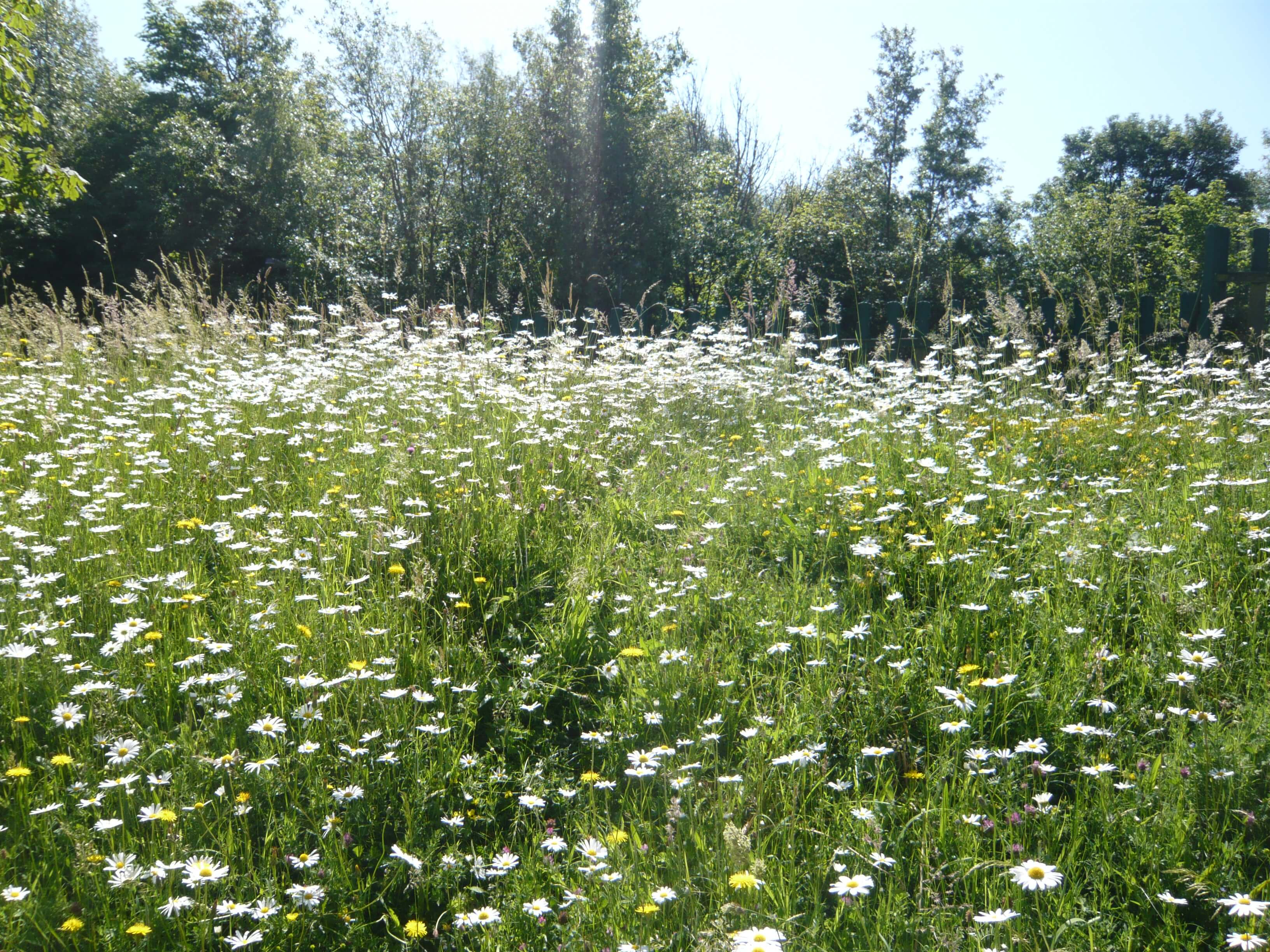
The fields, too, are thick with wildflowers and grass, as are roadside borders where councils have refrained from scalping them. As much as I rejoice to find the occasional rarer species amongst them, I think my greatest pleasure is just to see masses of the commoner species; buttercups or ox eye daisies, vetches or speedwells.

I generally see nothing rare when I am walking my patch, but I could never think of any of this as ‘ordinary’.

Mud

The second of my ‘Poem a Day’ poems. Just getting this far is a bit of an achievement, I suppose, although I’m not particularly happy with either the meter or the rhythm. It feels as sloppy as the day itself was. But I think it has potential if I do a bit of work on it sometime later.

Mud

Today, the sun has been sent into exile,

Leaving just a weary daylight.

It has gone, and we shall never see its like again.

.

In the steady rain,

Climbing this hill is an act of defiance

A far more daunting prospect than usual.

It is like a resistance.

One step forwards and two steps back

I slide and slither upon the track,

Barely keeping my footing at times.

.

In places, mist curls beneath the trees

Where the birds voice their own defiance

Loud and clear.

.

Beneath the endless grey,

Still lower clouds like smoke from gunfire,

From shell bursts or industrial disaster

The earth torn up and churned

From countless toiling feet.

But other than the birds,

I have the world to myself.

Annapurna Circuit, Nepal -1

In 1988 – thirty years ago! – I walked the Annapurna Circuit. This has long been regarded as one of the top ten walks in the world, and is certainly the walk I have enjoyed most. I put up a post about the circuit a year and a half ago (here) should you wish to read it, but as a celebration of that anniversary, I thought I would put up some more photographs over several posts.

Today, they are all from our second day’s walk.

IMG_0016

We camped the whole way, since there was virtually no accommodation on the route then. It was sometimes possible to sleep on the floor of a tea-house, but that usually meant an uncomfortable night in a very smoky atmosphere, and probably not a great deal warmer than a tent. It meant we were travelling with four guides, a couple of cooks, a couple of ‘kitchen boys’, and an average of fifteen to twenty porters (every so often one or two would leave, and others get hired from a village we were passing through).

IMG_0012

We began our walk from Gorkha, walking through the Terai – the sub-tropical forest region that stretches across most of Southern Nepal and much of the Himalayan Foothills of Northern India. This was a land of small rural villages, terraced fields carved painstakingly out of the hillsides, and, naturally, wooded hillsides.

Much of the woodland had already gone, cut both as clearance for fields and for fuel and fodder. It was already leading to much soil erosion and the degradation of the remaining soils. With the passage of thirty years, this can only have got worse.

On day 2 we walked from our campsite beside the Dharandi Khola to the settlement of Chepe Ghat.

IMG_0013

Transport in these areas was entirely by foot, usually in the form of porters who carried massive loads upon their backs. Occasionally by pony, or by bullock, but never by yak – they do not survive at these comparatively low altitudes. In 1988, walking the Annapurna Circuit was entirely on tracks and paths, since there were no roads of any description on our route. Today, there are motorable roads along part of it, but back then we did not see or hear a motorised vehicle for the duration of the trek.

IMG_0014

Building materials in these areas were, and predominantly still are, wood, thatch, and mud. Stone was used only in larger settlements.

The boy pictured above, incidentally, will now be in his late thirties.

IMG_0015

Wooded hillsides, with the terraced fields belonging to a nearby village encroaching.

IMG_0004

Rice paddy – terraced fields flooded for the planting of rice, the staple crop of the Nepal Lowlands.