An Andalusian Adventure (1) – Re-blog

It is certainly much harder to learn a foreign language when you get older. Since we’d like to do some more European travel (in my case, especially Spain) I’ve been trying to polish up my Spanish, but seem to be making very slow progress.

But I said I would re-blog the occasional post so here’s one from 2020 about a walk I took in Spain back when I was young and a hell of a lot fitter than I am now:

img20190318_12075705

It wasn’t my first trip to Spain, although it was a long time ago now. I walked into Malaga with a rucksack on my back and followed the signs for ‘Centro’ until I found myself in the crowded central district of older narrow streets with three- and four-story shops and cafes, guest houses and cheap hotels. The second hotel I tried offered me a perfectly adequate room on the third floor at a very good price.

The hotel was old. The wooden floors of the corridors were worn and polished by the passage of countless feet, and everywhere seemed gloomy. It gave the impression of having more nooks and corners where light never penetrated than it should. But the only light came from the occasional bulbs hanging from the ceilings, and other than by returning to the street, the visitor would only encounter daylight once they had reached their room and opened the curtains.

The bed was old, and sagged a good deal more than it should, and the furniture was so dark with age it was difficult to make out the grain. As a base for a few days, I decided it would suit me fine. As I unpacked and settled in, I suddenly heard a violin being played. It sounded quite close, and I opened my bedroom door to investigate. I had just decided the sound was coming from a neighbouring room when it stopped, and then a door opened. A man about ten years older than myself emerged and stopped when he saw me.

‘I’m sorry,’ he said. ‘Did I disturb you?’

He introduced himself as a German who I shall call Matthias, although I am no longer certain that was his name, and who immediately invited me to go for a beer.

It would have been rude of me to refuse.

Matthias was meandering around Europe, he told me, and supporting himself largely by busking. Later that week I was to see him playing in the street and be surprised at just how many passers-by threw coins into his hat. It seemed a particularly enjoyable way to travel. Over those beers and then over a few more later in the week, we talked travel and philosophy, music and religion. When I meet someone while travelling, I find it interesting how I often have less constraint than I would when I meet someone for the first time in more familiar surroundings. Frequently, I will reveal things about myself I would never dream of doing to someone I meet perhaps for the first time at a friend’s house, or at my writing group. I presume it is the unspoken knowledge we will never meet again.

Beside the entrance to the hotel was a little café where I made it my habit to take a breakfast consisting of strong coffee, sometimes with slices of thick white bread dipped in olive oil, sometimes with fried eggs. It was a good place to sit and watch Malaga waking up. Its clientele were a broad mixture of workers all grabbing a quick breakfast on their way to office, shop or building site. Mostly they sat in silence, reading the morning paper and smoking, other than to give their orders to the waiter. On the bar a tiny transistor radio chattered away in speech too indistinct for me to make out more than the occasional word. In a way, though, that only added to the atmosphere. Despite it being a familiar situation, there was enough of the unfamiliar and the foreign to make it feel a little exotic.

I wanted adventure, I wanted to explore. I’ve wanted to do that for as long as I can remember. I travelled in those days with a few changes of clothes in a rucksack and a minimum of half a dozen paperbacks, which invariably included something by Hermann Hesse and at least one poetry book.

That, at least, hasn’t changed much.

I liked to travel light (other than the books, of course), so I had no camera with me and probably very few of the essentials most people would think to take on a Spanish holiday. No swimwear, for example. I don’t do beaches, at least not in that way.

But I had come to Malaga because I had a peripatetic nature, and my itchy feet were troubling me. After a few days I decided to take a walk out to the little town of Colmenar, to the north of the city. I would take a room there for one night and return to Malaga the following day. Any other destination would have done just as well; the purpose was the journey, and the journey was the purpose. I chose this route simply because while wandering around the outskirts of Malaga I saw a narrow road winding up into the hills with almost no traffic on it, signposted to Colmenar. The morning after I had made the decision, I packed my rucksack and checked out of my hotel immediately after breakfast.

Part 2 to follow

100 Word Stories

I know one hundred word stories are a thing on here, or ninety nine word stories, someone supplying a prompt – either a word or a phrase or perhaps a photo – but I was just playing around and came up with this. So no prompts, just a bit of fun.

Those of you of a certain age and musical heritage may identify with it…

‘This was a particularly brutal murder, sergeant.’

‘Yes, sir. With around three hundred people watching. Open and shut case, fortunately.’

‘And he was the keyboard player?’

‘Yes. He was about fifteen minutes into the Hammond Organ solo when he was killed.’

‘Who did it? A member of the audience?’

‘No, the vocalist. She bludgeoned him with the microphone stand. Really vicious. All she’s saying is this was the eighteenth night of the tour and there were still twenty seven to go.’

‘Didn’t any of the other band members attempt to stop her?’

‘No, sir. Apparently, they were egging her on.’

Found – One Muse

‘Oh, you’re back.’

‘Well, not really. I’ve been here all the time. I just didn’t have anything to say to you, that’s all.’

‘Why on earth not?’

‘For a start, you don’t listen to me. You keep fannying around with that novel that your heart’s not in, anyway. What is it that you actually want to write? Not that one, at least at the moment.’

‘I’d love to finish it, actually, just get it out of the way.’

‘It’ll still be there when you’re ready to finish it – if you ever are. And if you’re not, it doesn’t matter. Surely you’ve got other stuff you’d rather be working on?’

‘I…’

‘Like, your poetry’s pretty crap, but you enjoy writing it.’

‘Hey! I…’

‘Then there’s the other novel, the one you’ve been faffing around with for years.’

‘Yes…’

‘So work on that one, since you actually do like it, and do a few paintings, for God’s sake. You’ve been saying you’re going to, well get on with it.’

‘I thought a muse was meant to be an inspiration, not a nag.’

‘A muse,’ she replied tersely, ‘will say whatever she thinks necessary to get her author off his lazy butt! Now, what about this pamphlet or brochure you’re meant to be doing at the moment?’

‘The zine?’

She visibly cringed.

‘Yes…that. As far as I can see you’ve been tinkering with it for months but you’ve nothing to show for it.’

‘I…’

‘You seem to have decided on a few of the poems you want to put in it, and a short story, but you haven’t rewritten the essays you wanted to use, haven’t sorted out the photographs and done nothing towards the artwork. You’ve not even decided on a title for the thing yet!’

‘I’ve…’

‘Yes, and that’s another thing. You keep jumping from one thing to another, and never completing anything.’

‘I’ve always thought it’s good to have a couple of projects on the go. When I get stuck on one I can go and work on another.’

‘Yeeessss….a couple you say. Exactly how many have you got on the go at the moment?’

‘Ah, er, I’m not sure…’

‘No? Well roughly how many?’

‘Er…’

‘Very roughly? You don’t actually know, do you? Just finish something! What about the short poem’ -*cringe* – ‘zine you’ve got in bits? As far as I can tell it’s nearer completion than the other one.’

‘Um, I suppose I could…’

‘And I’m not some lifestyle guru, but get out and go for more walks. And listen to more music and read some more books. You’re not reading very much at the moment, are you? And read something you want to read and listen to something you want to listen to. Not because you think you ‘ought’ to, whatever the hell that means. And stay off fricking social media, too. It’s poisonous.’

‘That’s certainly true.’

‘So just see that you do, or I really will be off. I’ll be checking up on you more regularly, now. I can see it’s the only way.’

She’s a tough, unforgiving, so-and-so, my muse.

In Another Lifetime I Could Have Been…(1)

…a folk musician.

There are any number of reasons why I haven’t become one in this lifetime, only one being a lack of any obvious talent. Perhaps if I hadn’t gone abroad when I did, I might have inveigled myself into a group of musicians and played a little more, and a little more regularly. Perhaps if I’d practised more I’d have been a little better! Perhaps if I’d actually learned to read music properly I could have learned more tunes properly. Who knows?

I could play both the guitar and mandolin fairly competently, if nothing more. It has been many years now, though, since I owned either – or a fiddle or a whistle either, come to that, both of which I had pretensions of being able to play, at least a little. I still play a pretty mean air mandolin, though, and my air guitar licks would put Richard Thompson to shame, although so far I’ve had limited success with my Henry Parker air guitarwork – unfortunately he uses a different tuning. I am occasionally tempted to buy another mandolin, or perhaps a guitar, but if I’m realistic I have to admit I would never devote the time to them that would be required. It’s going to remain one of those dreams realised only in my imagination.

But a note for that other lifetime: I’m not one of those folk who have to be the very best at whatever they attempt, otherwise they feel it isn’t worth the effort. I wouldn’t have to be a star, I’d be content to be a session musician, a backing musician. Just to make a living doing something you love is awesome and something not given to many. Or not even to make a living, perhaps, just to make music with others is a delight and I could still be happy with it being a spare time occupation.

So, sticking to going to gigs and listening to CDs this time around.

Unhalfbricking

I’ve never written an album review on here before, although I have reviewed a couple of concerts I’ve been to, so this is a first.

And if you have absolutely no interest in folk or folk-rock feel free to give this post a miss.

So, probably just one of you left. Let’s go.

Actually, now I’ve written the thing, it’s not really a review at all. It’s a bit of musical history, if anything. That wasn’t exactly what I’d planned.

Oh well…

Unhalfbricking is not my favourite Fairport Convention album, but it is an extremely important one. Which is not to say I don’t like it, because I do. It was released in 1969 and is their third album.

It is the following album, though, Liege and lief, which is rightly regarded as their most important, and an album that has had a huge influence on the direction folk and folk rock music has taken since its release, but Liege and lief came about as a result both of a tragedy and a new direction partly forced on the band by musical events way over the other side of the Atlantic. After the release of Unhalfbricking, most of the band were involved in a serious road accident (singer Sandy Denny was in a separate vehicle) which led to the hospitalisation of some members and, sadly, the death of both drummer Martin Lamble and the girlfriend of guitarist Richard Thompson.

After discussing whether they would continue as a group or just disband, the decision was made to continue and they hired a new drummer, the amazingly talented Dave Mattacks, and persuaded fiddle player Dave Swarbrick, who had guested on Unhalfbricking, to join the band on a permanent basis. And the decision was also made to change musical direction. Much of the material on their previous albums had been either American in origin – there were Three Bob Dylan covers on Unhalfbricking alone, for example – or country-tinged.

There is one track in particular on Unhalfbricking that helped to lead the band into their new direction, the traditional song A Sailor’s Life, which breaks new musical ground in this recording. What makes the track most memorable is that it is the first time a drumkit had ever been used on a traditional English folk song. It was also the first time Dave Swarbrick had used electric amplification, coming from a background with traditional folk groups. And then the whole track was apparently improvised on the first take, the first time the band had played it together, and listening to it, it is remarkable how you can hear them growing in confidence throughout the performance. And it is a long track, which I suspect has more than a little to do with the musicians getting the feel of working together and seeing what could be done with the material. Experimenting as they go along. Nothing like it had been released before.

Over in America, The Band, who had supported Bob Dylan on tour, had recorded Music from Big Pink in what has been called a reconnection with rural Americana, and listening to this there was a realisation both that by covering American standards Fairport would never be more than just one more wannabe Byrds cover band, but also that they wanted to take a similar direction with traditional British music. Bass player Ashley Hutchings had become deeply interested in the genre and Swarbrick came from a folk heritage. Thus A Sailor’s Life became a bit of a template for what was to come.

Finally, here’s a link to the song on YouTube.

Coll – A Wee Bit Random (1)

I really thought I had already written a post about Coll, from our first visit there eight years ago, but it seems not. But we were lured back there earlier this year, as we knew we would be, sooner or later, so here’s a few random shots from both this visit and the first one.

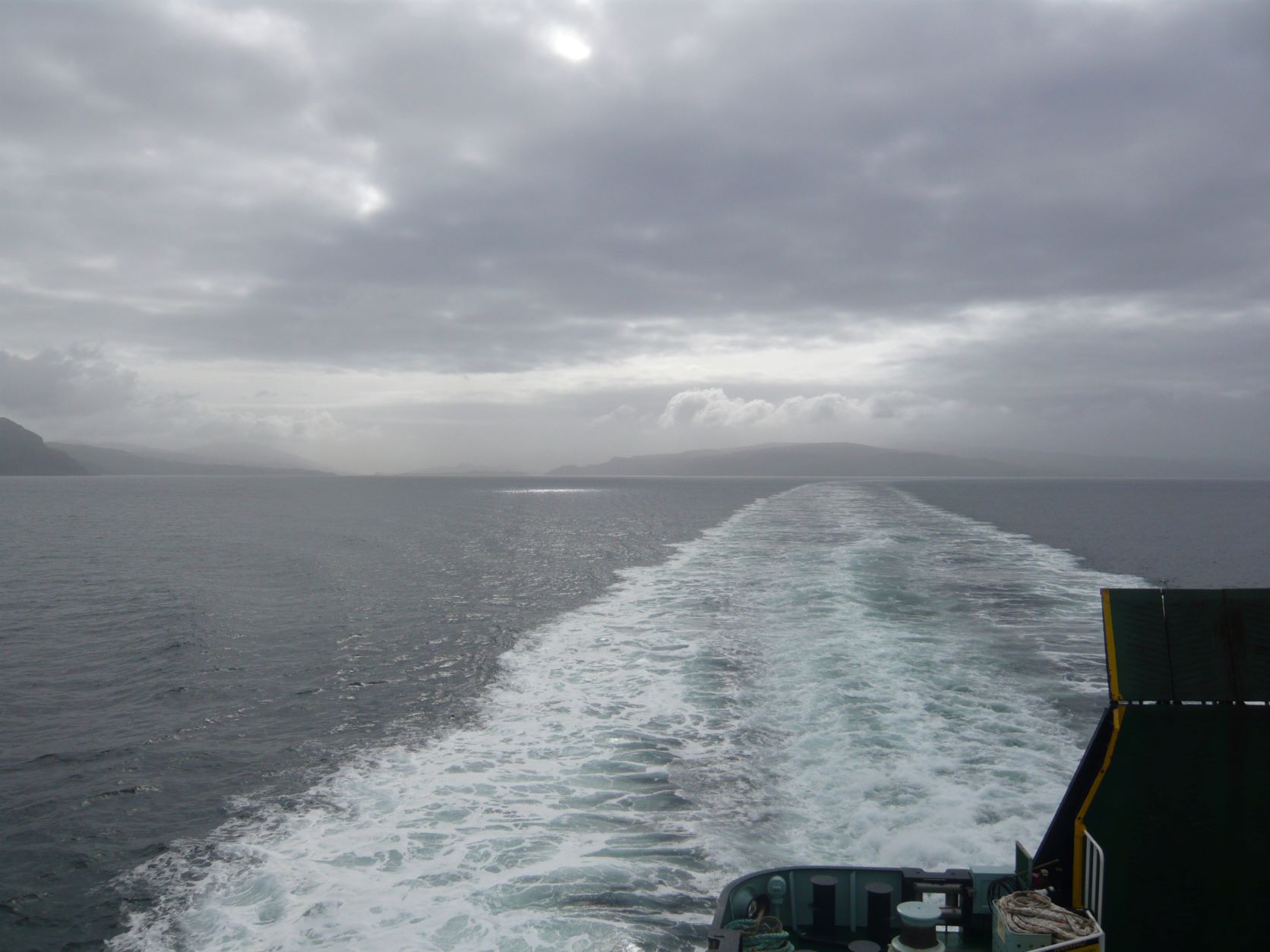
I love travelling to an island on a ferry. It is comparatively slow travel and you get a real sense of the distance travelled and the mood of the world you pass through. It takes two hours forty minutes to reach Coll from Oban; not a huge amount of time, but time enough to realise you’re no longer on the mainland.

Arinagour is not the largest capital city in the world. Although it is the main settlement on Coll, it only has a population of around 50. Although the entire population of Coll is only between 150 and 220 permanent residents, depending on which source you consult.

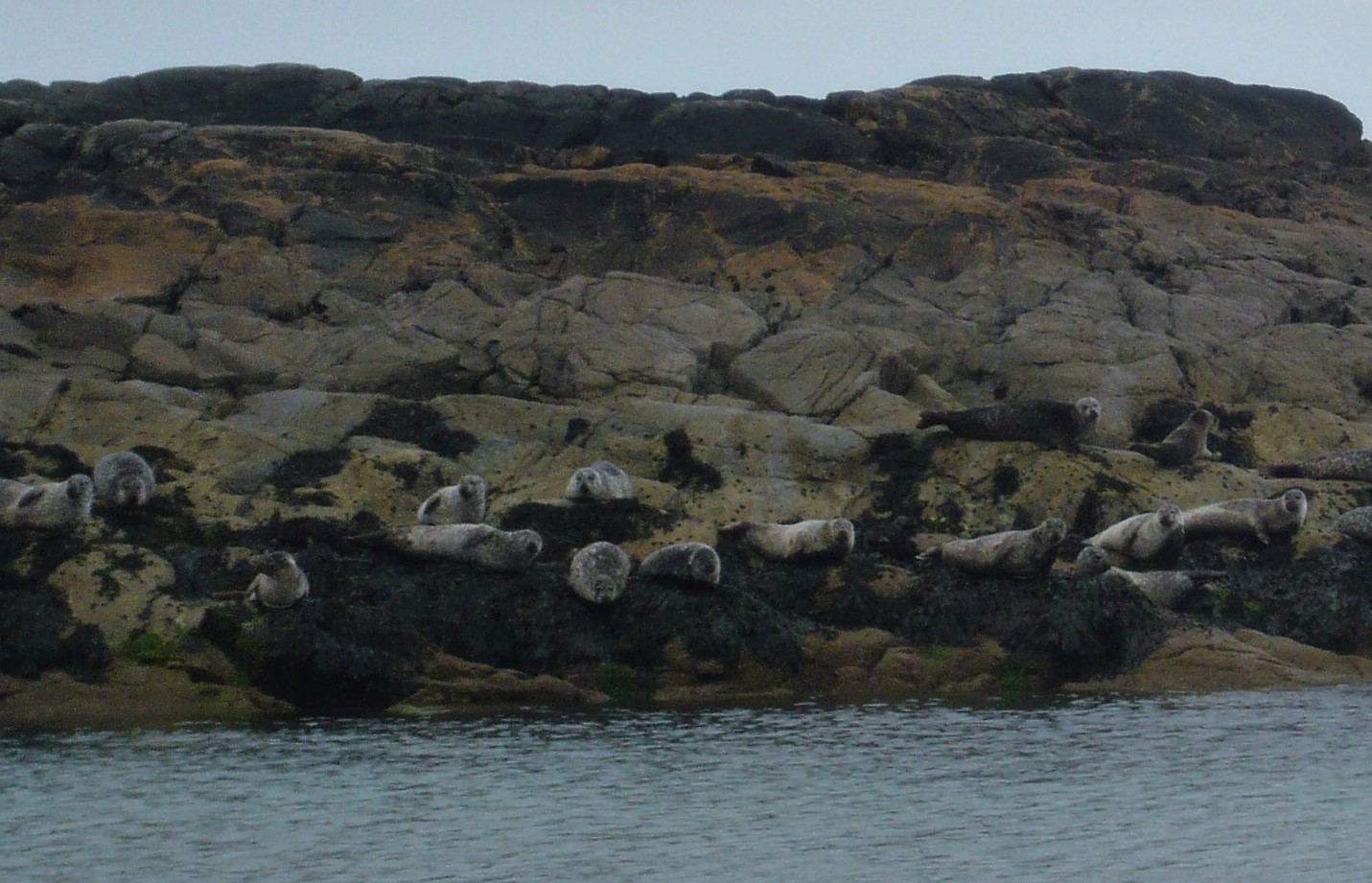
About halfway along the coast on the northern side of the island, there is a bay called Bagh an Trailleich. On our first visit, we walked there hoping to see some seals, but were disappointed. This time, there were about fifty seals on this small island in the bay

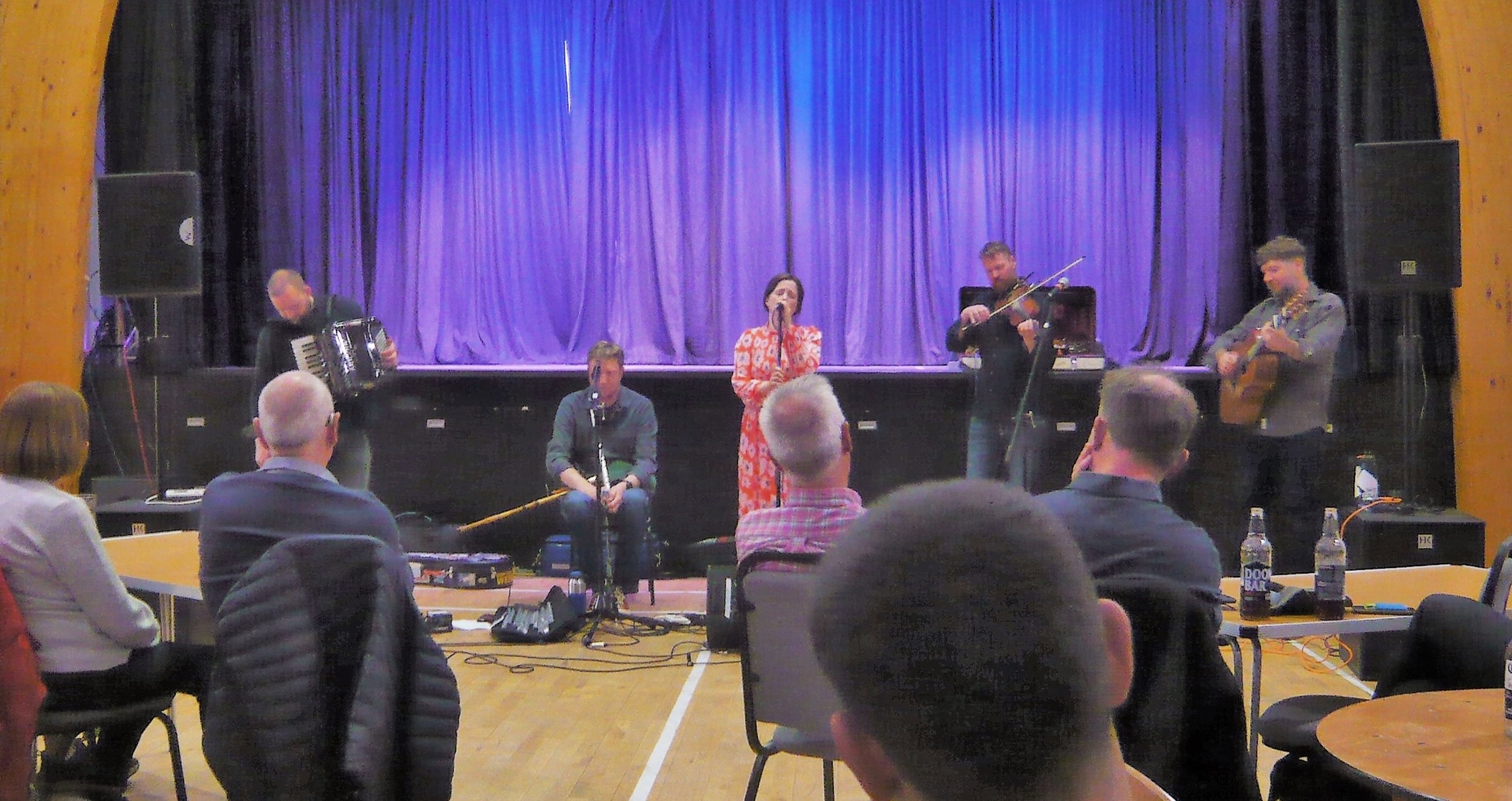
Our cottage was five minutes or so walk from the ferry, and having left our bags there we walked the short way to the island community centre, where we knew there would be a Saturday market and we intended to buy a few treats (homemade cakes, jam, and the like) for the week. While we were there, we saw a flyer for a gig by Daimh (pronounced ‘dive’) on the Wednesday evening. All we learned from this flyer was that they are a Scottish folk group and we thought that sounded like a good evening. On the Wednesday evening, we learned they are frequently described as a ‘Scottish Super-group’, and quickly discovered why. It was one of the best concerts I’ve been to. If you fancy a taste of what they do, I recommend this: Daimh live at Celtic Connections

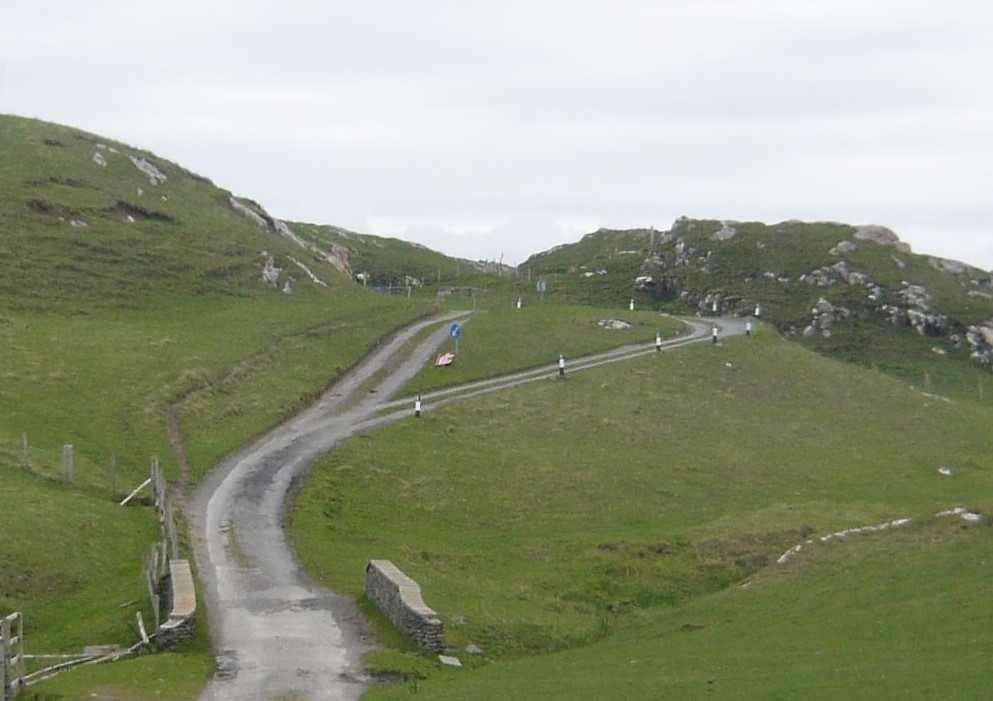
There is just one stretch of dual-carriageway on the island, a length of less than fifty metres, and it’s very difficult to understand why it’s there. There are three main roads on the island, all ‘B’ roads, and this stretch is along the one leading to the hamlet of Sorisdale. As you can see, it’s not the busiest road in the UK, but it may be the shortest stretch of dual carriageway.

Someone is bound to know.

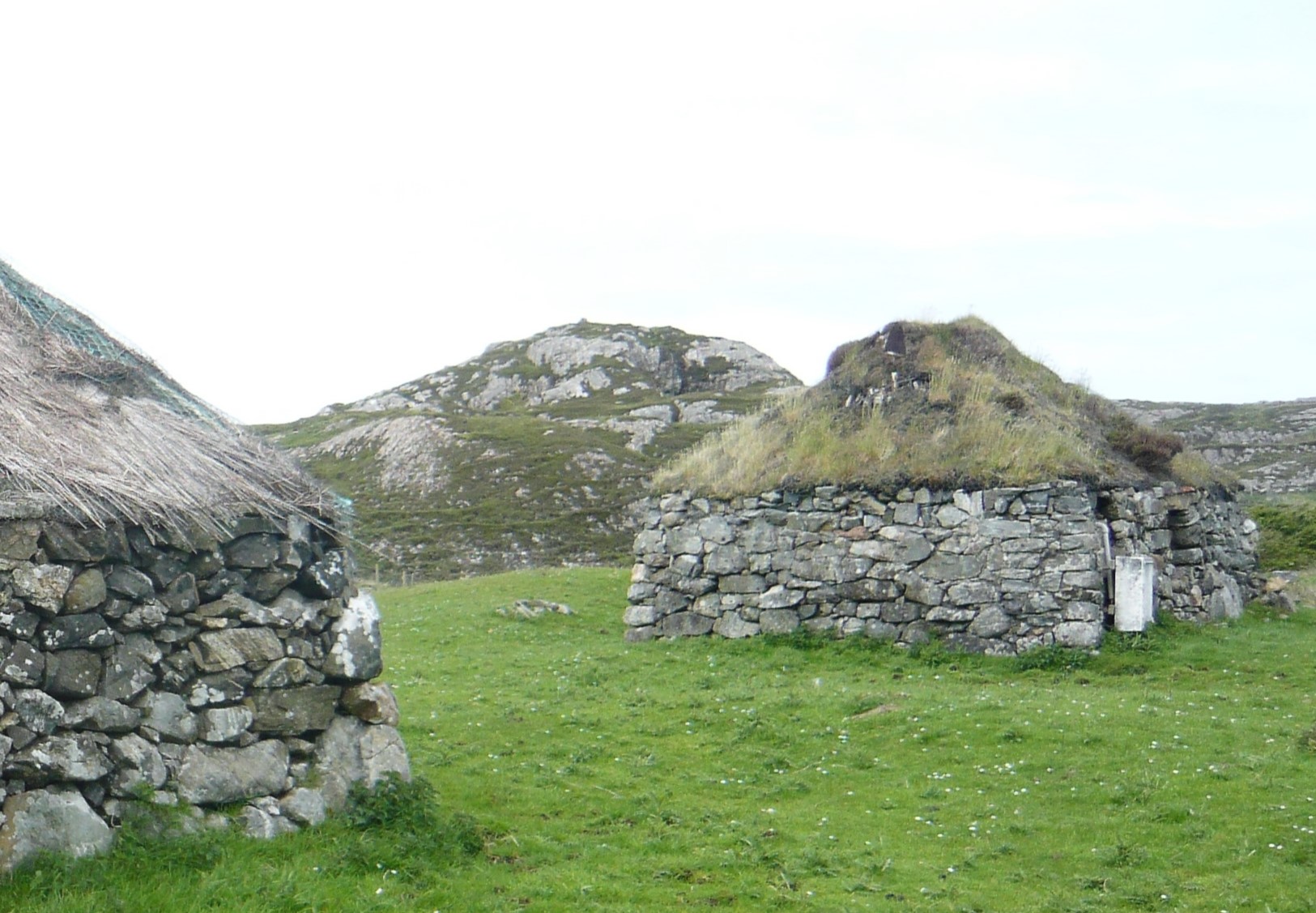
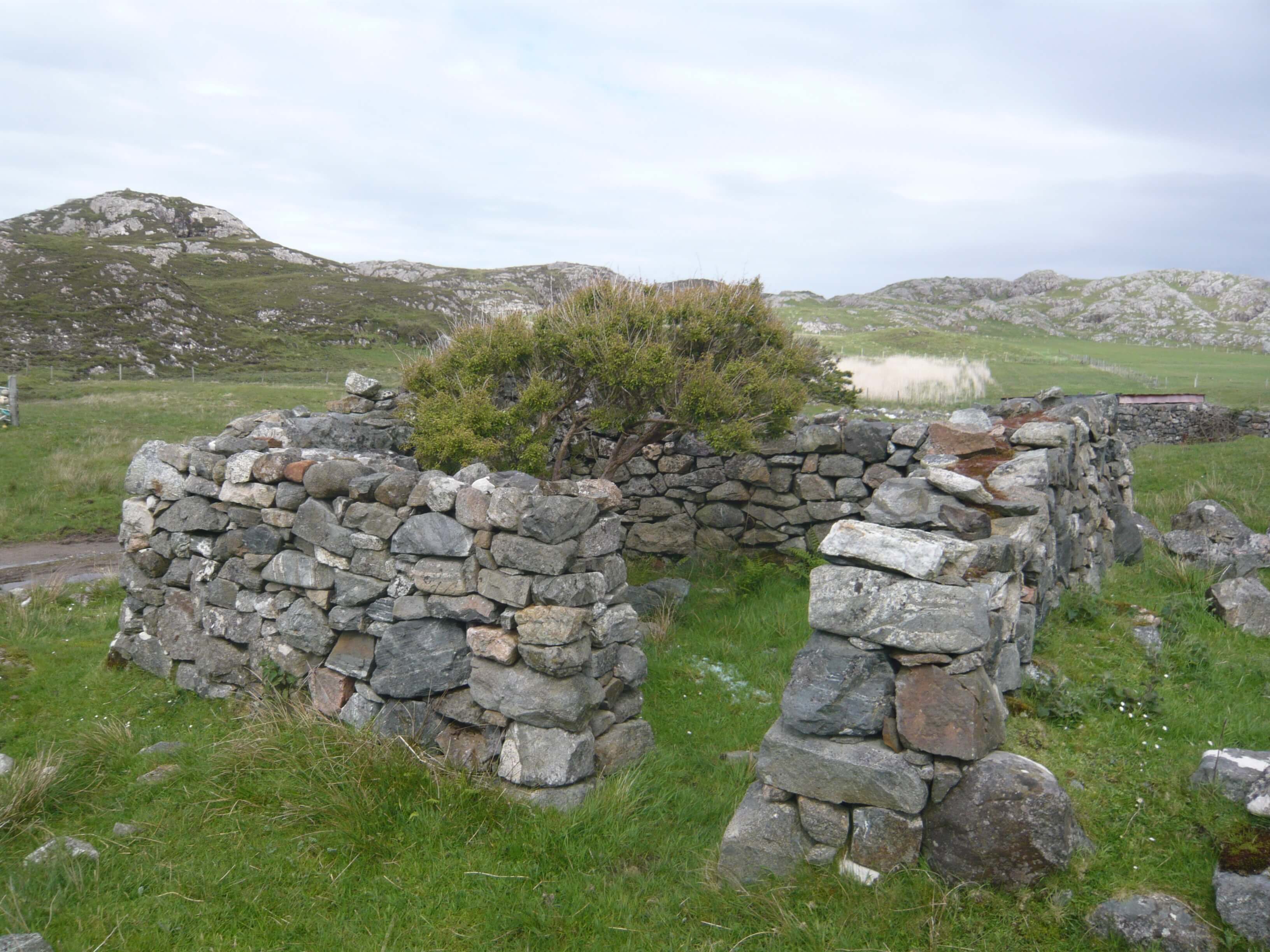
Sorisdale is a former crofting and fishing village at the north east end of the island. There are a couple of modern houses there, but also a number of old cottages with turf or thatched roofs, in various states of repair or disrepair.

And because it’s Scotland, here’s yer Highland coo. Yer’ve met him before.

Autumn Equinox

Often, it still feels like summer at this time of year, but I feel autumn has truly arrived now. This morning I walked a path I haven’t walked for a week or more to find the sun was that much lower than it had been and I was constantly having to shade my eyes. It’s all about colours, now. Colours and the cooling of the world. Russet. Browns. Fading drab greens. Yellows and orange. Autumn can be beautiful, although it can also be dull and dreary and occasionally fierce. But mornings often arrive with an added sparkle, with heavy dews on cobwebs and leaves glinting in the low sun, hedgerows of thistledown, rosehips, and hawthorn. There is usually a freshness in the air, especially in the mornings, which has been absent for most of the summer, that invariably lifts my spirits.

I like summer, of course I do, but the arrival of autumn reminds me in some ways of the arrival of spring. In spring we have the stirring of life after a long period of hibernation, whereas the beginning of autumn always feels to me like the start of a new, second, outburst of life. Many plants have a sudden growth spurt, fruits and nuts and berries swell and glow and are plundered by birds and beasts. It is still warm, warm enough to bask in the sun and to feel hot walking up even quite gentle hills.

The Equinox occurs on Friday (at 2.03am in the UK, to be precise) and after this the hours of darkness outnumber the hours of daylight until the end of next March (counting dusk and pre-dawn as night time). After this, the year always feels to me quite different, even if the weather from the one day to the next is much the same. I can already feel myself slipping into a different place; the logs for the burner have arrived and have been stacked ready for use. The apples have been picked, shortly to be wrapped and stored away. Much in the garden is in the process of being cut back for winter. When the days are short and the nights are long, there will be many books to read, lots of music to listen to, a few beers to drink, and many long conversations to be had.

But also many long walks as well, I hope. I love winter too.

Some Diary Extracts

April 10th 2022:

A few days ago I dug out all the pastel paintings I have hanging around and put them to one side, the intention being to chuck them all out. As part of managing to get my creative side working properly again, I feel I need to clear out the majority of my old work. I think it is simply preventing me from getting going again – as well as taking up space we don’t really have spare. I’ve always been a little reluctant to just destroy a painting I think I might be able to sell at some point, but that’s something that doesn’t matter to me in the same way any longer.

It’s much the same with writing. Nice if someone buys it and nice, of course, if someone reads it and likes it and, hopefully, gets something from it. But not important in the same way as it used to be. I’ve never wanted to be famous, or sell millions of books (much the same thing, of course), and perhaps this is part of that. If the poetry I’m currently writing is any good, I would like someone to publish it, and if a small audience appreciated it and thought it worthwhile, well, I’d be tickled pink. But it’s not that important.

If I paint again, or carve wood, it will be entirely for me. If someone likes a painting, then perhaps I’ll simply give it to them. I appreciate this isn’t a philosophy that most creatives could adopt, but it’s what I feel I should like to do at the moment.

Wall painting in Amberley Church, Sussex. It dates from around 1300AD, was whitewashed over around 1550, and restored in 1967.

April 11th 2022:

We’re off to Amberley for a couple of days. We should have been walking the South Downs Way at the moment, but Covid has left us too tired for that, so we cancelled our various bookings. But to give ourselves a short break, we kept the Amberley one and booked an extra night.

Yesterday I contemplated completely coming off the internet for a matter of all of about half a second. I find it a huge distraction and much of it incredibly annoying, but like most folk I’m in too deep to extricate myself. We’ve arranged our lives around it over the past twenty years especially, and in my own case I keep in touch with many people that way, I have my blog, which I don’t think I’m ready to give up yet, rely upon it for booking trains and finding train and bus timetables, use it for family research, writing research, and to find and order books and music. None of these would be insurmountable problems, but cumulatively it would just be too much hassle to do without.

But even when I’m using my laptop for writing, I get too easily distracted by the internet and I feel a little like those people who walk through lovely scenery staring down at their mobile phones.

April 15th 2022:

Sunny and clear this morning and the forecast is that the day will be warm and bright. Having had quite a busy day yesterday, I felt quite run down in the evening and this morning feel very tired despite having slept well. It is four weeks until we go to Coll and I hope I’ve got some energy back by then.

It is sunny and, dare I say it, warm all day and despite this being Easter Bank Holiday weekend, the forecast is that it will continue this way.

Strange powers are at work.

Chanctonbury Rings

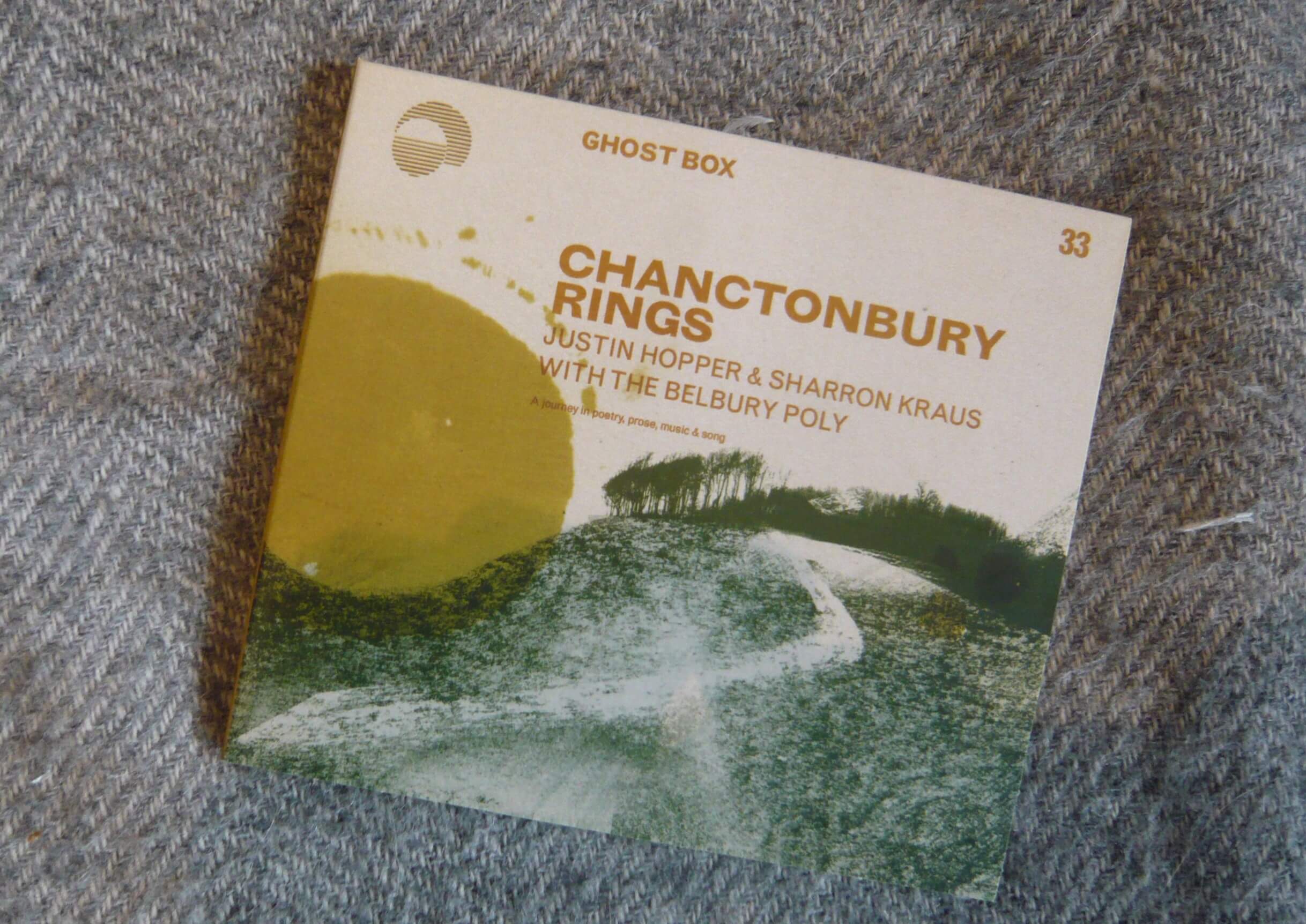
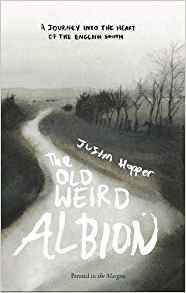
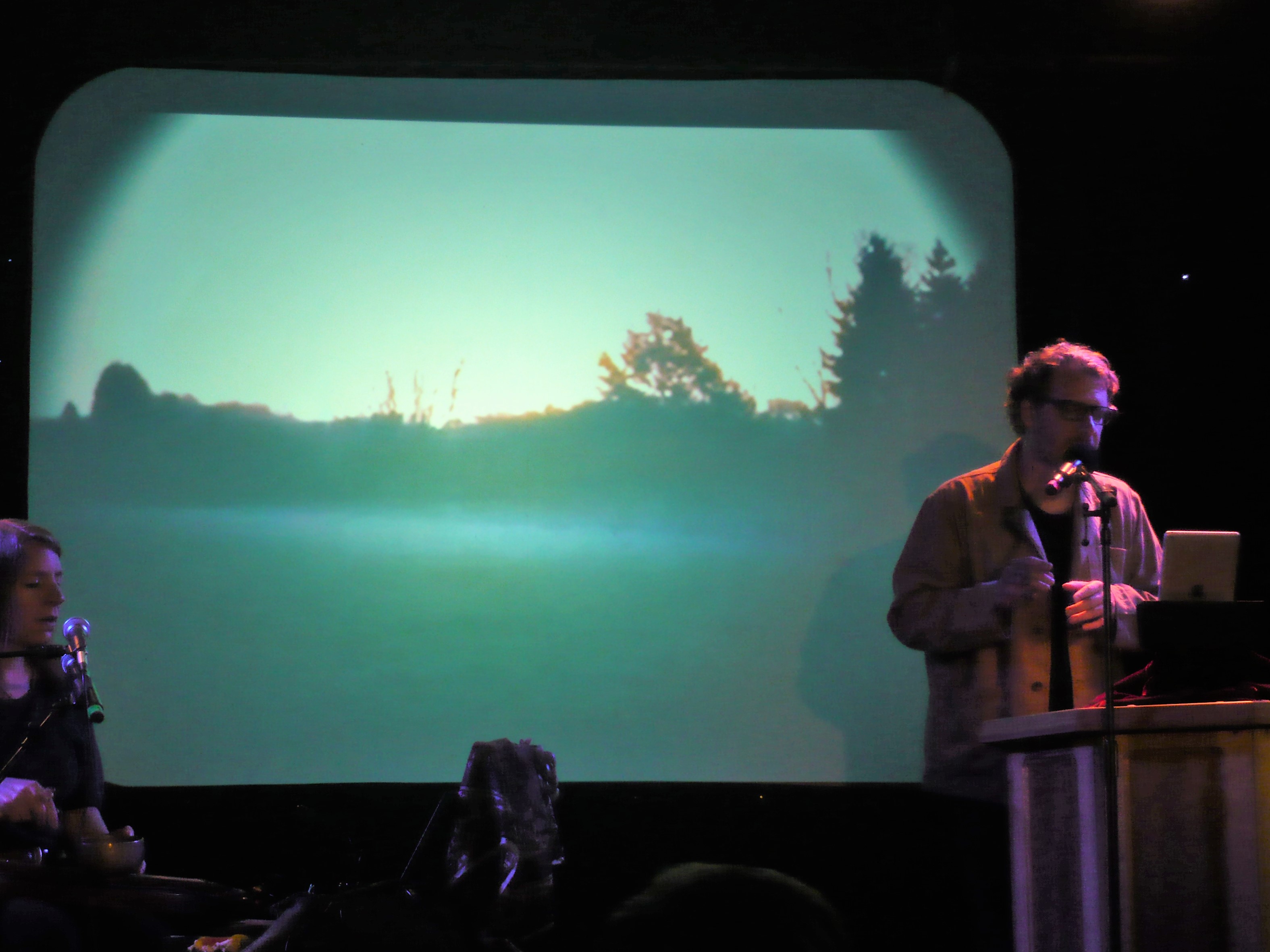
This Tuesday evening just gone. Brighton. 7.30pm. I’m here with my friend Mark to see a gig for the first time since the Pandemic began, a gig I had planned to see last year for my birthday, but which was cancelled – due to the Pandemic, of course. Chanctonbury Rings is a collaboration between writer Justin Hopper, musician Sharron Kraus, and visual artist Wendy Pye, based on extracts from Justin’s 2017 book The Old Weird Albion.

Chanctonbury Rings was released (on CD, vinyl and download) by Ghost Box in 2019, and is described on their website as ‘A spoken word and music project by writer Justin Hopper and folk musician Sharron Kraus. It also features Ghost Box’s own Belbury Poly. Based on live performances of Hopper’s 2017 book The Old Weird Albion, it’s a poetical, autobiographical and psychogeographical account of his experiences at Chanctonbury Ring…‘ It goes on to state: ‘The album is a blend of folk, electronic music, poetry, prose and environmental sound. Kraus’s electro-acoustic soundscapes and songs interweave with Hopper’s rich, intimate narration.’

I first learned of The Old Weird Albion a couple of years ago when I was emailed by a reporter writing a review of the book for the Caught By The River website (which I must post about sometime), who had come across one of my blog posts on Chanctonbury Ring, a prehistoric hill fort on Chanctonbury Hill, part of the Sussex South Downs. In conversation, he told me of both the book and the music project. Naturally, I ended up buying both. (My review of The Old Weird Albion is here if you wish to learn more about it. Of course you do.)

When I heard it was being performed live, I decided I would have to go to see it. Then the Pandemic intervened and it would be over a year before I had another chance.

So on Tuesday we are in the Brighton Spiegeltent, part of the Brighton Fringe, awaiting the show. Outside, pouring rain and a lot of rather drunken football-related chanting. (I believe there was a game on somewhere.)

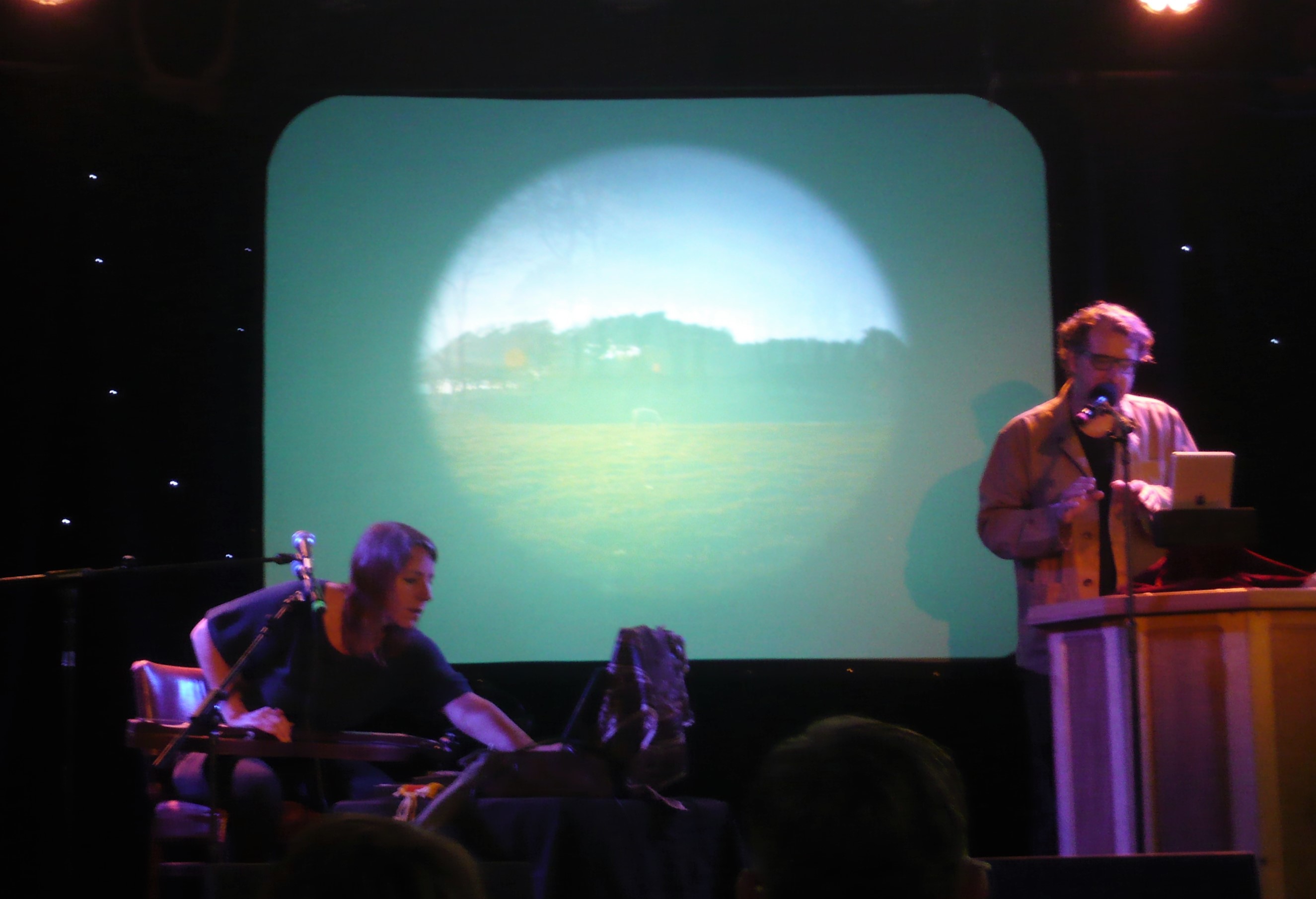
Inside, though, Chanctonbury Rings. The piece is built around the section of the book where Justin visits Chanctonbury Ring one May Day, to watch both the sunrise and the Morris dancers celebrating Beltane, the ancient name for the festival held that day. It combines personal experience with myth and legend, Sharron’s music both punctuating and supporting the narrative, and Wendy’s visuals projected on a screen behind the performers.

Incidentally, Sharron is a musician I had not come across before hearing the album, but I have since been captivated by her own stunning albums. If you have any interest in folk, I’d recommend you give them a listen.

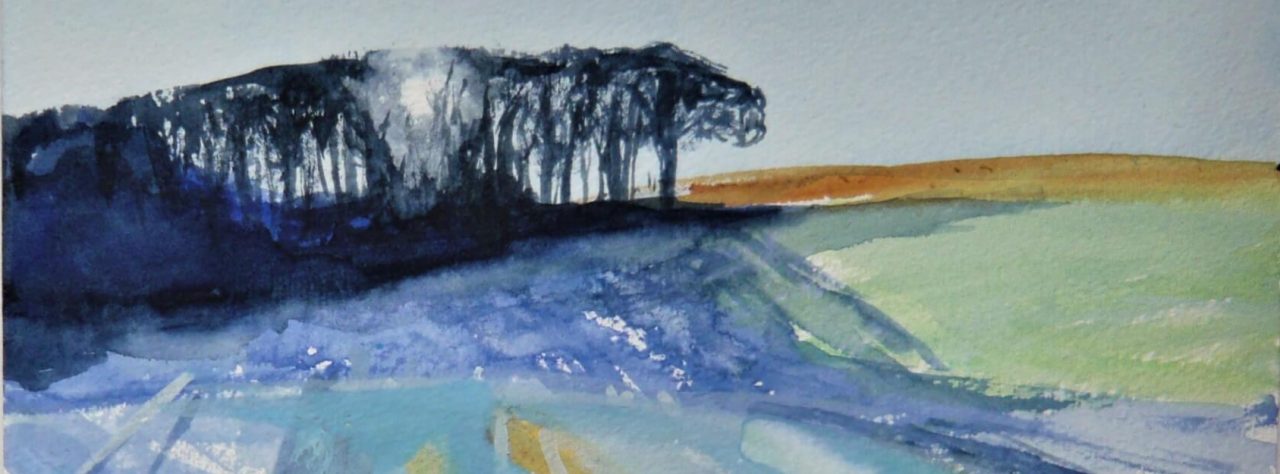
Wendy’s visuals were well-judged photographs and film of Chanctonbury Ring and the surrounding area, at times deliberately grainy and vague and at others lusher, although there was perhaps something ghostly about all of them, each choice inevitably suiting the mood of the narrative at that point.

The spoken words, the music and song, and those visuals weaved around each other and blended happily together, elegantly constructing the world as it appeared to one viewer that May Day morning and projecting the audience, for the duration of the performance, into that world too.

It was magical.

Winter – 3

Winter would have brought a period of enforced leisure for our ancestors. Their days would have become shorter with the increasing hours of darkness, until in midwinter the daylight hours would make up only one third of the time.

All outdoor activities would effectively cease in the darkness, and even during the day the worsening weather would limit what could be achieved outdoors. But other than those tasks that could be carried out, what did they do in these times? how did they pass those long hours?

At times, no doubt, there would have been feasting and merry-making because they would have required some cheer and a sense of well-being to help them get through the winter. But they must also have been mindful of husbanding scarce food resources through those long barren months.

it may be that they played games. Although archaeology hasn’t furnished us with evidence of board games or dice or variations on these, it is still possible they would scratch, perhaps, some form of grid into the beaten soil of the floor and play games of skill or chance. It is not beyond possibility that some flat rocks with strange scorings and lines on them were used for that purpose.

With no TVs or books or computers, it might seem to us that time would have weighed heavily on their hands. But you are used to what you are used to, and they would have seen things differently. They may have looked forward to a period of relative inactivity; long hours of no talk, sitting or lying down, the mind slowing down until hours were passed in no thought. Did they then also pass unusually long hours in sleep? A kind of semi-hibernation as a way of conserving energy?

But long hours also, of talking. They must have talked: of daily life and plans and past disasters and glories, of gossip, and told stories both new and handed down from previous generations. These stories would have been incredibly powerful tools for the preservation of the tribe. With no written word, the spoken word becomes the only way knowledge is transmitted. And thus it has to be memorised, both for use and also to transmit in the future. As aids to memorising, powerful tools are repetition, rhyme and rhythm. We cannot know exactly how this was utilised, but it cannot have been long before poetry and song evolved.

It can be no coincidence, but in all the early societies we know of who had no written records, those of which we know about through records left by others – such as the Romans writing of the Britons – it is clear that poetry and song were important, and the bard a highly valued member of that society. Indeed, the writings left by Romans, who tended to denigrate anyone not Roman as barbarian and primitive, violent, and uncultured, still make it clear these ‘barbarian’ tribes valued poetry and song highly. Partly, this must have been for educational purposes, but they seem also to have been valued for themselves, for their beauty. It is taking things too far to suggest this proves the same would have applied in Neolithic times, but it is certainly possible. At some point, there would have been music. I imagine this developed out of ritual, perhaps through repetitive chanting and the beat of drums…

And so, I can imagine this at first being perhaps the preserve of the shaman, until becoming a specialised ‘post’ – that of the bard – and acquiring the value of entertainment, as well as instruction.