The last couple of weeks have seen a real mix of weather – typically autumnal. At times it’s been absolutely hammering it down here. After what feels like an impossibly long spell of parched heat, in the last week we’ve had some marvellous rainstorms.
These rains have freshened the tired summer greens as though they’ve suddenly been woken up and sparked into life again. As summer drifts into autumn, we’re suddenly presented with the lusciousness of spring.
The heat had left me both mentally and physically exhausted, but I’m finally reviving a little. Autumn, like spring, is a season of change and I’m feeling the effects.
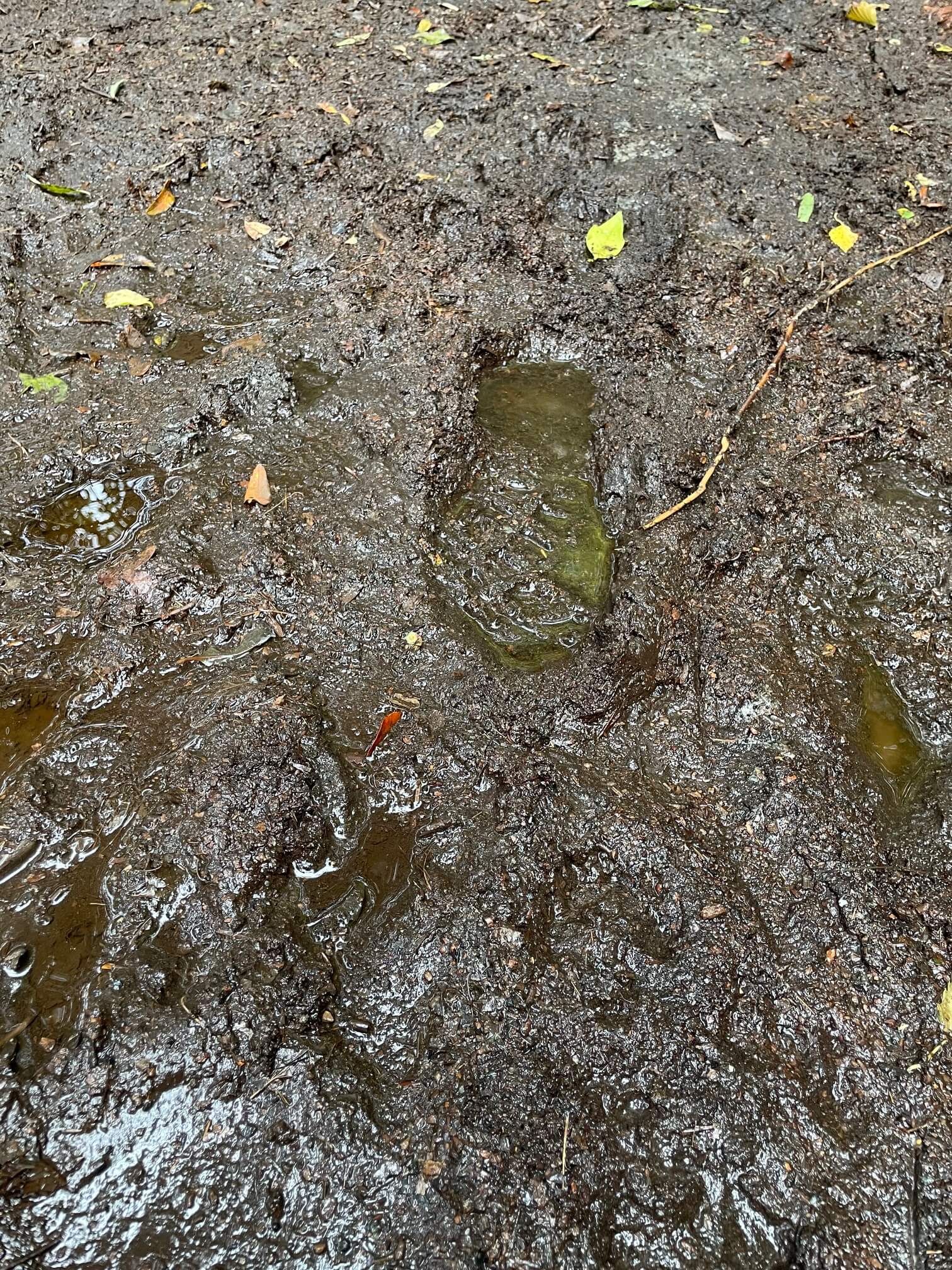
I’m also celebrating the return of mud. No doubt in the depths of Winter I’ll be sick of the stuff, but right now it appears like a magical substance. To walk upon ground that gives, ground that reacts other than by producing a puff of dust, is magical.
The third Monday in January – Blue Monday – is supposedly the worst day of the year for those who suffer from depression. So here we are on the 20th, Blue Monday. But there is no scientific reason for this date to be singled out, it is just a modern myth invented, apparently, by a UK travel company who presumably intended it to prompt people to take foreign holidays to cheer themselves up. However, I can see some justification for the claim, while also seeing a certain hope. Justification, because I tend to feel depressed and miserable at this time of the year. Tired. Lacking in energy or, indeed, motivation.
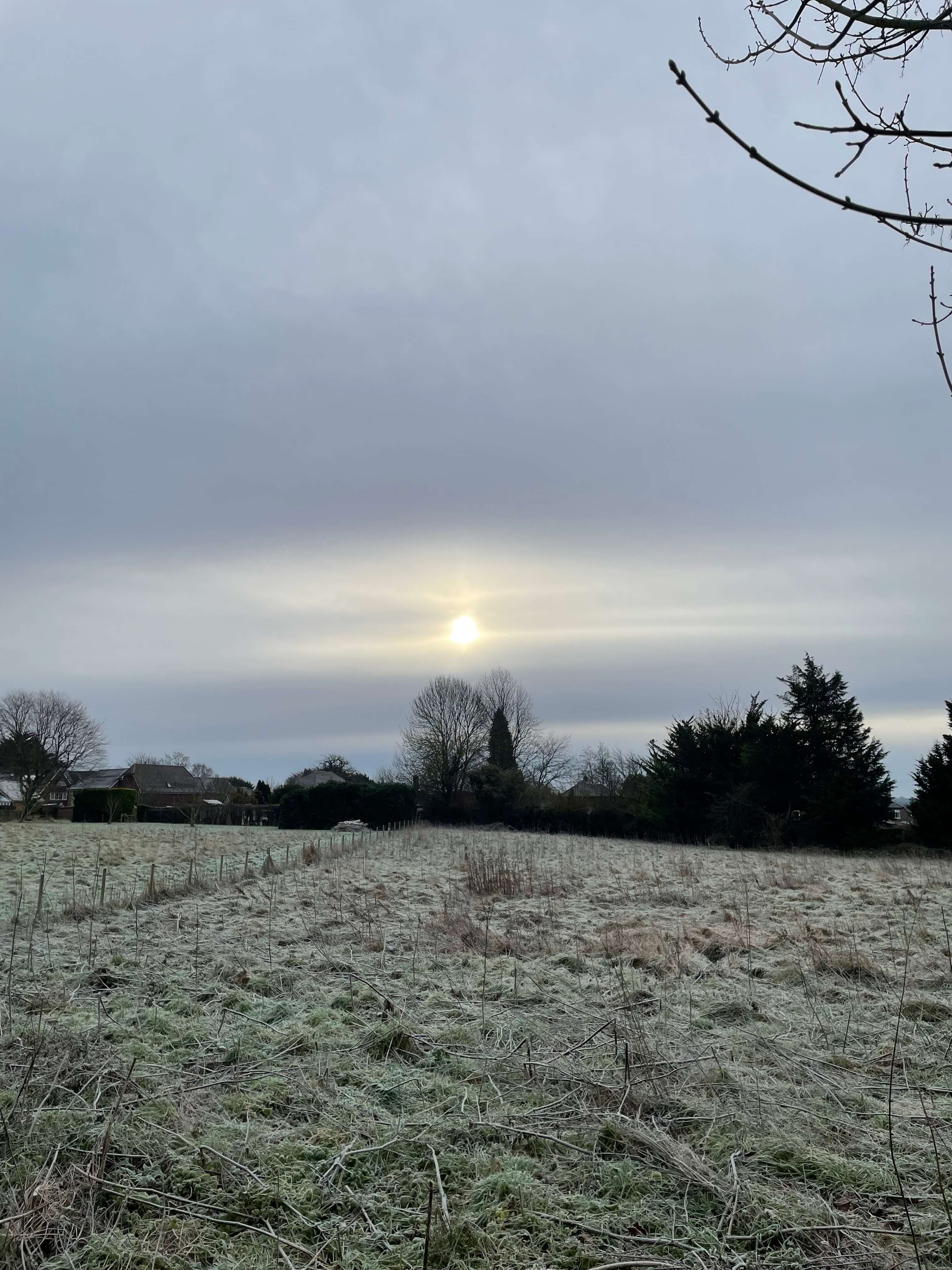
But also a certain hope; by now the daylight hours are lengthening, which becomes apparent when we are fortunate enough to have clear skies around sunrise or sunset. New growth is apparent, with new shoots finding their way up through the earth and leaf or blossom buds swelling on trees and bushes.
I feel so tired at this time of the year. I just feel I need to survive this winter, just get through it. I shall light a fire, wrap up warm, pour a beer and read a pile of books. I am in touch with my inner dormouse and intend to essentially hibernate until Spring.
Well, it’s blowing a hooley out there at the moment. Winds howling around the eaves of the house and rain spattering the windows. What a miserable winter we seem to be having so far. Not particularly cold, but at times the damp makes it feel about a hundred below zero.
Sort of.
Not a day for going out and achieving stuff. A day for staying in and achieving other stuff. There, that’s me at my literary best. Talking of which, it seems a good day to get some editing done on my novel now I’ve got feedback from my kind beta readers.
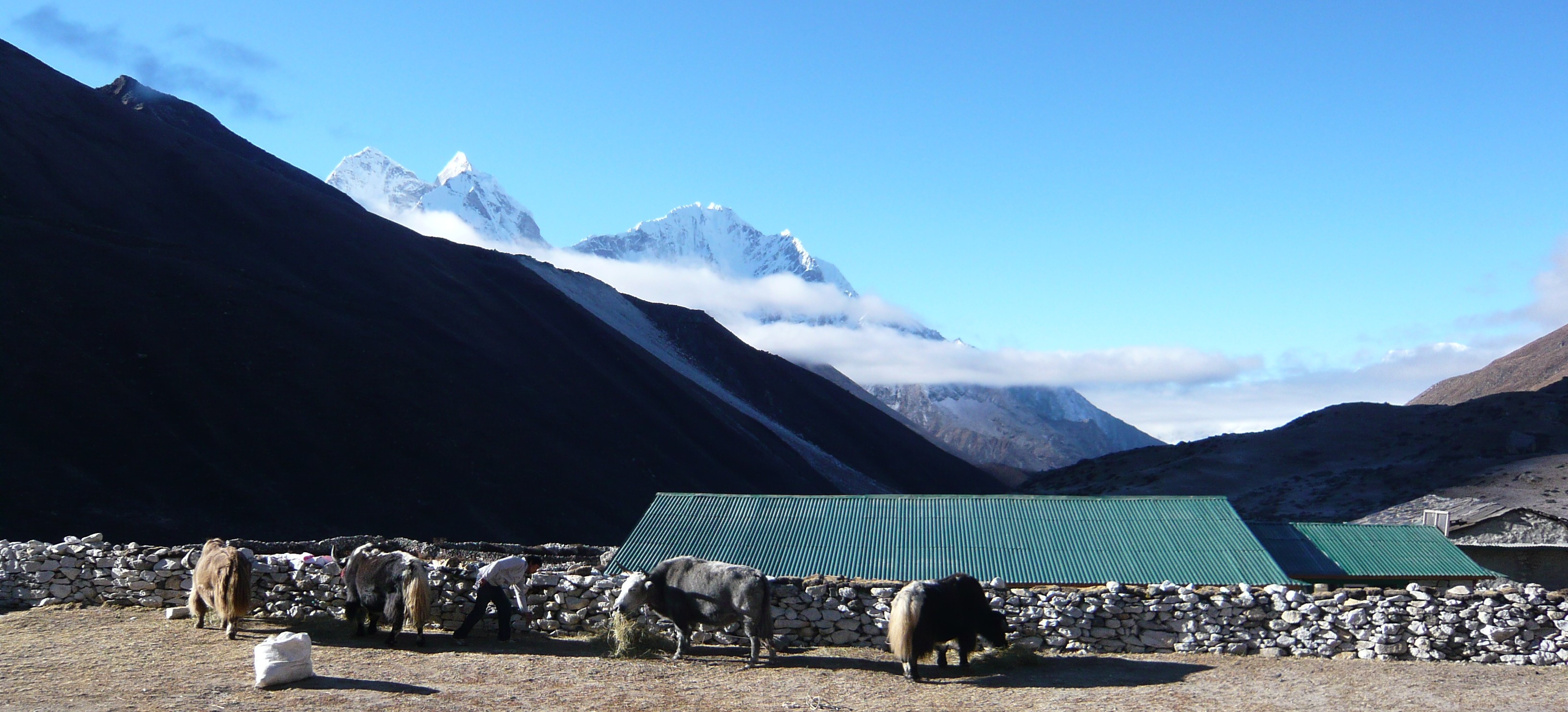
So here’s a picture of some yaks in the Nepalese Himalaya.
Yesterday was Imbolc, February 1st. Imbolc is a pagan festival marking the halfway point between the Winter Solstice and Spring Equinox. Honouring the goddess Brigid, goddess of fertility, it celebrates the beginning of Spring.
And so I went looking for signs of Spring. It was a real Spring-like day. Blue skies. Sunshine that felt almost warm. Birds singing. Stuff growing. There was a Red Admiral, but I didn’t get a picture. I did get a few pictures of other stuff, though.
Four years ago it was also a lovely day – we were walking on the South Downs – perhaps Imbolc is often nice. I’d look it up if I could, but it seems very difficult to find detailed weather records on the internet; I’ve been looking as I’d like to check a few things. Anyone know of any sites?
Sunny and Spring-like.
Primroses are out.
There were some wild daffodils coming up in the woods. Not in flower yet, but it shouldn’t be long.
The cultivated varieties are already in flower.
As are the Camelias.
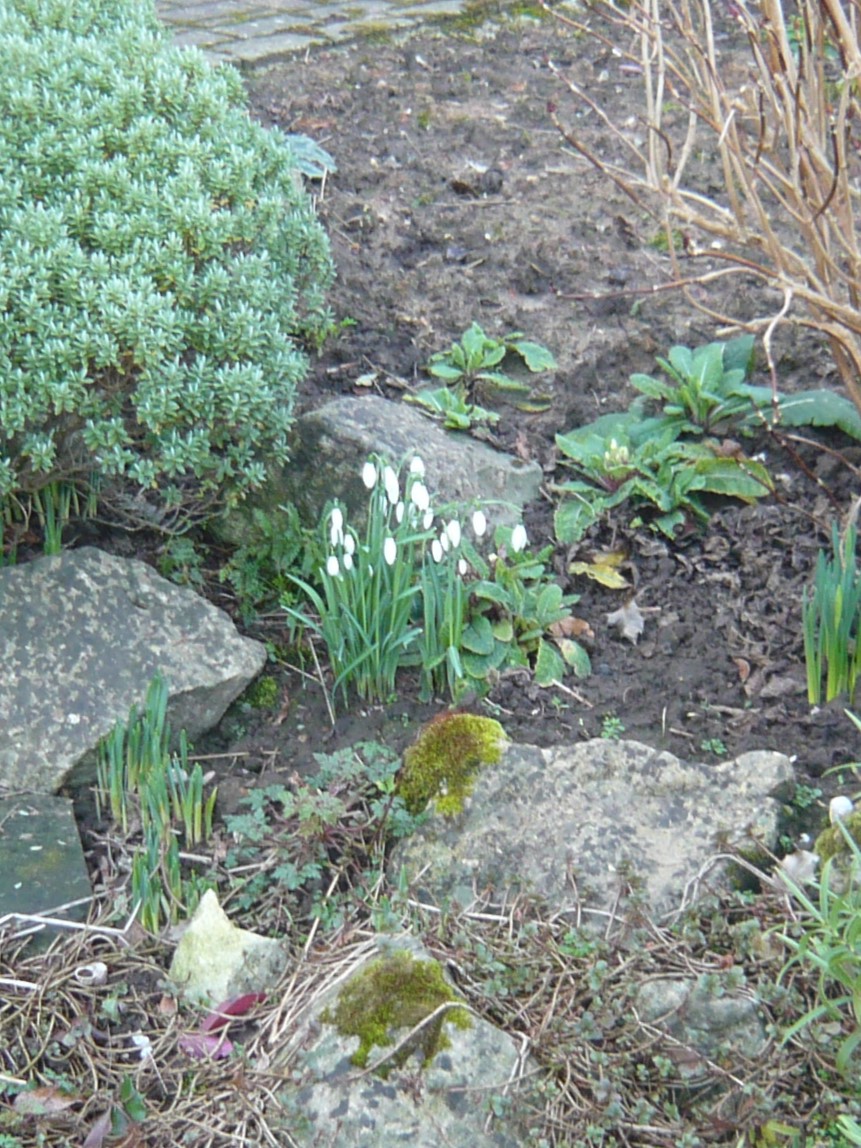
And the snowdrops are still around, although past their best.
At ten past four, the sun was still out. This might not sound a big deal, but after the real Winter months it feels like a definite progression. Later, because of the clear sky, predictably it quickly became much colder.
I tested one of the few apples on our tree in the middle of the month to see how ripe it was, and it came away from the branch easily. We shouldn’t be picking apples in mid-August, surely? But it’s a poor year, too. There are barely a dozen apples on the tree, whereas last year we must have had at least five times as many. And our crab apple, usually weighed down with fruit which we leave in situ for the birds over winter, is almost equally bare. Our neighbour’s Rowan tree looks beautiful, although Rowan trees always do, but it definitely has fewer berries on it than usual. Our Hazel tree also seems to have far fewer nuts than last year.
And in the wild?
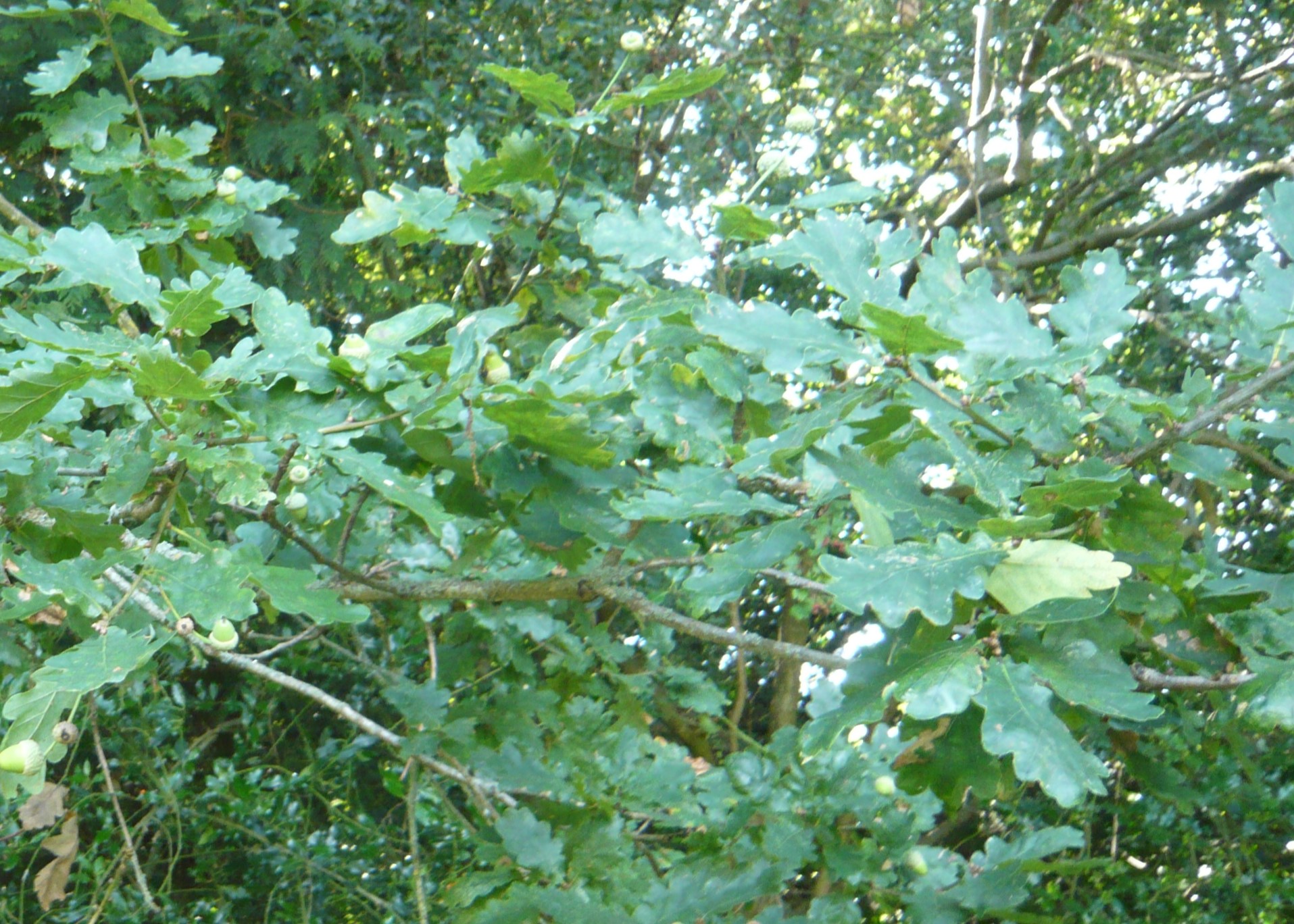
Bit of a mixed bag, really. Some of the hazel trees near us are fairly heaving with nuts, while others have very few. The oaks have a good crop of acorns, but nothing on last year when the woodland floor was covered an inch or two deep. But last year was a spectacularly good mast year. This year the hawthorns have a decent amount of berries but nothing special, much like the elders, while the hollies seem to be loading up with a whole mass of them. That, at least, is the picture in my little corner of South East England. Last winter was quite mild. But even should we have a harsh winter this year, the outlook for wildlife seems not too bad from the nuts and berries perspective.
These things do often seem to follow a cycle of alternate years, although I don’t know why that should be. I had thought the apple blossom was a little late this year, but I really don’t know whether that’s just my imagination.
On Tuesday evening I went for a short walk. It had been a hot day and earlier I had seen three tiger moths, which was rather a treat. By the time I left the house, though, a little before eight, the air was cool, the birdsong seemed a little louder than usual, and there was a magical light in the sky as the sun disappeared below the horizon. The church clock struck eight as it did so. In the woods, there were now patches of sudden night where the trees grew close together, through which the path could be seen like a pale wisp of misty light. By the time the church clock chimed the quarter hour it was quite dark, although patches of daylight still showed in the clearings. Soon there was so little light I headed out of the woods and homeward.
A few minutes before half past, a mixed flock of jackdaws and rooks flew over, the jackdaws chuckling and gossiping noisily as usual as they headed east towards their gathering place on the edge of the town. There, they will be joined by other flocks and once all are there, just before dark, they will all fly off together to their night’s roost.
Although it is still August, the air already seems to have an autumnal feel to it.
My wife often says I’m in touch with my inner vagabond. I’m taking that to mean that I enjoy walking, unless she’s referring to something else. My dress sense, for example. But yes, I love walking, especially long distance walking, but most of all I like to simply wander. There is a tremendous pleasure to be had by just setting off for a long walk without any particular destination in mind. Taking the more interesting-looking path as we go.
Of course, it’s not always possible to travel this way. We need to have some sort of destination in mind unless we’re prepared to just settle down to sleep wherever we find ourselves at nightfall. Usually we don’t have the time and the freedom to travel like this. Some people may also find it unnerving not to have board and lodging all planned in advance.
I’ve only done it occasionally, I must admit, but found it remarkably liberating when I did. There was no pressure to reach a particular destination by nightfall, I just had the freedom to wander along at my own pace until I felt I’d had enough for the day.
Even then, of course, some planning had to be done. Would I carry food or rely on reaching somewhere I could get a meal of some sorts? Would I carry shelter? Extra clothes?
But that is not exactly tramping, of course. It is just an exercise to be enjoyed (or otherwise) for a short period. It’s not a permanent lifestyle.
I’m sure that very few folk have deliberately chosen tramping as a lifestyle, but I’m aware there are some who have. This leads to the obvious question – why? I suppose all of us, at some time, wonder what is really important in life? Riches and property are, indeed, a burden in many ways, as well as conferring the obvious advantages in life. Some people just didn’t want that lifestyle. Some didn’t want the responsibilities of a settled life, with or without a family. There were always some folk who could just never settle anywhere for long. Most, though, would have ended up tramping through loss of employment and / or home.
Certainly I understand the difficulties of the tramping life, especially when one is no longer young. And I certainly wouldn’t want to be trying to survive as a homeless person in a city – rightly or wrongly, I think of tramping as a rural phenomenon. The whole point of it was to be on the move, rather than staying in one place. I doubt it would be possible today, with so many laws against that kind of lifestyle. There were, of course, laws against it in the past, too, but almost certainly much harder to enforce. I think, too, society is just ordered differently today. We think differently to how we did fifty or a hundred years ago. A tramp turning up at a farm today looking for a couple of hours work in return for a meal would get short shrift, and I can’t imagine any householder regarding one with anything other than hostility.
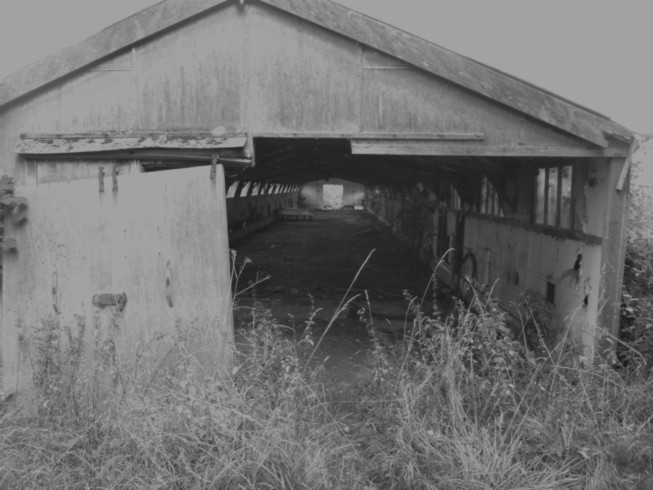
Again, I can’t imagine anyone choosing that lifestyle through the winter. But tramps used to learn of places they could settle for the winter, often carrying out odd jobs in return for permission to sleep in a shed or a barn and the odd meal. In this post I’m talking specifically about Britain, but I suspect it applies equally to hobos in America, swagmen in Australia, and possibly others I’m not aware of elsewhere.
And it would be unlikely to be a long life. But there were always some who chose it as a way of life rather than being forced into it by circumstances, and in another time I might possibly have been one of those.
I’ve been feeling a bit flat recently, although that’s not uncommon at this time of the year.
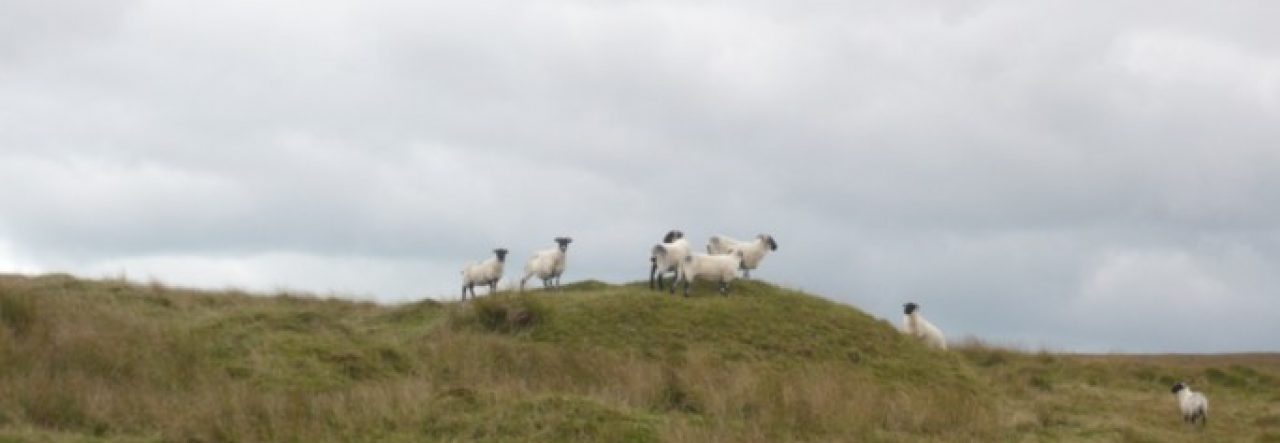
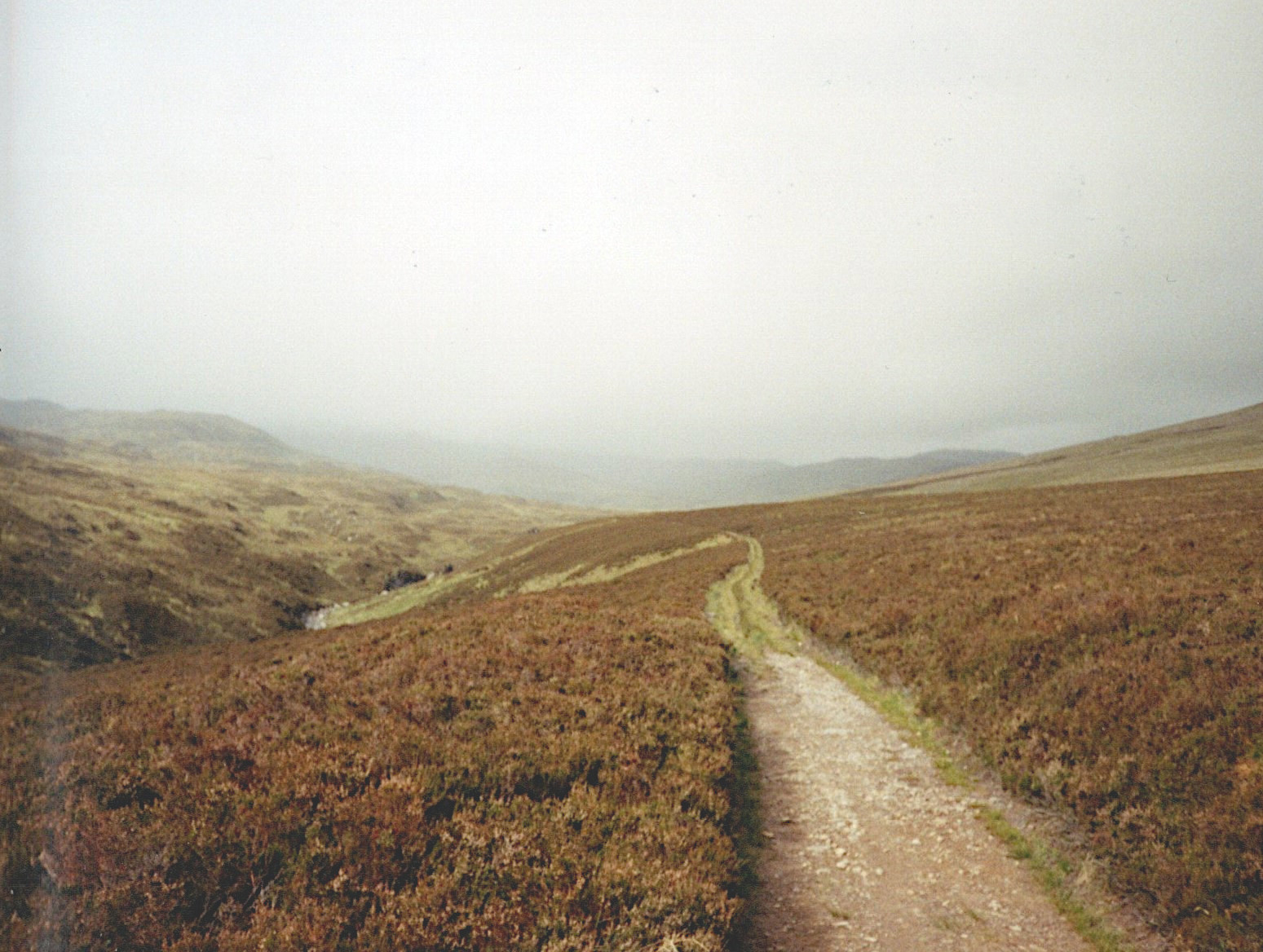
I know I’m currently craving solitude and simplicity, wanting to spend some time somewhere a little remote. An area of moorland, such as Dartmoor or the Pennines, would do me very nicely. Even better if there were some woodlands nearby, too. Although there would be no people around (ideally), there would be wildlife to watch and hills and valleys and those woods to explore. Maybe some interesting ruins nearby…
Simplicity, that’s what I’d want. Somewhere with no wifi, no TV, no phone signal or even radio. A decent supply of food and a few beers because, as Jerome K Jerome said, thirst is a dangerous thing. A fire to sit beside in the evening. Somewhere small and basic with no luxuries.
I’d take some books. Several sorts, so I could pick one up or swap to another depending upon my mood. At least one book of poetry, perhaps Stranger in the Mask of a Deer which I read for the first time a few months ago, and then re-read recently because it was so damned good. Maybe a Seamus Heaney collection, including the ‘Station Island’ sequence of poems, or a collection by Russian poet Yevgeny Yevtushenko for the marvellous long poem Zima Junction. Maybe I’d just take all of those.
I’d include some sort of detective novel for pure escapism, then one or two books by the likes of Robert Macfarlane – books that would inform me about the landscape I had decided to inhabit for a while.
I wouldn’t just be walking and exploring, or reading. I have a few poems I need to finish off, one about salmon and one about the Winter Solstice. In this environment I think I’d be inspired to finish them, hopefully write some more.
Often, it still feels like summer at this time of year, but I feel autumn has truly arrived now. This morning I walked a path I haven’t walked for a week or more to find the sun was that much lower than it had been and I was constantly having to shade my eyes. It’s all about colours, now. Colours and the cooling of the world. Russet. Browns. Fading drab greens. Yellows and orange. Autumn can be beautiful, although it can also be dull and dreary and occasionally fierce. But mornings often arrive with an added sparkle, with heavy dews on cobwebs and leaves glinting in the low sun, hedgerows of thistledown, rosehips, and hawthorn. There is usually a freshness in the air, especially in the mornings, which has been absent for most of the summer, that invariably lifts my spirits.
I like summer, of course I do, but the arrival of autumn reminds me in some ways of the arrival of spring. In spring we have the stirring of life after a long period of hibernation, whereas the beginning of autumn always feels to me like the start of a new, second, outburst of life. Many plants have a sudden growth spurt, fruits and nuts and berries swell and glow and are plundered by birds and beasts. It is still warm, warm enough to bask in the sun and to feel hot walking up even quite gentle hills.
The Equinox occurs on Friday (at 2.03am in the UK, to be precise) and after this the hours of darkness outnumber the hours of daylight until the end of next March (counting dusk and pre-dawn as night time). After this, the year always feels to me quite different, even if the weather from the one day to the next is much the same. I can already feel myself slipping into a different place; the logs for the burner have arrived and have been stacked ready for use. The apples have been picked, shortly to be wrapped and stored away. Much in the garden is in the process of being cut back for winter. When the days are short and the nights are long, there will be many books to read, lots of music to listen to, a few beers to drink, and many long conversations to be had.
But also many long walks as well, I hope. I love winter too.
A rather nicer day today, although very cold. A day for double socks, a duvet jacket and hands thrust deep into pockets. The birds are into their winter silence, flitting low down between bushes and clumps of trees, although a blackbird does set up an aggrieved alarm call as I approach.
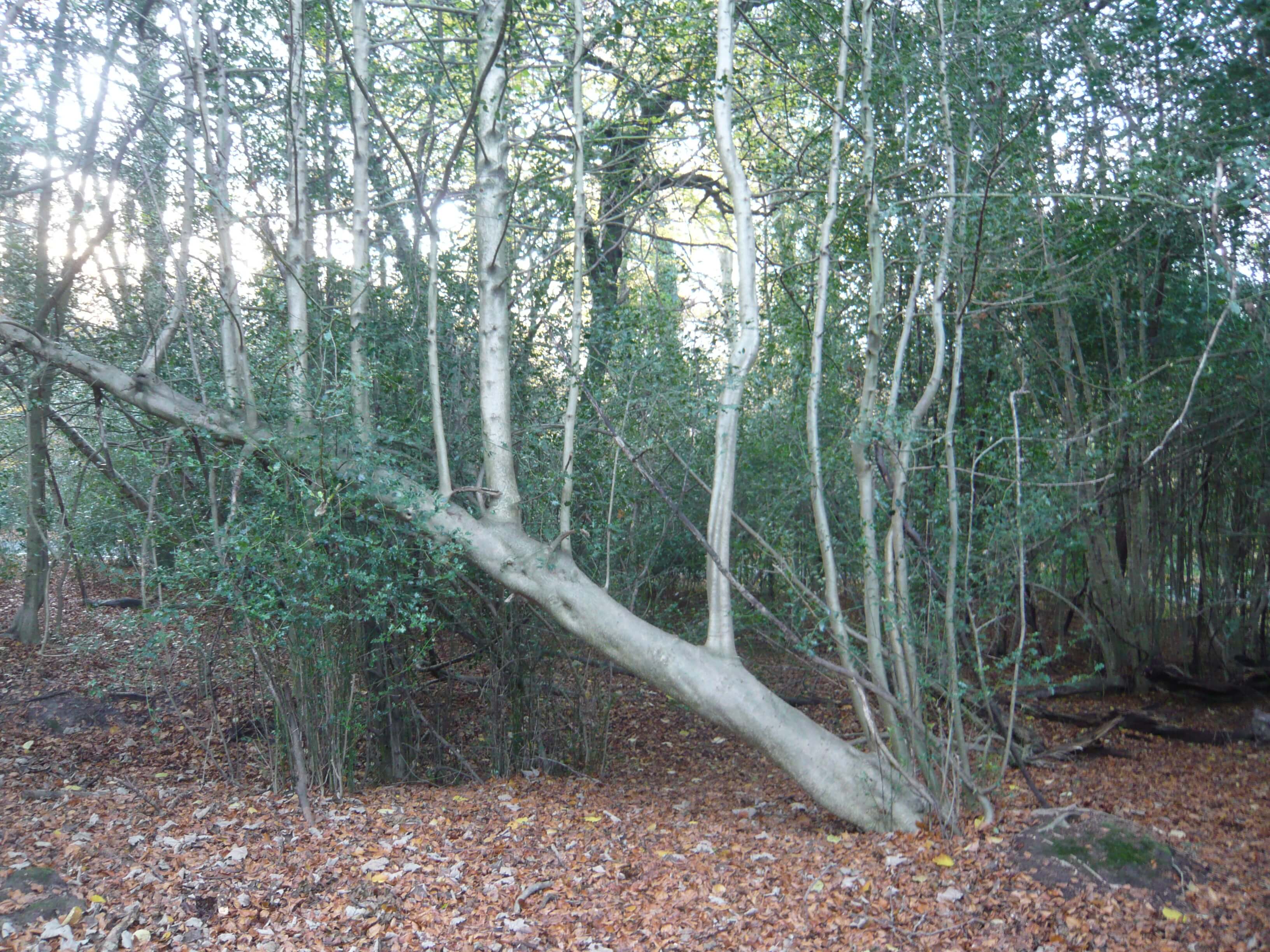
This holly tree keeled over some years ago, but life finds a way to hang in there. Now it throws out lateral branches that act like new trunks.
This holly nearby is laden with berries, which folklore claims is a sign of a harsh winter to come. It’s not, of course, it’s merely the result of the weather patterns we have had earlier this year. It may still be a harsh winter, but the berries are not a portent.
But it’s a very Novembery day, almost a Decembery day. The leaves have fallen and the sun is very low.
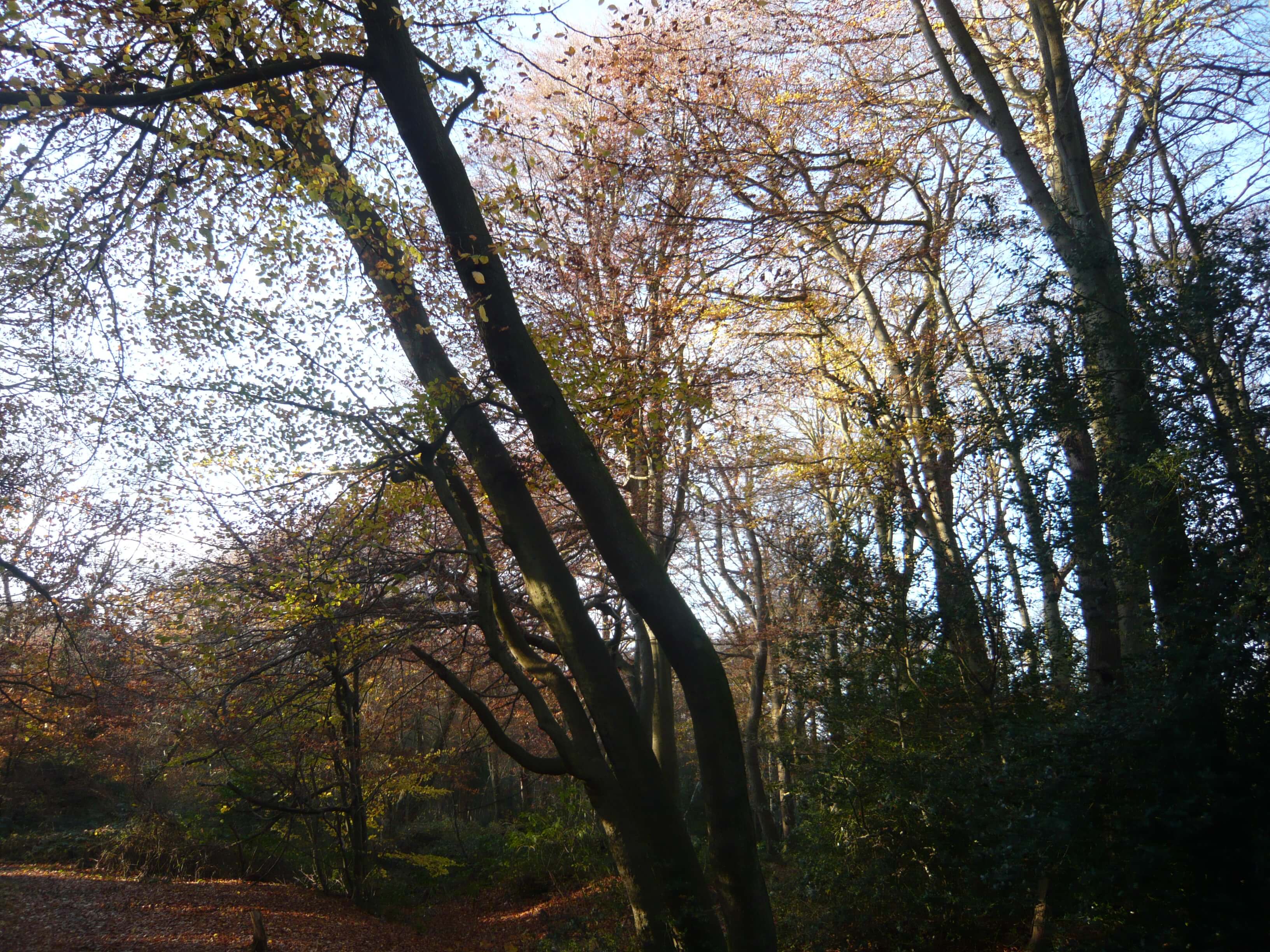
But where the sun strikes the trees the light is still glorious.
Mid-winter is the nadir of the year, and although winter does not ease its grip on the land for several months yet, at least the long, slow, lengthening of the days begins.
I have no idea how arbitrary the date of 25th December is for our celebration of Christmas day (Orthodox Christians celebrate it on January 7th, due to the difference between the Julian (old) calendar and the Gregorian (new)), but it seems to equate well to the winter solstice on 21st December, in that by the 25th it would be apparent to observers that the days were just beginning to lengthen. Is that when our ancestors celebrated? Did they all collectively hold their breath until the priests could confirm the days were getting longer again? Or did they just work on the basis of ‘it’s the Solstice today. Let’s go for it!’? I’m inclined to think it would be more the latter, with the priests declaring ‘It’s today! Time for excessive eating, drinking and unbridled sex!’
Or perhaps a bit of chanting and a sacrifice or two. Who knows?
Would our Neolithic ancestors have kept a calendar in the sense of checking off every day the way we do? I suspect not. Tools such as aligned stones would have done the job for them, confirming it was now the shortest day or the longest one. I don’t suppose there would have been any need for more refined measurements – it would be obvious to them when fruit or nuts or grain were available to be gathered. Obvious when they would need to slaughter livestock. And for that reason, I think points in time such as the solstices would be marked purely by ritual and / or celebration.
We don’t really know how they marked it, of course. We know a lot about how the Victorian writers supposed it was marked – the sacrifices, the wild dances, the bacchanalia, (and it is curious how many of their illustrations seemed to include young maidens dancing wildly in flimsy shifts) – and there is more than enough written about variations on this theme by those who see themselves today as druids, as followers of the old religion. What this old religion is, though, is a somewhat hazy and fluid animal, dragging in everything and anything from ley lines and animist gods through to Morris dancing, via witchcraft, mind-enhancing drugs, depending on who you speak to. Again, we don’t know.
In many ways, it drops comfortably into the melange of New Age beliefs, essentially being whatever the believer wants it to be…although that is something most of us could also plead guilty to, no matter what religion, if any, we follow.
It may well have been marked differently in different parts of the country (I’m really just thinking of Britain, at the moment) – different rituals in the much milder climate of the south west than in the far harsher one of the north, for example. And over the millennia they probably will have changed, being influenced by both outside factors (contact with others who did things differently, perhaps the slow change of climate) and inner ones (changing ideas about gods, relationships to ancestors, size of population).
But when Christianity came along, it substituted its own story of hope and celebration for what was there before, which is why we have it then rather than around March, which is when the internal evidence of that particular Bible story would place it. As the followers of every new religion always do, they found it impossible to prevent an old festival taking place, so instead they usurped it for their own ends.













 Mick Canning