A Justification of Theft

Clickbait? Perhaps, but I have a point to make.

There is a blog I follow which regularly posts about good people. People who make a difference to their world. Kindness. They change lives. And it makes for a refreshing read in a world which often appears to be so full of shit we could be drowning in the stuff. I also see now on social media – at least on Facebook, which is the only one I follow other than Instagram – AI generated posts on good people. I know they’re AI generated, because the signs are all there. I don’t intend to list the signs, as most people are aware of them already. These AI generated posts seem to fall into the same few categories. There is the rough biker with the heart of gold adopting a defenceless little girl. The retiree who’s lost his wife and finds meaning in life through spreading love through his community. There’re one or two others, but they all seem to fall into a few predictable categories. And you read these long tear-jerkers and reach the end and you go ‘Ah, isn’t that lovely.’ Or you’re meant to, anyway. But they are AI generated, the people don’t exist (although the original ones may have been based on real people), and these things did not really happen. But does this matter?

I think it does, for several reasons. AI invents stuff. If this is not the intention of the user, these are known as ‘AI Hallucinations’. If it can’t find what it’s been asked to find, it will sometimes make something up instead. Equally, it may draw data from untrustworthy sources. Then there are AI programs which are designed to make up stuff. If we understand that, then when we read something we understand is AI generated, we don’t necessarily believe it. And since we don’t believe the characters or the narrative, then the message it is designed to deliver is rejected. We all know that kindness is a good thing, but being told that by a computer program that has clearly fabricated the vehicle of delivery diminishes the message.

It is the exact opposite of ‘Don’t shoot the messenger’, because in this case the message is rejected because the messenger is flawed.

And the more we read these posts, knowing they are AI generated but if we’re still happy to take them completely at face value, the more we help to normalise the things. The more we accept AI into our lives and accept these fabrications.

So there are more than one type of AI program. Many of those that are really good at inventing stuff, and there are quite a few, are designed specifically to write books. They advertise themselves as producing books ‘in minutes, not months’. A few clicks on the button and hey presto! I’ve written a book! I’ll get back to this at some point, but are these people authors? No. They’re not. They’re frauds. But this brings me back to those original posts, which someone has created using an AI program similar to the book writer programs to deliberately invent the contents.

And to the more important point, the point where both the hallucinations, but even more importantly the deliberately fabricated material, really matter.

AI is, as we’ve seen, designed to invent stuff. Okay, that’s a simplification, but the point is that it’s designed to give the user exactly what they ask for. If someone requests it to write a piece justifying theft, or infanticide, for example, (not to ask it if it can be justified, but telling it to actually do so) it will do that, citing either nasty stuff it’s dug up from some remote hole on the internet, or, more likely, completely inventing stuff because the real justifications don’t exist. And it will look reasonably believable, perhaps writing something along the lines of ‘the Cornel University experiments of 1983 – 1984 by Taylor and Whickham et al demonstrate that…’ etc etc. And the casual reader will think ‘oh, I never realised that. So perhaps there’s something in it after all.’ But these citations will be made up.

And to go slightly off topic for a moment, there are the illustrations. AI generated photos are still usually recognisable as such, but they’re getting much better. Ones that have been subtly manipulated are now very hard to detect. The implications there should be obvious, can we now believe anything we see or are told?

This is not to suggest AI is an unmitigated evil. Its champions will point out advances in, for example, medicine and material sciences, which are very real and extremely important. But the issues of misinformation and, as frequently cited, intellectual property theft, to say nothing of the potential to completely destroy careers in the literary and artistic worlds, are also very real.

So how do we fight this? I’m afraid I’ve no idea. The genie is out of the bottle and I see no way it’s going back in again. Other than burning down the internet we are stuck with it and over the next year or so (or less – who knows?) it’s going to get harder and harder to tell truth from complete (and possibly dangerous) crap. While the programs are becoming better at presenting the genuine data they are requested to present, the ones inventing stuff are getting better at making this appear real. All we can do is be aware of this, be cautious and critical. And perhaps we could go back to getting our facts from books which, although not infallible, are far more likely to be accurate. Publishers are still the gatekeepers there, and they tend to do a pretty good job. Research stuff properly. Rather than accepting important medical information, for example, from Joe Bloggs on Facebook, look it up on a respectable site, like the NHS (in UK).

Maybe just stay off the internet more.

Which is probably a good idea anyway.

Vikings

Allow me to introduce a new joint venture, a magazine (or zine, as I’m informed we hip youngsters now say):

img_20200601_202436_133d

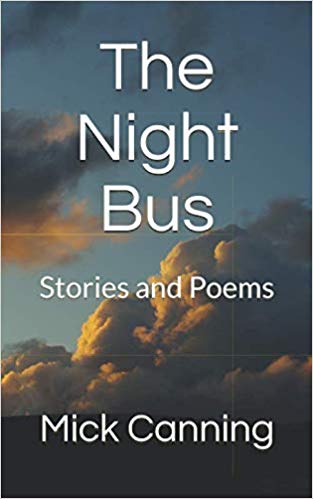
The final poem in my recent collection, The Night Bus, is a poem called Vikings, and it is reproduced in this here zine with a series of super illustrations.

41XAtkb6ssL._SX311_BO1,204,203,200_

This is a collaboration between myself and my talented friend Mark Prestage. As already indicated the poem is mine, while Mark designed, cut and printed the linocuts.

img_20200601_202436_133c

Mark also did the hard work of putting the zine together, while I just sat around and drank beer. The zine is printed on 16 pages of high quality paper, in a preliminary edition of 40 numbered copies.

img_20200601_202436_133b

In the UK the price is £4.50 including postage and packaging, and it can be ordered from my Etsy site: here, or directly from me (just email me) using Paypal. Unfortunately the cost of postage overseas makes it impractical to offer outside of the UK (typically doubling the cost of the zine, or even more).

If people make lots of approving noises, we have ideas for similar projects in the future.

Mark also blogs here: drifting in lower case and twits: twit and is well worth a visit.

Oh Heavens, Why On Earth Did I Follow That Blog? – 2

Some while ago I wrote a post explaining some of the reasons why I might occasionally choose to un-follow a blog. Surprisingly, it seemed to strike a chord with a great many readers, and has been my most popular post so far. The link is here if you wish to have a look.

Untitled-Grayscale-02

I thought I’d write a follow up post today, outlining a couple more reasons I might choose to un-follow a blog, or why I might decline to follow it in the first place.

Several times I have been sent invitations to follow a site I have never heard of. The owners of these sites have never had the manners to visit mine, or if they have they have not had the courtesy to acknowledge this in any way. The first I have known of their existence is a WordPress email inviting me to follow them. I will not be visiting their sites, never mind following them.

I have a couple of followers who have followed me, but only ever leave comments that invite me to follow their sites. Again, I shall not visit, for that is just bad manners.

This happens on other antisocial media sites, of course. I get terribly annoyed when someone I’ve barely come across messages me and says ‘I’ve just liked your page, come and like mine’. Er, no. Not until you learn some manners.

Then there are those bloggers who follow me, but only visit me after I have been on their site and left a ‘like’ or a comment. Instantly, they then visit for the first time in a month and ‘like’ three or four (or even more!) posts in the space of a few seconds. There is no way they could have read these posts in that time, of course. It is possible they think they are being polite by doing this, but I’m afraid it feels they only care about getting traffic to their sites.

I would imagine most people blog because they want their posts to be seen and read. Some ‘collect’ likes and followers, but most of us don’t (I do admit I am chuffed when I get a visitor from a fresh country, though, and therefore get a ‘new’ flag on my list!).

And I am extra double chuffed with fresh cream on top and little sprinkles of pure chocolate with the dozens of fantastic bloggers I have got to know since I first joined in with this lunacy a couple of years ago!

Despite the moaning, it was a great decision.

The Praising Purple Prose Poem

My humble, grovelling apologies for my lamentable lack of activity recently. Busy, busy, busy…and so little time. And at my age, too. Shouldn’t be allowed. So I’ll just pop up one of my dubious poems (that’s dubious as in merit, rather than taste) as a peace offering, and I’ll try and catch up with a few of the blogs I follow…tomorrow.

I’m a bit tired now…

043a

The Praising Purple Prose Poem

Purple prose that nobody wants,

Can find a home

In my poem.


These offcuts and discarded words,

Too rich for others to use,

Are just what I need for my poem.


Here on the dusty floor,

This is Just what I was looking for,

For my poem.


I’m collecting it up,

If you’re throwing it out,

And I’m slotting it into

My poem.


Give it to me,

I can put it just there

Between those two lines,

Of my poem.


Too rich for their taste?

Well, it won’t go to waste,

In my poem.


Since that flowery tone,

Is just like my own,

In my poem.


Alliterative, flowery, rollicking lines,

The sort that Dylan Thomas would write;


I’ll give them a home,

In my poem.

Be gentle with me, dear reader.

Hiatus – along the Peddars Way

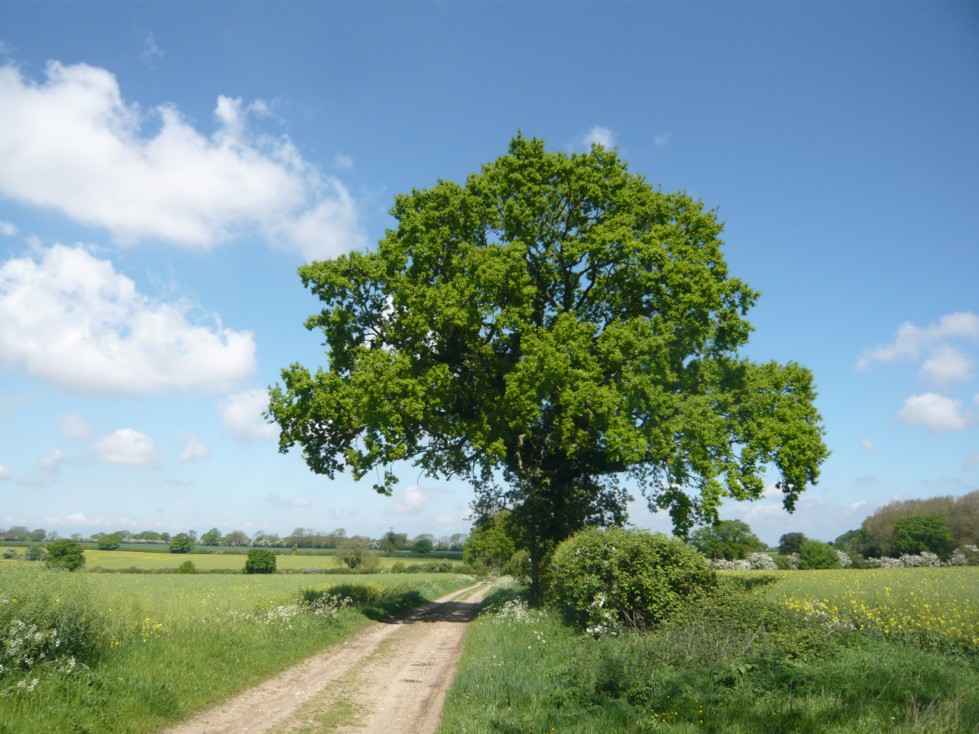
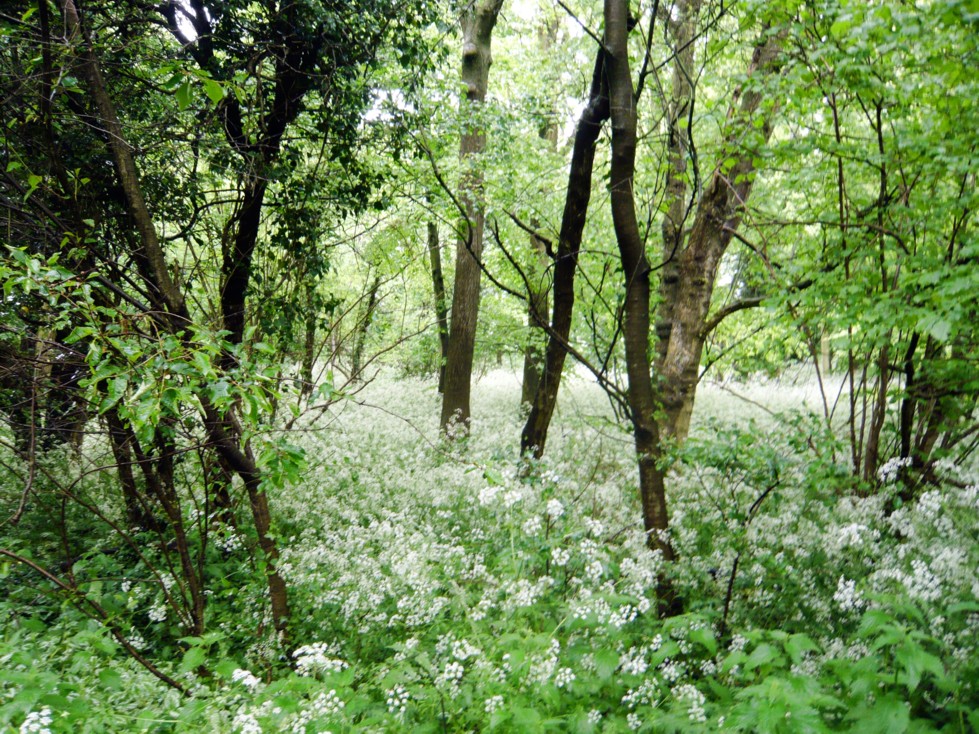
Home again, after a few days away. We walked the Peddars Way in East Anglia over four days, a distance of some fifty odd miles. Not exactly a long long distance footpath, so to speak (Gabe – you might have something to say on this!), but a pleasant enough walk and surprisingly remote from habitation in places.

Perhaps it’s a short distance footpath. And why not?

003a

That should mean I have time to catch up with blogs and posts and writing and God knows what else, but I now have a very busy week ahead of me, so I just have time to bustle in and do a little housekeeping, as it were, only to then bustle out again until the weekend.

034a

Hence a random selection of photographs from the walk.

038a

And an extremely random selection of thoughts:

‘Why on earth is the only pub we pass on the first day – which is a long walk – closed at lunchtime? Other walkers bemoan this fact. They must miss out on a whole load of trade.’

‘Are we all honorary Peddars this week?’

‘I don’t really like staying in bed and breakfast places – it feels too much like borrowing someone else’s room for the night, and I feel I’m imposing on them, even though we are paying to stay there. I’d rather stay in an impersonal hotel.’

‘In all of the huge number of pig farms we pass, the fields are full of little metal houses for the pigs, with straight roads criss-crossing them. Do the pigs give these roads names, or simply number them on a grid system, as in New York?’

‘And do the teenage pigs have to make their own entertainment, or do they expect it to be provided?’

‘Why do large pub chains make their pubs so incredibly unappealing?’

023a

Now I must rush off and attempt to organise myself for the week ahead.

Speak soon!

Ciao!


A Short History of Blogging

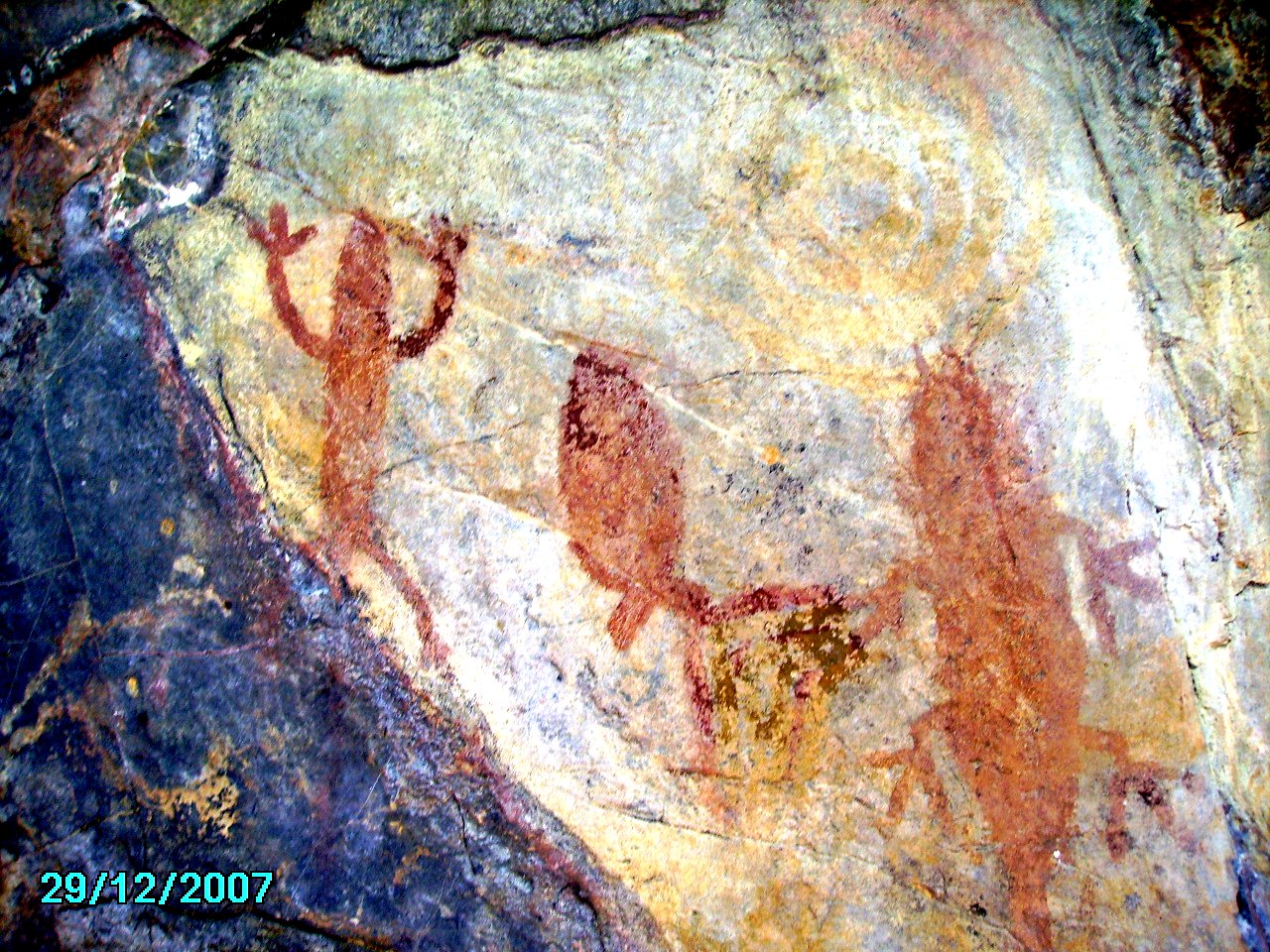
Blogging has always been about self-promotion. The first known blogs were on cave walls, although they were pretty crude, to be honest, and it is often really difficult to make out what the bloggers were on about. There is speculation, indeed, that to refer to them as ‘blogs’ might be a little misleading. The fact that they tend to be short and that it is very hard to make out what they mean, leads some experts to assume that they were an early form of Twitter. And then the fact that they frequently depict crude human figures, especially exaggeratedly female ones, and various animals, suggest that even in these early times, social media were largely the preserve of young person

cave paintings

‘Share if you think these babes are hot.’

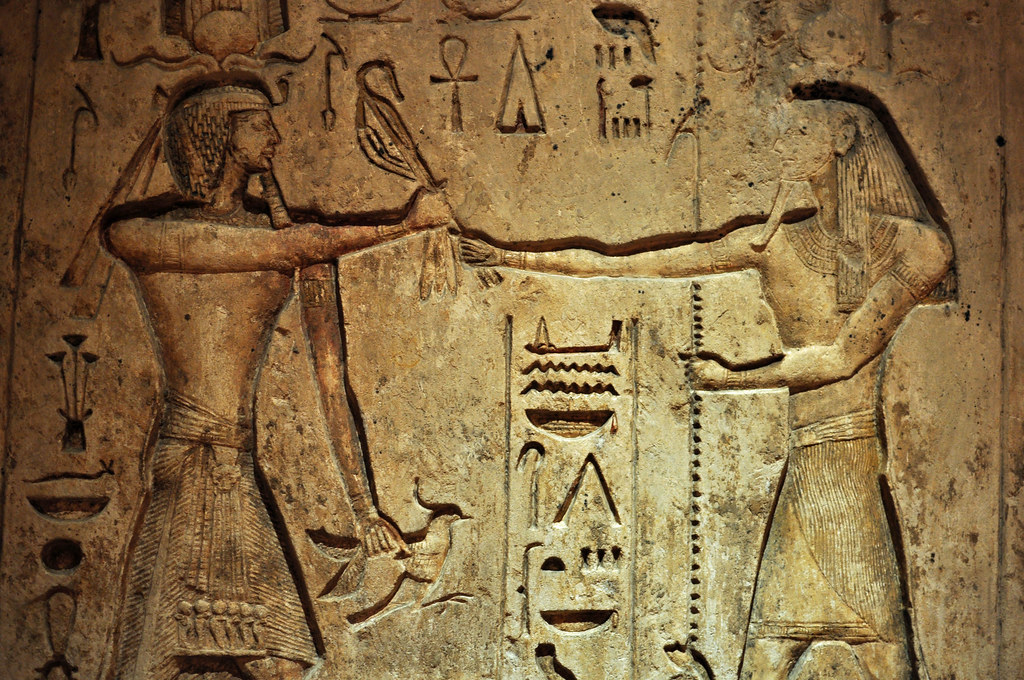
By the time of the rise of the first true civilisations in Egypt, they were beginning to get the hang of it. They have left massive numbers of inscriptions all over walls and columns and pretty well anything else that they could get a hammer and chisel near.

Egyptian carvings

‘Amenhotep snubbed in Big Brother Pyramid game – LOL’

Some even see the Rosetta Stone as a forerunner of Google, but others don’t.

The first English blogger was The Venerable Bede. His blog is one of the main sources of our knowledge of Saxon times, which is a bit of a bugger really, when you consider how reliable social media are today as a source of modern history. He probably missed out most of the good stuff. But he blogged in Old English, anyway, which no one can understand nowadays so it probably doesn’t matter.

bede

Leonardo da Vinci did a wicked selfie, but would probably be criticised nowadays for how few he produced. To be anyone on social media, it is probably necessary to post a minimum of twenty selfies in any twenty four hour period, but Leo was never up to that. But most of his blogs were all about what would then be science fiction and art and politics…so he’d have fitted in quite well with today’s bloggers really.

Samuel Pepys’ diaries are, of course, just the notes he took for his blogs. They are a mix of politics and news and what his family were up to, and his ‘conquests’ of various ladies. Wisely, he wrote most of this in shorthand and, even more wisely, put the more salacious bits in code. Nowadays, it is unnecessary to use code, since language is now changing so fast that no one can understand anything that was written more than six months ago anyway.

The Puritans thought blogging might be fun so they banned it, along with just about everything else, except breathing and praying. Well, praying, anyway.

A little later, newspapers were invented. These were not really blogs, since they were filled with news, rather than self-promotion, and it took a number of years before newspaper owners and editors realised that. Once they did, however, they worked very hard to make up for lost time, and now there are very few newspapers in the world that print mainly news.

And quite a lot that do not print any news at all.

In fact, they tend to be full of primitive opinion and often depict crude human figures, especially exaggeratedly female ones, and various animals.

And thus life turns full circle.


Photo credit (picture 1): jmarconi via VisualHunt.com / CC BY         

Photo credit (picture 2): PMillera4 via Visualhunt / CC BY-NC-ND


Jaipur

I have recently discovered Arv’s lovely blogsite ‘Jaipur thru my lens’:

https://jaipurthrumylens.wordpress.com/

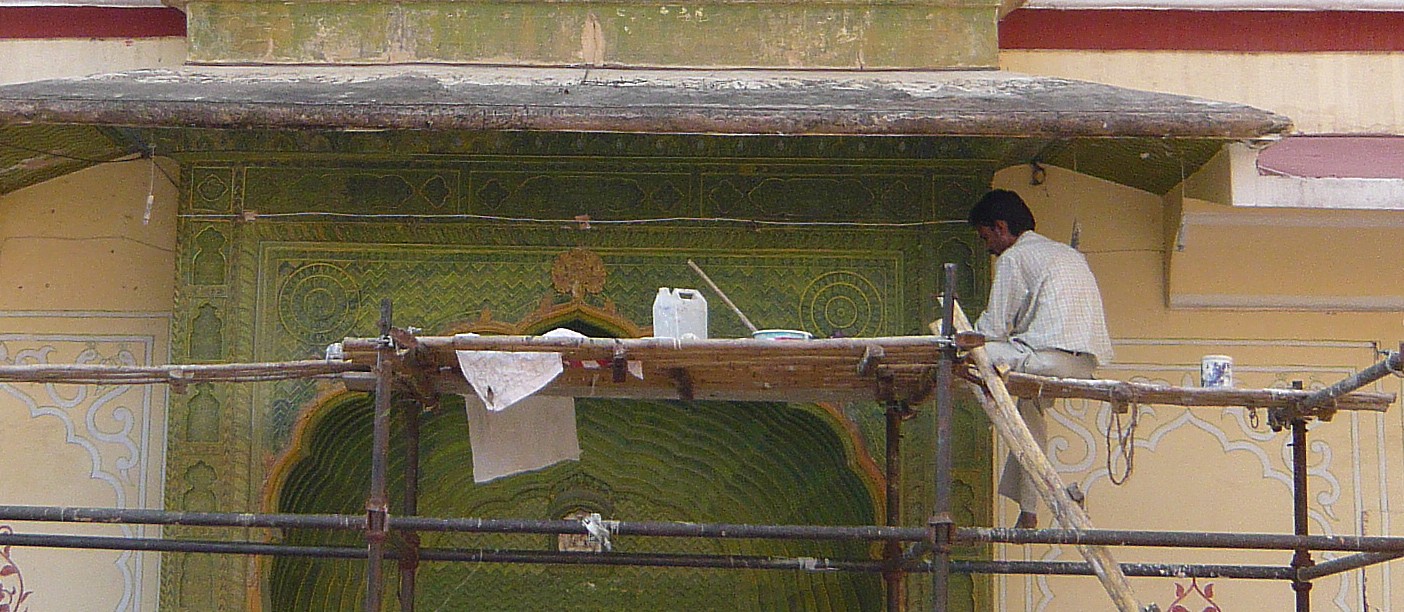
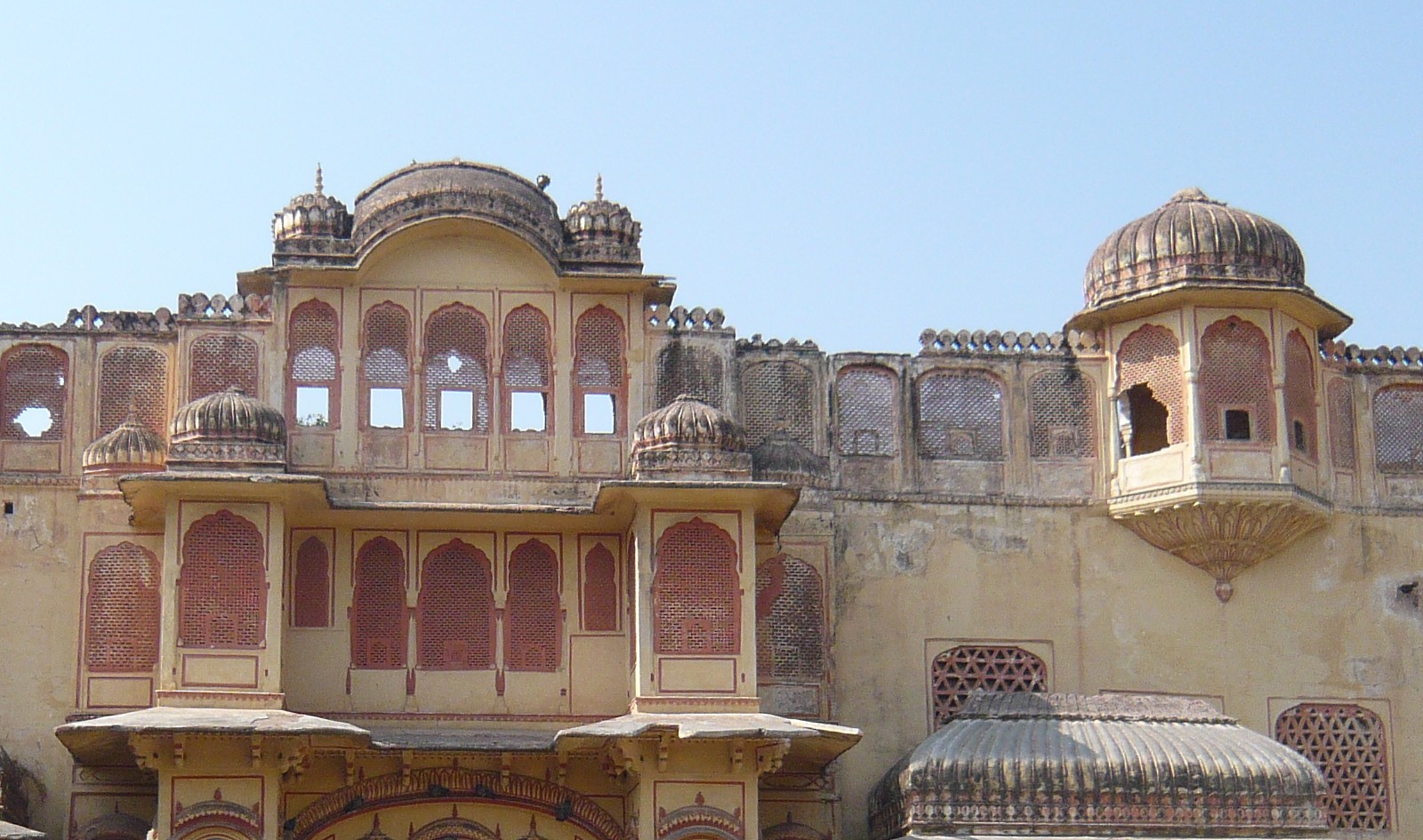
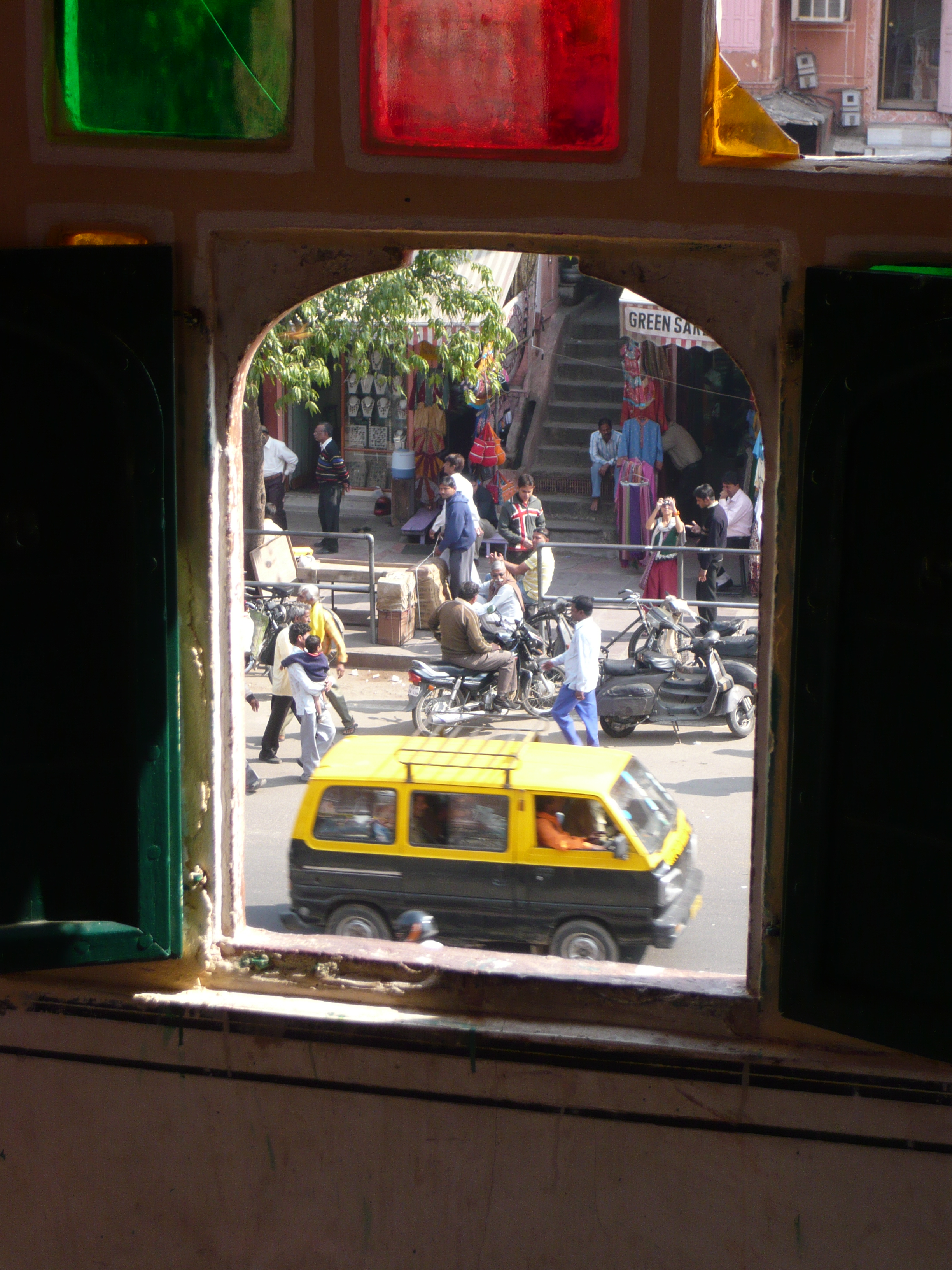
and after reading several posts and enjoying the pictures, I felt that I had to revisit my own photos of Jaipur and share a few of them.

They’re a bit of a mish-mash, but, there you go.

I was there in 2009 for a few days, and probably the thing that I remember most about it is that because I was unwell for much of the time (unusually for me),  I did not get to see many of the places there that I had wanted to see.

I think this is why I enjoyed Arv’s pictures so much.

115


102


089a


091a


092a


157a


109a


132


146a


131


121


156a


123a