A Bit Of Family History

As I have mentioned previously, I am sporadically tracing my family tree, something I’ve only really become interested in recently. Perhaps it is mainly an older person’s interest, although I don’t think I’ll explore that now. But I’m keen to pass on the information to my children and grandchildren especially, so they can do further research if they feel like it.

As well as the family connection, though, much of my interest is both the exercise of solving a puzzle – it has much in common with a detective story – and to attempt to ‘see’ something of the person behind a list of dates and names. It is comparatively straightforward to accumulate lists of these folk with no more information than a sort of ‘Fred Bloggs born 1750, married Mary Smith 1770 died 1820’ which is really of little interest to me.

But if you know where to look (and how to search) there is often more information available about our ancestors, although you also need a very large slice of luck to dig up interesting details of the lives of the average person. In my research, then, I have found a few folk, of whom I knew absolutely nothing to start with, not even their names, and have been able to build up a bit of a picture of their lives.

That’s what it’s all about, I reckon.

Here, then, is an example:

My Great Great Grandad was Frederick John Platt. He was born in 1826 or 1827; I cannot find his birth record, but all other documents are consistent in his age.

A couple of census entries:

1851 the family are at 2 Wilmot Street, Bethnal Green. They were: William Platt, 49, Handloom weaver, Ann, 59, Frederick J, 24, Sarah Susanah, 22, also William James Platt, 26, his wife Sarah, 28, and William James 4. All bar William James Junior are Handloom weavers.

1861 at 1 Green Street, Bethnal Green. They are: Frederick J Platt, 34, Broad silk weaver, Louisa S, 30, Broad silk weaver, Louisa M, 6, Frederick W, 5, Henry G, 1, George W, 1 month. All were born in Bethnal Green.

So far so good, but then there is a Crisis.

In 1861 Louisa Sarah Platt of 1 Green Street, age 30, died. It must have been very soon after the census was taken (on 7th April) as she was buried on 21st April. I obtained a copy of her entry in the Death Register, and it tells us she died on 14th April 1861 – ‘Found dead at 1 Green Street, Twig Folly Bridge, Bethnal Green’. She was aged thirty and the cause of death was given as ‘exhaustion after her confinement’. You can see on the 1861 census the youngest, George W, is recorded as one month old.

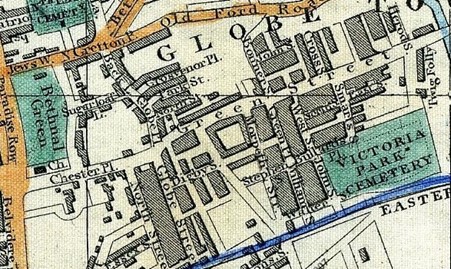
Green Street, Bethnal Green, from Cross’ Map of London 1851. Twig Folly on the right of the map gave its name to the bridge where Green Street crossed Regents Canal.

Then on May 8th 1861 we find the following Poor Law Removal judgement:

Frederick Platt, 34, of 1 Green Street, 5 years last 25 Jan, 3 Parliament Street, Cambridge Road, Mile End, B G (Bethnal Green). Weaver.

Was born at no. 10 Geo. Gardens B G never (ye?) has lived in B G all his life father before him. Had married at St. James the Less 1853, 12 June Co produced to Louisa Sarah, who died 3 weeks ago, Louisa 7, Frederick 5, Henry 17 mos, George 5 weeks, – B G

And then in another hand:

Father pd taxes Harts Lane B G Road about 17 yrs ago and Cranbrook St. about 2 yrs. He lives at 2 Cranbrook St.

I am unclear what the ‘removal’ part of the judgement refers to and can only assume it either means the children were taken from him, or they were all evicted from the property. The final paragraph about his father having paid taxes, I am guessing meant the authorities were then willing to provide some sort of support for the children. He had married Louisa Sarah Whalley sometime between April and June 1853, in Bethnal Green – June 12th according to the Poor Law Judgement – and after she died eight years later, his world seems to have fallen apart. And it seems to have happened so quickly! Less than three weeks after Louisa is buried, this judgement is passed upon the family.

But I suspect the family may already have been in some trouble.

Bethnal Green saw a huge influx of Huguenot immigrants during the late seventeenth and early eighteen centuries, almost exclusively silk weavers. Although I cannot find any evidence to back it up, I was told in my childhood that Mum’s ancestors were Huguenots, and that would suggest the Platts were the ones referred to. Whether Platt is an Anglicized version of a French name, or a Platt had married into a Huguenot family, though, I have not been able to determine. Over the years from the Huguenots’ arrival in Britain, though, various laws were put into effect to protect the British silk industry from foreign competition. However an 1860 treaty with France allowed silks to be imported duty free and very soon the industry was in freefall. Unable to compete in price with the imported cloths, huge numbers of weavers were thrown into poverty.

The next definite sighting of Frederick John Platt is in 1877 when his son, Frederick William, is married. On the form, Frederick John’s occupation is given as undertaker, and Frederick W is a commercial clerk. Clearly, they were no longer part of the weaving community. It is worth noting here that Frederick J’s older brother, William James Platt, has his occupation recorded as undertaker in the 1871 census, having also been a silk weaver prior to this date. It seems probable that Frederick either worked for him, or they were in partnership for a while. William then continues working as an undertaker for the rest of his life

After this, Frederick J seems to again drop off the radar for a while. I have a couple of other possible sightings but cannot find any census record for 1881 that I can be sure are his.

But then on September 15th 1884 Frederick John Platt, widower, 57, marries Sarah Mansfield, widow, 45, at St James the Less, Bethnal Green. By now he is described as a provision merchant of 40 Cranbrook Square.

One way or another, it seems he had managed to rebuild his life.

The 1891 census records a Frederick Platt, 65, ice cream vendor, and Sarah, 52, at 33 Quaker Street, Spitalfields.

And then? A Frederick Platt aged 74 died in Whitechapel, July – September 1899. That seems to be him. If it was, then he seems to have fallen upon hard times again. In January and February 1892 and then frequently from February 1895 through to February 1899 a Frederick Platt, widower, is recorded as being in and out of the workhouse at Stepney. His profession is given variously as wood chopper, labourer, or blacksmith’s assistant, and cause of admission each time as bronchitis or rheumatism.

We don’t realise how lucky we are.

Coll – A Wee Bit Random (1)

I really thought I had already written a post about Coll, from our first visit there eight years ago, but it seems not. But we were lured back there earlier this year, as we knew we would be, sooner or later, so here’s a few random shots from both this visit and the first one.

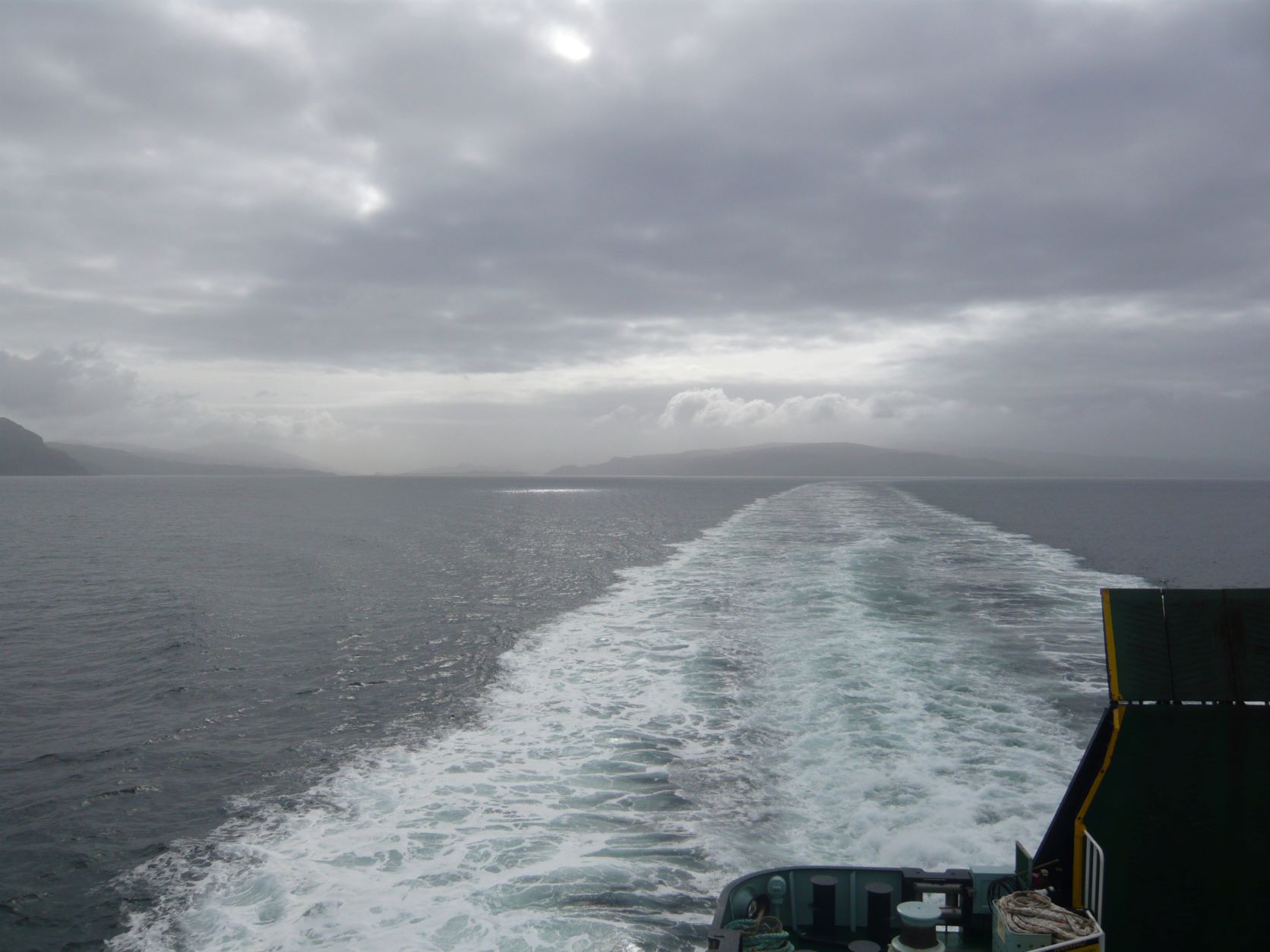
I love travelling to an island on a ferry. It is comparatively slow travel and you get a real sense of the distance travelled and the mood of the world you pass through. It takes two hours forty minutes to reach Coll from Oban; not a huge amount of time, but time enough to realise you’re no longer on the mainland.

Arinagour is not the largest capital city in the world. Although it is the main settlement on Coll, it only has a population of around 50. Although the entire population of Coll is only between 150 and 220 permanent residents, depending on which source you consult.

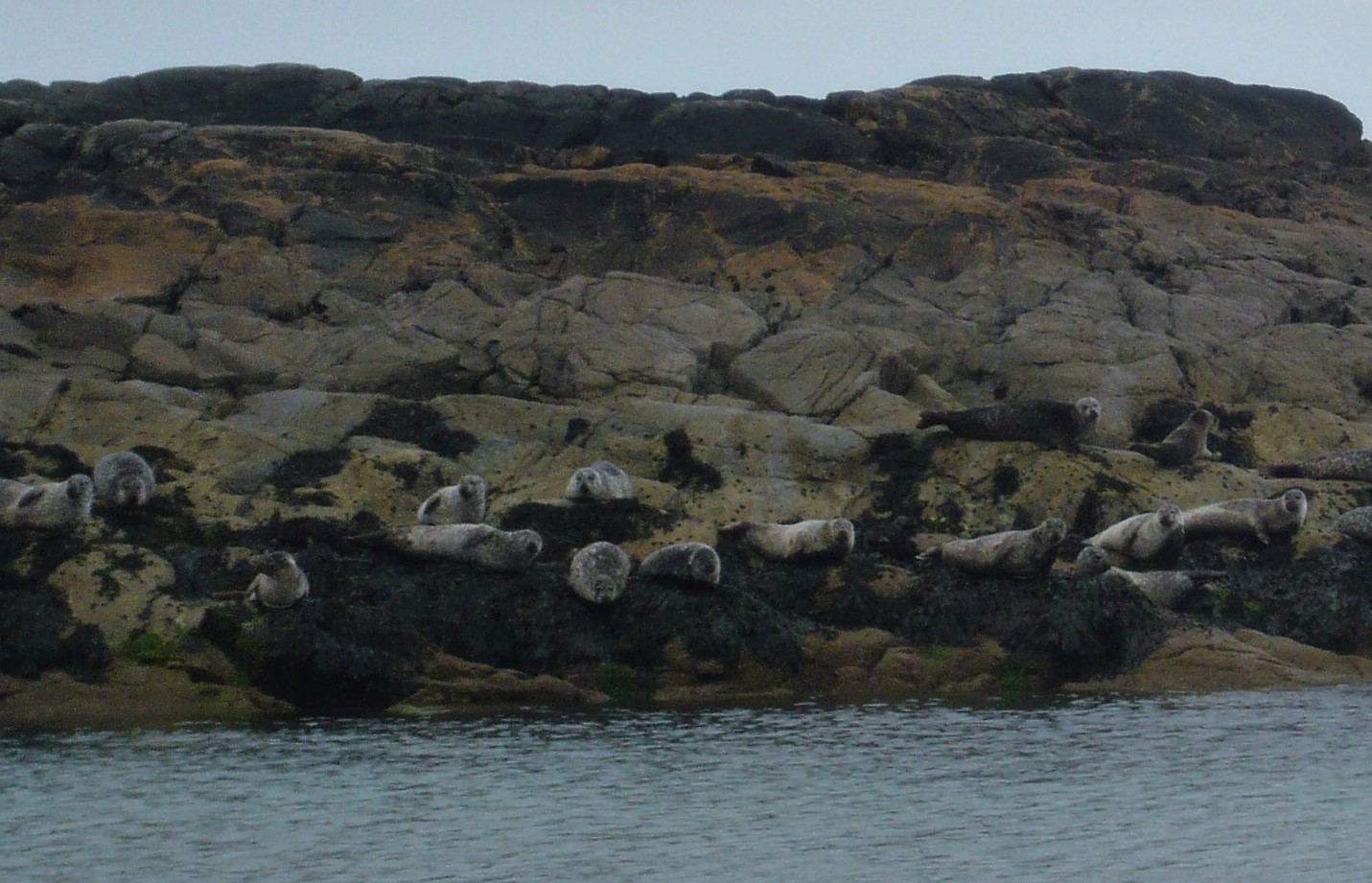
About halfway along the coast on the northern side of the island, there is a bay called Bagh an Trailleich. On our first visit, we walked there hoping to see some seals, but were disappointed. This time, there were about fifty seals on this small island in the bay

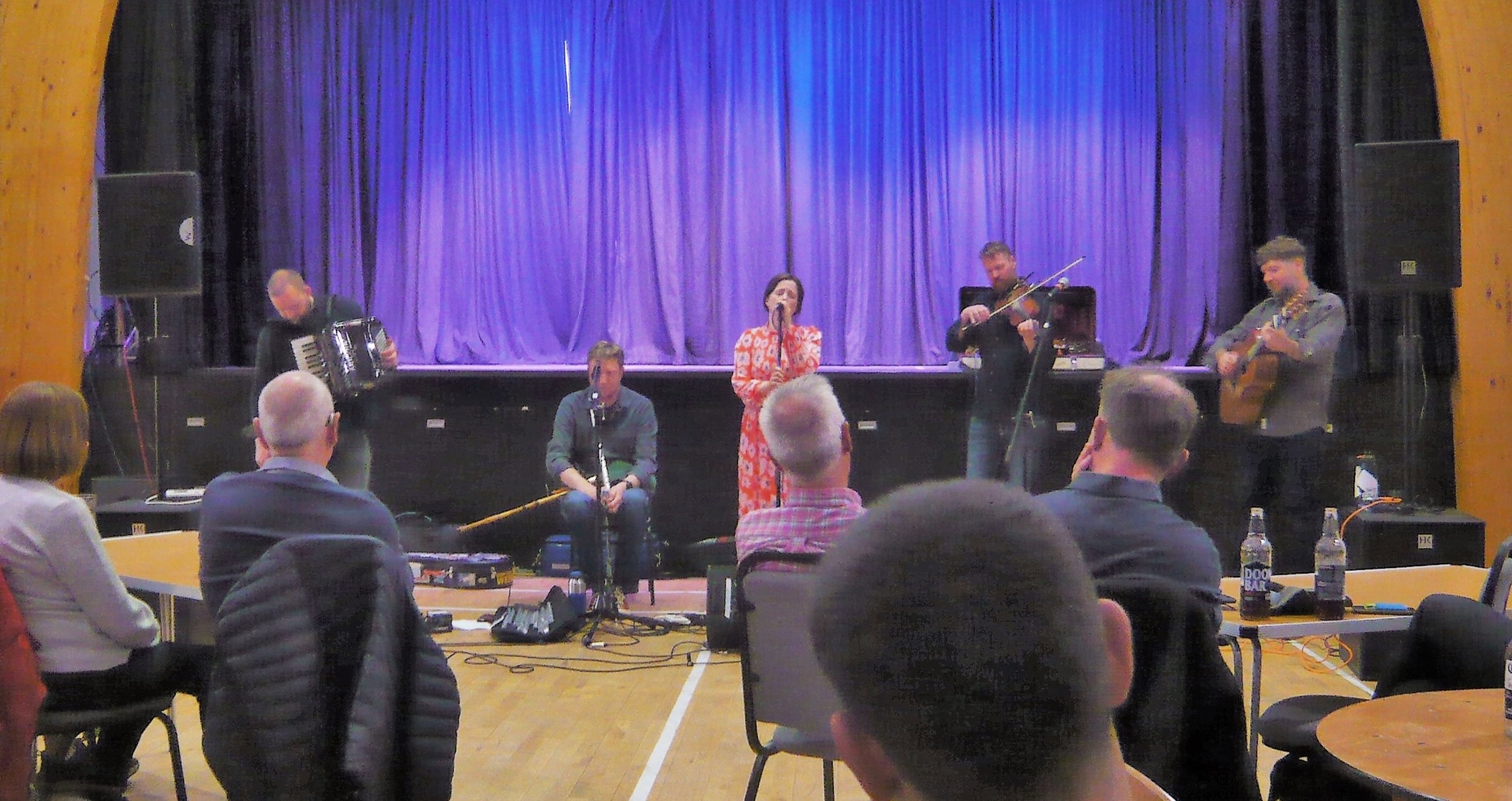
Our cottage was five minutes or so walk from the ferry, and having left our bags there we walked the short way to the island community centre, where we knew there would be a Saturday market and we intended to buy a few treats (homemade cakes, jam, and the like) for the week. While we were there, we saw a flyer for a gig by Daimh (pronounced ‘dive’) on the Wednesday evening. All we learned from this flyer was that they are a Scottish folk group and we thought that sounded like a good evening. On the Wednesday evening, we learned they are frequently described as a ‘Scottish Super-group’, and quickly discovered why. It was one of the best concerts I’ve been to. If you fancy a taste of what they do, I recommend this: Daimh live at Celtic Connections

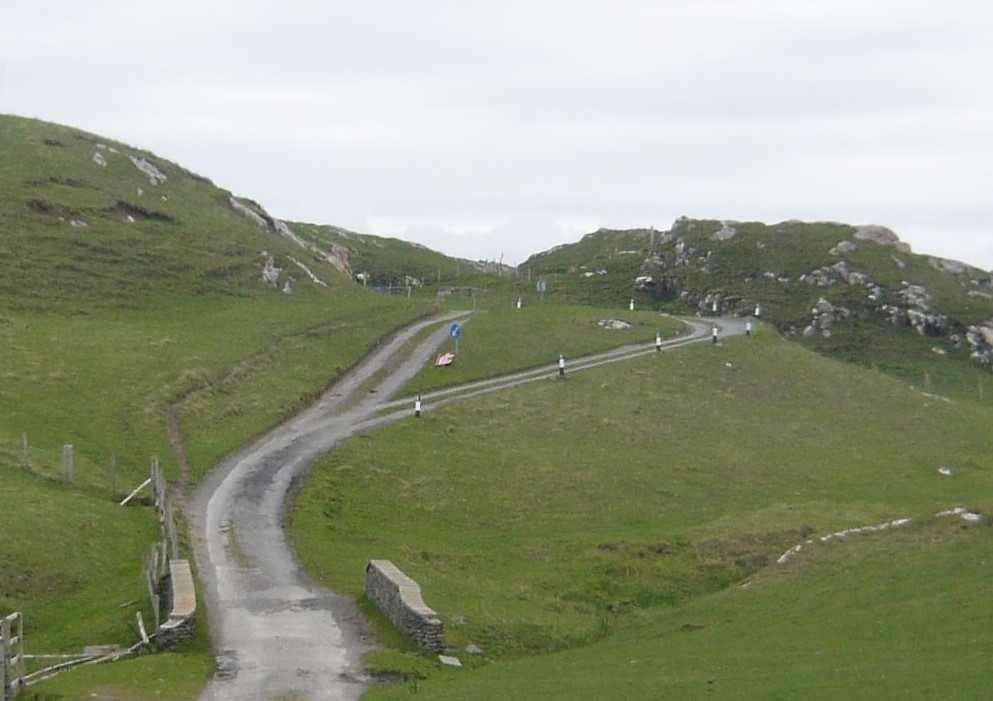
There is just one stretch of dual-carriageway on the island, a length of less than fifty metres, and it’s very difficult to understand why it’s there. There are three main roads on the island, all ‘B’ roads, and this stretch is along the one leading to the hamlet of Sorisdale. As you can see, it’s not the busiest road in the UK, but it may be the shortest stretch of dual carriageway.

Someone is bound to know.

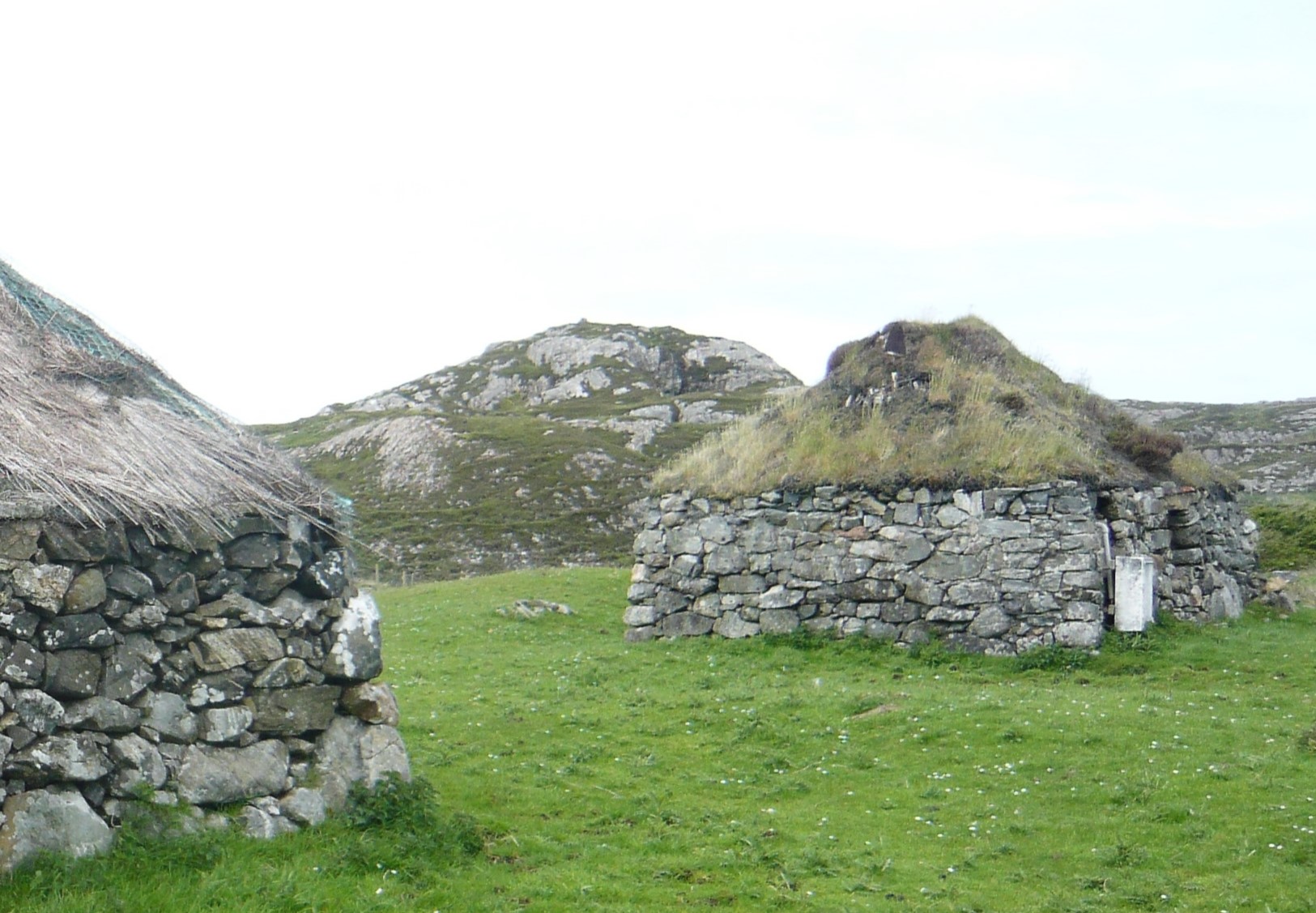
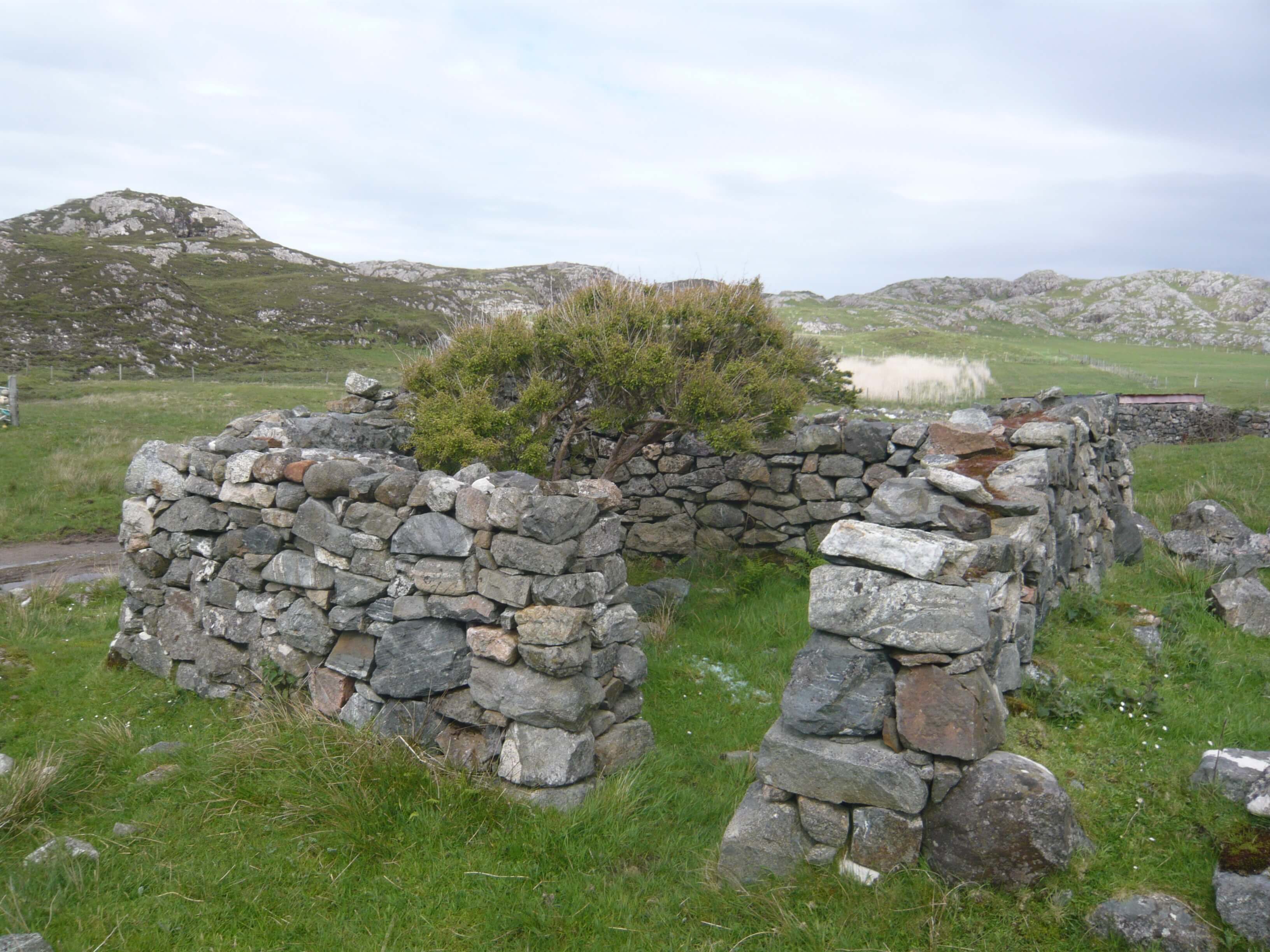
Sorisdale is a former crofting and fishing village at the north east end of the island. There are a couple of modern houses there, but also a number of old cottages with turf or thatched roofs, in various states of repair or disrepair.

And because it’s Scotland, here’s yer Highland coo. Yer’ve met him before.

Grey

When the weather is grey and grim there is nothing else for it other than to hunker down with a couple of mates and do lunch.

Then if the weather improves a little, go and wait for the pub to open.

‘Come on, come on!’

Peak Autumn

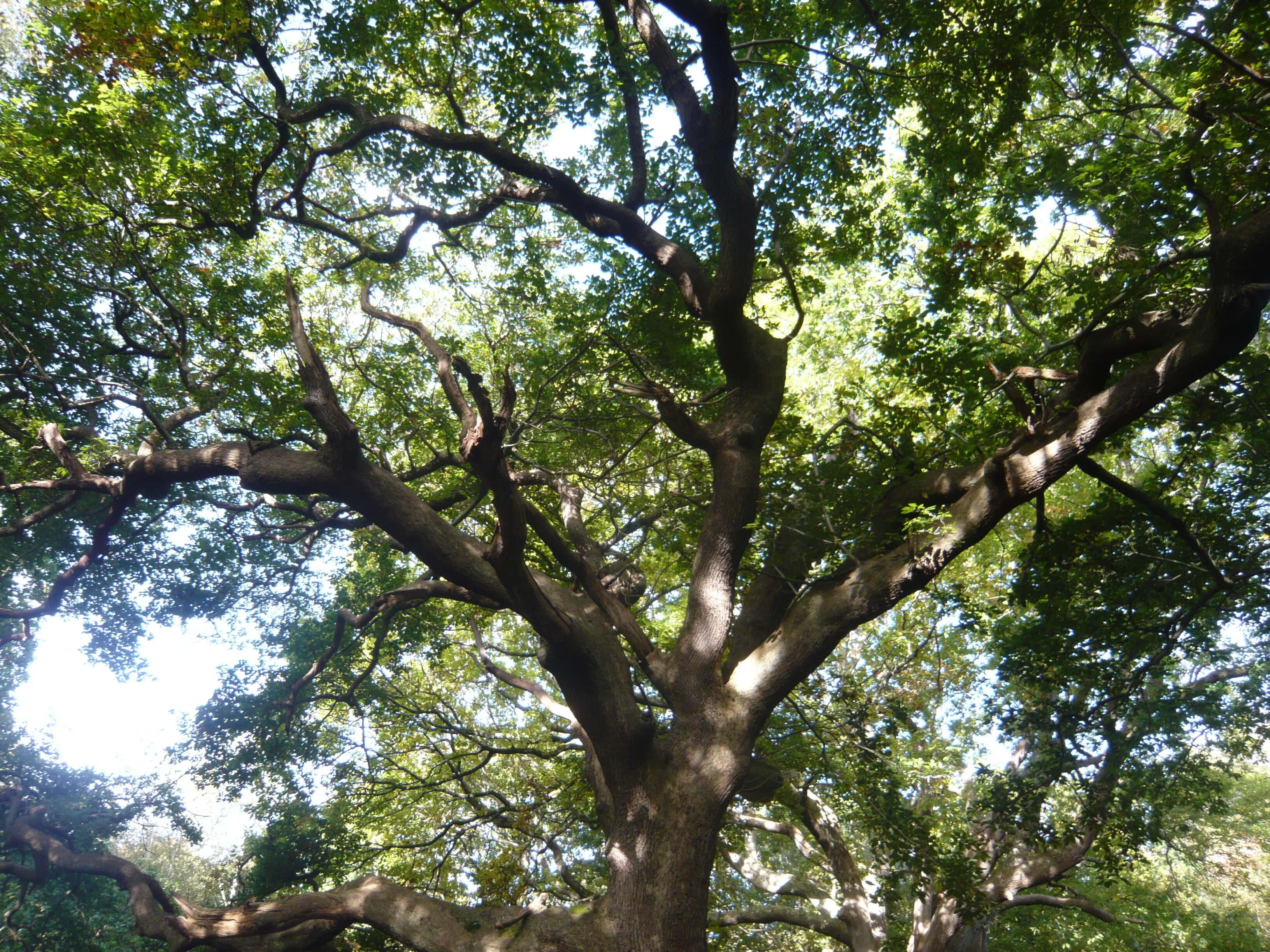
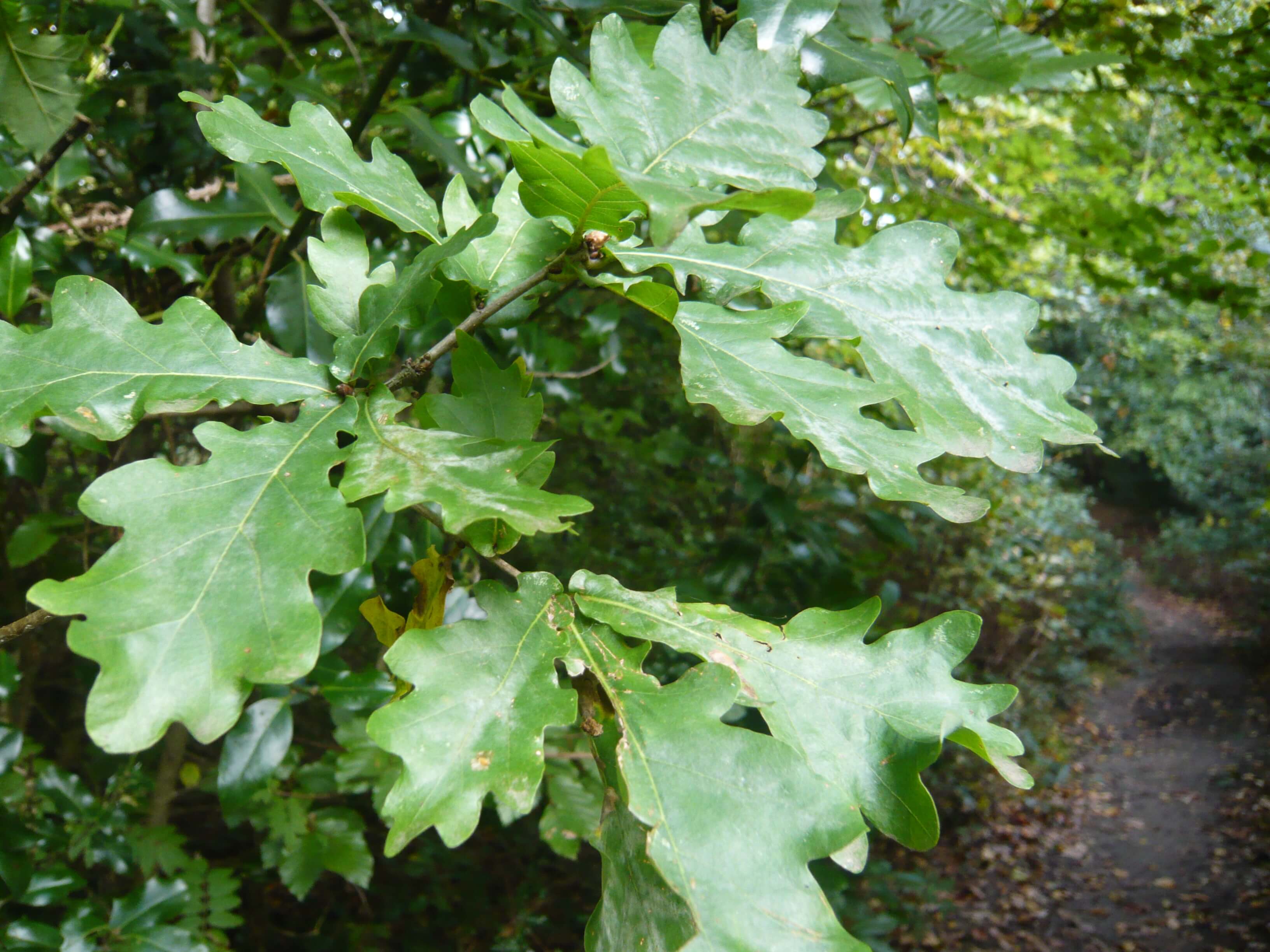
The leaves are turning, but in some cases, such as these oaks, still very slowly.

On Sunday, I was wandering around under the oak trees in the woods for a while. It was a gloriously sunny morning and I found myself stuffing my pockets with acorns and oak leaves. For no particular reason – they just looked interesting.

Maybe I was channelling my inner squirrel. Back indoors, I thought I might try to arrange them a little bit artistically, but I’m not sure it has really worked. Never mind. I love the way that both the leaves and the acorns turn from green to brown, passing through many different pastel colours on the way, many of them ochres – the earth colours.

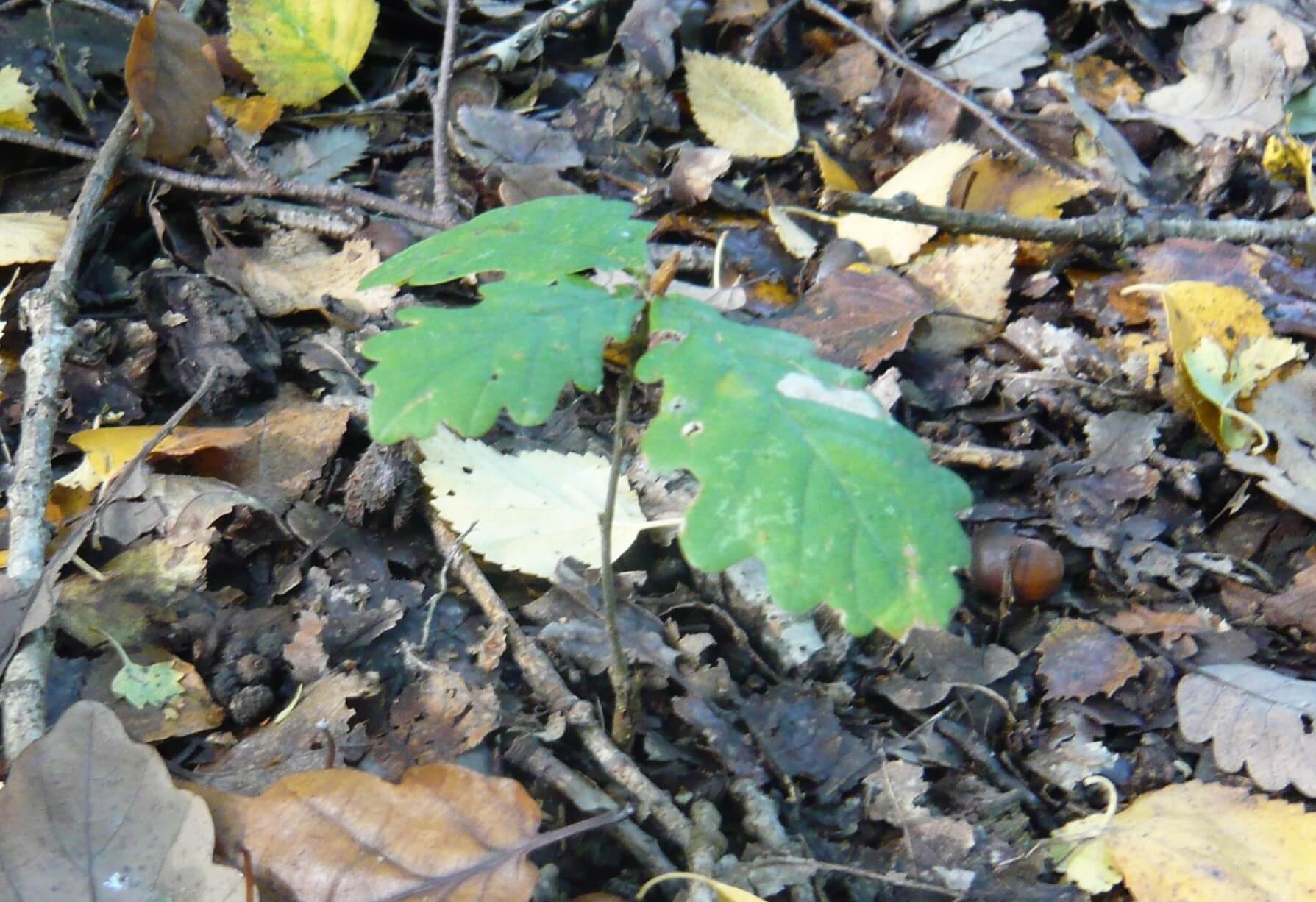
‘From tiny acorns mighty oaks do grow’ as the saying goes. This one has a little way to go yet, but as long as it doesn’t get broken or knocked down, its chances are good. There is a lot of light where it is growing, and currently little competition for light or space.

I felt a little menaced by a fallen branch, but all was well.

And despite it being mid-October, as I said at the beginning, there are still plenty of summery green leaves to be found.

Sarnath

It’s mid February 2008, and I am in Sarnath.

Formerly a deer park, Sarnath lies 10km outside Varanasi and is the place where the Buddha came after his enlightenment at Bodhgaya, to seek out his former companions who were living there in huts and give his first sermon, on the turning of the Wheel of Dharma. This comprises the Buddha’s path to Enlightenment: the Four Noble Truths, the Eightfold path and the Middle Way.

This altar is still used by pilgrims for pujas – not just Buddhists, but also Jains, for whom Sarnath is also sacred.

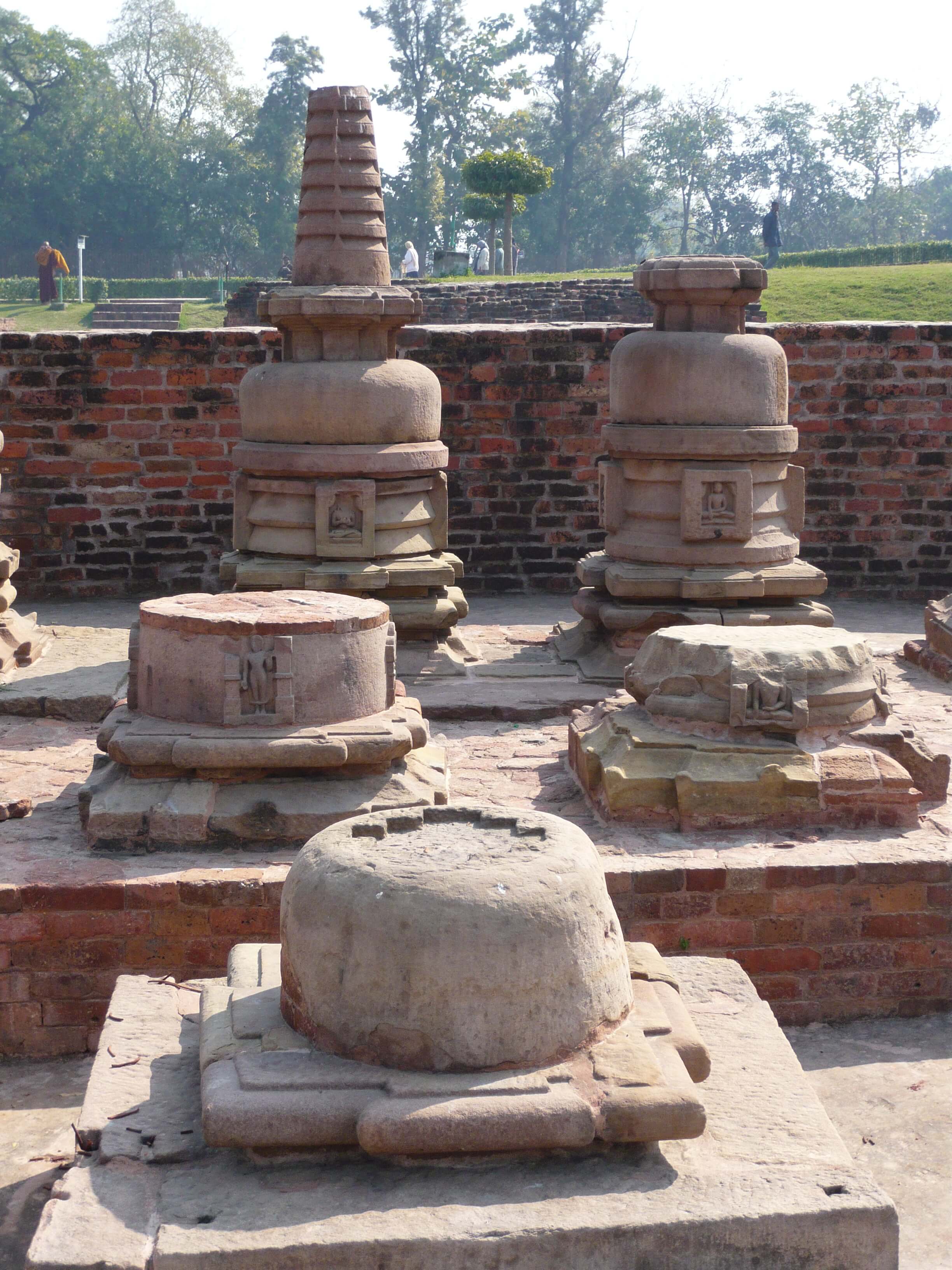
A monastic tradition flourished at Sarnath for over 1500 years after the Buddha. Many monasteries and two great stupas were built, which survived until the end of the 12th century when they were destroyed during the Muslim invasions and not rediscovered until 1834 by a British archaeological team. Amongst these ruins were a stone column 15.25m high with four lions as its capital, erected by the emperor Ashoka, a convert to Buddhism after witnessing the terrible carnage of a war he had unleashed in the 3rd century BC. This capital was adopted as the symbol of the modern Indian republic.

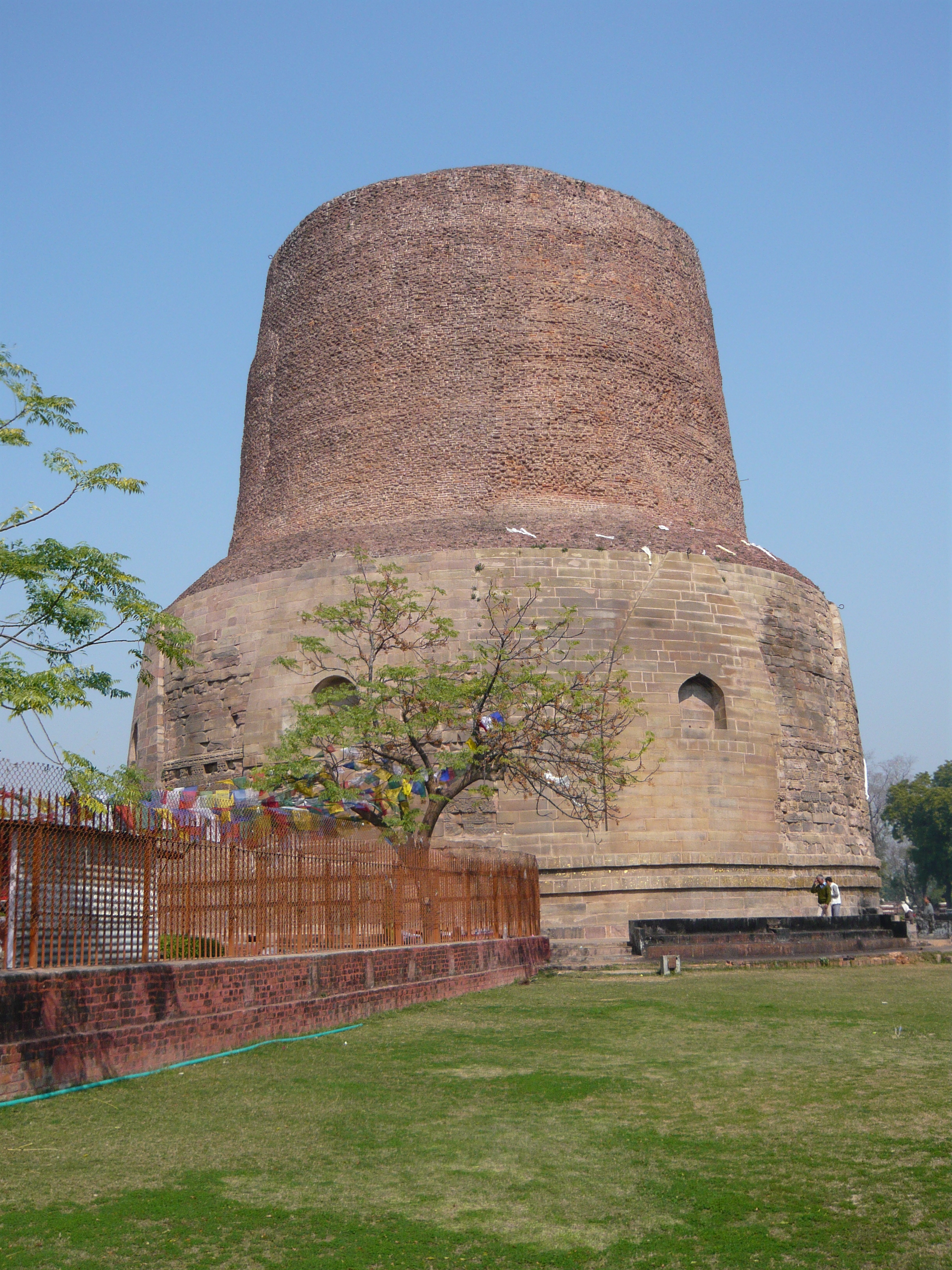
The Dhamekh Stupa. Built in the sixth century, this solid cylindrical tower, 33m high, consists of a stone base with the upper part made of brick, and was virtually the only building to survive the Islamic destruction, perhaps because of its sheer size and bulk. It marks the spot where the Buddha supposedly gave his first sermon. The five former companions, who became his first disciples on hearing him speak, had deserted him when he gave up his ascetic vows. On achieving enlightenment, he determined to follow the ‘Middle Way’, avoiding both luxuries and asceticism. This is the basis of its appeal to me personally – nothing to do with religion, but a sensible lifestyle avoiding extremes, with kindness at its heart. A philosophy of life.

Delicate carvings on the base of the Damekh Stupa.

Just outside the Deer park, there are a number of modern Buddhist monasteries, attracted to the site because of its history. This particular spot was a beautiful peaceful place, but I can’t remember exactly where it was! I think it was outside the Japanese Temple…

Inside the Dharmachakra Japanese monastery

Mulagandhakuti Vihara built by the Mahabodhi Society in 1931

Autumn Equinox

Often, it still feels like summer at this time of year, but I feel autumn has truly arrived now. This morning I walked a path I haven’t walked for a week or more to find the sun was that much lower than it had been and I was constantly having to shade my eyes. It’s all about colours, now. Colours and the cooling of the world. Russet. Browns. Fading drab greens. Yellows and orange. Autumn can be beautiful, although it can also be dull and dreary and occasionally fierce. But mornings often arrive with an added sparkle, with heavy dews on cobwebs and leaves glinting in the low sun, hedgerows of thistledown, rosehips, and hawthorn. There is usually a freshness in the air, especially in the mornings, which has been absent for most of the summer, that invariably lifts my spirits.

I like summer, of course I do, but the arrival of autumn reminds me in some ways of the arrival of spring. In spring we have the stirring of life after a long period of hibernation, whereas the beginning of autumn always feels to me like the start of a new, second, outburst of life. Many plants have a sudden growth spurt, fruits and nuts and berries swell and glow and are plundered by birds and beasts. It is still warm, warm enough to bask in the sun and to feel hot walking up even quite gentle hills.

The Equinox occurs on Friday (at 2.03am in the UK, to be precise) and after this the hours of darkness outnumber the hours of daylight until the end of next March (counting dusk and pre-dawn as night time). After this, the year always feels to me quite different, even if the weather from the one day to the next is much the same. I can already feel myself slipping into a different place; the logs for the burner have arrived and have been stacked ready for use. The apples have been picked, shortly to be wrapped and stored away. Much in the garden is in the process of being cut back for winter. When the days are short and the nights are long, there will be many books to read, lots of music to listen to, a few beers to drink, and many long conversations to be had.

But also many long walks as well, I hope. I love winter too.

Driven

I’ve written elsewhere how, like many others, I feel I write because I have to; ideas come into my head and I need to set them out and explore them, to bring them to a conclusion. Because I feel driven by these ideas.

I’ve also written of how the muse sometimes just ups and leaves and hightails out of town. Then I just dry up. But all that time, the ideas will still pop up, perhaps in broken form or just as hints – the odd phrase, a line or two, but refuse to meld with others to make a whole.

That, I would venture, is when you understand the artist within you. You don’t just say Oh, forget it! I’ll take up trainspotting instead! and ignore the tiny sparks that continue to force their way into your consciousness. You note down those ideas, and struggle to tease something – anything – out of them that you can use, knowing that sooner or later they will lead to something.

Yes, that’s when you know you’re driven.

Some Diary Extracts

April 10th 2022:

A few days ago I dug out all the pastel paintings I have hanging around and put them to one side, the intention being to chuck them all out. As part of managing to get my creative side working properly again, I feel I need to clear out the majority of my old work. I think it is simply preventing me from getting going again – as well as taking up space we don’t really have spare. I’ve always been a little reluctant to just destroy a painting I think I might be able to sell at some point, but that’s something that doesn’t matter to me in the same way any longer.
It’s much the same with writing. Nice if someone buys it and nice, of course, if someone reads it and likes it and, hopefully, gets something from it. But not important in the same way as it used to be. I’ve never wanted to be famous, or sell millions of books (much the same thing, of course), and perhaps this is part of that. If the poetry I’m currently writing is any good, I would like someone to publish it, and if a small audience appreciated it and thought it worthwhile, well, I’d be tickled pink. But it’s not that important.
If I paint again, or carve wood, it will be entirely for me. If someone likes a painting, then perhaps I’ll simply give it to them. I appreciate this isn’t a philosophy that most creatives could adopt, but it’s what I feel I should like to do at the moment.

Wall painting in Amberley Church, Sussex. It dates from around 1300AD, was whitewashed over around 1550, and restored in 1967.

April 11th 2022:

We’re off to Amberley for a couple of days. We should have been walking the South Downs Way at the moment, but Covid has left us too tired for that, so we cancelled our various bookings. But to give ourselves a short break, we kept the Amberley one and booked an extra night.

Yesterday I contemplated completely coming off the internet for a matter of all of about half a second. I find it a huge distraction and much of it incredibly annoying, but like most folk I’m in too deep to extricate myself. We’ve arranged our lives around it over the past twenty years especially, and in my own case I keep in touch with many people that way, I have my blog, which I don’t think I’m ready to give up yet, rely upon it for booking trains and finding train and bus timetables, use it for family research, writing research, and to find and order books and music. None of these would be insurmountable problems, but cumulatively it would just be too much hassle to do without.

But even when I’m using my laptop for writing, I get too easily distracted by the internet and I feel a little like those people who walk through lovely scenery staring down at their mobile phones.

April 15th 2022:

Sunny and clear this morning and the forecast is that the day will be warm and bright. Having had quite a busy day yesterday, I felt quite run down in the evening and this morning feel very tired despite having slept well. It is four weeks until we go to Coll and I hope I’ve got some energy back by then.

It is sunny and, dare I say it, warm all day and despite this being Easter Bank Holiday weekend, the forecast is that it will continue this way.

Strange powers are at work.

On Leaving Home

What would you take if it were us? she asked.

I shook my head.

.

She was silent for a moment, watching the television.

There were adverts: for cars, for perfumes,

For garden furniture and super-sized burgers.

It all seems so petty, she said.

I nodded.

.

What would you take?

.

A handful of photographs, I suppose.

Our papers and bank cards.

Don’t forget the last of that bread.

And put on your warmest coat, a hat,

Your gloves and your boots.

.

Can I take this?

.

No, leave that. We’ve no room.

Maybe we’ll be back sometime.

Maybe as soon as next Spring.

If there’s anything left to return to, that is.

If there’s anyone here who would welcome us back.

.

Where have you come from?

.

I no longer remember the answer to that.

Possibly Sumy or Sana,

On the other hand, Aleppo, or Aden.

It might have been Myanmar,

Conceivably Kyiv or Kandahar.

.

Why should we allow you in? who are you?

.

Who am I? I might be your son,

Your daughter, your wife or your father.

One day, I might even be you.

And on that day, pray for a compassionate welcome,

Pray for the kindness of strangers.

Global Horrors

Amidst the unfolding horrors from Ukraine, please do not forget – or allow the world to forget – the equally terrible horrors still being perpetrated in Syria, in Yemen, in Ethiopia, in Afghanistan, and the human rights abuses taking place across the globe in too many places to mention.

Show compassion and voice anger about the Russian actions in Ukraine, but save also some compassion and anger for these other countries, and do what you can to bring aid to their peoples. Petition your government and contribute towards humanitarian aid.

They are equally deserving of justice.