New Year’s Eve – Let’s Party Like It’s 1988!

My favourite New Year’s Eve party occurred on either the 13th or 14th April 1988, from which you may conclude this was not at home in England. I was in the Himalaya, walking the Annapurna Circuit. And my uncertainty about the date is due to the fact I didn’t keep a travel journal in those days. In fact, I’m not even sure exactly where we were staying that night, although I do know we were still heading up towards the high pass, the Thorung La, and that we were still well below the snowline. At the end of the day’s walking we camped, as usual, and while we were eating supper we were informed that we were invited to join in the New Year celebrations in the village close by.

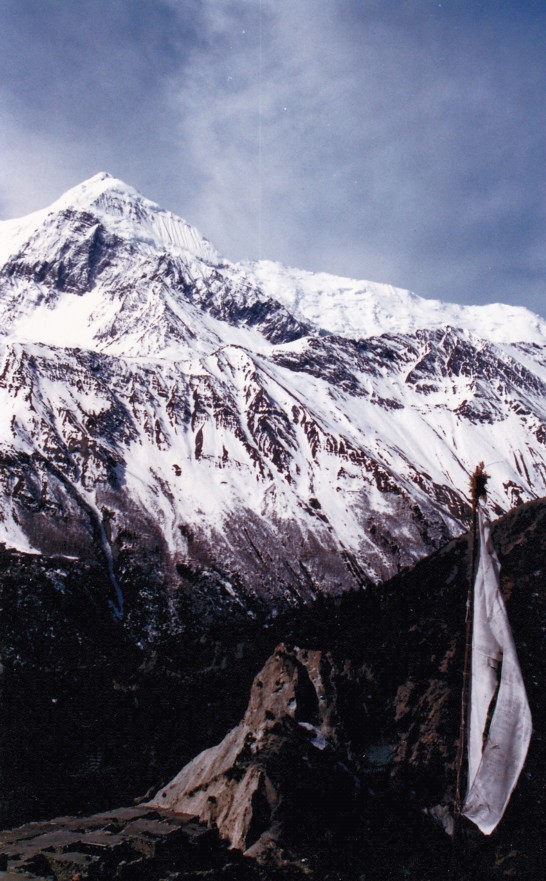
It wasn’t the place in the picture above – it was smaller – but it was definitely what could be described as a little one horse place somewhere rather high up in the Himalaya. The celebrations involved drinking, singing, and dancing. Actually, the celebrations were drinking, singing, and dancing. The drink was chang, which is rice beer, a traditional Tibetan drink, which is drunk on any and all occasions, by everyone. It is cloudy, it doesn’t taste very strong, it’s not very strong, and it slips down easily.

And then there is rakshi, which is a distilled liquor and a whole new level of peril. We were warned about that.

Up where we were, the singing consisted largely – possibly entirely – of folk songs. We were already familiar with at least one of them; when we had been in Kathmandu, the hit of the season was apparently a song called paan ko paat which we heard on radios everywhere – you can find many versions of this on YouTube if you feel curious – and as the chang flowed, so the singing increased in intensity. So too did the dancing – there was what might very loosely be termed a band, consisting of a number of people playing traditional instruments – and we either tried to keep up or stood around drinking and talking with our most hospitable hosts.

I have no photographs of this, sadly, since it was dark and I had no flash on my camera. The only light came from oil lanterns. You’ll just have to imagine a host of Nepalis and half a dozen westerners crammed into a tea house and having a jolly good time.

And then we were informed it was our turn to sing.

They asked us to sing something traditional from whichever countries we came from. I think the others made a reasonable fist of it, although maybe that’s just me assuming that everyone else sings better than me. Which they do. And some of their interpretations of ‘traditional’ may have been rather elastic. And then came the words I had been dreading, the words that sent a frisson of horror through my entire being: ‘Your turn, Mick.’

I must have been drunk, because suddenly I knew that if I had just one more drink I could do it. And so I did. I do at least know quite a few folk songs although I couldn’t remember the words to more than a couple of verses of the one I chose, but no one seemed to mind. On reflection, I suppose no one even really listened.

The rest of the words came to me as I lay in my tent that night, listening to sporadic bursts of singing and shouting – but by then, there was little difference between the two…

Happy New Year, folks.

My Top Books of 2022

Well, my favourite twelve, anyway. One a month, if you like, although that wasn’t how I read them. Or perhaps the twelve book reviews of Christmas – oops, no. Missed that one. Anyway…these are some of the books I read in 2022, not books that were first published this year. But I seem to have read so many good books in 2022, it’s difficult to make a choice and this has ended up being a little arbitrary.

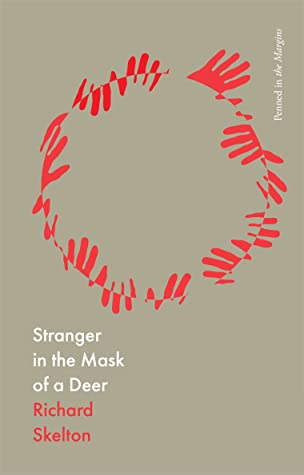
Stranger in the Mask of a Deer by Richard Skelton. It has been a long time since I last read something new and immediately put it into my top ten reads, but this remarkable work is straight in there. A few weeks later I had to re-read it, captivated by its dream-like quality.

It is essentially a poetic narrative ranging between the present day and Palaeolithic Britain, told by humans both ancient and modern, and by non-human voices. Its essence is life and ritual, the connection between humans and animals, between humans and the land they occupy, and the elements surrounding them.

The remains of deer skulls complete with antlers, but with eye holes punched into the skull so they might be worn as masks, have been found at Star Carr in Yorkshire, dating to approximately eleven thousand years ago. It is presumed these masks would have been used in rituals…

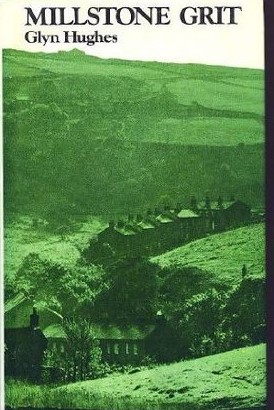
Millstone Grit by Glyn Hughes. This very readable book was originally published in 1975, describing a fifty mile walk the author took through East Lancashire and the West Riding of Yorkshire; an exploration of the moorlands and villages alongside the industrial towns, all of them suffering in their own ways from the effects of the loss of traditional industries in that area. It is about Hughes’ attachment to this area he came to live in, the clash between human and non-human landscapes, and about working class history in these places, but above all else about some most remarkable people he meets along the way.

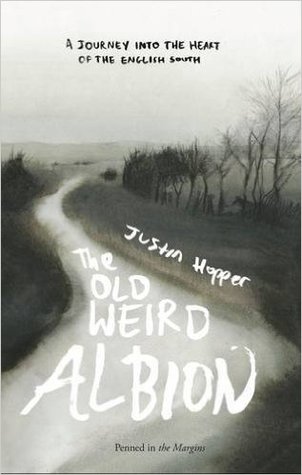
I re-read The Old Weird Albion by Justin Hopper. This is a book about tracing a mystery in his family’s past, beginning with a woman preparing to throw herself off Beachy Head, a notorious spot for suicides, but also about the effects the landscape of the South Downs has had upon people.

This is a book I reviewed on this blog when I first read it three years ago – the link is here – and I’ll just put an extract of that review here: ‘He has a gift for sifting and selecting the weird in these relationships, not just at sites that might be naturally expected to encourage the weird, such as Chanctonbury Ring, high on the Downs above Steyning or in old ruined buildings, but also in humdrum blocks of flats in modern developments. He references modern phenomena like crop circles and throughout there is the presence of ‘magic’, in the sense of a natural force. Many of the people he meets are an eccentric mix of the weird, too, although I choose this description carefully, largely in the old, original meaning of the word of ‘fate’ or ‘destiny’.’

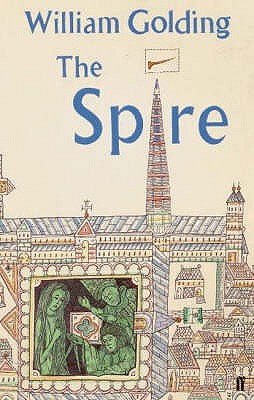
Another re-read, this time of a book I first read some forty years ago. The Spire by William Golding is a novel set in medieval England, in an unspecified city somewhere in the south. It is a story essentially about pride and hubris, about the Dean of a church determined to have built a great spire on his church, despite warnings that the foundations will not be able to support such a colossal structure. The ending seems predictable and yet that is not really where the story is going, being more concerned with the characters inhabiting that space.

The setting is the church and environs, and it evokes the feel of the ecclesiastic medieval as successfully as The Name of the Rose does. One test of how good a novel set in historical times is, is whether it transports the reader easily to that setting. I certainly found it did.

I bought Hemisphere by Pete Green at an event where poets read excerpts from their work. It is effectively a poetic journey around the northern hemisphere, beginning in Scotland, the journey approximating to the latitude of the arctic circle. The writing conveys a tremendous sense of place and feels very right for the cold edgelands described.

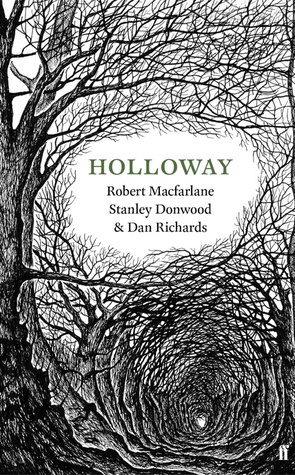
Holloway by Robert MacFarlane and Dan Richards, with illustrations by Stanley Donwood is a short book, describing a journey MacFarlane, Donwood, and Richards made in Dorset, essentially a revisit of a trip MacFarlane made previously with Roger Deakin for an earlier book, exploring holloways. Holloways, often known as sunken tracks or paths, are old – frequently very old – paths made over the centuries by the passage of feet, both human and animal, and perhaps by the wheels of wagons and carts. It is a short journey – perhaps ‘experience’ would be a better word – describing wild camps and walking, cycling and visiting old buildings; in some ways, perhaps it is really no more than a short camping trip, undertaken by a group of men acting out a boyhood adventure. The writing, though, by both MacFarlane and Richards is exquisitely poetic and Donwood’s illustrations never less than beautiful.

Notes on the Sonnets by Luke Kennard.

‘Luke Kennard recasts Shakespeare’s 154 sonnets as a series of anarchic prose poems set in the same joyless house party.

A physicist explains dark matter in the kitchen. A crying man is consoled by a Sigmund Freud action figure. An out-of-hours doctor sells phials of dark red liquid from a briefcase. Someone takes out a guitar.

Wry, insolent and self-eviscerating, Notes on the Sonnets riddles the Bard with the anxieties of the modern age, bringing Kennard’s affectionate critique to subjects as various as love, marriage, God, metaphysics and a sad horse.’

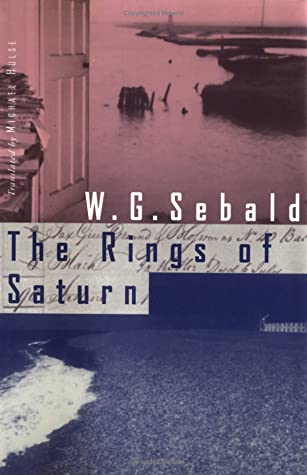
The Rings of Saturn by W. G. Sebald had been on my ‘to-read’ list for a long time, but I finally got around to picking up a copy this year. On one level, this is a walking journey taken by the author along the Suffolk coast in the early 1990’s, describing both places and people he comes across, but really, it is much deeper than that and is a psychogeographical work par excellence. Throughout the journey, we are never quite certain whether events are happening to the author, or have happened in the past, or perhaps to someone else at some other time. He goes off in unexpected directions, literary, historical, and physical, exploring a wide and eclectic range of subjects yet throughout there is a cohesion to the narrative.

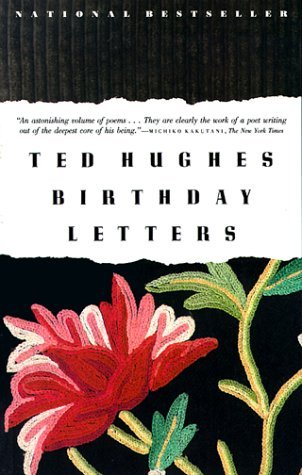
The Birthday Letters are a not-quite-series of poems Ted Hughes wrote to his wife the American poet Sylvia Plath after her death. Personally, I find them to be probably his most accessible poems and wonder whether that says something about me, although this isn’t the time to go into that. Theirs was a difficult relationship, and her suicide (as well as that of a later lover of his) frequently colours people’s opinions of Hughes. Inevitably, these are often extremely personal poems, so much so that at times I feel a slight discomfort reading them, as if I’d opened someone’s private correspondence by accident, but Hughes wrote them as an attempt to restore her to him, and published them almost for the public to read as his own account of her life and death.

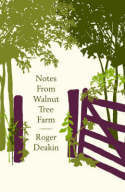
Sadly, Roger Deakin only wrote three books, of which Notes From Walnut Tree Farm is compiled from diary entries he kept during the last six years of his life. In these notes, he recorded his day to day life on the farm, walks on nearby Mellis Common, the yearly cycle of the natural world all around him, and his thoughts on literature, the importance of nature, and musings on the past.

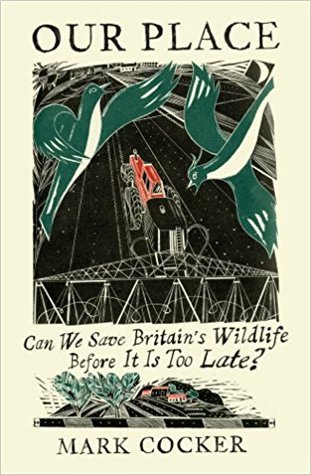
Our Place by Mark Cocker is an exploration of the history of environmental thought and politics in Great Britain and, especially, the way forward. It asks pertinent questions like who owns the land and why? And who benefits from green policies? Not afraid to be radical in its suggestions, it asks why there is such a disconnect between the British public’s sympathy for and championing of the countryside and the reality of its current condition.

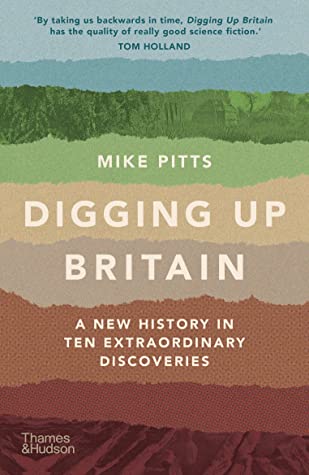
Digging up Britain by Mike Pitts tells the story of Britain’s history and prehistory in ten astonishing excavations. As someone who has always had an interest in history and pre-history, I found this book a timely reminder of the huge strides taken forward in our understanding of the past over the last ten years or so, due to such important tools as DNA analysis as well as the painstaking work of those who excavate and interpret these sites. There are some remarkable tales in this book.

Sickness and Diseases

I’ve mentioned that I’ve been researching my family tree, and a few days ago I was looking for details of one of my ancestors who lived in what was then a small village just outside Norwich. Looking on the parish records not only did I find the entry for his burial, but then noticed that the rector at that time had begun noting down what each person had died of. It was by no means complete, though, because he had added these notes for a year or so and then just stopped. Whether he’d got fed up with it or been told to stop for some reason, I obviously have no idea. But as I glanced through them, I became fascinated by them. I felt they left quite a lot of information about the place and time (rural England in the 1850’s) and thought a bit of it worth sharing.

My ancestor was on page 5 of these records, and the burials had all been conducted by the same rector from the first entry on page one. He added these notes from entry number two, through to twenty nine, then again for number thirty three, and then stopped. This is a summary of the relevant entries:

1   Male     5 weeks   Dec 1851

2   Male       44         Dec 1851      paralysis

3   Male       14         Jan 1852       consumption

4   Male       53         Jan 1852       consumption

5   Male         6         Jan 1852       scarlet fever

6   Male         3         Jan 1852       scarlet fever

7   Female    17         Feb 1852      typhus fever

8   Male        33         Feb 1852      consumption

9   Female    3¾        Jan 1852      scarlet fever

10 Male        53         Feb 1852      liver complaints. Publican.

11 Male        61         Mar 1852      paralysis, consumption

12 Male        19         Mar 1852      consumption 2½ years

13 Female    62         Apr 1852       cancer

14 Female    78         May 1852      old age

15 Male        33         Apr 1852      consumption

16 Male        55         May 1852     decline and heart disease

17 Female    69         Aug 1852      old age

18 Female      5         Aug 1852      inflammation of bowels

19 Female    13         Aug 1852      typhus fever

20 female     21         Aug 1852     consumption

21 Female    76         Aug 1852     coroner’s inquest. Verdict died by visitation of God

22 Male        63        Sep 1852     coroner’s inquest. Verdict died from injury in the head caused by fall

23 Female     71        Feb 1853      paralytic stroke and old age

24 Male         49        Apr 1853      labourer. Decline

25 Female     71        Feb 1853      coroner’s inquest. died by visitation of God, She dropped down dead when in perfect health

26 Male        85         Apr 1853      labourer. Paralysis

27 Male      infant      May 1853      jaundice

28 Female    64         Jun 1853      drowned herself in 11 inches of water. Morbid religious depression. A dissenter. Verdict temp insanity

29 Female   infant     Jun 1853      thrush

After this there are no further comments from the rector, other than:

33 Male        72        Sep 1853      disease of heart

There is quite a lot that is of interest here, and just from a statistical point of view we can see that nine of the burials were children under sixteen – just under a third of the total. Of those six were five or under. Lots of children died in those days. Yet somewhat surprisingly, fourteen of them – roughly half – were over fifty, with four in their seventies and one of eighty five. A very good age for the time. There doesn’t seem much difference in the average ages males and females lived to, although this is a tiny sample, of course. All the rural poor had tough lives, both male and female, which brings us to the comments added by the rector.

Number twenty six really caught my eye. Male, aged 85, a labourer, died of what the rector calls paralysis. No old age pension for them, they worked until they dropped. Number twenty four is also described as a labourer. Obviously the rector felt it worth mentioning, although why just those two, who knows?

Then we have the common diseases we’ve pretty well consigned to the past, now. Scarlet fever. Typhoid. Consumption – properly called tuberculosis. They killed frequently, especially the young.

And when the cause of death couldn’t be determined, even by inquest? ‘Visitation of God’. Although why those ones weren’t just put down to old age I can’t imagine. Unless somebody saw something…

Two more comments I have to mention, though. Number ten, male, age 53, died of liver complaints. The rector had to mention he was a publican, of course.

And then there is number twenty eight. Female, aged 64, drowned herself in 11 inches of water. Morbid religious depression. A dissenter. Verdict temp insanity. The rector belonged to the Church of England, and I’m sure he relished the suggestion that dissenters were mad. All the different denominations of the church seem to regularly go to war with the others, which, if you fancy a bit of a giggle, I satirised here some while ago.

If…

I’ve been feeling a bit flat recently, although that’s not uncommon at this time of the year.

I know I’m currently craving solitude and simplicity, wanting to spend some time somewhere a little remote. An area of moorland, such as Dartmoor or the Pennines, would do me very nicely. Even better if there were some woodlands nearby, too. Although there would be no people around (ideally), there would be wildlife to watch and hills and valleys and those woods to explore. Maybe some interesting ruins nearby…

Simplicity, that’s what I’d want. Somewhere with no wifi, no TV, no phone signal or even radio. A decent supply of food and a few beers because, as Jerome K Jerome said, thirst is a dangerous thing. A fire to sit beside in the evening. Somewhere small and basic with no luxuries.

I’d take some books. Several sorts, so I could pick one up or swap to another depending upon my mood. At least one book of poetry, perhaps Stranger in the Mask of a Deer which I read for the first time a few months ago, and then re-read recently because it was so damned good. Maybe a Seamus Heaney collection, including the ‘Station Island’ sequence of poems, or a collection by Russian poet Yevgeny Yevtushenko for the marvellous long poem Zima Junction. Maybe I’d just take all of those.

I’d include some sort of detective novel for pure escapism, then one or two books by the likes of Robert Macfarlane – books that would inform me about the landscape I had decided to inhabit for a while.

I wouldn’t just be walking and exploring, or reading. I have a few poems I need to finish off, one about salmon and one about the Winter Solstice. In this environment I think I’d be inspired to finish them, hopefully write some more.

A week would probably do it.

A Bit Of Family History

As I have mentioned previously, I am sporadically tracing my family tree, something I’ve only really become interested in recently. Perhaps it is mainly an older person’s interest, although I don’t think I’ll explore that now. But I’m keen to pass on the information to my children and grandchildren especially, so they can do further research if they feel like it.

As well as the family connection, though, much of my interest is both the exercise of solving a puzzle – it has much in common with a detective story – and to attempt to ‘see’ something of the person behind a list of dates and names. It is comparatively straightforward to accumulate lists of these folk with no more information than a sort of ‘Fred Bloggs born 1750, married Mary Smith 1770 died 1820’ which is really of little interest to me.

But if you know where to look (and how to search) there is often more information available about our ancestors, although you also need a very large slice of luck to dig up interesting details of the lives of the average person. In my research, then, I have found a few folk, of whom I knew absolutely nothing to start with, not even their names, and have been able to build up a bit of a picture of their lives.

That’s what it’s all about, I reckon.

Here, then, is an example:

My Great Great Grandad was Frederick John Platt. He was born in 1826 or 1827; I cannot find his birth record, but all other documents are consistent in his age.

A couple of census entries:

1851 the family are at 2 Wilmot Street, Bethnal Green. They were: William Platt, 49, Handloom weaver, Ann, 59, Frederick J, 24, Sarah Susanah, 22, also William James Platt, 26, his wife Sarah, 28, and William James 4. All bar William James Junior are Handloom weavers.

1861 at 1 Green Street, Bethnal Green. They are: Frederick J Platt, 34, Broad silk weaver, Louisa S, 30, Broad silk weaver, Louisa M, 6, Frederick W, 5, Henry G, 1, George W, 1 month. All were born in Bethnal Green.

So far so good, but then there is a Crisis.

In 1861 Louisa Sarah Platt of 1 Green Street, age 30, died. It must have been very soon after the census was taken (on 7th April) as she was buried on 21st April. I obtained a copy of her entry in the Death Register, and it tells us she died on 14th April 1861 – ‘Found dead at 1 Green Street, Twig Folly Bridge, Bethnal Green’. She was aged thirty and the cause of death was given as ‘exhaustion after her confinement’. You can see on the 1861 census the youngest, George W, is recorded as one month old.

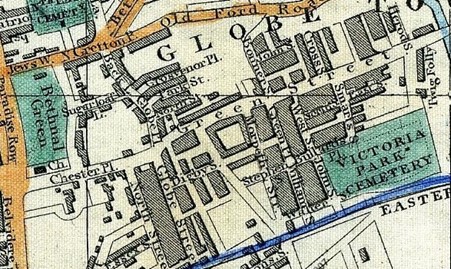
Green Street, Bethnal Green, from Cross’ Map of London 1851. Twig Folly on the right of the map gave its name to the bridge where Green Street crossed Regents Canal.

Then on May 8th 1861 we find the following Poor Law Removal judgement:

Frederick Platt, 34, of 1 Green Street, 5 years last 25 Jan, 3 Parliament Street, Cambridge Road, Mile End, B G (Bethnal Green). Weaver.

Was born at no. 10 Geo. Gardens B G never (ye?) has lived in B G all his life father before him. Had married at St. James the Less 1853, 12 June Co produced to Louisa Sarah, who died 3 weeks ago, Louisa 7, Frederick 5, Henry 17 mos, George 5 weeks, – B G

And then in another hand:

Father pd taxes Harts Lane B G Road about 17 yrs ago and Cranbrook St. about 2 yrs. He lives at 2 Cranbrook St.

I am unclear what the ‘removal’ part of the judgement refers to and can only assume it either means the children were taken from him, or they were all evicted from the property. The final paragraph about his father having paid taxes, I am guessing meant the authorities were then willing to provide some sort of support for the children. He had married Louisa Sarah Whalley sometime between April and June 1853, in Bethnal Green – June 12th according to the Poor Law Judgement – and after she died eight years later, his world seems to have fallen apart. And it seems to have happened so quickly! Less than three weeks after Louisa is buried, this judgement is passed upon the family.

But I suspect the family may already have been in some trouble.

Bethnal Green saw a huge influx of Huguenot immigrants during the late seventeenth and early eighteen centuries, almost exclusively silk weavers. Although I cannot find any evidence to back it up, I was told in my childhood that Mum’s ancestors were Huguenots, and that would suggest the Platts were the ones referred to. Whether Platt is an Anglicized version of a French name, or a Platt had married into a Huguenot family, though, I have not been able to determine. Over the years from the Huguenots’ arrival in Britain, though, various laws were put into effect to protect the British silk industry from foreign competition. However an 1860 treaty with France allowed silks to be imported duty free and very soon the industry was in freefall. Unable to compete in price with the imported cloths, huge numbers of weavers were thrown into poverty.

The next definite sighting of Frederick John Platt is in 1877 when his son, Frederick William, is married. On the form, Frederick John’s occupation is given as undertaker, and Frederick W is a commercial clerk. Clearly, they were no longer part of the weaving community. It is worth noting here that Frederick J’s older brother, William James Platt, has his occupation recorded as undertaker in the 1871 census, having also been a silk weaver prior to this date. It seems probable that Frederick either worked for him, or they were in partnership for a while. William then continues working as an undertaker for the rest of his life

After this, Frederick J seems to again drop off the radar for a while. I have a couple of other possible sightings but cannot find any census record for 1881 that I can be sure are his.

But then on September 15th 1884 Frederick John Platt, widower, 57, marries Sarah Mansfield, widow, 45, at St James the Less, Bethnal Green. By now he is described as a provision merchant of 40 Cranbrook Square.

One way or another, it seems he had managed to rebuild his life.

The 1891 census records a Frederick Platt, 65, ice cream vendor, and Sarah, 52, at 33 Quaker Street, Spitalfields.

And then? A Frederick Platt aged 74 died in Whitechapel, July – September 1899. That seems to be him. If it was, then he seems to have fallen upon hard times again. In January and February 1892 and then frequently from February 1895 through to February 1899 a Frederick Platt, widower, is recorded as being in and out of the workhouse at Stepney. His profession is given variously as wood chopper, labourer, or blacksmith’s assistant, and cause of admission each time as bronchitis or rheumatism.

We don’t realise how lucky we are.
Coll – A Wee Bit Random (1)

I really thought I had already written a post about Coll, from our first visit there eight years ago, but it seems not. But we were lured back there earlier this year, as we knew we would be, sooner or later, so here’s a few random shots from both this visit and the first one.

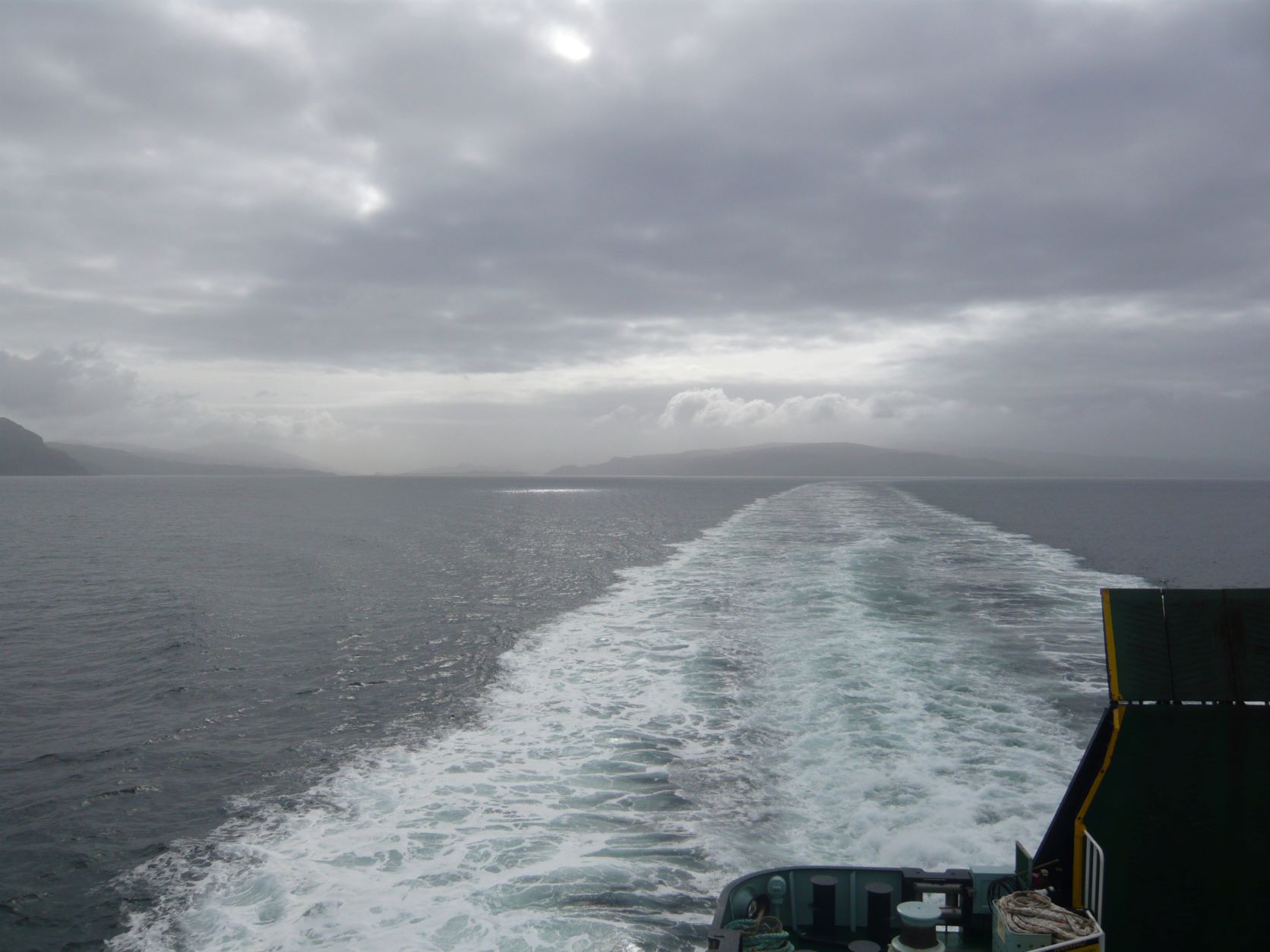
I love travelling to an island on a ferry. It is comparatively slow travel and you get a real sense of the distance travelled and the mood of the world you pass through. It takes two hours forty minutes to reach Coll from Oban; not a huge amount of time, but time enough to realise you’re no longer on the mainland.

Arinagour is not the largest capital city in the world. Although it is the main settlement on Coll, it only has a population of around 50. Although the entire population of Coll is only between 150 and 220 permanent residents, depending on which source you consult.

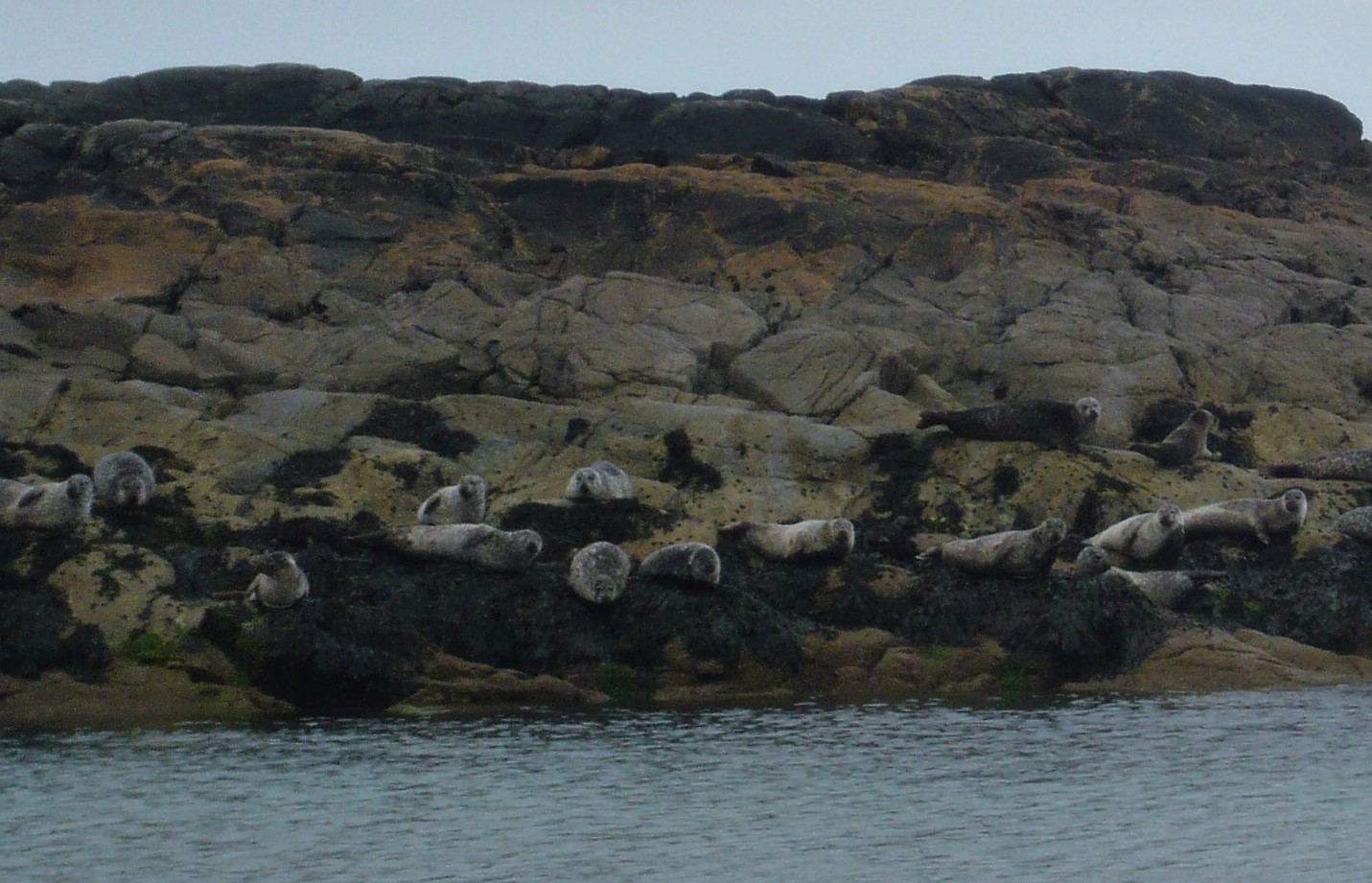
About halfway along the coast on the northern side of the island, there is a bay called Bagh an Trailleich. On our first visit, we walked there hoping to see some seals, but were disappointed. This time, there were about fifty seals on this small island in the bay

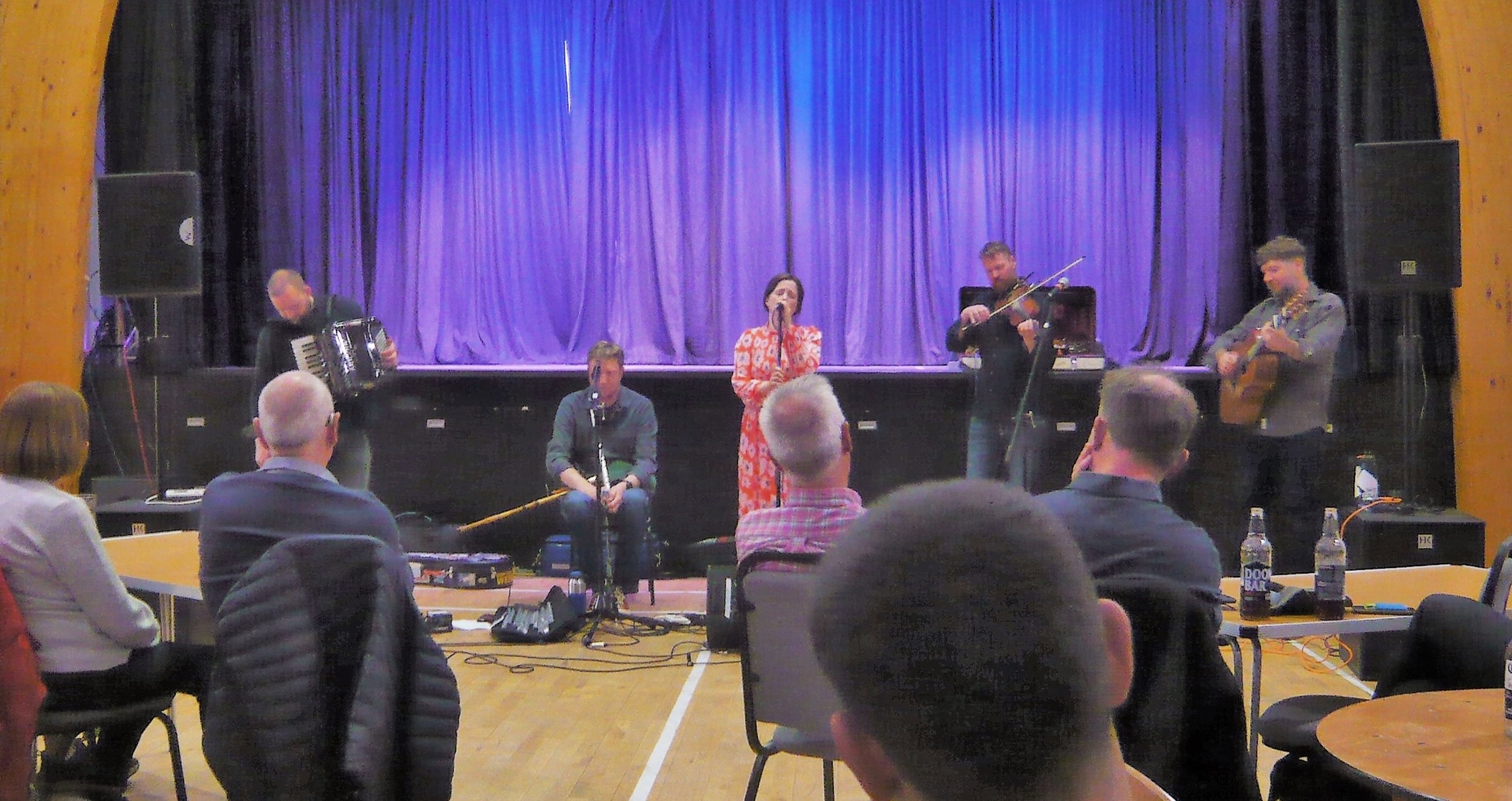
Our cottage was five minutes or so walk from the ferry, and having left our bags there we walked the short way to the island community centre, where we knew there would be a Saturday market and we intended to buy a few treats (homemade cakes, jam, and the like) for the week. While we were there, we saw a flyer for a gig by Daimh (pronounced ‘dive’) on the Wednesday evening. All we learned from this flyer was that they are a Scottish folk group and we thought that sounded like a good evening. On the Wednesday evening, we learned they are frequently described as a ‘Scottish Super-group’, and quickly discovered why. It was one of the best concerts I’ve been to. If you fancy a taste of what they do, I recommend this: Daimh live at Celtic Connections

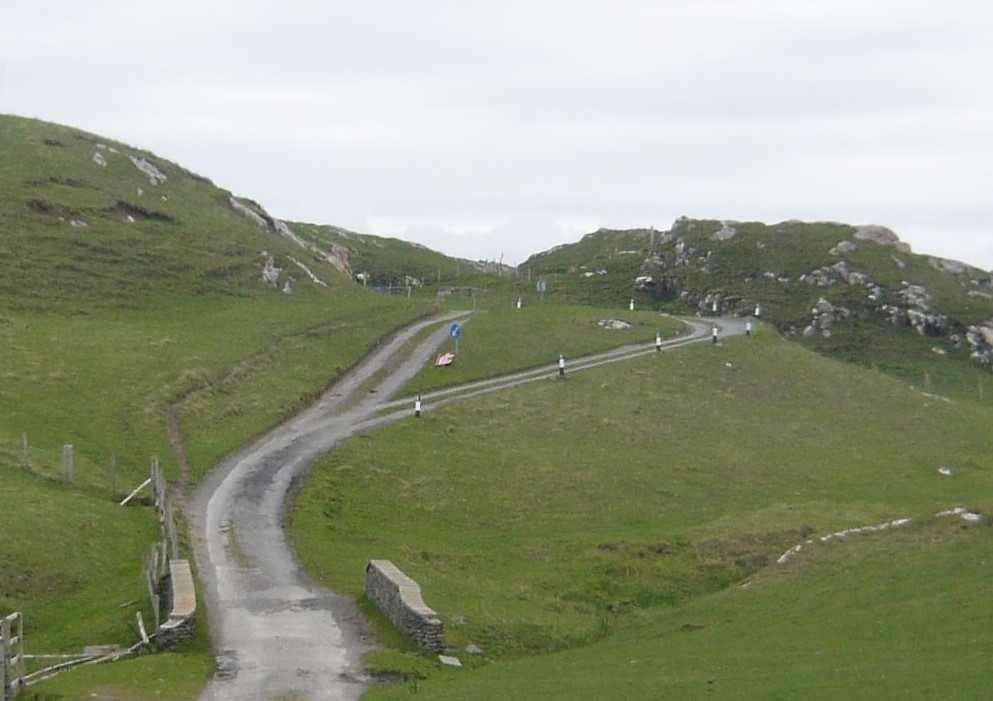
There is just one stretch of dual-carriageway on the island, a length of less than fifty metres, and it’s very difficult to understand why it’s there. There are three main roads on the island, all ‘B’ roads, and this stretch is along the one leading to the hamlet of Sorisdale. As you can see, it’s not the busiest road in the UK, but it may be the shortest stretch of dual carriageway.
Someone is bound to know.

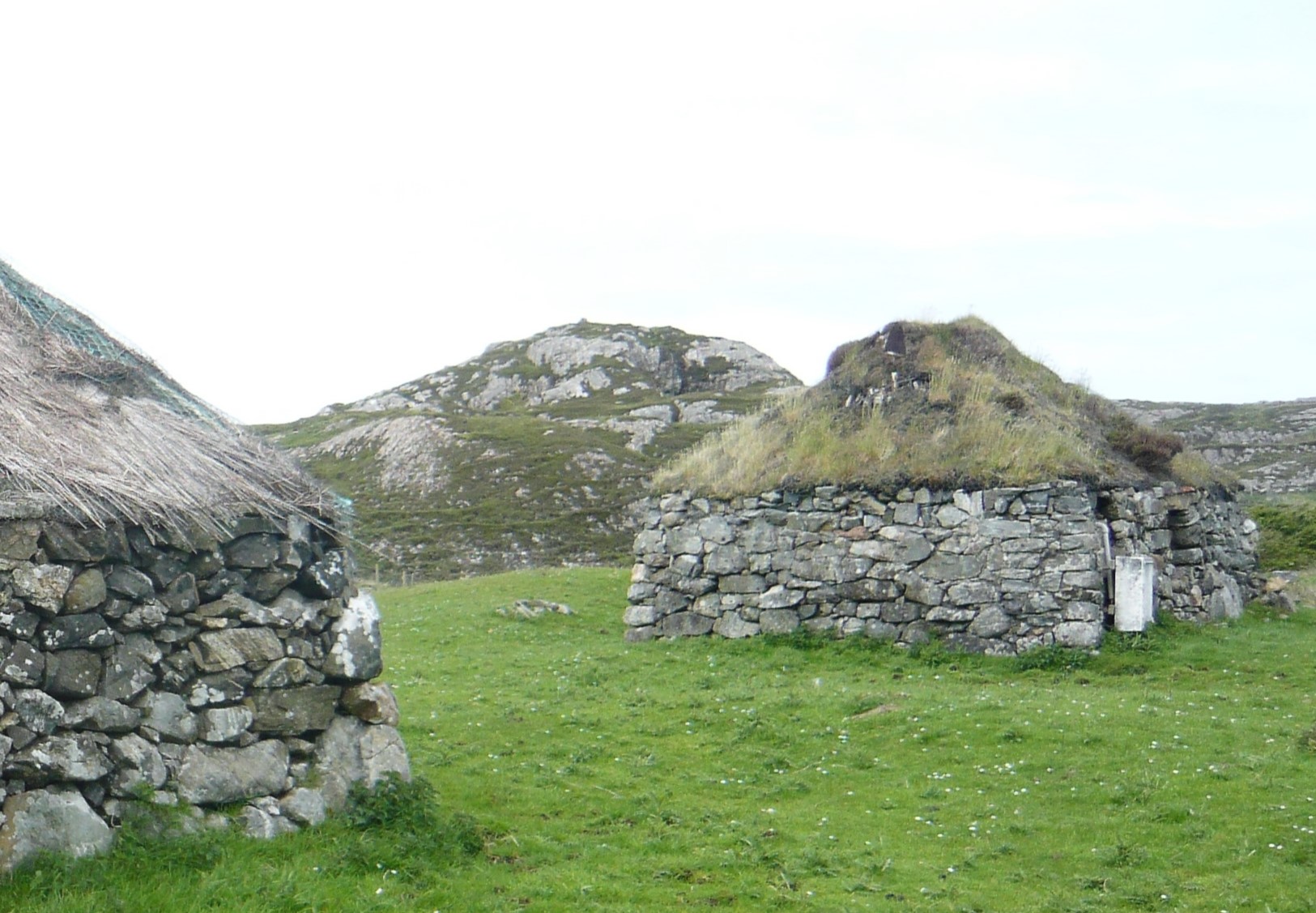
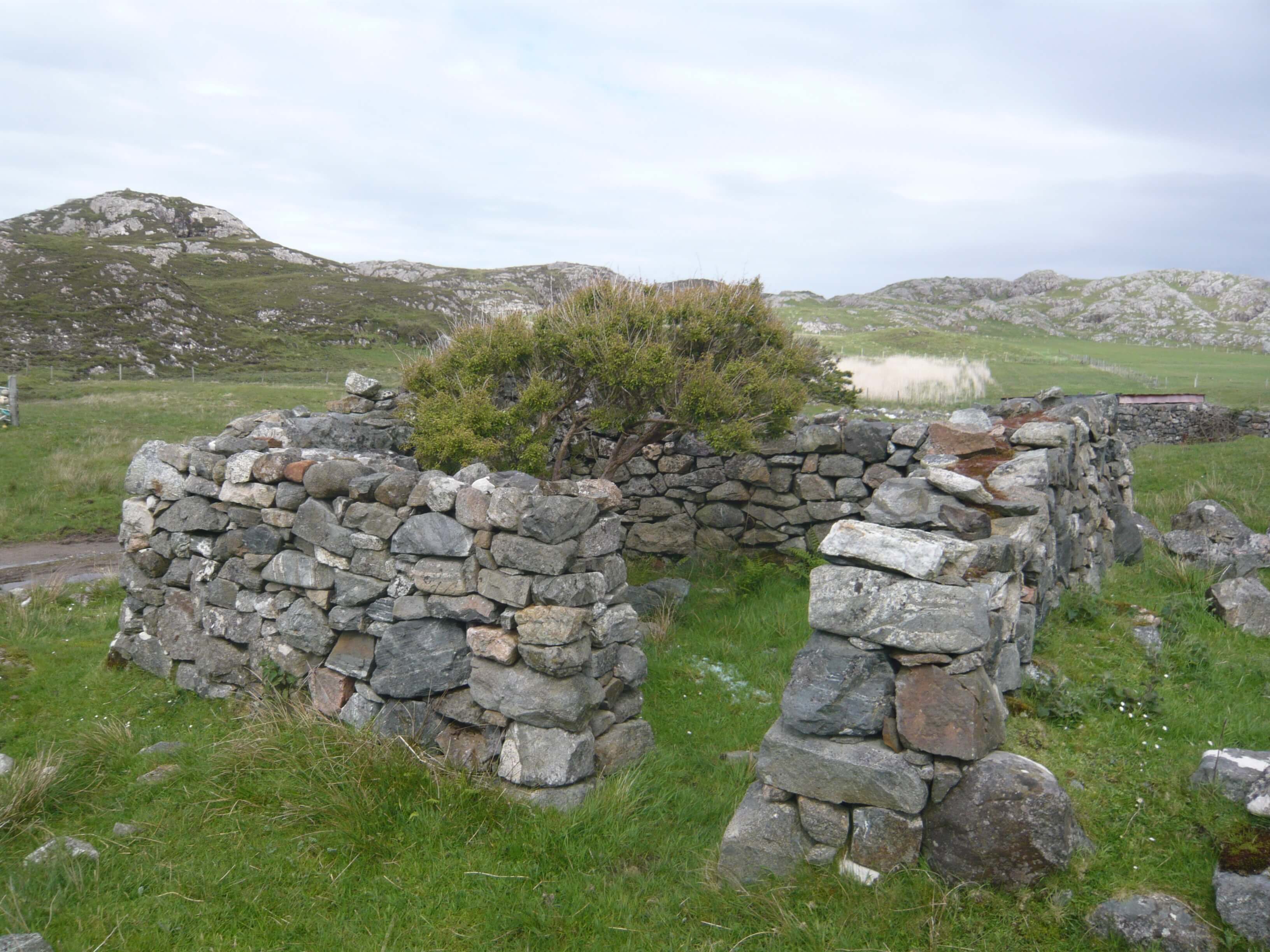
Sorisdale is a former crofting and fishing village at the north east end of the island. There are a couple of modern houses there, but also a number of old cottages with turf or thatched roofs, in various states of repair or disrepair.

And because it’s Scotland, here’s yer Highland coo. Yer’ve met him before.

Grey

When the weather is grey and grim there is nothing else for it other than to hunker down with a couple of mates and do lunch.

Then if the weather improves a little, go and wait for the pub to open.

‘Come on, come on!’

Peak Autumn

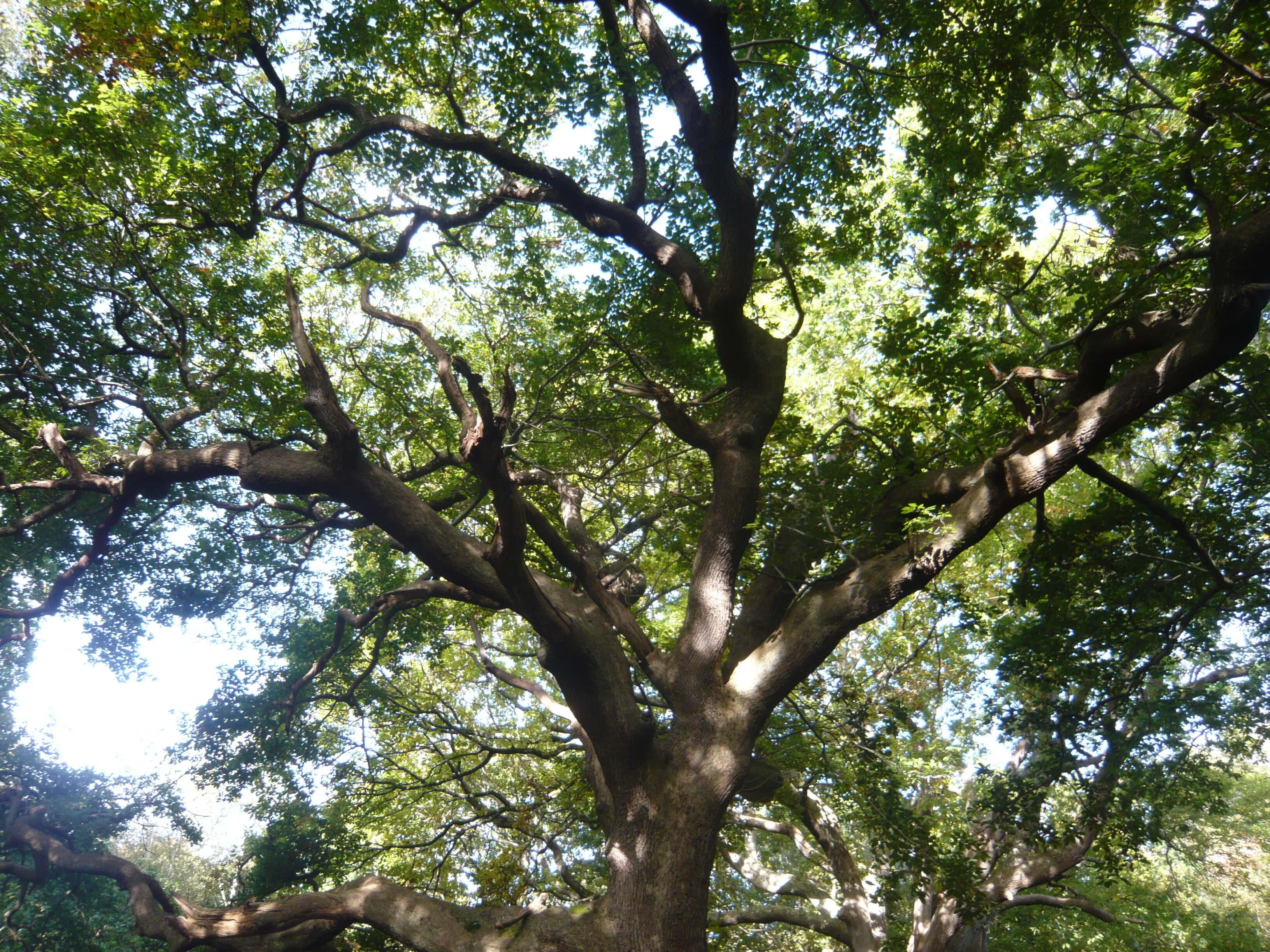
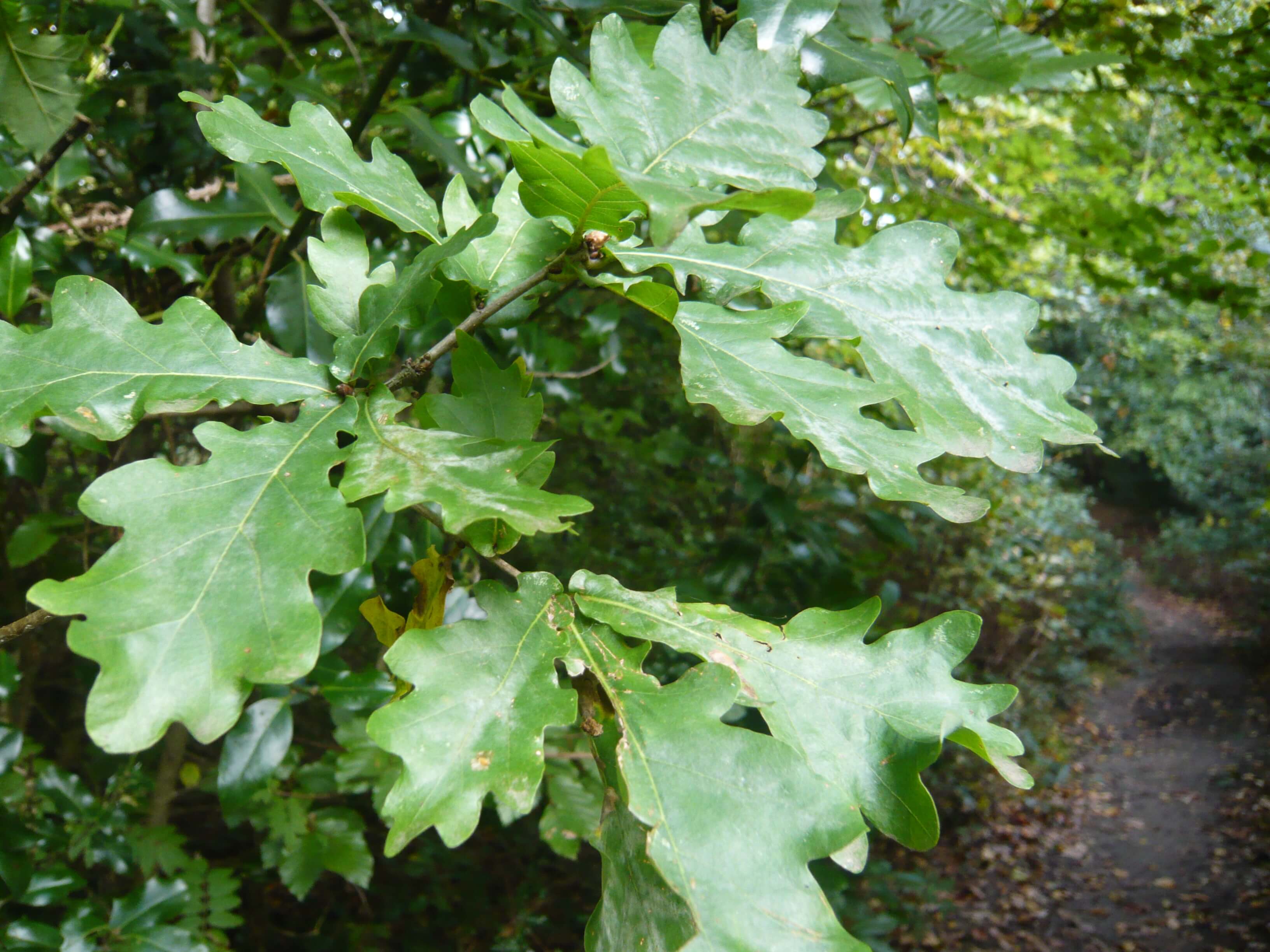
The leaves are turning, but in some cases, such as these oaks, still very slowly.

On Sunday, I was wandering around under the oak trees in the woods for a while. It was a gloriously sunny morning and I found myself stuffing my pockets with acorns and oak leaves. For no particular reason – they just looked interesting.

Maybe I was channelling my inner squirrel. Back indoors, I thought I might try to arrange them a little bit artistically, but I’m not sure it has really worked. Never mind. I love the way that both the leaves and the acorns turn from green to brown, passing through many different pastel colours on the way, many of them ochres – the earth colours.

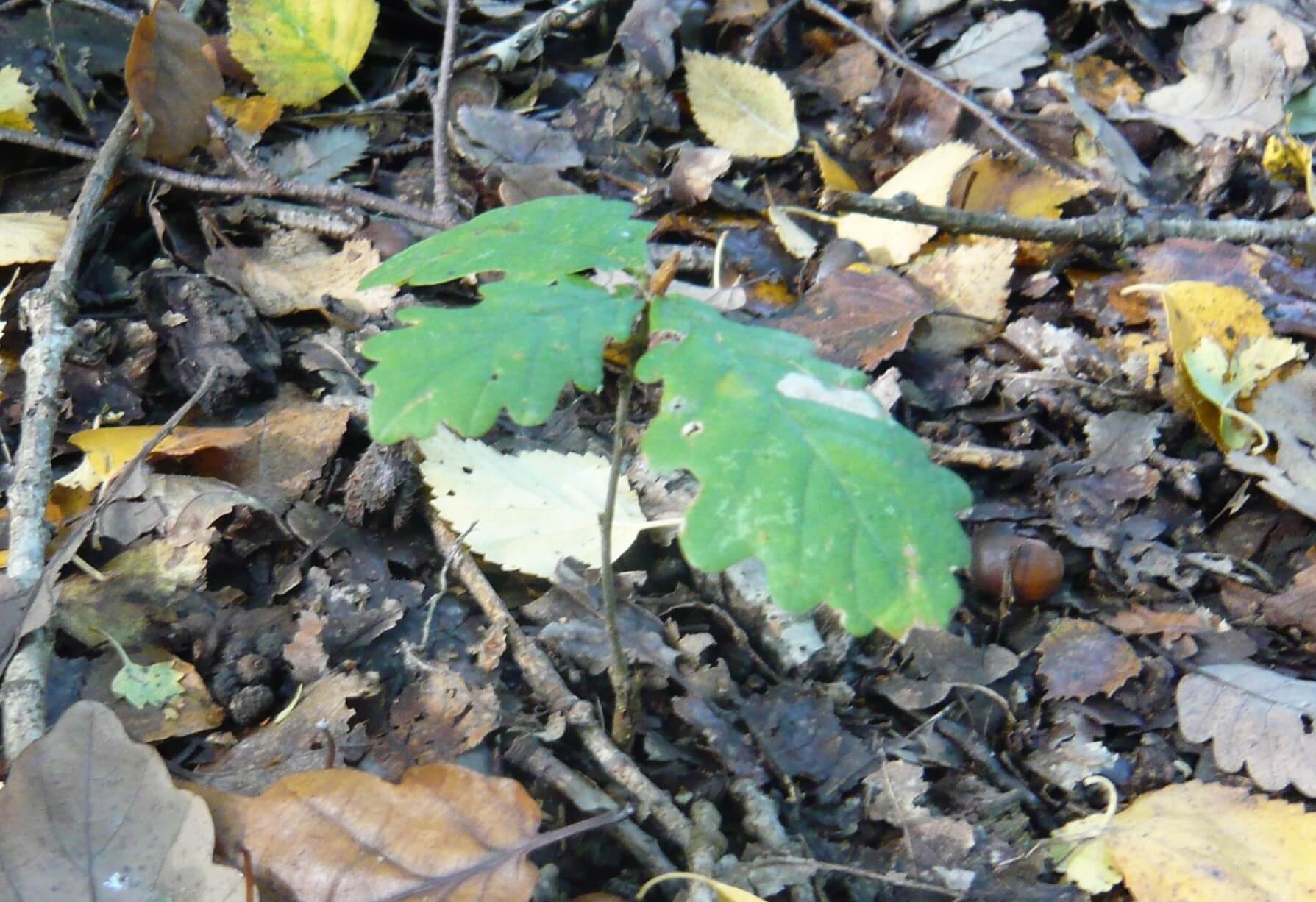
‘From tiny acorns mighty oaks do grow’ as the saying goes. This one has a little way to go yet, but as long as it doesn’t get broken or knocked down, its chances are good. There is a lot of light where it is growing, and currently little competition for light or space.

I felt a little menaced by a fallen branch, but all was well.

And despite it being mid-October, as I said at the beginning, there are still plenty of summery green leaves to be found.

Sarnath

It’s mid February 2008, and I am in Sarnath.

Formerly a deer park, Sarnath lies 10km outside Varanasi and is the place where the Buddha came after his enlightenment at Bodhgaya, to seek out his former companions who were living there in huts and give his first sermon, on the turning of the Wheel of Dharma. This comprises the Buddha’s path to Enlightenment: the Four Noble Truths, the Eightfold path and the Middle Way.

This altar is still used by pilgrims for pujas – not just Buddhists, but also Jains, for whom Sarnath is also sacred.

A monastic tradition flourished at Sarnath for over 1500 years after the Buddha. Many monasteries and two great stupas were built, which survived until the end of the 12th century when they were destroyed during the Muslim invasions and not rediscovered until 1834 by a British archaeological team. Amongst these ruins were a stone column 15.25m high with four lions as its capital, erected by the emperor Ashoka, a convert to Buddhism after witnessing the terrible carnage of a war he had unleashed in the 3rd century BC. This capital was adopted as the symbol of the modern Indian republic.

The Dhamekh Stupa. Built in the sixth century, this solid cylindrical tower, 33m high, consists of a stone base with the upper part made of brick, and was virtually the only building to survive the Islamic destruction, perhaps because of its sheer size and bulk. It marks the spot where the Buddha supposedly gave his first sermon. The five former companions, who became his first disciples on hearing him speak, had deserted him when he gave up his ascetic vows. On achieving enlightenment, he determined to follow the ‘Middle Way’, avoiding both luxuries and asceticism. This is the basis of its appeal to me personally – nothing to do with religion, but a sensible lifestyle avoiding extremes, with kindness at its heart. A philosophy of life.

Delicate carvings on the base of the Damekh Stupa.

Just outside the Deer park, there are a number of modern Buddhist monasteries, attracted to the site because of its history. This particular spot was a beautiful peaceful place, but I can’t remember exactly where it was! I think it was outside the Japanese Temple…

Inside the Dharmachakra Japanese monastery

Mulagandhakuti Vihara built by the Mahabodhi Society in 1931

Autumn Equinox

Often, it still feels like summer at this time of year, but I feel autumn has truly arrived now. This morning I walked a path I haven’t walked for a week or more to find the sun was that much lower than it had been and I was constantly having to shade my eyes. It’s all about colours, now. Colours and the cooling of the world. Russet. Browns. Fading drab greens. Yellows and orange. Autumn can be beautiful, although it can also be dull and dreary and occasionally fierce. But mornings often arrive with an added sparkle, with heavy dews on cobwebs and leaves glinting in the low sun, hedgerows of thistledown, rosehips, and hawthorn. There is usually a freshness in the air, especially in the mornings, which has been absent for most of the summer, that invariably lifts my spirits.

I like summer, of course I do, but the arrival of autumn reminds me in some ways of the arrival of spring. In spring we have the stirring of life after a long period of hibernation, whereas the beginning of autumn always feels to me like the start of a new, second, outburst of life. Many plants have a sudden growth spurt, fruits and nuts and berries swell and glow and are plundered by birds and beasts. It is still warm, warm enough to bask in the sun and to feel hot walking up even quite gentle hills.

The Equinox occurs on Friday (at 2.03am in the UK, to be precise) and after this the hours of darkness outnumber the hours of daylight until the end of next March (counting dusk and pre-dawn as night time). After this, the year always feels to me quite different, even if the weather from the one day to the next is much the same. I can already feel myself slipping into a different place; the logs for the burner have arrived and have been stacked ready for use. The apples have been picked, shortly to be wrapped and stored away. Much in the garden is in the process of being cut back for winter. When the days are short and the nights are long, there will be many books to read, lots of music to listen to, a few beers to drink, and many long conversations to be had.

But also many long walks as well, I hope. I love winter too.